Whether Shaving a Pomsky Damages the Coat
It’s a hot summer day, and your adorable Pomsky, with their thick, fluffy coat, looks like they’re carrying a wool blanket around. Or perhaps it’s shedding season, and you’re finding tumbleweeds of fur in every corner of your home, making you wonder if a trim is the answer to a cleaner house and a cooler pup. This thought, "Should I just shave my Pomsky?" is incredibly common, and it comes from a place of wanting the best for our furry family members. However, what seems like a quick fix can actually cause long-term damage and discomfort for your beloved Pomsky. This guide will delve deep into why shaving a double-coated breed like a Pomsky is generally a bad idea and what you can do instead to keep them healthy and comfortable year-round.
The Pomsky's Double Coat: A Marvel of Nature (and a Groomer's Challenge)
Before we even talk about shaving, it's crucial to understand the incredible design of your Pomsky's coat. They inherited this magnificent double layer from their Siberian Husky and Pomeranian parents, and it's far more complex and functional than many people realize. It's not just fur; it's a finely tuned natural insulation system that performs multiple vital roles for their health and well-being.
Anatomy of the Double Coat: Guard Hairs and Undercoat
Imagine your Pomsky’s coat as a two-part system, each with a specific job. The outer layer consists of what we call "guard hairs." These are typically longer, coarser, and more waterproof. They lie on top, acting as a protective barrier against external elements like rain, snow, dirt, and even harmful UV rays from the sun. Think of them as the outer shell of a high-performance jacket. They provide the initial line of defense and give your Pomsky their distinctive look and color patterns.
Beneath these guard hairs, nestled close to the skin, is the "undercoat." This layer is dense, soft, and much finer. It’s comprised of countless tiny hairs that trap air, creating an insulating layer that works in both hot and cold weather. In colder months, this trapped air keeps them warm by preventing body heat from escaping. In warmer weather, it acts as a barrier against external heat, preventing it from reaching the skin, much like the insulation in your home. This delicate balance is vital, and the integrity of both layers is essential for the coat to function properly.
The Double Coat's Role in Temperature Regulation
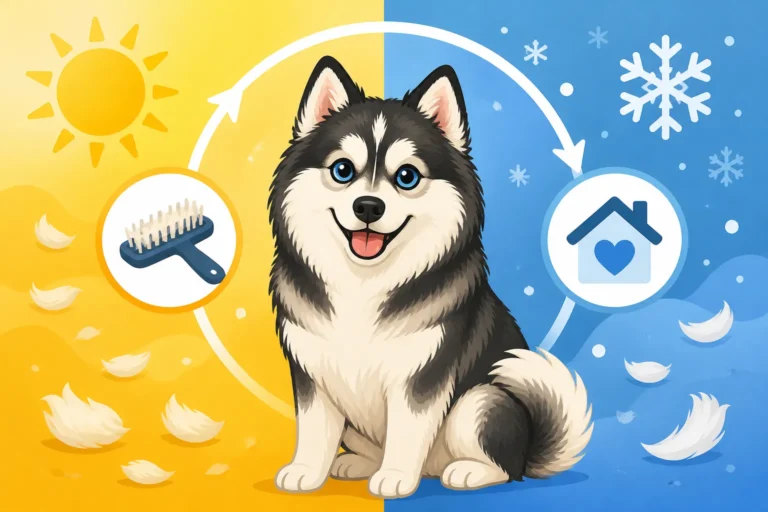
This two-layer system is a masterpiece of natural engineering designed for extreme temperatures, particularly the cold climates where Huskies originated. In winter, the dense undercoat provides warmth, protecting your Pomsky from freezing temperatures. But here’s the kicker, and where the common misconception often lies: this same double coat also helps to keep them cool in summer. The undercoat traps cooler air close to the skin, creating an air-conditioned layer, while the guard hairs deflect sunlight and heat. Without this protective barrier, your Pomsky’s skin is directly exposed to the sun, making them more susceptible to overheating, not less.
Many people believe that shaving a dog with a thick coat will make them cooler, but for a double-coated breed, it actually disrupts this natural cooling mechanism. Instead of an efficient temperature regulator, you end up with a coat that can't do its job, potentially leading to overheating and other issues. It's a fundamental misunderstanding of how these incredible coats operate.
The Temptation to Shave: Why Owners Consider It
Let's be honest, living with a Pomsky means living with a lot of fur. The idea of shaving can be very appealing, especially when you're grappling with their magnificent coat. Owners often have very good, well-intentioned reasons for considering this drastic step, usually stemming from concerns about heat or the sheer volume of shedding.
Misconceptions About Cooling a Dog
One of the biggest drivers behind the desire to shave a Pomsky is the belief that it will help them stay cooler in warm weather. We humans shave our heads or wear lighter clothes when it’s hot, so it’s natural to assume the same logic applies to our dogs. Many picture their dog feeling suffocated under all that fur and imagine a freshly shaven coat providing instant relief. However, as we discussed, the double coat is specifically designed for thermoregulation. Shaving it removes the insulating layer that protects them from the sun's heat and actually makes them more vulnerable to heatstroke because their skin is now directly exposed to solar radiation. They can't sweat like humans do to cool down; they rely on panting and the natural insulation of their coat.
This misconception is deeply ingrained, and it’s perpetuated by well-meaning but misinformed advice. A Pomsky's coat is like a thermos – it keeps things warm in winter and cool in summer. Remove the insulation, and the internal temperature becomes much harder to regulate. Whether a Pomsky Overheats More Than a Husky is a common concern, and while smaller, their dense coat still poses challenges in heat.
Dealing with Excessive Shedding and Matting
Another significant reason owners eye the clippers is the sheer amount of fur a Pomsky can shed. When your dog is "blowing their coat" (typically twice a year, but often a consistent affair), it can feel like your house is perpetually coated in a fine layer of Pomsky glitter. How Much Undercoat Comes Off a Pomsky during these times is astonishing, and cleaning it all up is a monumental task. It's exhausting, and the thought that shaving might reduce shedding is a powerful motivator.
Similarly, matting can become a serious issue, especially with wooly-coated Pomskies or those whose undercoat isn't properly maintained. Mats are painful tangles of fur that pull on the skin, restrict movement, and can hide skin infections or parasites. If a coat becomes severely matted, some owners or even groomers might suggest shaving as the only option to remove the mats. While shaving off severely matted fur is sometimes medically necessary (and different from a recreational shave), the goal should always be prevention and diligent maintenance, not a regular shave-down.
The Irreversible Damage: What Happens When You Shave a Pomsky
The consequences of shaving a Pomsky’s double coat go far beyond a temporary change in appearance. Many of these effects are long-lasting, and some can even be permanent, impacting their health, comfort, and the very structure of their coat.
Guard Hair Damage and Undercoat Overgrowth
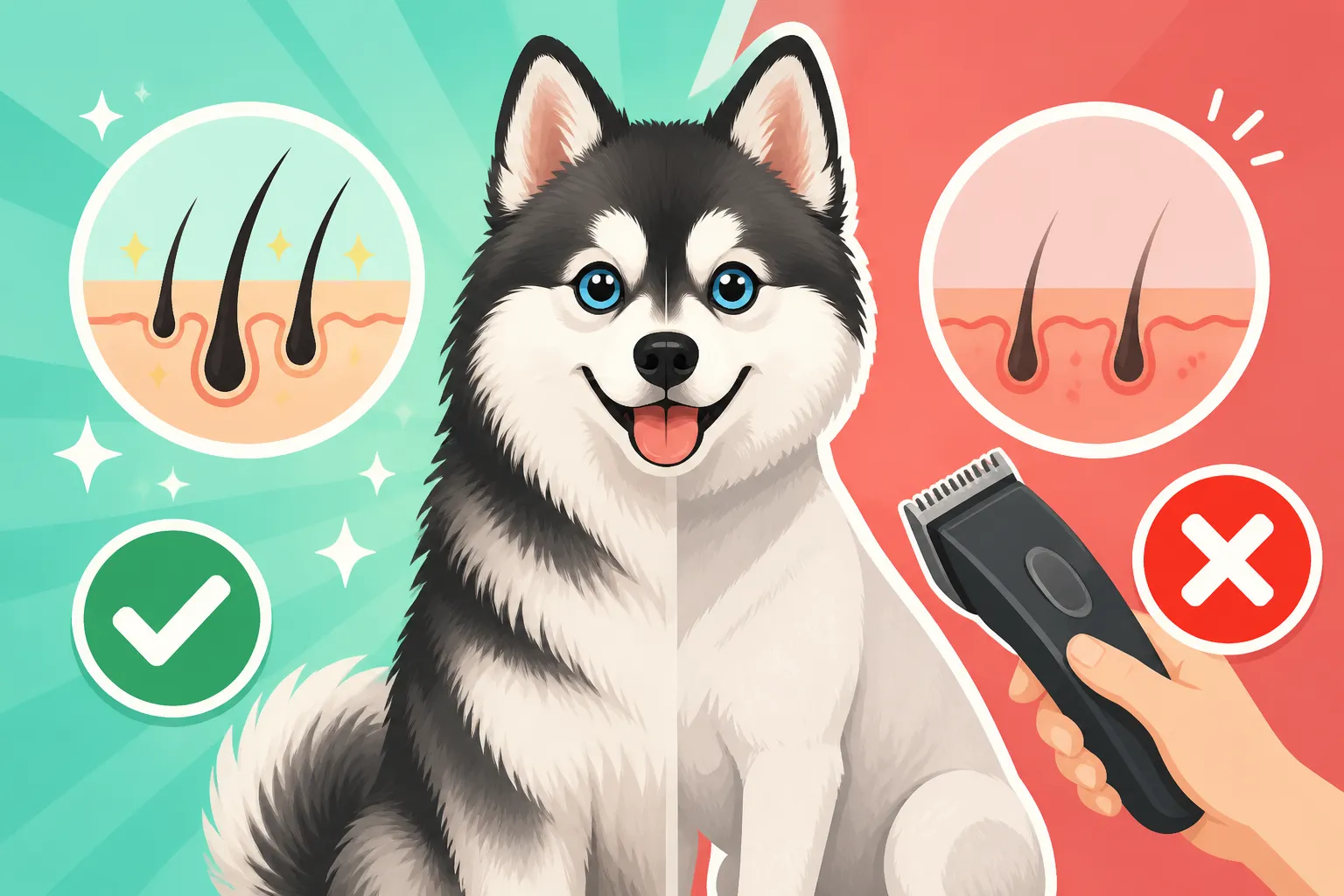
When you shave a Pomsky, you cut off the protective guard hairs, which are vital for deflecting UV rays and protecting the skin. These guard hairs grow much slower than the undercoat. What often happens after a shave is that the soft, dense undercoat grows back much faster and thicker. This rapid, uncontrolled regrowth of the undercoat can "choke out" the slower-growing guard hairs. The result? A coat that is much softer, fuzzier, and often feels like cotton or wool. It loses its natural texture, sheen, and the coarse protective qualities of the guard hairs. This new, unbalanced coat is also far more prone to matting and shedding excessively because it lacks the structure the guard hairs once provided to help manage it. It’s not just a bad haircut; it's a fundamental alteration of the coat's biology. Whether a Shaved Pomsky Regrows Only Undercoat is a very real concern, as the balance is often permanently tipped.
Compromised Thermoregulation and Skin Issues
As we’ve explored, the double coat is your Pomsky's natural climate control system. Shaving it completely removes this insulation. In summer, their skin is directly exposed to the sun’s harsh UV rays, drastically increasing their risk of sunburn and heatstroke. Their delicate skin, once shielded, can quickly become burned, painful, and prone to flaking or infection.
In winter, the opposite problem arises. Without that dense undercoat and protective guard hairs, they lose a significant portion of their ability to trap warm air and stay warm. This means they'll feel the cold much more intensely, making them uncomfortable and potentially more susceptible to illnesses in colder climates. It can be a rude awakening for owners who assumed shaving would only solve summer woes, only to find their dog shivering more in the cooler months.
Aesthetic Changes and Coat Texture Alterations
Beyond the functional damage, shaving a Pomsky fundamentally changes their appearance. The sleek, often striking look of a Pomsky, with its full plume and characteristic markings, comes from those guard hairs. When shaved, they often lose their vibrant color and patterns, appearing duller and less defined. Many owners are genuinely shocked by how different their dog looks after a shave, and not in a good way.
The texture change is another significant issue. That coarse, protective topcoat is gone, replaced by a softer, sometimes cotton-like undercoat that might not ever regain its original integrity. This new texture can feel unpleasant, look unruly, and be even harder to maintain in the long run, as it’s more prone to tangling and holding onto debris. It's a heartbreaking transformation for many owners who loved their Pomsky's distinctive fluffy, yet well-structured, look.
Health and Comfort: Why Shaving Does More Harm Than Good
When considering shaving, the immediate goal is usually comfort or hygiene. However, the long-term impact on your Pomsky's health and comfort can be quite severe, often creating more problems than it solves.
Increased Risk of Sunburn and Skin Cancer
Imagine stepping outside on a sunny day without a shirt or sunscreen. That’s essentially what you’re doing to your Pomsky when you shave their double coat. Their skin, particularly in areas with less natural pigment, is highly susceptible to sunburn. Just like humans, repeated sunburns increase the risk of developing skin cancer, including melanoma. A dog's skin is much thinner and more delicate than ours, and their natural fur acts as a powerful sunscreen. Removing it leaves them incredibly vulnerable.
Even if you apply dog-specific sunscreen (which can be messy and needs frequent reapplication, especially if they lick it off), it's nowhere near as effective or foolproof as their natural coat. A shaved Pomsky on a sunny walk, or even just lounging in the backyard, is at a significant, avoidable risk.
Potential for "Post-Clipping Alopecia"
Perhaps one of the most disheartening outcomes of shaving a double-coated dog is a condition known as "post-clipping alopecia," or sometimes just "coat change." This is when the fur, after being shaved, simply fails to grow back properly, or sometimes at all. Instead of a uniform regrowth, you might see patchy bald spots, areas of very slow, sparse growth, or an undercoat that comes back in a completely different, often undesirable, texture. Whether a Pomsky's Coat Comes Back After a Shave is a very real question, and unfortunately, the answer isn't always a resounding yes.
The exact reasons for post-clipping alopecia aren't fully understood, but it's believed to be related to trauma to the hair follicles, disruption of the growth cycle, or altered circulation to the skin. It can affect any double-coated breed, and Pomskies are certainly not immune. This condition can be permanent, leaving your dog with an uneven, thin, or unsightly coat for the rest of their lives, and it means they will be permanently compromised in their natural ability to regulate their body temperature.
Effective Alternatives to Shaving: Maintaining a Healthy Pomsky Coat
So, if shaving is out, what can you do to keep your Pomsky's magnificent coat healthy, manage shedding, and ensure they're comfortable in all seasons? The answer lies in consistent, proper grooming and environmental management.
Regular Brushing and Deshedding Techniques
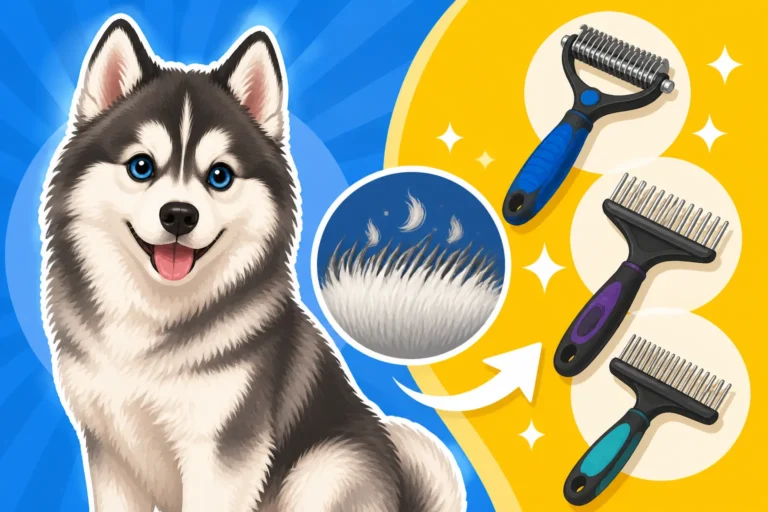
This is the cornerstone of double-coat care. Regular, thorough brushing is essential to remove loose undercoat, prevent mats, and distribute natural oils through the coat. During shedding seasons, you’ll need to step up your game, sometimes brushing daily. Tools like a good quality undercoat rake, a slicker brush, and a sturdy metal comb are your best friends. The undercoat rake helps pull out the dead, loose undercoat without damaging the guard hairs. The slicker brush can smooth the topcoat and help with surface tangles, and the comb is crucial for checking for mats, especially behind the ears, in the armpits, and on the breeches.
Many online retailers like Chewy or Amazon offer a wide variety of these essential tools. Investing in high-quality brushes will make a world of difference. When brushing, always work in small sections, line brushing to ensure you reach all the way down to the skin. This prevents mats from forming underneath the topcoat, where they're often hidden until they become severe. The Undercoat Rake a Pomsky Owner Lives With is not an exaggeration – it's a crucial tool for managing shedding effectively.
Professional Grooming for Double Coats
While at-home brushing is vital, regular professional grooming by someone experienced with double-coated breeds can be a game-changer. These groomers have specialized tools and techniques, including high-velocity dryers, which are incredibly effective at blowing out loose undercoat without cutting the guard hairs. A professional deshedding service often includes a bath with specialized shampoos and conditioners, followed by a thorough blow-dry and brush-out. This process can remove an astonishing amount of dead fur, drastically reducing shedding in your home and keeping your Pomsky much more comfortable.
Communicate clearly with your groomer: never allow them to shave or heavily clip your double-coated Pomsky unless it's a medical necessity. A reputable groomer will understand and respect this. Their goal should be to maintain the integrity of the coat, not remove it.
Environmental Management for Comfort
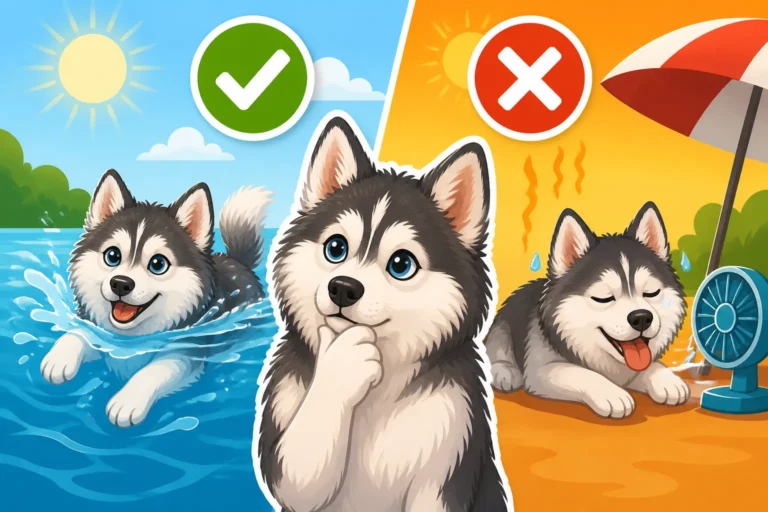
Beyond grooming, you can take steps to ensure your Pomsky is comfortable, especially in warmer climates. Providing access to cool, shaded areas is crucial. If they spend time outdoors, make sure there’s a shady spot, perhaps with a dog bed or a cooling mat. Fresh, cool water should always be available, and you might even consider adding ice cubes to their bowl.
Limiting outdoor exercise to early mornings or late evenings when temperatures are cooler is also wise. Consider cooling vests or bandanas soaked in cold water for walks. Indoors, air conditioning is a blessing for double-coated breeds during heat waves. Remember, Whether a Pomsky Needs Air Conditioning is often a resounding yes in hotter regions. Diet also plays a role in overall health, including coat health. While it won't stop shedding, feeding a high-quality, balanced diet, perhaps even one of the fresh food options like Ollie, supports a healthy skin and coat, making grooming a bit easier and the coat more resilient.
| Feature | Shaving a Pomsky | Proper Double Coat Grooming (Brush & Deshed) |
|---|---|---|
| Immediate Look | Drastically altered, potentially patchy | Maintained breed appearance, neat and tidy |
| Coat Health | Damage to guard hairs, undercoat overgrowth | Preserves natural coat structure, promotes healthy growth |
| Temperature Reg. | Compromised (increased risk of overheating/cold) | Optimized natural insulation (cool in summer, warm in winter) |
| Skin Protection | Reduced (increased risk of sunburn/skin issues) | Excellent protection from sun, elements, and minor abrasions |
| Shedding Control | Temporary reduction, followed by increased, finer shedding | Significant reduction of loose fur, managed seasonal shedding |
| Matting Risk | High, especially with regrowing undercoat | Low, if done regularly |
| Long-term Impact | Potential permanent coat damage, post-clipping alopecia | Healthy, functional coat throughout life |
When a Pomsky's Coat Needs Professional Intervention (Not Shaving)
There are rare situations where a Pomsky's coat absolutely needs intervention that might involve close clipping, but it's important to differentiate these from a routine aesthetic shave. These are usually medical or severe matting scenarios.
Addressing Severe Matting
Sometimes, despite best efforts, a Pomsky’s coat can become severely matted. This often happens if regular grooming has been neglected, or if the dog has rolled in something sticky. Severe mats aren't just unsightly; they are incredibly painful, can cut off circulation, and create a breeding ground for skin infections, parasites, and hot spots. In these extreme cases, it might be necessary for a professional groomer or veterinarian to carefully clip underneath the mats to remove them. This isn't a full body shave for aesthetics but a targeted, necessary procedure to relieve pain and prevent further health complications.
The difference is crucial: this is a corrective action for an existing problem, not a preventative measure or a styling choice. After such a procedure, the focus immediately shifts to healing the skin and establishing a proper grooming routine to prevent future matting. Whether a wooly Pomsky mats is a real question for owners of this coat type, as their softer fur is more prone to tangles.
Medical Necessity
On even rarer occasions, a veterinarian might recommend clipping or shaving a specific area of your Pomsky's coat for medical reasons. This could be to prepare for surgery, to treat a widespread skin condition (like severe allergies or infections that require topical treatment and air exposure), or to facilitate diagnostic tests. In these instances, the decision is made by a medical professional with your dog's health and recovery as the absolute priority.
These are not situations where an owner decides to shave for convenience or aesthetics. They are specific, often localized, and always guided by professional veterinary advice. It’s a very different scenario from simply wanting to "cool down" or "reduce shedding" by shaving your Pomsky. In all other cases, diligent, consistent, and proper double-coat grooming is the key to a happy, healthy, and beautiful Pomsky.
Disclaimer
This article is for general informational purposes only and does not constitute professional advice. Laws, prices and regulations vary by location and change over time. Consult a qualified professional for guidance on your specific situation.