Whether a Wooly Pomsky Needs Daily Work
One of the biggest surprises many new Pomsky owners face, especially those drawn to the extra fluffy, miniature-Husky look, is the sheer grooming commitment that comes with a "wooly" coat. You envision cuddles and cute photos, but often end up battling tangles and wondering if you signed up for a full-time job. This guide will walk you through exactly what a wooly Pomsky coat entails and whether daily work is truly necessary to keep it healthy and beautiful.
Understanding the Wooly Pomsky Coat
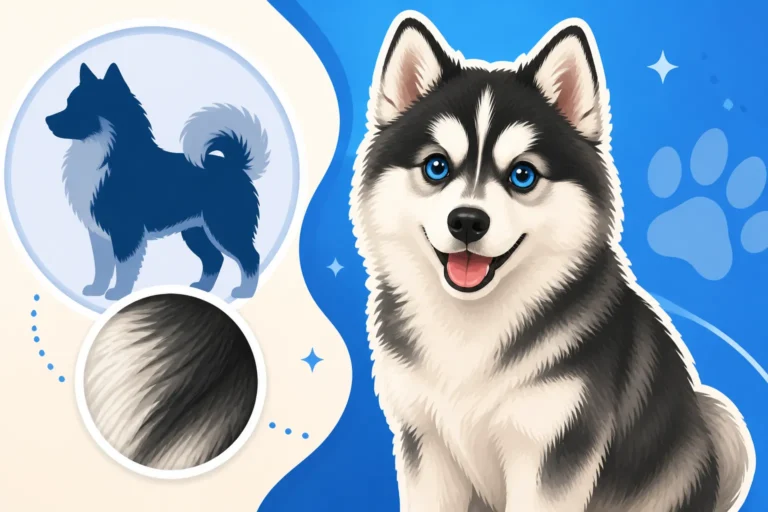
The term "wooly" in the Pomsky world refers to a specific coat type that results from inheriting certain genes from both the Siberian Husky and Pomeranian sides. Unlike the more common "standard" or "plush" Pomsky coats, a wooly coat is characterized by its excessive length, softness, and sometimes a cottony texture. It’s undeniably gorgeous, giving these dogs that picture-perfect, cloud-like appearance that so many adore. However, that beauty comes with a significant care commitment.
What Makes a Coat "Wooly"?
Essentially, a wooly Pomsky coat has longer guard hairs and a denser, often softer undercoat than a standard double coat. Think of it like a very luxurious, thick woolen blanket compared to a regular fleece throw. This combination of length and density, particularly in the undercoat, is what gives it that incredibly full and fluffy look. While all Pomskies have a double coat designed for insulation, the wooly variety takes it to an extreme, providing extra warmth but also creating a perfect environment for mats and tangles to form. It’s a genetic lottery, and if your Pomsky puppy develops this coat type, you're in for a grooming adventure!
Visual Differences: Wooly vs. Standard
If you're wondering how to tell if your Pomsky has a wooly coat, it's usually quite evident. A standard Pomsky coat, while still double-layered, will have guard hairs that lie flatter and feel somewhat coarser to the touch. The overall appearance is sleek and well-defined, much like a Siberian Husky. The undercoat is present but doesn't usually overtake the guard hairs in length or density. In contrast, a wooly Pomsky's coat will appear much thicker, stand off the body more, and often have a softer, almost downy feel. The hair on the legs, tail, and especially the chest and "mane" area will be significantly longer and fuller. You might think, "Wow, my dog is extra fluffy!" and you'd be right – that fluff often signals a wooly coat. You can learn more about the different types in The Three Pomsky Coat Types.
Why Daily Grooming Becomes Essential for Woolies
Let's be blunt: a wooly Pomsky coat is not a "wash and wear" kind of situation. The unique characteristics that make it so visually appealing are also what make it a magnet for mats, dirt, and general chaos. Neglecting a wooly coat, even for a few days, can lead to serious problems that are painful for your dog and costly to fix. This isn't just about aesthetics; it's about your Pomsky's comfort and skin health.
The Matting Menace
Mats are the arch-nemesis of every wooly Pomsky owner. Because the guard hairs are longer and the undercoat is so dense and soft, loose hairs easily intertwine with healthy ones, forming stubborn knots. These aren't just minor tangles; mats can quickly grow into dense, felt-like pads that pull on the skin, causing discomfort, pain, and even skin infections underneath. Imagine having your hair constantly tugged at, every time you move – that's what a mat feels like to your dog. Areas particularly prone to matting include behind the ears, under the armpits, on the chest, around the collar, and on the "feathers" of the legs and tail. These areas experience a lot of friction and movement, which accelerates mat formation.
Once mats start, they spread rapidly. A small tangle that could have been brushed out in seconds can become a large, painful patch overnight, especially if your dog has been rolling around outside, getting wet, or just naturally shedding. The more severe the matting, the more difficult and painful it is to remove, often requiring professional intervention with specialized tools or even shaving, which can have its own consequences. For a deeper dive into the specifics of this coat type, check out The Wooly Pomsky Coat and Its Upkeep.
Shedding Cycles and the Wooly Coat
All double-coated dogs shed, and Pomskies are no exception. They typically "blow their coat" twice a year, usually in spring and fall, when they shed their entire undercoat to prepare for the new season. This shedding is an epic event for any Pomsky owner, resulting in tumbleweeds of fur around the house. For a wooly Pomsky, however, this phenomenon is amplified. The sheer volume of undercoat that needs to be shed is astonishing.
During a coat blow, if the dead undercoat isn't meticulously removed, it quickly becomes trapped within the longer guard hairs and the remaining undercoat, creating an absolute nightmare of mats. These aren't just surface mats; they can form close to the skin, causing severe irritation, overheating, and making it impossible for the skin to breathe. Even outside of these major shedding seasons, wooly Pomskies tend to shed more consistently throughout the year due to the density of their coat. This constant, albeit lighter, shedding still contributes to the daily battle against tangles and mats if not addressed regularly.
Your Daily Grooming Arsenal and Routine
So, yes, a wooly Pomsky absolutely needs daily work. This isn't to say you'll spend hours every single day, but consistent, focused attention is crucial. Having the right tools and a systematic approach will make all the difference, transforming a potentially frustrating chore into a bonding experience. Think of it as preventative maintenance for your dog's skin and coat health.
Must-Have Tools for Wooly Coats
You can't fight the matting menace with just any brush. You need specialized tools designed for double coats, especially wooly ones. First and foremost, an undercoat rake is non-negotiable. This tool has long, widely spaced teeth designed to penetrate the dense topcoat and gently pull out loose undercoat without damaging the guard hairs. The Undercoat Rake a Pomsky Owner Lives With is a fantastic resource for choosing the right one.
Next, a good quality slicker brush is essential for working on tangles and smoothing the topcoat. Look for one with fine, bent wire bristles that can grasp loose hair effectively. A wide-toothed metal comb is also incredibly useful for line brushing and checking for hidden mats, especially in those tricky areas like behind the ears and on the tail. Finally, a detangling spray or conditioning spray can be a lifesaver. It helps lubricate the coat, making it easier to work through knots and reducing static. You can find excellent options for all these tools on platforms like Chewy or Amazon, making it easy to stock your grooming kit.
A Step-by-Step Daily Brush-Out
Your daily routine doesn't need to be an hour-long ordeal, but it does need to be thorough. Aim for 15-30 minutes, depending on the coat's current condition and your dog's cooperation. Start by getting your Pomsky comfortable – a treat or a favorite toy can help. Begin by lightly misting their coat with a detangling spray. This helps prevent breakage and reduces static.
Next, use your undercoat rake, working in small sections, always brushing in the direction of hair growth. Pay special attention to the areas prone to matting: behind the ears, armpits, chest, and tail. After raking, follow up with the slicker brush to smooth the topcoat and catch any remaining loose hairs. Finish with the wide-toothed comb to "line brush." This means parting the hair and combing from the skin outwards, ensuring you're reaching all the way down. If the comb glides smoothly, you're good. If it snags, you've found a tangle that needs gentle detangling. This consistent, systematic approach is key to preventing major matting.
Addressing Minor Tangles On The Spot
Spot treatment for minor tangles is crucial to prevent them from becoming larger, more painful mats. As you go through your daily brush-out, or even during quick cuddles, if you feel a small knot, stop and address it immediately. Don't just brush over it and hope it disappears. Use your fingers to gently pull the tangle apart as much as possible, then apply a detangling spray. Work on the knot from the outside in, using the tip of your slicker brush or the teeth of your comb to slowly tease the hairs apart.
Never pull or yank on a tangle, as this will cause pain and make your dog associate grooming with discomfort. If a tangle is particularly stubborn, you might need a mat splitter or a blunt-nosed scissor to carefully cut into the mat, parallel to the skin, to break it up before brushing. Always be incredibly cautious when using scissors near the skin. Regular, quick intervention is far easier and less stressful for both of you than dealing with a large, solid mat later on.
Beyond Daily Care: Keeping a Wooly Coat Healthy
While daily brushing is the cornerstone of wooly Pomsky coat care, there are other essential components to ensure their overall coat and skin health. These might not be daily tasks, but they are critical for managing such a dense and beautiful coat. Ignoring these can undo all your hard daily work and lead to problems.
The Importance of Regular Baths and Drying
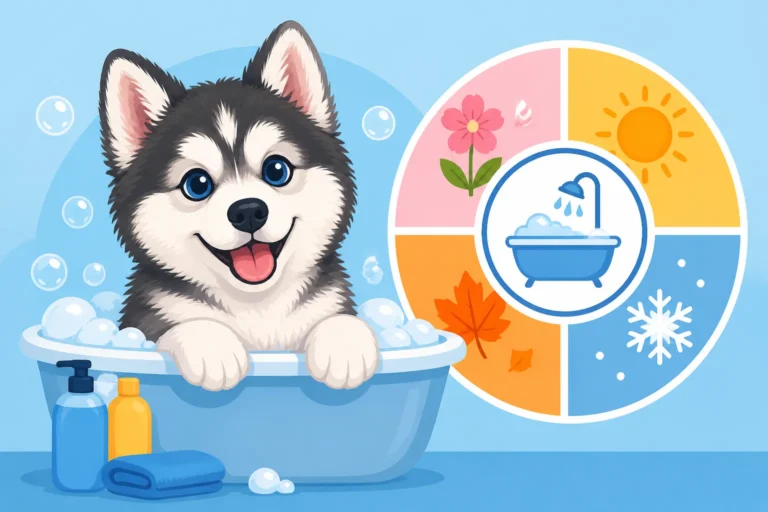
Bathing a wooly Pomsky is an art form, not just a quick rinse. Regular baths, typically every 4-6 weeks (or more often if they get particularly dirty), are necessary to remove dirt, dander, and loose undercoat that brushing alone can't fully capture. However, the drying process is perhaps even more critical than the washing. A wooly coat must be dried completely, right down to the skin. If the undercoat remains damp, it creates a breeding ground for bacteria and yeast, leading to hot spots, skin infections, and severe matting as the damp hairs felt together.
This is where a high-velocity force dryer becomes an indispensable tool. It literally blasts water out of the coat, fluffing the hair as it dries and separating the undercoat, making it much easier to brush out. Trying to air dry a wooly Pomsky, or even using a human hairdryer (which can burn their skin), is usually insufficient and risky. Whether a Force Dryer Is Essential for a Pomsky and Getting a Pomsky Used to a Force Dryer offer great advice on this. Always use a shampoo specifically formulated for dogs and double coats, as human products can strip essential oils. You can find many suitable shampoos on Chewy.
When Professional Grooming is a Lifesaver
Even with diligent home care, professional grooming is often a huge benefit for wooly Pomskies. A professional groomer has the experience, tools, and training to handle thick double coats, especially during seasonal "blowouts." They can perform a thorough deshedding treatment, which includes specialized shampoos, conditioners, and expert use of a force dryer and grooming tools to remove massive amounts of dead undercoat. This not only keeps your home cleaner but also significantly reduces the risk of matting and helps your dog stay cooler and more comfortable.
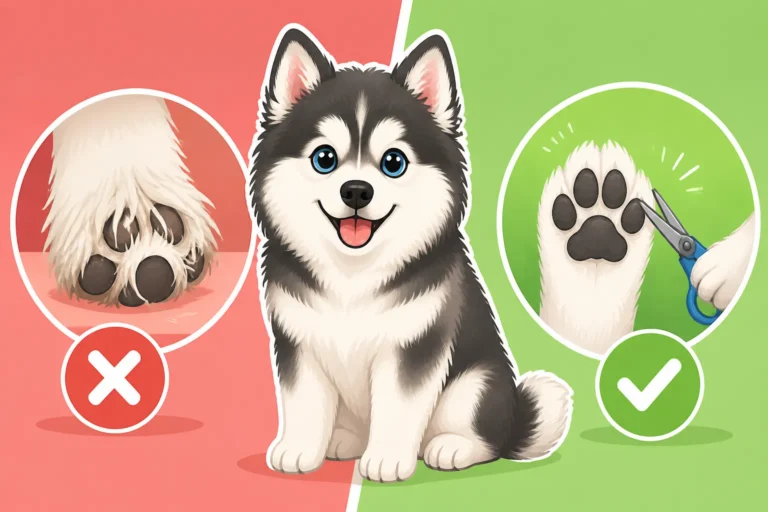
During heavy shedding, you might find yourself needing a professional deshedding session every few weeks in addition to your daily home routine. A groomer can also safely trim areas like paw pads and sanitary areas, which helps with cleanliness and prevents matting in these sensitive spots. While professional grooming adds to the overall cost of owning a Pomsky, it can save you heartache and vet bills in the long run by preventing severe skin issues. Consider it an investment in your Pomsky's well-being. What Grooming a Pomsky Costs a Year covers the financial aspects.
Nutrition and Coat Health
Believe it or not, what goes into your Pomsky's body has a direct impact on the quality of their coat. A healthy, shiny coat with strong hairs is less prone to breakage, excessive shedding, and even matting than a dry, brittle one. Ensuring your wooly Pomsky is on a high-quality diet, rich in essential fatty acids (like Omega-3 and Omega-6), vitamins, and minerals, is paramount.
Look for dog foods that list real meat as the first ingredient and avoid excessive fillers. Brands like Ollie, which offer fresh, human-grade ingredients, can sometimes make a noticeable difference in coat luster and skin health. Some Pomsky owners also opt for supplements like fish oil to boost coat health further. Always consult your vet before adding any supplements to your dog's diet. Good nutrition provides the building blocks for healthy skin and hair, making your daily and weekly grooming efforts much more effective.
| Coat Type | Daily Brushing | Weekly Brushing | Force Dryer Use | Professional Grooming | Matting Risk |
|---|---|---|---|---|---|
| Wooly Pomsky | Essential (15-30 min) | Intensive (1-2 hrs) | Highly Recommended | Essential (every 4-8 weeks) | High |
| Standard Pomsky | Recommended (5-10 min) | Moderate (30-60 min) | Recommended | Beneficial (every 8-12 weeks) | Moderate |
| Short Coated Pomsky | Optional (2-5 min) | Light (15-30 min) | Not essential | Occasional | Low |
This comparison table clearly illustrates the increased demands of a wooly coat. If you've been drawn to the majestic appearance of a wooly Pomsky, be prepared to embrace the brush. It's a commitment, but one that ensures your fluffy companion stays happy, healthy, and comfortable.
Disclaimer
This article is for general informational purposes only and does not constitute professional advice. Laws, prices and regulations vary by location and change over time. Consult a qualified professional for guidance on your specific situation.