Whether a Short Coated Pomsky Sheds Less
It's a common hope, isn't it? When you're dreaming of bringing a Pomsky into your life, and you hear about different coat types, a "short-coated" Pomsky often conjures up images of less fur around the house, fewer grooming sessions, and generally, an easier life when it comes to shedding. But the reality is a little more nuanced than that, and understanding your Pomsky's coat is key to setting realistic expectations for managing their majestic fluff.
Understanding the Different Pomsky Coat Types
Before we dive into shedding, let's talk about what a "short-coated" Pomsky actually entails. Pomskies, being a hybrid of a Siberian Husky and a Pomeranian, inherit a wide spectrum of coat characteristics from their parent breeds. This means there isn't one single "Pomsky coat," but rather a range.
The Standard Pomsky Coat
Most people envision a "standard" Pomsky coat as a miniature version of a Husky's coat. This is typically a double coat, meaning it has two distinct layers: a soft, dense undercoat that provides insulation, and a coarser, longer outer coat of guard hairs that offers protection from elements like rain, snow, and UV rays. The guard hairs are straight and lie relatively flat against the body, giving that sleek, athletic look. This is the coat type that sheds, and sheds quite a bit, especially during seasonal "blowouts." You'll find tumbleweeds of fur gathering in corners, sticking to your clothes, and generally becoming an omnipresent part of your home decor.
The Wooly Pomsky Coat and Its Upkeep
On the other end of the spectrum, you might encounter a "wooly" Pomsky. This coat type leans heavily towards the Pomeranian side, though it's often an exaggerated version, almost like a super-fluffy Husky. Wooly coats have an exceptionally thick, long undercoat, with guard hairs that are also longer and much softer than a standard coat. They often stand away from the body more, giving the dog a plush, teddy bear-like appearance. While undeniably adorable, a wooly coat generally means more shedding, not less. The sheer volume of undercoat material is greater, and these coats are highly prone to matting if not brushed diligently, sometimes daily. If you're hoping for less shedding, a wooly coat is definitely not the answer, and it requires significant dedication to grooming to keep it healthy and mat-free. You might be interested in learning more about The Three Pomsky Coat Types to get a broader perspective.
The Short or Plush Coated Pomsky
Now, let's talk about the short-coated Pomsky, sometimes referred to as a "plush" coat. This is where many owners get their hopes up for reduced shedding. A short-coated Pomsky still possesses a double coat, but both the undercoat and the guard hairs are notably shorter than the standard type. The guard hairs might be closer to an inch or two in length, rather than the three to four inches or more seen in standard or wooly coats. This coat type might appear denser, or perhaps smoother, to the touch. The key distinction, and often the misunderstanding, is that while the length of the hair is shorter, the density of the undercoat can still be quite significant. It's not a single coat, nor is it a miracle shedding cure. It's simply a variation on the double coat theme, influenced by the genetics inherited from both parent breeds.
Why "Short" Doesn't Automatically Mean "Less Shedding"
It’s easy to assume that less hair length equals less hair shedding. Logically, it seems to make sense! But with a double-coated breed like the Pomsky, the mechanics of shedding are a bit more complex, and a shorter coat doesn't necessarily get you off the hook for dog hair.
The Role of the Undercoat in Shedding
The primary culprit for shedding in double-coated breeds is the undercoat. This soft, downy layer is what insulates your Pomsky, keeping them warm in winter and helping to regulate their body temperature in warmer weather. When the seasons change, or sometimes due to hormonal shifts, this undercoat needs to be replaced. This process is known as "blowing coat."
A short-coated Pomsky, despite having shorter guard hairs, still has this crucial undercoat. The density of that undercoat can vary, but it's typically still quite robust. Think of it this way: you might have a short haircut, but you still shed hair. The individual hairs are just shorter. The same principle applies to your Pomsky. The shorter guard hairs don't somehow magically reduce the amount of undercoat that needs to be shed or prevent the natural cycle of hair growth and loss. That undercoat will still detach and need to be removed to prevent matting and keep your dog comfortable. The sheer volume of hair that comes off can still be surprising, even from a shorter coat.
Seasonal Blowouts Remain a Reality
Regardless of whether your Pomsky has a standard, wooly, or short coat, they are almost certainly going to experience seasonal blowouts. This usually happens twice a year: once in the spring to shed their thick winter coat and prepare for warmer weather, and again in the fall to grow in their denser winter insulation. During these periods, the amount of hair coming off your Pomsky can be truly staggering.
A short-coated Pomsky will still go through these intense shedding cycles. While the individual hairs might be shorter and perhaps less noticeable on furniture or clothing at first glance, the volume of hair being shed remains substantial. You might not have the long, flowing strands, but you'll still have plenty of shorter, dense hairs that can weave themselves into carpets and upholstery just as effectively. It’s important to acknowledge Whether a Pomsky Blows Its Coat Twice a Year so you're mentally prepared.
The Illusion of Less Hair
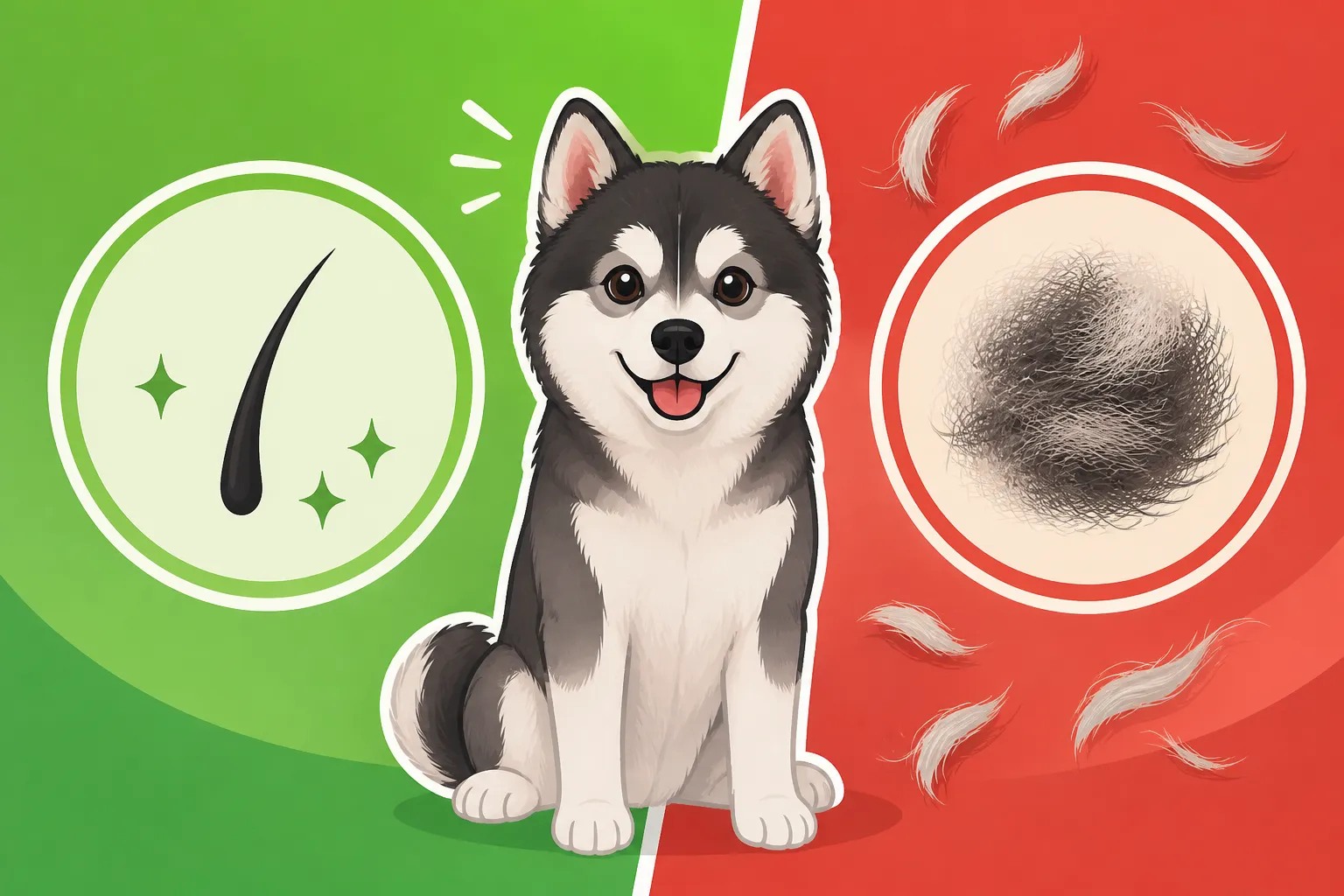
Sometimes, the perception that a short-coated Pomsky sheds less is an illusion. Shorter hairs are simply less visually impactful. A long hair from a standard coat draped across a dark sofa is quite obvious. A shorter hair, while equally present, might blend in more or be swept away more easily by a quick vacuum. However, the actual mass of hair shed might be comparable.
Imagine if you had a bucket of long spaghetti and a bucket of short macaroni. If you empty both, you still have a bucket's worth of pasta, even if one is composed of shorter pieces. The same goes for your Pomsky's coat. The amount of keratin (the protein in hair) your dog produces and sheds over a year is determined by genetics and physiological processes, not just the length of their outer coat. So, while you might perceive less hair because it's less conspicuous, you'll still be engaged in plenty of grooming and cleaning to manage it. Don't be fooled by the visual aspect alone; your short-coated Pomsky is still a shedder.
Managing Shedding in a Short-Coated Pomsky
Okay, so we've established that a short coat doesn't equal a non-shedding Pomsky. But that doesn't mean you're doomed to a house covered in fur! Effective management is entirely possible, and it often comes down to consistency and using the right tools. Even with a short coat, grooming is an essential part of Pomsky care.
Consistent Grooming is Key
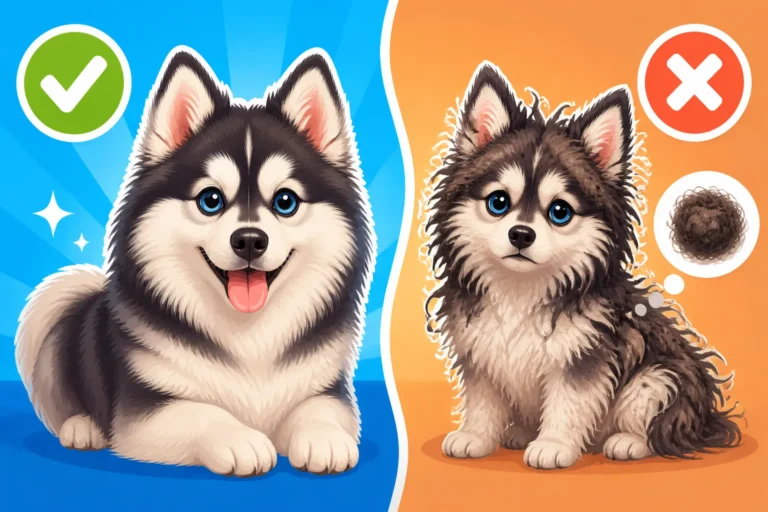
The absolute best defense against excessive shedding (and the resulting hair-covered home) is a consistent grooming routine. This means regular brushing, even for a short-coated Pomsky. Don't wait until you see clumps of hair floating around; make it a proactive measure.
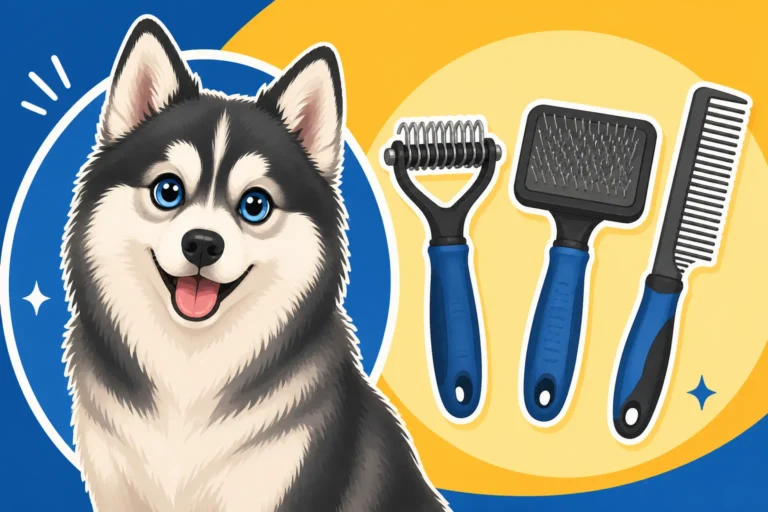
For a short-coated Pomsky, an undercoat rake is your best friend. These tools are specifically designed to reach down through the guard hairs and gently pull out loose undercoat without damaging the healthy topcoat. Use it frequently, especially during those seasonal blowouts. A good quality slicker brush can also help to smooth the coat and remove loose surface hairs. You can find a fantastic array of these tools on platforms like Amazon, making it easy to stock up on the essentials from the comfort of your home. Brushing several times a week, or even daily during peak shedding, will dramatically reduce the amount of hair that ends up on your floors and furniture. Many Pomsky owners swear by a particular The Undercoat Rake a Pomsky Owner Lives With.
Bathing and Drying Techniques
Beyond brushing, regular bathing plays a crucial role in managing shedding. A good bath helps to loosen dead hair, and the drying process can then remove it more effectively. However, simply getting your Pomsky wet isn't enough; proper drying is equally important.
When you bathe your short-coated Pomsky, use a good deshedding shampoo and conditioner formulated for double coats. After rinsing thoroughly, the real magic happens during the drying phase. A high-velocity force dryer is an invaluable tool for any double-coated breed, regardless of coat length. This isn't just a regular hairdryer; it's designed to blast air at a high speed, literally blowing the loose undercoat right out of the coat. This process is much more effective than towel drying alone and significantly reduces the amount of hair that will shed indoors later. Many professional groomers use these, and you can invest in one for home use if you're committed to keeping shedding at bay. It makes a huge difference, particularly when dealing with the dense undercoat of a Pomsky. It's worth considering Whether a Force Dryer Is Essential for a Pomsky.
Diet and Overall Health
While grooming tackles the hair that's already loose, a healthy diet and overall good health contribute to the quality and vitality of your Pomsky's coat from the inside out. A dog with a healthy coat tends to shed healthy hair, which can sometimes mean less breakage or excessive shedding due to poor hair quality.
Ensure your Pomsky is on a high-quality, balanced diet that provides all the necessary nutrients, including essential fatty acids like Omega-3 and Omega-6. These fatty acids are crucial for skin and coat health, often leading to a shinier, stronger coat and potentially reducing excessive shedding not related to seasonal cycles. Some owners opt for fresh food diets from companies like Ollie, which often boast high-quality ingredients known to support coat health. If you're feeding kibble, look for reputable brands available at places like Chewy that prioritize real meat ingredients and include beneficial supplements for skin and coat. Always consult with your veterinarian to ensure your dog's diet is appropriate for their specific needs and health status. Remember, a healthy dog is often a less-shedding dog (within the bounds of their genetics, of course!).
Setting Realistic Expectations
Even with the most diligent grooming routine and the best diet, it’s vital to maintain realistic expectations about living with a Pomsky, regardless of their coat length. These are dogs with double coats, and double coats shed. Period.
No Truly "Non-Shedding" Pomsky
Let's be unequivocally clear: there is no such thing as a non-shedding Pomsky. While some designer breeds are marketed as "hypoallergenic" due to their low-shedding single coats, the Pomsky is not one of them. Both parent breeds, the Siberian Husky and the Pomeranian, are notorious for shedding, and their offspring will inherit this trait to varying degrees. A short-coated Pomsky will still shed throughout the year, and will still experience seasonal "blowouts" where the volume of hair loss increases dramatically. Anyone hoping for a truly hair-free home with a Pomsky, regardless of coat length, will likely be disappointed. It’s a common misconception, so it’s good to address Whether a Pomsky Is Hypoallergenic directly.
Understanding this from the outset helps you prepare. It means investing in good grooming tools, perhaps a quality vacuum cleaner designed for pet hair, and getting into a routine that minimizes the impact of shedding on your living space.
Dealing with Hair in the Home
Since shedding is a given, developing strategies to manage hair in your home is part of being a Pomsky parent. For short-coated Pomskies, the hairs might be less conspicuous, but they can still be abundant.
- Regular Vacuuming: A high-quality vacuum with strong suction and pet-specific attachments is your best friend. Regular vacuuming, even daily during shedding seasons, will keep hair accumulation under control.
- Lint Rollers: Keep lint rollers handy for your clothes, furniture, and car seats. You'll use them more than you think!
- Pet-Friendly Furniture: Consider furniture materials and colors that are less prone to attracting or highlighting pet hair. Leather or tightly woven fabrics can be easier to clean than plush velvet, for example.
- Designated Dog Zones: If possible, consider having specific areas for your Pomsky to relax that are easier to clean, like a dog bed with a washable cover.
- Air Purifiers: While they won't stop the shedding, air purifiers can help capture airborne dander and hair, improving air quality, especially for those with mild allergies.
Even with a short-coated Pomsky, embracing the fact that dog hair will be a part of your life is the healthiest approach. It’s part of the charm of owning a fluffy companion!
The Trade-offs of a Shorter Coat
While a short-coated Pomsky may not shed less hair in terms of total volume, there are some trade-offs and potential benefits that might make this coat type appealing to some owners.
- Less Matting: Shorter coats are generally less prone to severe matting compared to long, wooly coats. This means less time spent detangling knots, which can be a relief for both you and your dog.
- Easier to Clean: Mud, burrs, and other debris tend to get less embedded in shorter coats, making cleanup after outdoor adventures a bit quicker. A quick brush or wipe-down might be all that's needed.
- Faster Drying Time: After a bath or a swim, a shorter coat will naturally dry much faster than a long, dense one. This can be a huge time-saver and also reduces the risk of skin issues that can arise from a damp undercoat.
- Less "Big Fur Balls": While still shedding, the shorter hairs might not form the large, rolling "tumbleweeds" that are characteristic of longer-coated dogs. Instead, you might see a finer dusting of hair, which could be perceived as easier to manage for some.
So, while the idea that a short-coated Pomsky sheds less is mostly a myth, the truth is that managing their shedding can sometimes feel easier due to these practical advantages. It's about understanding the specific challenges and benefits that each coat type presents, and being prepared to provide the right care to keep your Pomsky happy, healthy, and looking their best. Ultimately, every Pomsky, regardless of coat length, will be a beloved shedding companion.
Disclaimer
This article is for general informational purposes only and does not constitute professional advice. Laws, prices and regulations vary by location and change over time. Consult a qualified professional for guidance on your specific situation.