Where a Pomsky Mats First
One of the most frustrating battles a Pomsky owner faces, especially those new to double-coated breeds, is the insidious creep of mats. These aren't just tangles; they're dense, painful clumps of fur that can quickly pull on your dog's skin, leading to discomfort, skin infections, and even serious health issues. This guide will dive deep into where Pomskies are most prone to matting, help you understand the why behind it, and equip you with the knowledge to tackle these furry foes head-on.
Understanding Your Pomsky's Unique Coat and Its Matting Tendencies
The Pomsky's stunning coat is a big part of its appeal, but it's also the root cause of many grooming challenges, especially when it comes to matting. This isn't just a simple layer of fur; it's a sophisticated double coat inherited from both the Siberian Husky and the Pomeranian, designed to protect them in various climates. Understanding its structure is the first step to preventing those dreaded mats.
The Double Coat: A Blessing and a Curse
Your Pomsky possesses what's known as a double coat, meaning it has two distinct layers of fur. The outer layer consists of longer, coarser "guard hairs." These are designed to be water-resistant, protect against sun, and repel dirt. Beneath this protective layer lies the "undercoat"—a dense, soft, downy insulation layer that keeps them warm in winter and surprisingly helps regulate their temperature in summer. It’s this undercoat, when neglected, that causes the most trouble.
The density and texture of the undercoat can vary significantly in Pomskies, depending on which parent breed's traits are more dominant. Some might have a softer, fluffier undercoat more akin to a Pomeranian, while others might have the incredibly thick, woolly undercoat of a Husky. This variation in texture within the same dog, or even between littermates, makes their grooming needs quite complex. When these loose undercoat hairs aren't brushed out regularly, they get caught in the surrounding fur, tangle together, and start to form tight, felt-like clumps close to the skin. Think of it like a giant hairball forming on your dog's body. The Pomsky That Carries a Husky Coat at Twenty Pounds perfectly describes the challenge of managing such a coat on a smaller frame.
How Different Coat Types Influence Matting
Not all Pomsky coats are created equal, and some types are inherently more prone to matting than others. You might hear terms like "standard," "plush," or "wooly" to describe a Pomsky's coat. A "standard" coat tends to have a good balance of guard hairs and undercoat, making it somewhat easier to manage if brushed regularly. However, the "wooly" or "plush" coated Pomsky, which boasts an exceptionally thick, long, and soft undercoat, is a matting magnet.
With a wooly coat, the undercoat grows longer and denser, making it more likely to intertwine and trap shedding hairs. Owners of wooly Pomskies often find themselves in a constant battle against mats, needing to dedicate significant time daily to brushing. Even a slight drizzle or a roll in the grass can initiate matting if the coat isn't properly maintained. It’s critical to identify your Pomsky’s coat type early on, as it will dictate the frequency and intensity of your grooming routine. Whether a Wooly Pomsky Mats goes into more detail about these specific challenges.
The Most Common Matting Hotspots on Your Pomsky
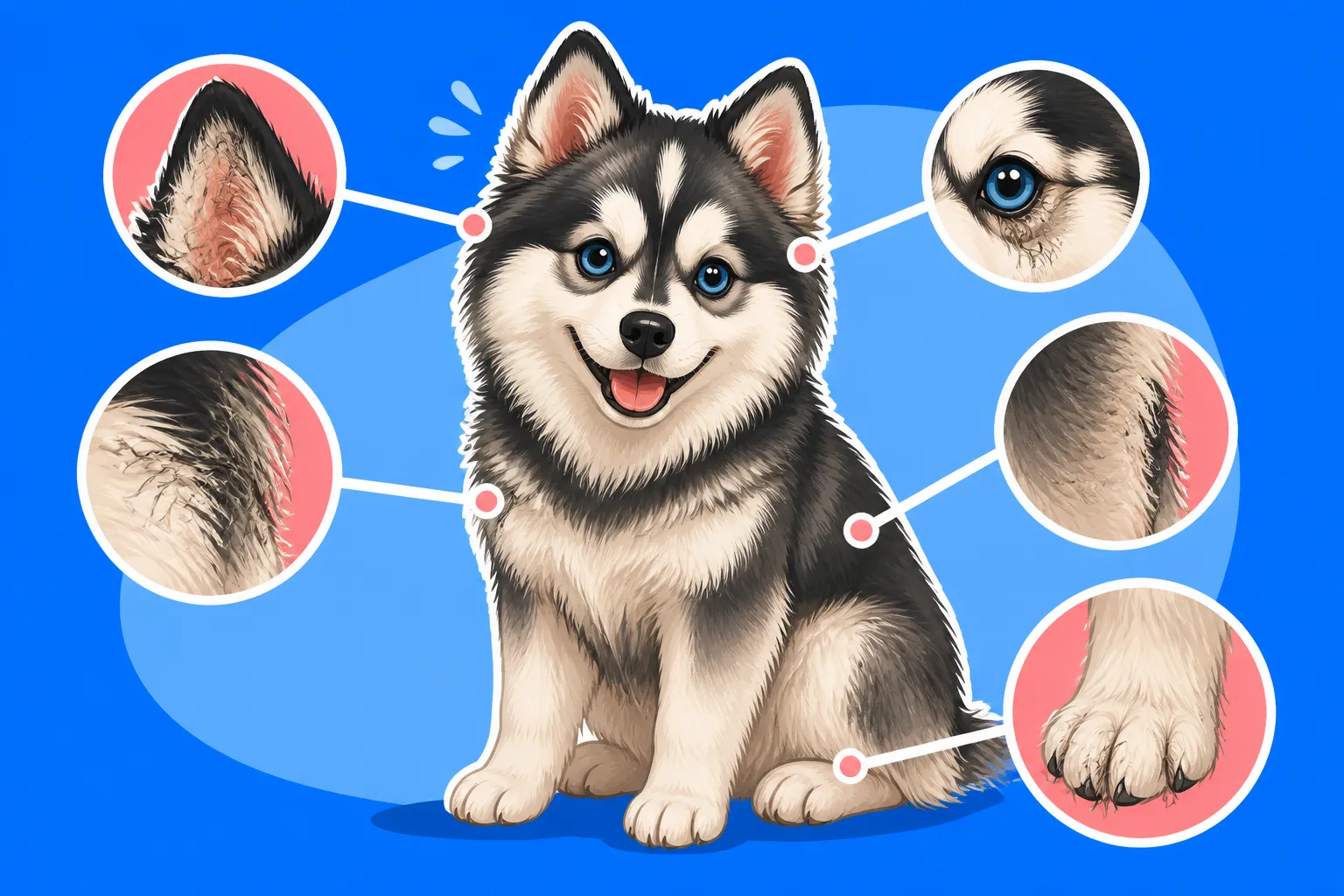
Mats don't just appear randomly; there are specific areas on a Pomsky's body where they are far more likely to develop. These "hotspots" are typically areas of friction, places where fur is finer or longer, or regions that are often overlooked during routine brushing. Understanding these vulnerable spots is crucial for a targeted grooming approach.
Areas of High Friction and Movement
One of the primary culprits for matting is friction. Any part of your Pomsky's body that experiences constant rubbing or movement is a prime candidate for mat development. This includes:
- Behind the Ears: This is probably the number one hotspot for many Pomskies. The fur here is often finer, and the constant movement of their head, scratching, or even just wearing a collar can create friction that quickly leads to small, tight mats. These mats are particularly insidious because they can hide under the longer guard hairs, growing larger and more painful before you even notice them. It’s an area that needs daily attention.
- Armpits and Groin: These areas rub against the body and legs with every step your dog takes. The skin here is delicate, and the fur can be quite soft and prone to tangling. When your Pomsky walks, runs, or stretches, the fur constantly compresses and rubs, especially during exercise or if they lie down for long periods. If your Pomsky enjoys wrestling with other dogs or playing vigorously, these spots are even more susceptible.
- Collar Area and Harness Zones: While essential for walks, collars and harnesses can be significant contributors to matting. A collar that's too tight or too loose can rub against the neck fur, especially with a double coat. Similarly, a harness, particularly one that isn't fitted correctly or is left on for extended periods, can create friction and compress the fur around the chest, shoulders, and belly. If you're using a harness, make sure it's removed when not on walks and check the fur underneath regularly. Why a Pomsky Should Wear a Harness is important, but be mindful of the potential grooming impact.
Areas with Fine or Longer Fur
Certain parts of your Pomsky have naturally longer or finer fur, which is more prone to tangling and matting.
- Feathering on Legs and Tail: Many Pomskies have longer "feathering" on the backs of their legs and a gloriously plumed tail. While beautiful, this longer fur can easily catch debris, get wet, and tangle. When your Pomsky runs through tall grass or even just walks in the rain, this fur can become a matted mess if not brushed out promptly. The tail, in particular, often gets overlooked because it's always wagging or curled over their back, but it can hide serious matting.
- Behind the Hock Joints: This area on the back of the rear legs, just above the "ankle," is another tricky spot. The fur here is often longer and fine, and it’s a high-movement area, especially if your Pomsky loves to jump or run. Mats here can be particularly restrictive and painful, affecting their ability to move comfortably.
Overlooked and Hard-to-Reach Spots
Sometimes, mats form simply because we miss a spot during brushing, or because the area is difficult to access.
- Paws and Between Toes: While not usually large mats, the fur between your Pomsky’s paw pads can get packed with dirt, debris, and even ice in winter. This can form painful clumps, affecting their gait. Regular trimming of this fur is often recommended to prevent issues.
- Belly and Under the Chin: For dogs who love to lie on their backs or roll around, the fur on their belly and under their chin can flatten and tangle. These areas might also have softer, finer fur that mats easily. Getting your Pomsky comfortable with being brushed on their back is key for addressing these spots.
Below is a table summarizing the common matting hotspots and why they are vulnerable:
| Hotspot Area | Reason for Matting | Grooming Strategy |
|---|---|---|
| Behind the Ears | Fine fur, high head movement, scratching, collar friction | Daily gentle brushing, finger-check often, use a fine comb. |
| Armpits & Groin | High friction from leg movement, delicate skin, soft fur | Thorough brushing after walks/play, check for small knots. |
| Collar/Harness Areas | Constant rubbing/compression of fur | Remove collar/harness when not needed, brush area daily. |
| Feathering (Legs/Tail) | Longer fur, catches debris, gets wet, high movement | Comb through regularly, especially after outdoor activities. |
| Behind Hock Joints | Longer, fine fur, high movement of hind legs | Be diligent with brushing during full body groom, check for knots. |
| Paws/Between Toes | Traps dirt/debris, moisture, sometimes overlooked | Trim fur between pads, wipe paws after walks. |
| Belly & Under Chin | Compression from lying down, softer fur, often missed | Ensure your Pomsky is comfortable being brushed on their back. |
Preventative Measures and a Robust Grooming Routine
Preventing mats is always easier than removing them. A consistent, thorough grooming routine is your best defense. This isn't just about aesthetics; it's about your Pomsky's comfort and health. Ignoring mats can lead to severe pain, skin infections, and even restrict movement.
Daily Brushing: Your First Line of Defense
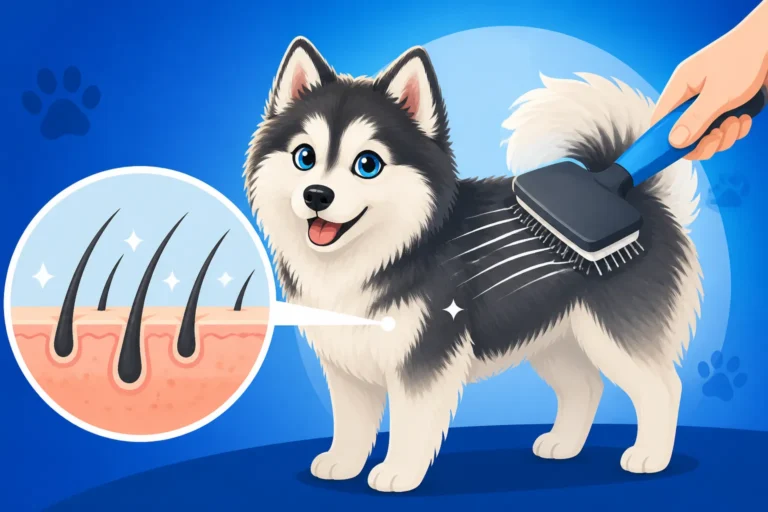
For a Pomsky, especially one with a denser or wooly coat, daily brushing isn't an option; it's a necessity. This doesn't mean a quick run-over with a brush. It means a dedicated session where you systematically brush through all layers of their coat, from the skin out.
- Use the Right Tools: You'll need a few key tools. A good quality undercoat rake is invaluable for getting deep into that dense undercoat and pulling out loose hair before it can mat. Follow this with a slicker brush, which helps to untangle surface knots and smooth the guard hairs. Finally, a metal greyhound comb with both fine and wide teeth is essential for checking for any missed tangles, especially in those hotspot areas. You can find excellent quality grooming tools on Chewy or Amazon that will make this process much easier. The Undercoat Rake a Pomsky Owner Lives With truly is a lifesaver.
- Line Brushing Technique: This is the most effective way to prevent mats. You part your Pomsky's fur against the grain, exposing a section of skin. Then, you brush down through that section, working your way through small sections of fur at a time. This ensures you're reaching all the way to the skin and removing loose undercoat. Work your way across their body, layer by layer, starting from the legs and moving up.
- Focus on Hotspots: While doing your full body brush, pay extra attention to the ears, armpits, groin, and tail. Use your fingers to feel for any small knots or clumps, then gently work them out with your comb. Catching them when they're small is key.
Regular Bathing and Drying
Bathing a Pomsky needs to be done correctly to avoid causing more mats. Water can tighten existing tangles, making them harder to remove.
- Pre-Bath Brush: Always thoroughly brush your Pomsky before a bath. Make sure there are no existing mats, or they will become ten times worse once wet.
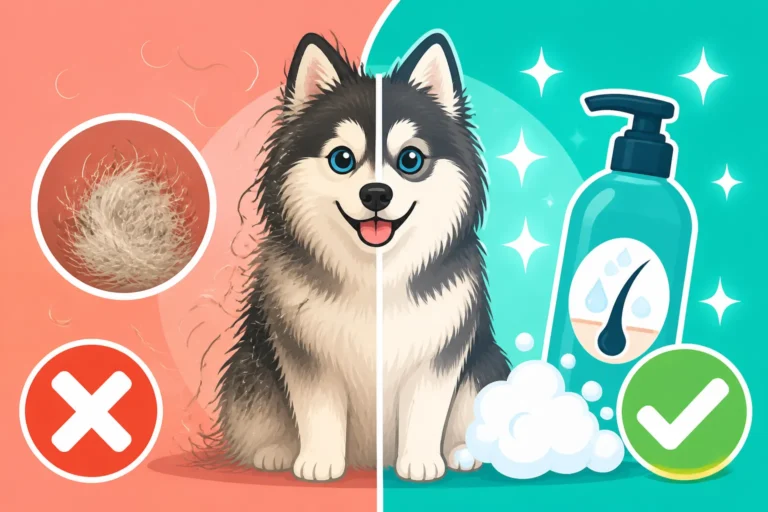
- Use Quality Products: Invest in a good deshedding shampoo and conditioner designed for double coats. These can help loosen dead undercoat. Whether a Deshedding Shampoo Helps a Pomsky highlights their benefits.
- Thorough Drying is Critical: This is perhaps the most important part. A damp undercoat, especially on a thick-coated Pomsky, is a recipe for matting and skin irritation. Use a high-velocity force dryer (you can find affordable yet powerful ones on Amazon) to blow out the undercoat as you brush. This not only dries them quickly but also helps to push out any remaining loose fur. Ensure your Pomsky is completely dry to the skin before you consider the job done. Never let a double-coated dog air dry completely, especially after a deshedding bath.
Other Preventative Measures
- Professional Grooming: Even with diligent home care, many Pomsky owners benefit from professional grooming every 6-8 weeks, especially during their seasonal "blowouts" when they shed heavily. Pros have specialized tools and techniques to handle dense undercoats.
- Diet and Supplements: A healthy diet rich in omega fatty acids can contribute to healthy skin and coat, making it less prone to dryness and breakage, which can sometimes exacerbate matting. While not a direct matting prevention, good nutrition is fundamental to overall coat health.
- Appropriate Gear: Ensure collars and harnesses fit properly and are removed when not in use. Consider wider, softer flat collars if your Pomsky is prone to matting around the neck.
- Address Shedding: Pomskies "blow their coat" twice a year, meaning they shed their entire undercoat over several weeks. During these times, daily or even twice-daily brushing is essential to prevent massive mats from forming. Whether a Pomsky Blows Its Coat Twice a Year explains this phenomenon.
Dealing with Existing Mats: Gentle Removal and When to Seek Help
Despite your best efforts, sometimes mats happen. A sudden muddy adventure, a missed brushing session, or a particularly intense shedding period can lead to tangles. Knowing how to handle them safely is crucial.
Gentle At-Home Mat Removal
For small, loose mats, you might be able to remove them at home with patience and the right tools.
- Gather Your Tools: You’ll need a metal comb, a slicker brush, a mat splitter (a tool with small blades designed to cut through mats without cutting skin), and a good detangling spray or cornstarch.
- Isolate the Mat: Gently separate the matted area from the surrounding fur. You want to work on one mat at a time to avoid pulling on healthy hair.
- Apply Detangling Aid: Spray a liberal amount of detangling spray directly onto the mat, or sprinkle some cornstarch. The cornstarch helps absorb oils and provides some slip, making the mat easier to pull apart.
- Work from the Outside In: Never try to pull a comb straight through a mat. Start by gently teasing apart the edges of the mat with your fingers or the wide teeth of your comb. Once you've loosened the outer edges, you can use the mat splitter to carefully slice through the mat, always ensuring you're pulling away from the skin. Be incredibly gentle; pulling too hard is painful and can damage the skin.
- Small Sections at a Time: Work through the mat in small sections, gradually loosening it. If you encounter a particularly stubborn section, you might need to use the mat splitter again. Once the mat is broken up, use your slicker brush and then your comb to ensure all tangles are removed.
- Praise and Treats: Keep the experience positive for your Pomsky with plenty of praise and treats. Mat removal can be uncomfortable, so make it as pleasant as possible. If your Pomsky shows signs of extreme discomfort or aggression, stop immediately.
When to Seek Professional Assistance
There are times when at-home mat removal isn't safe or feasible, and that's perfectly okay. Don't feel guilty about seeking professional help.
- Large or Tight Mats: If a mat is large, very dense, or extremely close to the skin, attempting to remove it yourself can be dangerous. You risk cutting your dog's skin, which is often thin and delicate beneath a tight mat. Professional groomers have specialized tools, techniques, and experience to handle severe matting safely.
- Multiple Mats: If your Pomsky has several mats, or if they are spread across different areas, the process can be too time-consuming and painful to do at home. A groomer can often tackle these more efficiently and humanely.
- Skin Irritation or Infection: Mats cut off air circulation to the skin, creating a moist, warm environment perfect for bacterial or yeast infections. If you notice redness, sores, odor, or discharge under a mat, do not try to remove it yourself. This requires veterinary attention, as the mat might need to be shaved off under sedation.
- Uncooperative Dog: Some dogs simply won't tolerate mat removal, no matter how gentle you are. Forcing them can create a negative association with grooming, making future sessions even harder. A professional groomer might be able to work with them more effectively, or a vet might be needed for sedation if the matting is severe.
Remember, a professional groomer's priority is your dog's safety and comfort. They may recommend shaving down a severely matted dog. While this can be a shock to owners who love their Pomsky's fluffy coat, it’s often the kindest and safest option for the dog. Whether Shaving a Pomsky Ruins the Coat Forever explains why a shave-down is sometimes necessary and what to expect. It's a fresh start for both you and your Pomsky to implement a new, proactive grooming routine.
Disclaimer
This article is for general informational purposes only and does not constitute professional advice. Laws, prices and regulations vary by location and change over time. Consult a qualified professional for guidance on your specific situation.