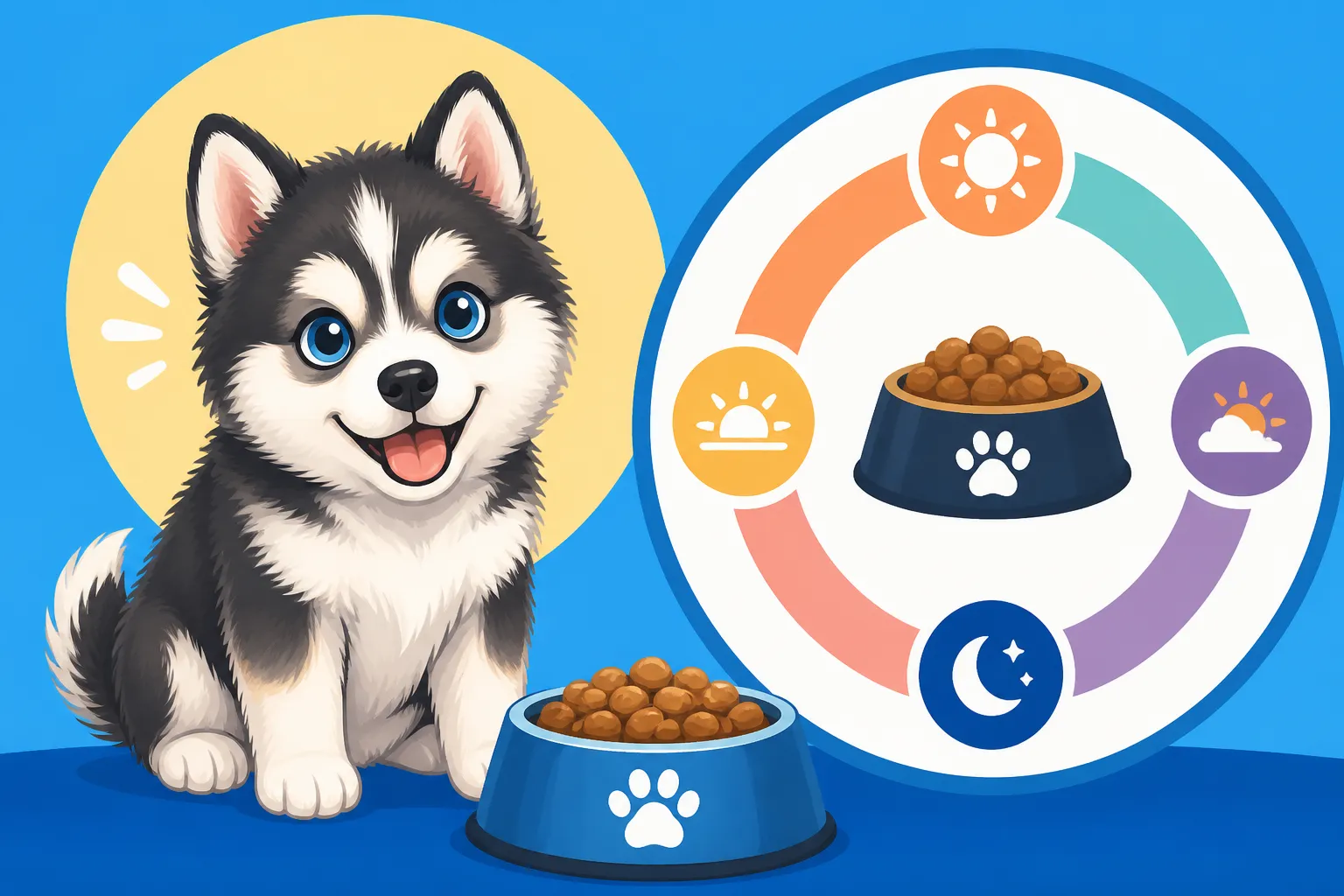
The Meal Schedule a Pomsky Puppy Needs
Bringing home a fluffy, energetic Pomsky puppy is an incredibly exciting time, but let's be real – it can also be a little overwhelming when you're trying to figure out all the logistics, especially something as fundamental as their meal schedule. You want to give your little furball the best start, and getting their feeding routine right is a huge part of that. This guide is here to walk you through the essential meal schedules for your growing Pomsky puppy, helping you understand not just what to feed them, but when and why it makes such a difference.
Why a Consistent Meal Schedule Matters for Your Pomsky Puppy
It's tempting to think that puppies will just eat when they're hungry, and while that's true to an extent, a structured meal schedule does so much more than just fill their bellies. For a Pomsky puppy, whose lineage includes the intelligent but often stubborn Husky and the sometimes finicky Pomeranian, predictability is a cornerstone of good health and good behavior.
Establishing Routine and Security
Think about it from your puppy's perspective: a new home, new sounds, new smells, and a whole new family. Everything is different! A consistent feeding schedule provides a vital anchor in their new world. Knowing when to expect their meals helps them feel secure and understand the rhythm of their day. This predictability can significantly reduce anxiety, especially in those first few weeks when they're adjusting. It also helps immensely with house training, as what goes in must eventually come out, and on a schedule, it's far easier to anticipate those potty breaks. If you feed them at the same times each day, you'll learn their potty schedule quickly, which means fewer accidents on your rug and a happier, more confident puppy.
For a breed that can sometimes have a bit of an independent streak, like our Pomskies, routine isn't just about good manners; it's about building trust and understanding. When your puppy knows they can rely on you for their basic needs at predictable times, it strengthens your bond and makes them more receptive to training in other areas. It's like a silent promise you make to them multiple times a day: "I've got you, little one."
Digestive Health and Energy Levels
Puppies, especially small to medium-sized breeds like Pomskies, have tiny tummies and incredibly fast metabolisms. This means they need frequent, smaller meals to keep their blood sugar stable and provide a constant supply of energy for all that growing and playing. Irregular feeding can lead to dips in blood sugar, which might manifest as lethargy or even a "crash," particularly in very young or smaller puppies. You might wonder Whether a Pomsky Puppy Crashes on Blood Sugar, and the truth is, while not every puppy will have a dramatic crash, consistent feeding is crucial for preventing low blood sugar, especially in toy or smaller breeds.
Beyond just energy, a steady meal schedule promotes better digestion. Their digestive systems are still developing, and being inundated with a huge meal, or going too long between meals, can upset their delicate balance. Regular, measured meals help their bodies efficiently process nutrients, leading to healthier growth, better stool quality, and fewer tummy troubles. This consistency is also important for helping them maintain an appropriate weight as they grow.
The Age-Based Meal Schedule Breakdown
The golden rule of puppy feeding is that very young puppies need to eat more frequently. As they grow and their bodies mature, the frequency of meals can gradually decrease. It's a journey, not a sprint, and paying attention to their individual needs is key.
From Eight Weeks to Four Months: The Tiny Tummies
This is typically when you welcome your Pomsky puppy home, and it's a period of rapid growth and high energy demands. Their little stomachs can't hold much, but their bodies need a constant influx of nutrients. During this stage, your Pomsky puppy will thrive on three to four meals per day.
For instance, if your puppy is getting four meals, you might aim for breakfast around 7 AM, lunch around 12 PM, dinner around 5 PM, and a smaller fourth meal or snack right before bed, say 9 PM. If three meals suit your schedule better, try 7 AM, 1 PM, and 7 PM. The goal is to spread out their daily caloric intake to keep their energy levels steady and prevent an empty stomach for too long. Small, regular portions are key. If you're using kibble, measure it precisely according to the recommendations on your puppy food bag, divided by the number of meals. This ensures they're getting enough without overeating at any single sitting.
Four to Six Months: Transitioning to Fewer Meals
As your Pomsky puppy approaches four to six months, you'll start to notice they might be able to go a little longer between meals without getting ravenously hungry or exhibiting a dip in energy. This is a good time to begin gradually reducing their meal frequency from four meals a day to three meals a day, if you haven't already.
The transition should be smooth. Instead of cutting out a meal entirely, you might slightly increase the portion size of the remaining meals, ensuring their total daily intake remains consistent with their growth needs. For example, if you were doing four meals, you'd slowly combine the nutrients from one of those into the other three. Keep an eye on their weight and energy levels during this time. Are they still growing well? Do they seem satisfied after eating? This period often sees another growth spurt, so while meal frequency might decrease, the total amount of food might actually increase slightly. Regular vet check-ups will help confirm they're growing appropriately.
Six Months to One Year: Approaching Adulthood
By the time your Pomsky puppy is around six months old, many breeders and vets recommend transitioning them to two meals per day. This schedule is generally maintained throughout their adult life. At this age, their digestive systems are more mature, and their growth rate, while still present, has begun to slow slightly compared to the intense puppy phase.
You might give them a hearty breakfast and a good dinner, perhaps around 8 AM and 6 PM. The key here is consistency. These two meals should be nutritionally complete and appropriately portioned for their size and activity level. As your Pomsky approaches their first birthday, they'll be reaching their adult size and muscle mass. This is also when many owners consider switching from puppy food to adult dog food. The question of When a Pomsky Moves to Adult Food isn't a strict calendar date, but rather a discussion with your vet based on their growth plate closure and overall development. For many Pomskies, who mature relatively quickly, the transition can begin around 10-12 months, but always follow your vet's guidance.
| Age Range | Recommended Meal Frequency | Example Schedule (Adjust as needed) | Key Considerations |
|---|---|---|---|
| 8 Weeks – 4 Months | 3-4 meals per day | 7 AM, 12 PM, 5 PM, 9 PM (optional) | Small stomach, fast metabolism, stable blood sugar |
| 4 Months – 6 Months | 3 meals per day | 7 AM, 1 PM, 7 PM | Gradual transition, monitor growth and energy |
| 6 Months – 1 Year | 2 meals per day | 8 AM, 6 PM | Approaching maturity, larger meals, vet consult for adult food |
| 1 Year + (Adult) | 2 meals per day | 8 AM, 6 PM | Standard adult schedule, consistent portions |
What to Feed and How Much
Beyond the timing, what you put in their bowl and the quantity are equally important for a healthy, thriving Pomsky. Their unique blend of Husky and Pomeranian traits means they can have some particular nutritional needs and eating habits.
Choosing the Right Puppy Food
Navigating the world of puppy food can feel like a minefield. You'll see terms like "small breed formula," "large breed formula," and "all life stages." For your Pomsky, it's generally best to look for a high-quality puppy food specifically formulated for small to medium breeds, or an "all life stages" formula that meets the AAFCO nutrient profiles for growth. Whether a Pomsky Needs Small Breed Kibble is a valid question, and often, these formulas offer appropriately sized kibble, which can be easier for smaller mouths to chew, and a nutrient balance geared towards their growth rate.
Look for foods where meat is the first ingredient, and avoid those with excessive fillers, artificial colors, or by-products. Brands available through retailers like Chewy or Amazon often have detailed ingredient lists and customer reviews that can help you make an informed choice. Some owners also explore fresh food options like Ollie, but always consult with your veterinarian before making significant dietary changes, especially for a growing puppy, to ensure complete and balanced nutrition. Your vet can provide specific recommendations based on your individual puppy's health and any sensitivities.
Portions and Monitoring Growth
This is where it gets tricky because every Pomsky is unique. The recommended feeding guidelines on your chosen puppy food bag are a starting point, not a strict rule. They'll usually give you a range based on your puppy's current weight. You'll take that daily recommended amount and divide it by the number of meals you're feeding. For instance, if the bag suggests 1 cup per day for a puppy of your Pomsky's weight, and you're feeding three times a day, each meal would be about 1/3 cup.
However, you must adjust this based on your puppy's individual growth and body condition. You want to feel their ribs easily, but not see them prominently. They should have a visible waistline when viewed from above. Overfeeding can lead to obesity and put stress on developing joints, while underfeeding can stunt growth. Monitor their weight regularly and consult your vet if you have concerns. It's also worth noting that Pomskies can inherit the Husky tendency to be a bit "light eaters" or to self-regulate, sometimes eating less than expected, as covered in How Much an Adult Pomsky Eats Daily and How Much a Pomsky Puppy Eats at Four Months. Don't force them to eat if they seem satisfied, but do keep an eye on their overall intake. Free-feeding, where food is left out all day, is generally not recommended for Pomskies as it can make house training harder, lead to overeating, or allow for picky eating habits to develop.
Common Feeding Challenges and Solutions for Pomsky Puppies
Even with the best intentions and a perfectly planned schedule, you might encounter a few bumps in the road. Pomskies, with their unique blend of personalities, can throw you a curveball or two when it comes to mealtime.
The Finicky Pomsky Eater
It's a common lament among Pomsky owners: "My puppy just isn't that interested in food!" This often stems from their Husky heritage. Huskies are known for being notoriously finicky eaters, sometimes skipping meals entirely, and this trait can definitely pass on to a Pomsky. It can be incredibly frustrating when you've invested in high-quality food and your puppy just turns their nose up at it. You might find yourself asking Whether a Pomsky Is a Fussy Eater.
If your Pomsky puppy skips a meal, don't panic immediately. Offer the food for about 15-20 minutes, then pick it up until the next scheduled mealtime. This teaches them that food is available at certain times, not on demand. Avoid adding too many enticing toppers or human food to make them eat, as this can reinforce pickiness. If they consistently skip multiple meals, are losing weight, or seem lethargic, a vet visit is absolutely warranted to rule out any underlying health issues. Sometimes, simply rotating between a couple of different high-quality kibble flavors (if your vet approves and your puppy tolerates it well) can keep things interesting.
Fast Eaters and Bloat Concerns
On the flip side, some Pomskies can be voracious eaters, inhaling their food in mere seconds. While not as prone to bloat (gastric dilatation-volvulus) as deep-chested large breeds, eating too fast can still lead to digestive upset, gas, and even regurgitation. Plus, for a puppy, the joy of eating should be savored, not gulped down! The concern of Whether a Pomsky Eats Too Fast is a legitimate one for owners.
If your Pomsky puppy is a speedy eater, a slow feeder bowl can be a real game-changer. These bowls have raised ridges or obstacles that force your puppy to eat around them, slowing down their intake significantly. You can find many effective and affordable options on Amazon or Chewy. Another strategy is to divide their meal into even smaller portions and offer them a few minutes apart, or to scatter their kibble on a clean floor or in a snuffle mat, turning mealtime into a fun enrichment activity. This not only slows them down but also engages their brains, which is a win-win for a smart Pomsky!
Disclaimer
This article is for general informational purposes only and does not constitute professional advice. Laws, prices and regulations vary by location and change over time. Consult a qualified professional for guidance on your specific situation.