Whether Anyone Had Bred a Pomsky Before 2011
Before the internet exploded with adorable "mini Husky" photos, the idea of a Pomsky seemed almost mythical, leaving many new owners wondering if this captivating crossbreed truly emerged from nowhere in the early 2010s. The truth is, while accidental mixes have always happened, the intentional breeding and popularization of the Pomsky as we know it today is a very recent phenomenon. This guide will explore the history, the challenges, and the undeniable fact that the "Pomsky" breed, with its specific name and breeding practices, really wasn't a thing before those viral images captured our hearts.
The Pre-Internet World of Mixed Breeds: Accidents and Anecdotes
It’s easy to look back and imagine that some cross between a Siberian Husky and a Pomeranian must have occurred naturally over time. After all, dogs have been mixing for millennia! But the distinction between an accidental mix and the intentional creation of a "breed" is crucial when we talk about the Pomsky's origins.
Accidental Crosses vs. Intentional Design
For centuries, dogs have mixed freely, resulting in countless unique individuals often lovingly referred to as "mutts" or "mixed breeds." These dogs, while often incredibly charming and healthy, weren't typically bred with a specific goal in mind. A Pomeranian might have, by some fluke, mated with a Husky, or vice versa, but such an occurrence would have been an isolated incident, an anomaly, and certainly not the start of a recognized breeding program. There would be no record-keeping, no lineage tracking, and no concerted effort to reproduce those specific traits. It was just a mixed-breed dog, probably loved fiercely by its family, but not the beginning of a "Pomsky" movement.
The Rise of "Designer Dogs" and Purposeful Breeding
The concept of "designer dogs" – intentional crosses between two purebreds to achieve a specific look or temperament – really started gaining traction in the late 20th century. Breeds like the Labradoodle and Goldendoodle, for instance, became popular well before the Pomsky. These crosses were driven by a desire for specific traits, often hypoallergenic coats or particular temperaments, and breeders started to systematically pair parent breeds. However, even within this trend, the Husky-Pomeranian mix wasn't on the radar. There wasn't a pre-existing market or even a widely disseminated idea for such a unique combination until much later. People weren't actively seeking this specific blend, and therefore, breeders weren't actively trying to produce it.
The Challenges of Breeding a Pomsky "Naturally"
One of the biggest reasons why "Pomskies" weren't really a thing before the internet buzz is a very practical, anatomical one: the sheer difficulty and danger of breeding these two vastly different sized dogs.
The Significant Size Discrepancy Between Parent Breeds
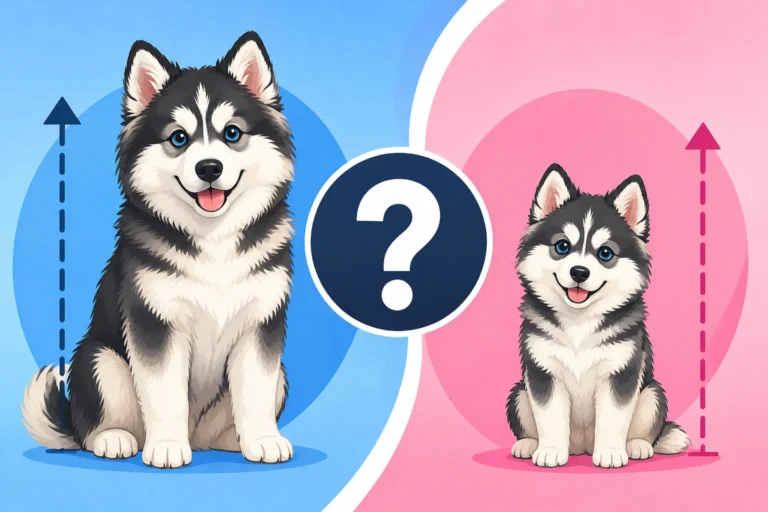
Imagine the size difference between a dainty Pomeranian, weighing in at a mere 3-7 pounds, and a robust Siberian Husky, who can easily tip the scales at 35-60 pounds (or more!). This isn't just a slight difference; it's a colossal one. If a Pomeranian female were to be bred with a Husky male, the risks would be catastrophic. The puppies, even if small, would be too large for the Pomeranian to carry or deliver safely, leading to severe health complications, potential injury or death for both the mother and the puppies. This is precisely Why a Pomsky Cannot Be Bred Naturally. It's simply not biologically feasible or ethical to attempt a natural breeding between these two breeds in this configuration.
The Necessity of Artificial Insemination
Because of this dangerous size disparity, the vast majority of Pomskies are conceived through artificial insemination (AI). This veterinary procedure involves carefully collecting semen from the male and then artificially implanting it into the female. For a Pomsky, the female is always the Siberian Husky, and the male is the Pomeranian. This ensures the larger female carries the litter, minimizing the risks associated with puppy size.
Artificial insemination, while a common practice in purebred dog breeding to overcome geographical distances or specific reproductive challenges, wasn't a routine procedure for creating novel mixed breeds before a clear demand existed. It requires specialized veterinary knowledge, equipment, and a significant financial investment. Before 2011, without a specific name or widespread desire for a "Pomsky," very few, if any, breeders would have undertaken the expense and effort of AI for this particular cross. The infrastructure and intent simply weren't there for casual "backyard breeding" of Pomskies.
The Lack of Documentation and Recognition Pre-2011
For any breed to truly "exist" beyond isolated instances, there needs to be a degree of organization, naming, and documentation. This was completely absent for the Pomsky prior to the viral internet sensation.
No Breed Clubs or Registries for Pomskies
Think about recognized purebreds: they have national breed clubs, meticulously kept registries, and generations of pedigrees. These organizations set standards, promote responsible breeding, and track the lineage of dogs. Before 2011, there were absolutely no breed clubs, no registries, and no formal breeding programs dedicated to the "Pomsky." How could there be, when the concept itself was largely undefined? The International Pomsky Association (IPA) and similar organizations didn't emerge until after the breed gained popularity, specifically to address the burgeoning interest and to set guidelines for ethical breeding. What the International Pomsky Association Does came into being as a direct response to demand, not as a precursor to it. Without such frameworks, any Husky-Pomeranian mix was just that – a mix – not a recognized or intentionally developed type.
The Absence of a "Pomsky" Name or Concept
This might sound obvious, but the name "Pomsky" itself wasn't common parlance before 2011. While people might have referred to them descriptively as "Pomeranian-Husky mixes," the catchy, memorable portmanteau "Pomsky" really took off around the time those first viral photos started circulating. The year the Pomsky name was coined online coincided with the explosion of interest. A name gives a concept substance, and without that widely recognized name, there was no collective identity for this specific cross. If someone did accidentally or intentionally breed a pair before then, they wouldn't have called it a Pomsky, nor would others have understood what they meant. The very term that defines them today simply wasn't in use.
The Impact of Viral Internet Photos (and Misinformation)
The true birth of the "Pomsky" as a sought-after designer breed can be directly traced back to a specific moment in internet history.
The 2011-2012 Viral Sensation and Its Aftermath
The year 2011 was a turning point. Photos of incredibly cute, miniature-Husky-like puppies went viral across social media platforms. These images captivated dog lovers worldwide, making everyone exclaim, "I need one!" The problem? Many of these initial viral photos weren't actually Pomskies. Some were The Viral Post That Invented Pomsky Demand showing Alaskan Klee Kais, a legitimate purebred that already resembled a miniature Husky, or even Finnish Lapphund puppies. This misinformation, however, didn't dampen the enthusiasm. Instead, it created an unprecedented and almost instant demand for a dog that, in a structured, intentional breeding sense, barely existed. People wanted the "mini Husky" they saw online, and the market quickly responded.
The Difference Between a Photo and a Breeding Program
It's vital to understand the difference between a captivating image and a sustainable, ethical breeding program. Those viral photos created demand overnight, but they didn't magically manifest a lineage of Pomskies. Ethical breeders, seeing this explosion of interest, then had to figure out how to create these dogs responsibly. This involved understanding the genetics, managing the artificial insemination process, and ensuring the health of the parent dogs and puppies. The First American Pomsky Litter didn't appear until 2012, directly following this wave of internet-fueled desire. It wasn't that Pomskies were quietly being bred for years and then discovered; it was that the viral pictures spurred their creation. Before the pictures, there was no driving force for such an endeavor.
Why "No" is the Most Realistic Answer for Organized Breeding
When we consider all the factors, the answer to whether anyone had bred a Pomsky before 2011, in any organized or intentional way, is almost certainly no.
The Cost and Effort Involved in Ethical Breeding
Even today, ethical Pomsky breeding is a costly and labor-intensive endeavor. It starts long before puppies are even conceived. Breeders must invest in health testing the parent dogs for conditions common to both Huskies and Pomeranians, such as Hip Dysplasia in a Twenty Pound Pomsky or Slipping Kneecaps in a Pomsky. Then there are the costs associated with artificial insemination: vet consultations, progesterone testing to pinpoint the optimal breeding window, the AI procedure itself, and careful monitoring of the Husky dam throughout her pregnancy. Many reputable breeders will also invest in high-quality food, like options available on Chewy, ensuring the health of their breeding dogs and puppies. What a Pomsky Breeder Spends Before a Litter Exists is significant, and such expenses are only justified when there's an established demand or a clear vision for the breed, neither of which existed for the Pomsky pre-2011.
Isolated Incidents vs. a Breeding Trend
While it's conceivable that an accidental cross between a Husky and a Pomeranian might have happened somewhere, sometime, before 2011, these would have been purely random occurrences. They wouldn't have been part of any concerted effort to establish a new breed or create multiple generations of "Pomskies." There was no name, no standard, no market, and certainly no organized community of breeders.
The table below highlights the dramatic shift in the Pomsky landscape before and after 2011, making it clear that the intentional breeding and popularization of this delightful hybrid are very much a product of the digital age.
| Feature | Before ~2011 | After ~2011 |
|---|---|---|
| Existence | Accidental mixes possible, but no defined "Pomskies" | Intentional breeding of Pomskies began |
| Breeding Method | Natural breeding near impossible | Artificial Insemination became standard |
| Name Recognition | "Husky-Pomeranian mix" (if at all, descriptive) | "Pomsky" widely recognized and sought after |
| Documentation | None | Breed associations and registries emerged |
| Demand | Minimal, unorganized, not breed-specific | High, driven by viral images and online interest |
| Breeder Intent | Not aimed at creating a "Pomsky" | Focused on producing "Pomskies" for a market |
In essence, the Pomsky as a named, intentionally bred, and highly sought-after companion animal did not exist before those fateful images circulated online. The incredible demand for a "mini Husky" created the impetus for breeders to then figure out how to actually produce them safely and ethically. If you're considering adding one to your family, understanding this recent history helps appreciate the dedicated effort that goes into bringing these wonderful dogs into the world, and why the initial photos didn't represent existing dogs but rather created a future one.
Many new Pomsky owners wonder if their fluffy friend will always look like a miniature Husky or if their appearance will change. This often comes up in discussions about Whether a Pomsky Puppy's Fluff Predicts the Adult Coat. Remember, the journey of this breed is still relatively new, and continues to evolve with each generation. For daily care, you'll find everything from specific food recommendations to grooming tools on platforms like Chewy, making it easier to manage their unique needs. Even for issues like What Alopecia X Does to a Pomsky's Coat, which might be a concern for some Pomsky owners, the resources for understanding and managing these conditions are continually growing, much like the breed itself.
For those curious about the financial side, discussions around Whether a Cheap Pomsky Is Really a Pomsky often touch on the extensive costs associated with ethical breeding, including vet care, health screenings, and proper nutrition, all of which contribute to the price of a well-bred Pomsky. It's truly a testament to the power of the internet that a breed could go from non-existent to globally recognized in such a short span of time. We can all thank those cute, if perhaps mislabeled, early images for bringing us these delightful companions. When it comes to everyday essentials, remember places like Chewy are a lifesaver for everything from leashes to treats, ensuring your Pomsky is well-equipped for a happy life. And knowing the backstory of How Fast the Pomsky Spread After 2012 really puts their sudden rise to fame into perspective.
Disclaimer
This article is for general informational purposes only and does not constitute professional advice. Laws, prices and regulations vary by location and change over time. Consult a qualified professional for guidance on your specific situation.