Whether Pomsky Demand Outran Supply
When the internet first fell in love with the idea of the "Pomsky," a miniature husky with all the charm and none of the massive size, a wave of excitement spread like wildfire. Everyone wanted one of these adorable, fluffy companions, but the reality quickly set in: legitimate Pomskies were incredibly difficult to come by, leading to a period where demand far outstripped the actual, ethical supply. This imbalance created a chaotic market, leaving many hopeful owners either waiting indefinitely or, sadly, falling prey to less scrupulous breeders.
The Viral Spark and the Surge in Pomsky Desire
It's easy to forget that the Pomsky, as a widely recognized "designer breed," is a relatively recent phenomenon. Before the early 2010s, the concept barely existed in the mainstream. Then, a few viral images, often mislabeled or even featuring other breeds like the Alaskan Klee Kai, exploded across social media. People saw these pictures and instantly imagined their perfect pint-sized husky. This created an unprecedented, almost instantaneous demand for a dog that, at the time, was still incredibly rare and complex to breed responsibly.
How Internet Buzz Created a Breeding Frenzy
The initial images of what looked like miniature Huskies were absolutely captivating. They were shared millions of times, creating a fantasy dog that everyone suddenly wanted. This digital buzz was powerful because it created a perception of immediate availability, even though the reality was far from it. People saw a cute picture and wanted "that dog," without fully understanding the genetics, the breeding process, or the limited number of legitimate breeders actually working with Pomskies. It was a classic case of viral marketing without a product ready for market. This demand quickly outpaced any realistic ability to meet it, especially for a breed that requires very specific and often expensive breeding techniques. You can learn more about how this all started by reading The 2011 Photos That Were Not Pomskies and The 2012 Litter That Made the Pomsky Real.
The Gap Between Ideal and Reality
What most people envisioned was a perfectly healthy, miniature version of a Siberian Husky, complete with striking blue eyes and a wolf-like mask. What they didn't realize was that achieving this consistently, particularly in the earlier generations (F1 or F2), was incredibly difficult. The genetics of crossing a Pomeranian with a Siberian Husky are a roll of the dice in terms of size, coat, temperament, and even health traits. Many buyers were initially disappointed when their Pomsky puppy grew up to look more like a larger Pomeranian, or inherited less desirable traits, highlighting the significant gap between the idealized internet image and the genetic reality. Whether Most Pomsky Buyers Wanted a Miniature Husky delves deeper into this phenomenon.
The Inherent Challenges of Pomsky Supply
Breeding Pomskies isn't as simple as letting two dogs mate. The significant size difference between a male Pomeranian and a female Siberian Husky makes natural breeding incredibly dangerous, if not impossible, for the Pomeranian. This means that responsible breeding must involve artificial insemination, a process that adds considerable cost, complexity, and veterinary oversight.
Why Pomsky Breeding Isn't Like Other Dogs
The primary reason Pomsky supply could never instantly meet demand is rooted in biology. A Pomeranian male is simply too small to safely breed with a Siberian Husky female in the traditional manner. The risks of injury to the smaller dog, or complications for the Husky during pregnancy if a Pomeranian male were even physically capable, are too high. This necessitates artificial insemination, which is a highly controlled, veterinarian-assisted process. It's not something you can just do in your backyard. This barrier immediately limits the number of litters that can be produced safely and ethically. Why a Pomsky Cannot Be Bred Naturally explains the mechanics behind this.
| Breeding Factor | Standard Dog Breeding | Pomsky Breeding (Ethical) | Impact on Supply |
|---|---|---|---|
| Mating Method | Natural | Artificial Insemination (AI) | Limits frequency, requires vet involvement, adds cost. |
| Parent Size Disparity | Minimal to Moderate | Significant (Pomeranian x Husky) | Prevents natural mating, necessitates AI for safety. |
| Litter Size | Varies, often 4-10+ puppies | Often smaller (3-6 puppies) | Fewer puppies per breeding cycle, slower growth of supply. |
| Genetic Predictability | Higher within purebreds | Lower, especially F1 | Results in varied puppies, harder to meet specific 'looks' demand. |
| Cost & Time | Varies, generally lower upfront | Significantly higher, more time-intensive | Higher cost per puppy, fewer breeders can afford the investment. |
| Ethical Standards | Varies | High veterinary oversight crucial | Many unwilling to meet standards, leading to unethical practices. |
The High Cost and Small Litters
Beyond artificial insemination, Pomsky breeding is expensive. There are vet check-ups, progesterone testing to pinpoint the optimal breeding window, and the potential need for a planned C-section for the husky dam, especially with a mixed litter. These costs, combined with the fact that Pomsky litters tend to be smaller than purebred Husky litters, mean that each puppy comes with a much higher price tag to simply cover the breeder's investment and time. This reality stands in stark contrast to the mass-produced puppies seen from breeds that can naturally mate and have large litters. Why Artificial Insemination Sets a Pomsky's Floor Price details some of these financial considerations.
The Role of Responsible Breeding Organizations
In response to the massive demand and the potential for exploitation, organizations like the International Pomsky Association (IPA) emerged. These groups aim to establish ethical breeding standards, promote health testing, and educate the public on what constitutes a responsible Pomsky breeder. While they don't produce dogs themselves, their existence indicates a push towards quality and ethical supply, but it also highlights the difficulty of achieving this when so many are simply trying to capitalize on a trend. The International Pomsky Association and What It Sets provides more insight into their role.
The Consequences of Unmet Demand
When demand for a popular item significantly outpaces legitimate supply, a void is created, and unfortunately, that void is often filled by less scrupulous actors. The Pomsky craze was no exception, leading to a proliferation of backyard breeders and puppy mills looking to cash in, often at the expense of the dogs' health and temperament.
The Rise of Unethical Breeding Practices
The intense desire for Pomskies, combined with the high prices they commanded, was a siren song for unethical breeders. These individuals often cut corners, bypassing expensive veterinary procedures, health testing, and proper genetic screening. They might attempt natural breedings, risking the lives of the parent dogs, or breed dogs too young, too old, or too frequently. The result? Puppies often came with hidden health issues, unpredictable temperaments, and uncertain parentage. Buyers, desperate to get their hands on a Pomsky, sometimes ignored red flags or simply didn't know what questions to ask. Many people ended up with a dog that didn't resemble the pictures, or, worse, suffered from serious health conditions. Whether a Cheap Pomsky Is Really a Pomsky outlines some of these dangers.
Buyer Disappointment and Reality Checks
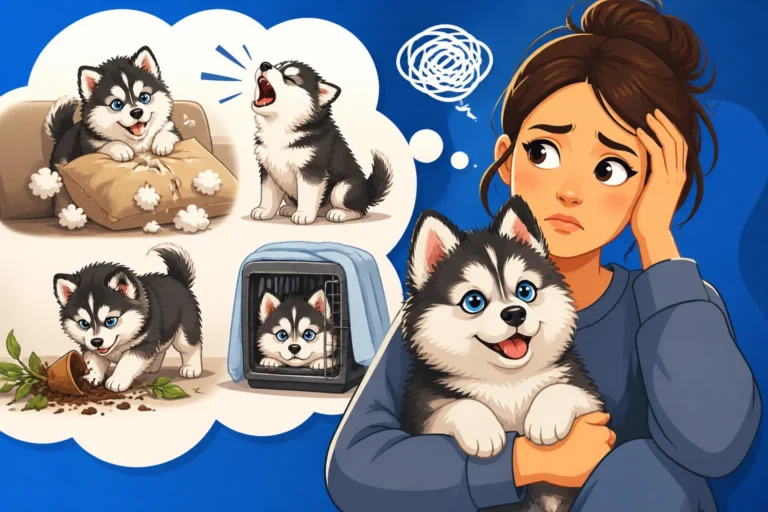
The unfortunate truth is that many early Pomsky buyers were sorely disappointed. They expected a miniature husky and sometimes received a dog that grew to a much larger size than anticipated, or one with a coat type that was difficult to manage, or a temperament that was far more stubborn or vocal than they bargained for. This led to a wave of rehoming and surrenders, as owners realized they weren't prepared for the dog they actually received, rather than the "internet dog" they imagined. The demand, fueled by pictures, didn't prepare people for the reality of owning a mixed breed with strong instincts from two very different parent breeds. What Happens When a Pomsky Grows Bigger Than Sold and Whether Pomsky Buyers Were Disappointed cover these common frustrations.
The Impact on Rescues and Shelters
As the initial fervor for Pomskies cooled slightly, and as more people experienced the challenges of owning a dog whose size, coat, or temperament didn't match their expectations, many Pomskies began appearing in rescues and shelters. These dogs, often surrendered by owners who were unprepared for their needs, then needed new homes. While some were purebred Pomskies from reputable lines, others were the result of poorly planned breedings, sometimes with health or behavioral issues. This phenomenon tragically demonstrated the downside of uncontrolled demand meeting unregulated supply. Why Pomskies Reach Rescue at Two discusses this unfortunate trend.
Navigating the Current Pomsky Market
Today, the Pomsky market has matured somewhat. While demand remains, responsible breeders have had more time to establish their lines, and the public is generally more educated about the realities of the breed. However, vigilance is still crucial for anyone looking to add a Pomsky to their family.
Finding a Reputable Breeder Amidst Continued Demand
Even with a more established market, finding a truly reputable Pomsky breeder still requires significant due diligence. You should expect a waitlist, clear health testing for both parent dogs (including hips, elbows, eyes, and patellas), and a breeder who is transparent about the potential variations in size, coat, and temperament. They should also be eager to educate you on the breed's needs and challenges. Don't be swayed by breeders offering puppies immediately or at suspiciously low prices. A responsible breeder will prioritize the health and well-being of their dogs over quick sales. They often rely on solid partnerships with veterinary clinics and might even recommend specific high-quality food brands found on sites like Chewy.
The Role of Education for Prospective Owners
The best way to combat the negative effects of demand outrunning ethical supply is through education. Prospective Pomsky owners need to thoroughly research the breed, understanding the exercise requirements, grooming needs (especially during "blowouts"), and potential health concerns. They should be prepared for the distinctive "talkative" nature, the independent streak inherited from the Husky, and the potential for a strong prey drive. Reading articles like What Nobody Warns a Pomsky Buyer About can help set realistic expectations.
It's important to remember that a Pomsky is a commitment, and being prepared for the realities of the breed – from their playful antics to their shedding cycles – is paramount. Reputable breeders often provide extensive puppy packs, sometimes including starter bags of food or recommendations for training aids, often available from trusted pet suppliers like Chewy. Making sure you have the right brushes, especially during a coat blow, is critical, and many Pomsky owners find that high-quality grooming tools from sites like Chewy are indispensable.
Market Stabilization and Long-Term Outlook
While the initial frenzy has subsided, the Pomsky remains a popular breed. The market has, to some extent, corrected itself, with more established breeders and a better understanding of what goes into responsible breeding. However, the unique challenges of breeding Pomskies mean that ethical supply will likely always be somewhat limited and carry a higher price point than many purebreds. This isn't a breed that lends itself to mass production, and that's ultimately a good thing for the welfare of the dogs. It means that while you might still have to wait and pay a premium, you're more likely to get a healthy, well-socialized dog from a breeder committed to the breed's future. Investing in a Pomsky means investing in their health and well-being, which often includes quality food and supplies, easily found at pet stores and online retailers such as Chewy.
Disclaimer
This article is for general informational purposes only and does not constitute professional advice. Laws, prices and regulations vary by location and change over time. Consult a qualified professional for guidance on your specific situation.