The Honking Cough of a Pomsky With a Bad Trachea
That sudden, alarming honking sound, like a goose startled or a seal barking, can throw any Pomsky parent into a panic. It’s a truly frightening experience, often leaving you wondering if your precious pup is choking or struggling to breathe. This guide is dedicated to demystifying that unsettling cough, specifically when it points to tracheal collapse, helping you understand what’s happening, how to manage it, and what you can do to support your beloved Pomsky.
Understanding Tracheal Collapse in Pomskies
Tracheal collapse is one of those health conditions that, once you've witnessed it, you never forget. For Pomsky owners, it's a particular concern given their heritage. It can be quite distressing to see your energetic companion suddenly struggle, but understanding the mechanics behind it is the first step toward effective management.
What is Tracheal Collapse?
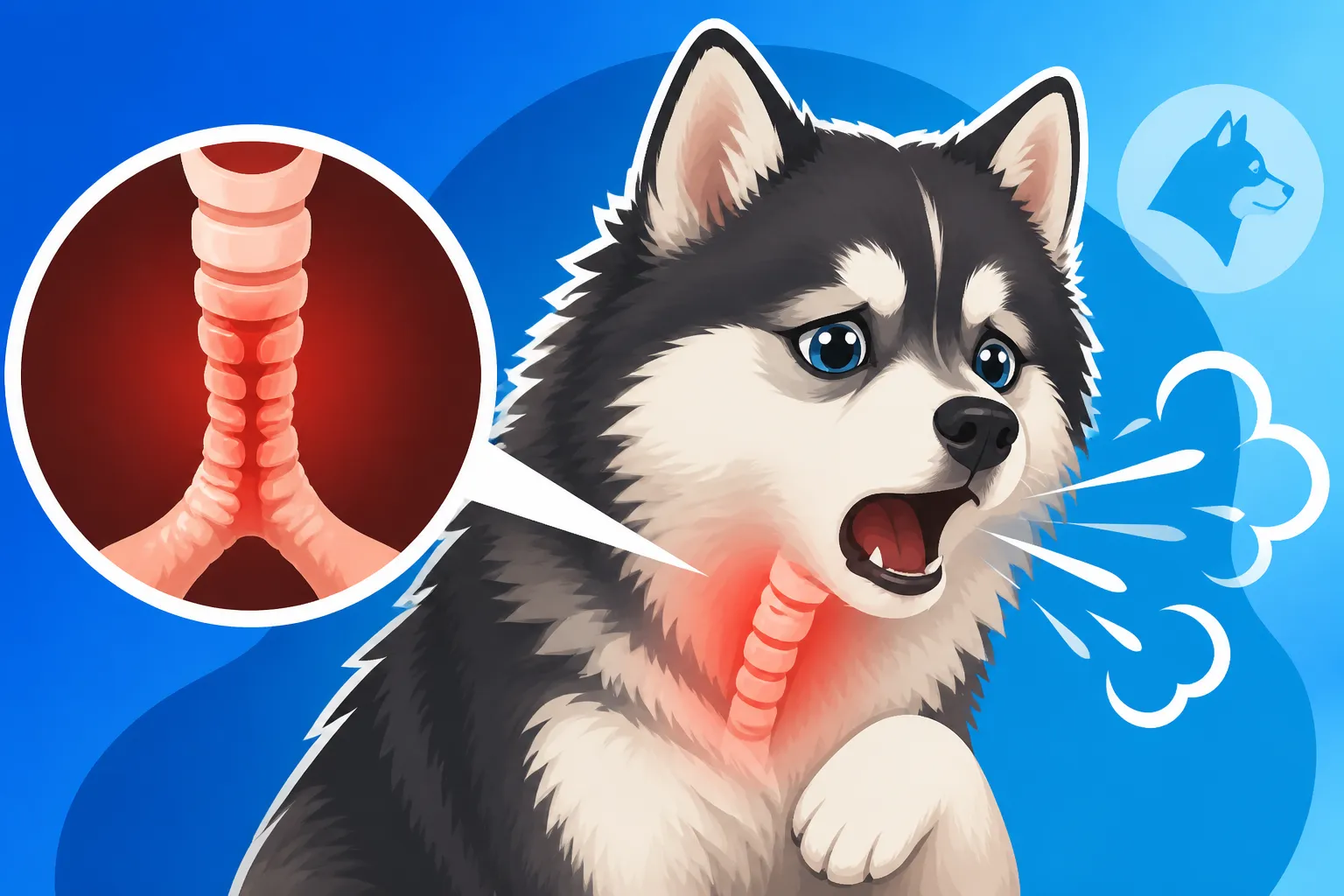
Imagine your Pomsky's windpipe, or trachea, as a strong, flexible hose that carries air to and from their lungs. This "hose" isn't just soft tissue; it's reinforced by C-shaped cartilage rings that keep it open. Think of these rings like the sturdy supports in a vacuum cleaner hose, preventing it from flattening. In dogs with tracheal collapse, these cartilage rings weaken over time, losing their rigidity. Instead of remaining firm and open, they begin to soften and flatten, especially when your dog inhales or exhales forcefully.
When these rings collapse, the airway narrows significantly. This partial or complete obstruction forces air through a much smaller space, creating turbulence that manifests as the characteristic "honking" cough. It's not unlike trying to suck air through a squashed straw – it takes more effort, and the air makes a whistling or rasping sound. This collapse can happen anywhere along the trachea, but it's most commonly seen closer to the chest (intrathoracic trachea) during exhalation or closer to the throat (cervical trachea) during inhalation. The severity can range from a slight flattening that causes only an occasional cough to a near-total collapse that leads to severe respiratory distress.
Why Pomskies are Prone to It
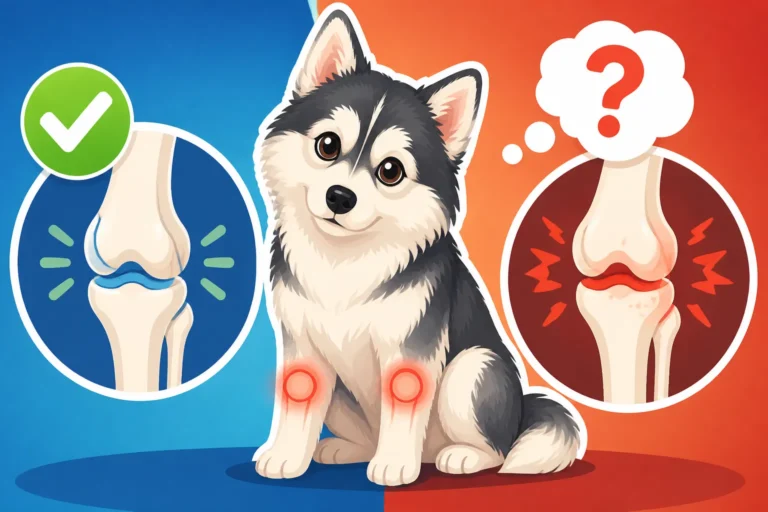
The Pomsky is a captivating mix of two distinct breeds: the Siberian Husky and the Pomeranian. While they inherit many wonderful traits from both, they also inherit predispositions to certain health issues. Tracheal collapse is overwhelmingly a small breed disease, and it's the Pomeranian side of your Pomsky's family tree that brings this risk. Pomeranians, like Chihuahuas, Poodles, and Yorkshire Terriers, are genetically predisposed to developing weak tracheal cartilage. This isn't usually something you can see on a screening test for puppies; it often develops as the dog ages or is triggered by external factors.
The exact genetic mechanism is still being researched, but it's understood that there's an inherent defect in the cartilage components themselves. This means that even the most meticulously bred Pomsky, if they carry the genetic markers from their Pomeranian lineage, could be at risk. It’s one of the reasons why understanding The Two Opposite Disease Lists a Pomsky Inherits is so crucial for prospective and current owners alike. While a large Husky might never encounter this issue, a Pomsky, particularly one on the smaller end of the size spectrum, carries that inherited vulnerability. It's a cruel twist of fate for these charming little dogs, making their airway a potential point of fragility.
The Characteristic "Honking" Cough
If you've heard it, you know it. The honking cough associated with tracheal collapse is distinctive and often described as sounding like a "goose honk" or a "seal bark." It's usually a dry, hacking cough, not a wet, gurgly one. Many owners initially mistake it for their dog choking on something or having something stuck in their throat, which understandably causes immense alarm. The sound is produced when the collapsing tracheal walls rub against each other and obstruct airflow, leading to that peculiar, forceful expulsion of air.
This cough often comes on suddenly and can be quite violent, sometimes leaving your Pomsky gagging or gasping for breath afterward. It's typically exacerbated by excitement, exercise, drinking water too quickly, or even just pulling on the leash. Imagine your dog suddenly getting worked up, barking excitedly at the mailman, or eagerly trying to get to a favorite toy – these are common scenarios where the honk might emerge. When they lie down to rest, especially after activity, you might also hear it as they settle. It's important to differentiate this from a simple throat clearing or a regular cough; the intensity and characteristic sound are key indicators that something more serious, like a collapsing trachea, might be at play.
Recognizing the Signs and Symptoms Beyond the Cough
While the honking cough is the most hallmark sign of tracheal collapse, it's not the only one. Owners need to be vigilant for a range of symptoms that can indicate the severity of the condition and how much it's impacting their Pomsky's quality of life. Sometimes, these less obvious signs appear before the cough becomes truly persistent.
Behavioral Changes and Breathing Difficulties
Beyond the distinct cough, your Pomsky might exhibit other changes that signal respiratory distress. One of the most common observations is a decrease in exercise tolerance. A dog who once loved long walks or energetic play sessions might suddenly seem reluctant, tiring quickly, or slowing down significantly. They might lag behind on walks or refuse to engage in games they once enjoyed. This isn't laziness; it's often because their compromised airway makes breathing during exertion incredibly difficult, leading to exhaustion.
You might also notice changes in their breathing patterns even at rest. This could include rapid breathing (tachypnea), noisy breathing (stridor), or even a strained effort to breathe. In more severe cases, or during an acute crisis, your Pomsky’s gums and tongue might appear bluish (cyanosis), indicating a lack of oxygen. This is an emergency situation and requires immediate veterinary attention. They might also appear anxious or restless as they struggle for air. Observing these subtle shifts in energy levels and breathing effort can provide critical clues about the progression and impact of tracheal collapse, making early intervention and management all the more crucial.
Triggers and Worsening Factors
Several factors can trigger a coughing episode or exacerbate the severity of tracheal collapse in a Pomsky. Understanding these triggers is paramount for managing the condition and minimizing distress for your dog. High on the list is anything that puts pressure on the neck. This means traditional collars are a big no-no. A sudden tug or sustained pressure on a collar can directly compress the already weakened trachea, instantly leading to a coughing fit or even a full respiratory crisis. This is why a secure, well-fitting harness is universally recommended. If you're wondering, Why a Pomsky Should Wear a Harness is a topic worth exploring further for their overall comfort and safety.
Excitement is another major trigger. When your Pomsky gets overly excited, they breathe faster and more forcefully, which can cause the weakened tracheal rings to collapse. Similarly, drinking water too quickly can sometimes cause a coughing episode. Environmental factors also play a significant role. High humidity, exposure to irritants like cigarette smoke, strong perfumes, aerosol sprays, or even dust can irritate the airways and trigger a cough. Obesity is a huge factor; excess weight puts additional strain on the respiratory system and surrounding structures, making it harder for air to pass through a compromised trachea. In fact, many vets will tell you that if you're wondering Whether an Overweight Pomsky Coughs More, the answer is almost certainly yes, and weight management becomes a critical part of treatment.
Differentiating from Other Respiratory Issues
It's easy to jump to conclusions when your Pomsky starts coughing, especially with that distinctive honk. However, it's really important for your vet to rule out other respiratory issues that can mimic the signs of tracheal collapse. For instance, many owners immediately think of kennel cough, especially if their dog has recently been boarded or socialized. While kennel cough also presents with a harsh, dry cough, it's caused by a viral or bacterial infection and often resolves with medication within a couple of weeks. Tracheal collapse is a structural issue, not an infection.
Another serious condition to consider is heart disease. A failing heart can lead to fluid buildup in the lungs, causing a cough, especially at night or when lying down. This is particularly relevant if you're asking Whether a Pomsky's Cough Is Trachea or Heart, as the two can present with overlapping symptoms in older dogs. Your vet will perform a thorough examination, including listening to the heart and lungs, and possibly recommending chest X-rays, to differentiate between these conditions. Allergies, asthma, or even a foreign object lodged in the airway can also cause coughing. And let's not forget the occasional, but very different, Whether a Pomsky Reverse Sneezes, which is typically a short, snorting episode due to irritation of the soft palate and rarely indicative of a serious underlying condition. Only a veterinary professional can accurately diagnose the cause of your Pomsky's cough.
Diagnosing and Grading Tracheal Collapse
When you bring your Pomsky to the vet with a suspicious cough, they’ll embark on a systematic process to pinpoint the cause. Diagnosis isn't always straightforward, as sometimes the collapse is dynamic, meaning it happens only at certain moments, making it tricky to catch on static imaging.
The Veterinary Examination and Initial Suspicions
Your vet will start with a comprehensive physical examination, which includes listening to your Pomsky’s heart and lungs with a stethoscope. They’ll be listening for any abnormal sounds, like crackles, wheezes, or murmurs that could indicate other underlying issues, such as heart disease or lung problems. One of the key diagnostic clues for tracheal collapse during this initial exam is a technique called tracheal palpation. The vet will gently press on different areas of your Pomsky's windpipe, from the throat down to the chest. If your dog has a collapsing trachea, this gentle pressure will very likely trigger a characteristic honking cough, sometimes quite dramatically. This is a strong indicator that tracheal collapse is indeed the culprit.
They'll also observe your dog's overall demeanor, breathing effort, and mucous membrane color to assess their general health and the severity of any respiratory distress. Your detailed history of when the cough occurs, what triggers it, and how long it lasts will be incredibly valuable. Don’t hold back on details—even seemingly small observations can help your vet piece together the puzzle. It’s during this initial visit that your vet might also suggest checking for other common small breed ailments, especially given the Pomeranian lineage, to build a complete health picture of your Pomsky.
Advanced Diagnostic Imaging
While a good physical exam and a positive tracheal palpation can point strongly towards collapse, confirming the diagnosis and assessing its severity usually requires imaging. The most common tool is a set of X-rays (radiographs) of the chest and neck. These X-rays can sometimes show a narrowing of the trachea, though it’s important to remember that the trachea collapses dynamically, meaning it might look perfectly normal on a static X-ray if your dog isn't actively coughing or breathing deeply at that exact moment. Vets often take X-rays during both inspiration (inhaling) and expiration (exhaling) to try and catch the collapse in action.
For a more definitive diagnosis, especially in subtle cases or before considering surgery, your vet might recommend a fluoroscopy. This is essentially a "moving X-ray" or a real-time video of your dog's trachea as they breathe. This allows the vet to observe the trachea as it expands and collapses with each breath, providing undeniable visual evidence of the collapse and its extent. Another advanced procedure is a bronchoscopy, where a tiny camera is inserted down the trachea to visualize the airway directly. This provides a clear view of the tracheal rings and any inflammation, but it requires general anesthesia, so it's usually reserved for more complex cases or when planning surgical intervention. Your veterinarian will discuss the best diagnostic approach based on your Pomsky's symptoms and initial findings.
Understanding the Grades of Collapse
Tracheal collapse is typically graded on a scale of 1 to 4, indicating the severity of the airway obstruction. This grading helps veterinarians determine the most appropriate course of treatment and provides an idea of the long-term prognosis. Understanding these grades can help you grasp what your vet is explaining and what it means for your Pomsky's future.
| Grade | Description of Collapse | Symptoms | Management Implications |
|---|---|---|---|
| Grade 1 | Mild flattening of tracheal rings | Intermittent, mild cough, often only with excitement or pressure | Usually managed with lifestyle changes and occasional medication |
| Grade 2 | Moderate flattening, lumen reduced by about 50% | More frequent cough, mild exercise intolerance, sometimes wheezing | Requires consistent medical management and strict lifestyle adjustments |
| Grade 3 | Severe flattening, lumen reduced by about 75% | Persistent, harsh cough, significant exercise intolerance, breathing distress | Intensive medical management, often requires emergency care, surgery often considered |
| Grade 4 | Complete collapse, lumen almost closed | Severe respiratory distress, cyanosis (blue gums), collapse | Emergency situation, often requires immediate surgical intervention to save life |
In a Grade 1 collapse, the tracheal lumen (the open space for air) is only mildly flattened, perhaps by 25%. Your Pomsky might only cough occasionally, often when excited or when gentle pressure is applied to their neck. A Grade 2 collapse involves about 50% reduction in the lumen, leading to more frequent coughing and possibly some mild exercise intolerance. By Grade 3, the tracheal lumen is significantly narrowed, perhaps by 75%, resulting in a more persistent, harsh cough and noticeable breathing difficulties, even at rest. A Grade 4 collapse is the most severe, with almost complete occlusion of the airway, causing severe respiratory distress and potentially life-threatening breathing crises. This grading system is a crucial tool for both diagnosis and ongoing management, guiding decisions from medication choices to the consideration of surgery.
Managing Tracheal Collapse Medically and Through Lifestyle
Once your Pomsky has been diagnosed with tracheal collapse, the good news is that for many dogs, the condition can be successfully managed through a combination of medical treatments and significant lifestyle adjustments. The goal is to reduce inflammation, suppress the cough, and minimize the triggers that exacerbate the collapse.
Medical Treatment Options
Your veterinarian will likely prescribe a combination of medications to help manage your Pomsky's symptoms. Anti-inflammatory drugs, often corticosteroids like prednisone, are frequently used to reduce the inflammation and swelling in the tracheal tissues, which can further narrow the airway. These are usually given short-term or at the lowest effective dose for long-term management to minimize side effects. Cough suppressants, such as hydrocodone or butorphanol, can reduce the frequency and severity of the cough, providing much-needed relief for both your dog and your ears. It's a fine balance, though, as a cough is also a protective reflex, so completely eliminating it isn't always the goal.
Bronchodilators, which help open up the airways, may also be prescribed. These medications work to relax the smooth muscles around the bronchi, making it easier for air to move through the lungs. If a secondary infection is suspected or confirmed, antibiotics will be used. Additionally, if your Pomsky is overweight, weight management will be a critical part of their medical plan. Losing even a few pounds can significantly reduce the pressure on their trachea and alleviate symptoms. Discussing these options thoroughly with your vet is key, and it's worth noting that managing chronic conditions like this can sometimes involve unexpected costs, making pet insurance providers like Healthy Paws a valuable consideration for many owners.
Essential Lifestyle Adjustments
Beyond medication, certain lifestyle adjustments are absolutely essential for a Pomsky with tracheal collapse. The first, and arguably most important, change is switching from a neck collar to a harness for all walks and any situation where your dog might be restrained. A collar, even a loose one, can put pressure on the trachea and immediately trigger a coughing fit. A well-fitting harness distributes pressure across the chest and shoulders, completely bypassing the delicate throat area. If you haven't already, ensure your Pomsky is comfortable in a harness, and if they pull, consider working with a trainer to minimize leash tension.
Weight management is another critical component. Obesity puts extra strain on the respiratory system and contributes to fat deposits around the neck and chest, further compressing the trachea. Feeding a balanced diet and ensuring your Pomsky maintains a healthy weight is paramount. This ties back to discussions like What a Pomsky Actually Weighs and Whether an Overweight Pomsky Coughs More, emphasizing the direct link between weight and tracheal health. Avoiding environmental irritants like cigarette smoke, dust, strong chemical fumes, or even excessive pollen can also help. For Pomskies living in dry climates, a humidifier can help keep their airways moist and less irritated. Exercise should be consistent but moderate, avoiding overexertion, especially in hot or humid weather.
Home Care and Support Strategies
Effective home care goes a long way in managing tracheal collapse. Beyond administering medications as prescribed and adhering to lifestyle changes, simply observing and understanding your Pomsky's specific triggers is incredibly helpful. Keep a diary of when the cough occurs and what might have precipitated it. This information can help your vet fine-tune treatment. Creating a calm environment can also reduce episodes, as excitement is a common trigger. If your Pomsky gets overly stimulated easily, work on calming techniques and positive reinforcement for relaxed behavior.
Ensure your home is free from irritants. This means no smoking indoors, choosing unscented cleaning products, and keeping your Pomsky away from areas with excessive dust or strong smells. For some dogs, changes in weather, particularly very cold or very hot and humid conditions, can worsen symptoms, so adjusting walk times or indoor activities might be necessary. Having a comfortable, elevated bed can sometimes help with breathing, as it keeps their head and neck slightly raised. Always have fresh water available to keep their throat moist. And remember, during severe coughing fits, remaining calm yourself is important, as your anxiety can transfer to your dog. Gentle reassurance and a quiet environment are often the best immediate responses.
Surgical Interventions and Long-Term Outlook
While many Pomskies with tracheal collapse can be managed successfully with medical and lifestyle changes, there are cases where the condition progresses or becomes so severe that surgery is considered. This is a significant decision, and one that your veterinarian will guide you through with careful consideration of your Pomsky's individual situation.
When Surgery Becomes an Option
Surgery for tracheal collapse is generally reserved for Pomskies with advanced grades of collapse (Grade 3 or 4) where medical management has proven insufficient to control symptoms and improve their quality of life. If your Pomsky is experiencing frequent, severe coughing episodes, significant respiratory distress, or even collapse, despite being on appropriate medication and adhering to all lifestyle adjustments, your vet might suggest exploring surgical options. It's not a decision taken lightly, as it involves significant risks and costs. You might find yourself asking Whether a Pomsky Needs Tracheal Surgery and the answer often hinges on how debilitating the condition has become.
There are primarily two surgical approaches. The most common involves implanting external prosthetic rings around the outside of the trachea to hold it open. These rings act like scaffolding, preventing the cartilage from collapsing. This procedure is usually performed on the cervical (neck) portion of the trachea. For collapses deeper in the chest (intrathoracic trachea), an intraluminal stent might be placed inside the trachea to keep it open. This is a less invasive procedure that involves inserting a mesh tube into the trachea to act as an internal support. Both procedures aim to restore the airway's integrity, but they come with their own set of considerations.
Risks, Benefits, and Post-Operative Care
Like any major surgery, tracheal collapse repair carries risks. With external rings, potential complications include damage to nerves in the neck, infection, or the rings themselves shifting or causing irritation. With intraluminal stenting, risks can include stent fracture, migration, or the development of granulation tissue around the stent, which can further narrow the airway. The success rate for these surgeries can vary, but generally, many dogs experience significant improvement in their breathing and reduction in coughing. However, surgery doesn't always guarantee a complete cure, and some dogs may still require ongoing medical management.
Post-operative care is critical for a successful outcome. This typically involves a period of strict rest, pain management, and sometimes continued anti-inflammatory medications. Your Pomsky will need close monitoring for any signs of complications, and their activity will be severely restricted for several weeks. Regular follow-up appointments with your veterinary surgeon will be necessary to ensure proper healing and address any emerging issues. While the upfront investment for such a procedure can be substantial, pet insurance plans from providers like Healthy Paws can often provide significant reimbursement, making these vital, life-saving options more accessible for owners.
Living with a Pomsky with Tracheal Collapse
Living with a Pomsky diagnosed with tracheal collapse, whether medically or surgically managed, means committing to ongoing care and vigilance. For most dogs, especially those with lower-grade collapse, the prognosis with good medical and lifestyle management is generally positive, allowing them to lead comfortable, happy lives. They may have occasional coughing episodes, but these should be less frequent and less severe. For those who undergo surgery, many experience a dramatic improvement, though continued care is still necessary.
The long-term outlook will always depend on the severity of the collapse, the presence of any other concurrent health issues (such as Whether a Pomsky Gets Heart Disease), and how diligently you adhere to the treatment plan. Regular veterinary check-ups are paramount, and your vet might recommend specific annual screenings as part of The Screening a Pomsky Should Have Yearly. You'll become highly attuned to your Pomsky's breathing and energy levels, quickly recognizing any signs that the condition might be worsening. With dedication, patience, and a strong partnership with your veterinary team, your Pomsky can still enjoy a good quality of life, potentially living out The Twelve to Fifteen Years a Pomsky Lives with minimal respiratory distress.
Preventing Tracheal Collapse and Promoting Tracheal Health
While tracheal collapse often has a genetic component, there are proactive steps Pomsky owners can take to minimize the risk of developing the condition or, if it's already present, prevent its progression. Prevention truly starts even before you bring your puppy home.
Puppy Selection and Responsible Breeding
Choosing a responsible breeder is perhaps the most crucial preventative measure against many inherited conditions, including tracheal collapse. A reputable Pomsky breeder will be transparent about the health history of their breeding dogs, especially the Pomeranian parent, knowing this predisposition. While there isn't a specific genetic test for tracheal collapse, a good breeder will observe their breeding stock and avoid using any dogs that develop severe tracheal issues. They should be able to provide health clearances for other genetic conditions common to both parent breeds.
It’s important to remember that ethical breeding practices, even in designer breeds like Pomskies, focus on health and temperament above all else. Don't be afraid to ask detailed questions about the parents' health, particularly if any of their offspring have developed breathing problems. A breeder who dismisses these concerns or can't provide clear information is a red flag. While no breeder can guarantee a puppy will never develop a condition like tracheal collapse, responsible breeding significantly reduces the likelihood, giving your Pomsky the best possible start in life.
Early Life Management
Once you bring your Pomsky puppy home, early life management plays a significant role in promoting tracheal health. From day one, get your puppy accustomed to wearing a harness instead of a collar for walks. Even a playful tug or a sudden lunge on a collar by a puppy can put undue strain on a developing trachea. Make harness training a positive experience, and ensure it fits snugly but comfortably, without restricting movement or chafing. This simple habit will serve them well throughout their entire life.
Weight control from puppyhood is also vital. Pomskies can range quite a bit in size, and it's easy for them to become overweight, especially if they have a hearty Husky appetite in a smaller Pomeranian body. Monitor their body condition score, and work with your vet to ensure they maintain an ideal weight. Avoiding exposure to cigarette smoke and other airborne irritants in their environment is also critical from a young age, as repeated irritation can contribute to inflammation and weaken tracheal tissues over time. Start building healthy habits early, and you'll be setting your Pomsky up for a lifetime of better respiratory health.
General Health and Wellness
Maintaining your Pomsky’s overall general health and wellness is an ongoing preventative measure against tracheal collapse and its exacerbation. Regular veterinary check-ups are paramount. These visits allow your vet to monitor your Pomsky’s weight, listen to their heart and lungs, and address any potential issues before they become serious. They can also offer guidance on diet, exercise, and preventative care tailored to your dog’s specific needs.
Good dental health also contributes to overall well-being. While not directly related to the trachea, chronic infections or inflammation in the mouth can lead to systemic issues that might indirectly impact respiratory health. Ensure your Pomsky receives appropriate vaccinations to prevent respiratory infections like kennel cough, which can put additional stress on the trachea. Finally, managing excitement levels during play or greetings can help. Teaching your Pomsky to be calm when guests arrive or before walks reduces the forceful breathing that can trigger collapse. By embracing a holistic approach to your Pomsky’s health, you’re not only preventing issues but also enhancing their overall quality of life.
Disclaimer
The information provided in this guide is for general educational purposes only and should not be considered a substitute for professional veterinary advice. Always consult with a qualified veterinarian for any health concerns or before making any decisions related to your pet's medical care.