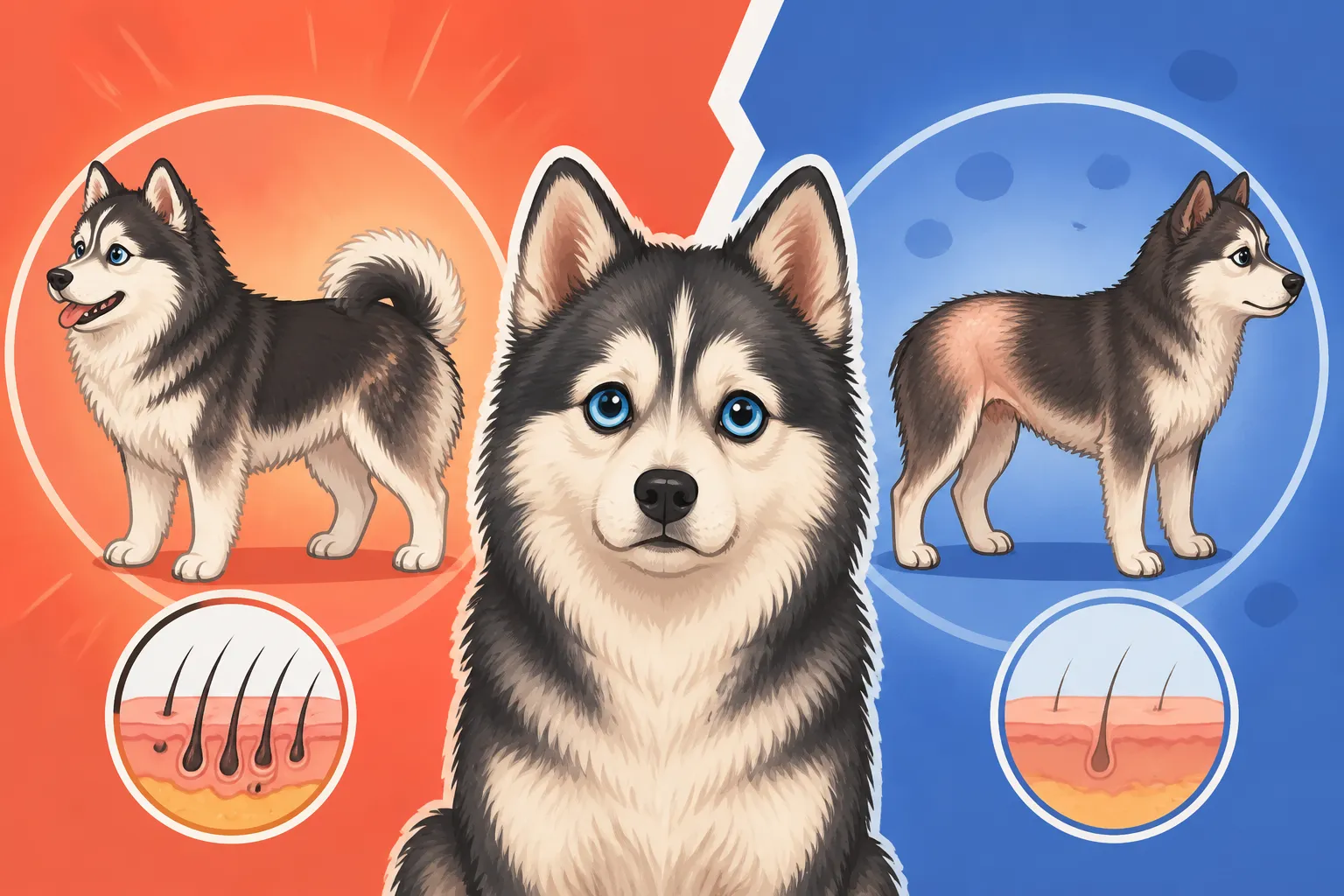
Whether Cushing’s Looks Like Alopecia X in a Pomsky
It's incredibly worrying when your beloved Pomsky starts losing their beautiful coat, and even more so when you're trying to figure out why. Many owners find themselves down a rabbit hole of research, encountering conditions like Alopecia X and Cushing's disease, and the lines can feel incredibly blurry. The frustration of seeing your furry friend's health decline, coupled with the difficulty of distinguishing between complex medical issues, is a common experience. This guide aims to clear up some of that confusion, helping you understand the nuances between Cushing's syndrome and Alopecia X in Pomskies, and what to look for when consulting with your vet.
Understanding Alopecia X in Pomskies
Alopecia X, often referred to as Black Skin Disease, Coat Funk, or Adrenal Sex Hormone Dermatosis, is one of those frustrating conditions primarily affecting plush-coated breeds, and yes, our double-coated Pomskies can certainly be susceptible. It's not a life-threatening condition in itself, but it can be incredibly disheartening for owners to witness their dog's once-luxurious coat diminish.
The Hallmarks of Alopecia X
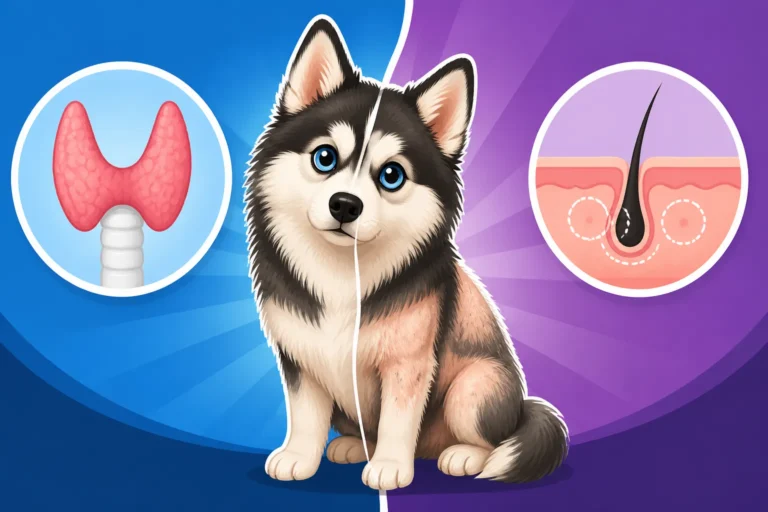
When we talk about Alopecia X, we're usually describing a non-inflammatory, non-itchy hair loss that often progresses slowly. You might first notice the guard hairs — those longer, coarser outer hairs — thinning, eventually leaving behind a soft, woolly undercoat that then also disappears. What's left is often a distinctive patch of darkened, or hyperpigmented, skin. The hair loss is typically symmetrical, meaning it affects both sides of the body in a similar pattern, and often starts in areas like the flanks, hindquarters, chest, and tail. The tail, in particular, can develop a "rat tail" appearance, losing almost all its fur.
One of the most defining characteristics is the lack of itchiness. Unlike many other skin conditions caused by allergies or parasites, a Pomsky with Alopecia X generally isn't scratching, licking, or biting at the affected areas. Their overall demeanor, energy levels, and appetite usually remain completely normal, which can be both a relief and a source of confusion. If you've been grappling with your Pomsky's coat issues, you might find solace in understanding what Alopecia X Does to a Pomsky's Coat. The condition is often diagnosed in young to middle-aged adult dogs, typically appearing between the ages of one and five years, but it can manifest earlier or later. Understanding The Age Alopecia X Starts in a Pomsky can help you be vigilant.
Why Alopecia X is Tricky to Diagnose
The biggest challenge with Alopecia X is that it's largely a "diagnosis of exclusion." This means your vet has to systematically rule out every other possible cause of hair loss before landing on Alopecia X. This can involve a battery of tests, including skin scrapes to check for mites, fungal cultures to rule out ringworm, and blood tests to check thyroid function and other common hormonal imbalances.
It's common for owners to feel frustrated during this process because there isn't one definitive test that says, "Yes, this is Alopecia X." Instead, it's a detective story where the vet gathers clues. They'll look for that classic symmetrical, non-itchy pattern of hair loss and the accompanying hyperpigmentation. A skin biopsy can sometimes help, showing characteristic changes in the hair follicles, but even that isn't always 100% conclusive and primarily serves to confirm the absence of other inflammatory or infectious causes. This careful approach is necessary because several other conditions can mimic parts of Alopecia X, including the very Cushing's disease we're discussing today. This is why discussing Whether a Pomsky's Coat Loss Is Thyroid or Alopecia X is a common conversation to have with your veterinarian.
Decoding Cushing's Disease in Pomskies
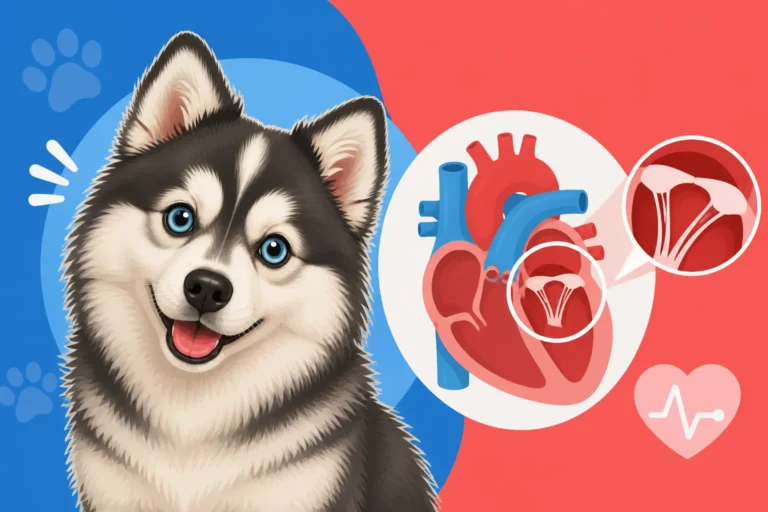
Cushing's disease, or hyperadrenocorticism, is a far more serious and systemic condition than Alopecia X. It results from the body producing too much cortisol, often dubbed the "stress hormone." Cortisol is vital for many bodily functions, but chronically elevated levels can wreak havoc on nearly every system in a dog's body, including their skin and coat.
The Many Faces of Cushing's Syndrome
Cushing's syndrome in dogs typically manifests in two main forms: pituitary-dependent hyperadrenocorticism (PDH) and adrenal-dependent hyperadrenocorticism (ADH). PDH is the more common type, accounting for about 80-85% of cases, and is caused by a benign (usually) tumor in the pituitary gland that overstimulates the adrenal glands to produce cortisol. ADH, on the other hand, is caused by a tumor directly on one of the adrenal glands, which then overproduces cortisol independently. Both types lead to the same problem: an excess of cortisol flooding the system.
This excess cortisol doesn't just affect the skin; it impacts metabolism, immune function, and various organs. The symptoms can be subtle at first and progress slowly, often leading owners to attribute early signs to "just getting older." This insidious onset is part of why it can be so hard to catch in its early stages. It's a condition that affects older dogs more frequently, but it's important to be aware of the signs as your Pomsky ages.
Cushing's and Skin Manifestations
When it comes to skin and coat, Cushing's can indeed present with symptoms that might, at first glance, look similar to Alopecia X, especially the hair loss. However, there are typically crucial differences. In Cushing's, the hair loss is also often symmetrical and non-itchy, but it tends to be more diffuse and generalized over the trunk and body, rather than just specific areas like the tail and flanks. The hair that remains can be dull, dry, and brittle.
Beyond just hair loss, you'll often see other skin changes with Cushing's. The skin itself can become noticeably thinner and more fragile, sometimes leading to easy bruising or prominent veins. Calcinosis cutis, a condition where calcium deposits form in the skin, can also occur, appearing as firm, often bumpy, white-to-yellow patches. Blackheads, or comedones, are also common, particularly on the belly and inner thighs. Unlike Alopecia X, which is primarily a cosmetic issue, these skin changes in Cushing's can lead to secondary skin infections due to the compromised immune system and fragile skin, causing itching and discomfort your Pomsky might not otherwise experience.
Other Key Symptoms of Cushing's
This is where the distinction from Alopecia X really starts to become clear. While Alopecia X is primarily a skin and coat condition with little to no impact on overall health, Cushing's disease comes with a host of systemic symptoms that indicate a much broader internal imbalance. If your Pomsky is suffering from Cushing's, you'll likely notice some of these classic signs:
- Increased Thirst (Polydipsia) and Increased Urination (Polyuria): This is one of the most common and often first noticed signs. Your Pomsky will drink significantly more water and need to go outside to urinate much more frequently, sometimes even having accidents indoors.
- Increased Appetite (Polyphagia): Despite often gaining weight, dogs with Cushing's are frequently ravenously hungry.
- Pot-bellied Appearance: This is due to weakened abdominal muscles and a redistribution of fat internally, giving them a saggy belly.
- Muscle Weakness and Lethargy: You might notice your Pomsky seems less active, has difficulty jumping, or tires easily.
- Panting: Excessive panting, even when at rest or in cool environments, is another common symptom.
- Recurrent Skin Infections: As mentioned, the compromised skin and immune system can lead to frequent bacterial or fungal skin infections.
- Changes in Behavior: Some dogs might become more anxious, restless, or even aggressive due to the hormonal imbalance.
If you observe a combination of these symptoms along with hair loss, it strongly points away from a simple cosmetic condition like Alopecia X and towards a serious internal disease like Cushing's. These broader symptoms are critical for your vet in evaluating your Pomsky's health, and highlight the importance of regular check-ups, especially as your dog ages, for early detection of conditions that might necessitate a full range of The Screening a Pomsky Should Have Yearly.
Differentiating Between Alopecia X and Cushing's
Navigating these two conditions can be complex, even for seasoned veterinarians. However, understanding the key differences in their presentation and the diagnostic process can help you be a more informed advocate for your Pomsky.
Key Diagnostic Approaches
When your Pomsky exhibits hair loss, your vet will begin with a thorough physical examination and a detailed history. They’ll want to know when the hair loss started, if it’s itchy, if your dog’s appetite or thirst has changed, and if there are any other behavioral shifts. This initial conversation is vital.
To differentiate, a vet will typically perform a series of diagnostic tests:
- Routine Blood Work and Urinalysis: These are usually the first steps. A complete blood count (CBC) and chemistry panel can reveal abnormalities often associated with Cushing's, such as elevated liver enzymes (especially alkaline phosphatase), elevated cholesterol, and changes in glucose levels. Urinalysis might show dilute urine, which is characteristic of Cushing's, and could also indicate a urinary tract infection, which is common in dogs with Cushing's due to diluted urine and suppressed immunity. These initial tests usually come back normal with Alopecia X, as it doesn't generally affect internal organ function.
- Specific Hormonal Tests for Cushing's: If routine tests and clinical signs point towards Cushing's, more specialized hormonal tests are needed.
- ACTH Stimulation Test: This measures how well the adrenal glands respond to a synthetic hormone (ACTH). Dogs with Cushing's will typically have an exaggerated response.
- Low-Dose Dexamethasone Suppression Test (LDDS test): This test assesses the adrenal glands' ability to suppress cortisol production. Dogs with Cushing's often fail to suppress cortisol properly.
- Urine Cortisol:Creatinine Ratio: This is sometimes used as a screening test; a normal result makes Cushing's very unlikely, but an abnormal result requires further, more specific testing.
- Skin Biopsy: While not definitive for either, a skin biopsy can show characteristic microscopic changes. For Alopecia X, it might reveal "flame follicles" or "witch's foot" patterns. For Cushing's, it might show thin skin, prominent blood vessels, and lack of inflammation. Crucially, a biopsy helps rule out other causes of hair loss that might be confusing the picture.
It's important to remember that diagnosing Cushing's can be challenging and sometimes requires multiple tests and repeat evaluations due to the fluctuating nature of cortisol.
Here's a quick comparison to help visualize the distinctions:
| Feature | Alopecia X (Black Skin Disease) | Cushing's Disease (Hyperadrenocorticism) |
|---|---|---|
| Primary Cause | Unknown, likely hormonal imbalance (sex hormones) or follicular issue | Excess cortisol production (pituitary or adrenal tumor) |
| Hair Loss | Symmetrical, non-itchy; often flanks, tail, hindquarters. Guard hairs go first. | Symmetrical, non-itchy; often generalized on trunk. Thinning hair, dull coat. |
| Skin Changes | Hyperpigmentation (darkening), sometimes thick. Generally healthy. | Thin, fragile skin; easy bruising; prominent veins; comedones (blackheads); calcinosis cutis (calcium deposits). |
| Itchiness | Typically none | Typically none unless secondary infection occurs |
| Energy/Behavior | Normal | Lethargy, muscle weakness, increased panting, pot-belly. |
| Appetite | Normal | Markedly increased (polyphagia) |
| Thirst/Urination | Normal | Markedly increased (polydipsia/polyuria) |
| Diagnostic Clues | Exclusion of other causes; skin biopsy often characteristic. | Elevated liver enzymes, cholesterol; dilute urine; specific hormonal tests (ACTH stim, LDDS). |
| Prognosis | Cosmetic, generally not life-threatening | Serious, progressive, requires lifelong management |
Why a Vet's Expertise is Crucial
Given the overlap in some symptoms, like symmetrical hair loss, it’s almost impossible for an owner to accurately differentiate between Alopecia X and Cushing's without veterinary intervention. These are complex medical conditions requiring a skilled professional to interpret symptoms, order the correct diagnostic tests, and formulate an appropriate treatment plan. Trying to self-diagnose based on internet research can lead to unnecessary worry, delayed treatment for serious conditions, or misguided remedies.
The cost of diagnosing and treating Cushing's can be significant, involving multiple vet visits, specialized tests, and potentially lifelong medication. This is where having robust pet insurance can be a huge relief. Providers like Healthy Paws offer coverage for unexpected illnesses and accidents, which can certainly include the diagnostics and ongoing care required for a condition like Cushing's. Investing in insurance, potentially from a reputable company like Healthy Paws, early in your Pomsky's life can provide peace of mind for such possibilities. When considering the long-term health of your Pomsky, understanding options like Healthy Paws for conditions such as these can make a real difference.
Treatment Considerations and Management
Once a diagnosis is made, the approach to managing these two conditions diverges significantly. One is largely cosmetic, while the other requires serious medical intervention.
Managing Alopecia X in Pomskies
Since Alopecia X is primarily a cosmetic issue and doesn't affect the dog's overall health or lifespan, treatment often focuses on improving coat appearance and skin health, or simply managing the condition symptomatically.
- Neutering/Spaying: Interestingly, for some intact dogs with Alopecia X, spaying or neutering can sometimes trigger partial or full hair regrowth. This suggests a hormonal component, though it’s not guaranteed. You might recall discussions around Whether Neutering Triggers a Pomsky's Coat Loss in general, and for Alopecia X, it can sometimes be a factor.
- Melatonin Supplementation: This is a common first-line treatment, often given orally. While results vary, some dogs experience significant hair regrowth within a few months. It's thought to influence the hair cycle. You can learn more about What Melatonin Does for a Pomsky With Alopecia X.
- Topical Treatments: Some owners use specific shampoos or conditioners designed to improve skin health and stimulate follicles, though these are generally less effective than systemic treatments.
- Microneedling: This involves creating tiny punctures in the skin to stimulate blood flow and hair follicle activity, sometimes used in conjunction with melatonin.
- Skin Care: Keeping the skin moisturized and protected from sunburn (especially if hair loss is extensive and your Pomsky likes to bask in the sun) is important.
- No Treatment: For many owners, if their Pomsky is otherwise healthy and happy, they choose to simply accept the hair loss, understanding that it doesn't cause discomfort or impact their dog's quality of life. The biggest concern then becomes preventing sunburn on exposed skin, which is a very real issue for a dog with extensive hair loss, even for a furry Pomsky.
Remember, even with successful treatment, hair regrowth can be patchy or temporary, and the condition often recurs. Patience is key. Knowing Whether a Pomsky's Coat Grows Back can be a major relief for owners, even if it's a slow process.
Addressing Cushing's Syndrome
Treating Cushing's disease is about managing the excess cortisol production to alleviate symptoms and improve quality of life. It’s important to understand that Cushing's is typically a lifelong condition requiring ongoing medication and regular monitoring.
- Medication:
- Trilostane (Vetoryl): This is the most commonly prescribed medication. It works by inhibiting an enzyme involved in cortisol production, thereby reducing the amount of cortisol released by the adrenal glands. It's usually given once or twice daily.
- Mitotane (Lysodren): This medication works by selectively destroying the cortisol-producing cells in the adrenal glands. It requires careful monitoring due to potential side effects and is often used less frequently than Trilostane.
- Monitoring: Dogs on Cushing's medication require frequent blood tests (ACTH stimulation tests) to ensure the medication is working effectively and that cortisol levels aren't dropping too low (which can cause Addisonian crisis). This monitoring is crucial, especially in the initial stages of treatment and whenever dosages are adjusted. The ongoing need for veterinary care underscores why having a good insurance plan, such as one from Healthy Paws, can be invaluable for long-term health management.
- Surgery: In cases of adrenal-dependent Cushing's (ADH), surgical removal of the affected adrenal tumor can be curative. However, this is a complex surgery with risks, and not all dogs are candidates. For pituitary-dependent Cushing's (PDH), surgery to remove the pituitary tumor is rarely performed in dogs and is usually reserved for specialist centers.
While treatment for Cushing's aims to control symptoms and improve quality of life, it's not a cure. Most dogs live comfortably with managed Cushing's for several years after diagnosis. Without treatment, Cushing's is progressive and can lead to serious health complications and a significantly reduced lifespan. Understanding The Twelve to Fifteen Years a Pomsky Lives emphasizes the importance of managing such conditions effectively.
Proactive Health Management for Your Pomsky
No matter the specific diagnosis, proactive health management is always the best strategy for your Pomsky. Being vigilant and working closely with your veterinarian are key to a long, happy, and healthy life together.
Regular Vet Check-ups and Observation
Annual or bi-annual veterinary check-ups are non-negotiable for all dogs, but especially as your Pomsky gets older. These visits allow your vet to catch subtle changes that might indicate an underlying health issue. Don’t hesitate to bring up any concerns you have, no matter how minor they seem. You are your Pomsky’s primary advocate and spend the most time with them, so your observations are invaluable.
Pay close attention to changes in their daily habits: Is their appetite different? Are they drinking more water than usual? Are they more tired? Is their coat looking duller or are they losing hair in new places? Any of these observations could be an early warning sign for a condition like Alopecia X or, more seriously, Cushing’s. Even small things like Whether a Pomsky's Nose Loses Pigment could be a clue, though it's usually benign. A diligent pet owner who notices a pattern of excessive drinking and urination and thinks about comprehensive pet insurance like Healthy Paws will be well-prepared for any diagnostic costs.
The Role of Nutrition and Environment
While neither Alopecia X nor Cushing's is directly caused by diet or environmental factors, maintaining optimal overall health can certainly support your Pomsky through any medical challenge.
- Balanced Nutrition: A high-quality, balanced diet suitable for your Pomsky's age, size, and activity level is foundational. Good nutrition supports skin and coat health, immune function, and overall vitality. While there isn't a specific diet to prevent or cure these conditions, a well-fed dog is better equipped to handle illness.
- Stress Reduction: Chronic stress can impact a dog's immune system and general well-being. Ensuring your Pomsky has a stable, loving home environment, consistent routines, and plenty of mental and physical enrichment can help minimize stress.
- Appropriate Exercise: Regular, appropriate exercise helps maintain muscle tone, prevents obesity, and contributes to mental stimulation. For dogs with Cushing's, maintaining muscle strength can be a challenge, so continued gentle exercise is beneficial.
- Grooming: Regular grooming, especially for a double-coated breed like a Pomsky, is crucial. It helps distribute natural oils, removes loose hair, and allows you to routinely inspect their skin for any new lumps, bumps, or changes in coat texture. Learning about The Undercoat Rake a Pomsky Owner Lives With highlights just how important regular grooming is for their specific coat type.
By focusing on these elements, you create a strong foundation for your Pomsky’s health, making them more resilient and giving you a better chance to spot any issues early.
Disclaimer
This article is for general informational purposes only and does not constitute professional advice. Laws, prices and regulations vary by location and change over time. Consult a qualified professional for guidance on your specific situation.