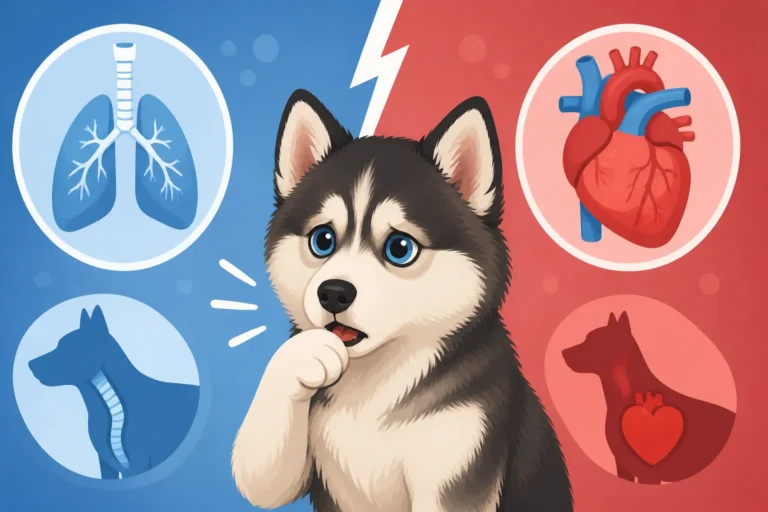
Whether a Pomsky Gets Kennel Cough Easily
It's incredibly worrying when your Pomsky starts showing any signs of illness, especially a cough that sounds persistent and harsh. As a loving pet parent, you naturally want to know if your beloved fur baby is more prone to common canine ailments like kennel cough simply because they're a unique crossbreed. This guide will walk you through everything you need to know about kennel cough and whether your Pomsky faces a higher risk of contracting this pesky respiratory infection.
Understanding Kennel Cough in Pomskies
When you hear the term "kennel cough," it often conjures images of dogs in shelters or boarding facilities, but the truth is, any dog can contract it. For Pomsky owners, understanding what kennel cough actually is and how their unique breed might fit into the picture is the first step toward prevention and peace of mind.
What is Kennel Cough?
Canine infectious respiratory disease complex (CIRDC), more commonly known as kennel cough, isn't just one single illness, but rather a catch-all term for an acute, highly contagious respiratory disease in dogs. It's often caused by a combination of viral and bacterial agents that attack the upper respiratory tract. The primary bacterial culprit is Bordetella bronchiseptica, but viruses like canine parainfluenza virus, canine adenovirus, canine distemper virus, and even canine herpesvirus can also be involved. Imagine getting a bad cold that just won't quit, complete with a sore throat and chest – that's pretty close to what your pup experiences. It's transmitted through airborne droplets from coughing and sneezing, or through direct contact with an infected dog or contaminated surfaces like shared water bowls or toys. This means places where dogs gather, such as dog parks, grooming salons, training classes, or boarding kennels, are prime spots for transmission.
The incubation period for kennel cough is typically between two to fourteen days, meaning your Pomsky could pick it up and not show symptoms for well over a week. This makes it challenging to pinpoint exactly where they might have been exposed. While it’s generally not life-threatening for healthy dogs, it can be quite miserable, and in some cases, especially in puppies, older dogs, or those with compromised immune systems, it can lead to more serious secondary bacterial infections like pneumonia.
Pomsky Susceptibility and Breed Traits
Now, let's get to the heart of the matter for Pomsky owners: are they more susceptible to kennel cough than other dogs? The short answer is generally no, not inherently because of their breed mix. A Pomsky's susceptibility is more about their exposure and individual immune health, rather than their specific genetic makeup from a Siberian Husky and a Pomeranian.
However, certain breed traits could influence how they experience the symptoms. For instance, some Pomskies inherit a more compact trachea from their Pomeranian lineage. This isn't to say it makes them more likely to get kennel cough, but if they do contract it, the characteristic harsh, honking cough might seem more pronounced or even concerning in a dog with a potentially smaller or more sensitive windpipe. You might want to learn more about The Collapsing Trachea a Pomsky Gets From the Pomeranian as it's a condition to be aware of for this mixed breed. A regular, healthy Pomsky, just like any other dog, can get kennel cough if exposed to the pathogens. Their double coat, whether it leans more towards the dense Husky type or the fluffy Pomeranian stand-off coat, doesn't offer any particular protection or increase their risk for respiratory infections. It's the respiratory tract that's affected, not the fur! The key factor remains exposure to other infected dogs, which is why preventive measures are so vital.
Recognizing the Signs and Symptoms
Catching kennel cough early can help your Pomsky feel better faster and prevent potential complications. It's essential to know what to look for so you can act quickly if symptoms appear.
Classic Kennel Cough Indicators
The most unmistakable symptom of kennel cough is, as its name suggests, a cough. But it's not just any cough; it's quite distinctive. Picture this: a dry, persistent, hacking cough that often sounds like your dog has something stuck in their throat. Many owners describe it as a "honking" sound, much like a goose. This cough can be triggered by excitement, exercise, or even slight pressure on their throat, such as from a collar. Sometimes, the coughing fits are so intense that your Pomsky might gag or even produce a foamy phlegm, which owners sometimes mistake for vomiting. This can be particularly concerning if your Pomsky already tends to make interesting noises, so being able to distinguish this particular cough from normal vocalizations is important. You can also educate yourself on The Honking Cough of a Pomsky With a Bad Trachea to understand the nuances of a cough specific to their breed.
Beyond the signature cough, your Pomsky might also exhibit other symptoms similar to a human cold:
- Sneezing: Often accompanies the cough, sometimes vigorously.
- Nasal Discharge: Clear, watery discharge from the nose. In some cases, if a secondary bacterial infection takes hold, this discharge might become thicker and yellowish-green.
- Mild Fever: Your dog might feel warmer to the touch than usual, though a fever isn't always present or severe.
- Lethargy: A general decrease in energy levels. Your usually playful Pomsky might be less interested in walks or games.
- Loss of Appetite: They might not eat with their usual enthusiasm, or refuse food altogether. While not a definitive symptom, it’s always a red flag when a dog, especially one as food-motivated as many Pomskies, turns their nose up at mealtime.
It's important to remember that not all Pomskies will display every single one of these symptoms, and the severity can vary widely. Some dogs might just have a mild, occasional cough, while others experience more distressing coughing fits and general malaise.
When to Seek Veterinary Care
While kennel cough is often a self-limiting illness that resolves on its own within one to three weeks, it’s always best to consult your veterinarian, especially for a Pomsky. The main reason for this is to rule out more serious conditions that can mimic kennel cough symptoms, and to ensure that a secondary bacterial infection doesn't take hold. If your Pomsky seems unusually lethargic, isn't eating or drinking, or has a fever, professional medical attention is definitely warranted. Also, if the nasal discharge turns thick and discolored, or if their breathing becomes labored, don't delay. Puppies, senior Pomskies, or those with underlying health issues (like a known predisposition to tracheal problems) are at higher risk for complications and should be seen by a vet at the first sign of symptoms.
Your vet can provide a proper diagnosis and recommend the best course of action. This might include supportive care to ease symptoms, or antibiotics if a bacterial infection is suspected. Catching and treating any complications early can make a world of difference in your Pomsky's recovery. Proactive care is part of What a Pomsky Needs Daily to maintain optimal health. It’s also wise to consider comprehensive pet insurance, like plans offered by Healthy Paws, which can help mitigate the financial stress of unexpected vet visits and treatments for conditions such as kennel cough and its potential complications.
Prevention Strategies for Pomsky Owners
An ounce of prevention is worth a pound of cure, especially when it comes to highly contagious illnesses like kennel cough. As a Pomsky owner, there are several proactive steps you can take to protect your furry friend.
Vaccination is Key
The most effective way to protect your Pomsky from kennel cough is through vaccination. There isn't one universal kennel cough vaccine, but rather vaccines targeting the most common pathogens, primarily Bordetella bronchiseptica and canine parainfluenza virus. The Bordetella vaccine comes in three forms: injectable, intranasal (nasal drops), and oral (given by mouth). Each has its own administration schedule and onset of immunity, so your veterinarian will help you decide which is best for your Pomsky based on their lifestyle and risk factors.
The injectable vaccine typically requires two doses given a few weeks apart for initial immunization, followed by annual boosters. The intranasal and oral vaccines often provide protection more quickly and usually only require a single dose annually. These are often preferred for dogs at higher risk of exposure, as they can stimulate local immunity in the respiratory tract where the infection typically takes hold.
| Vaccine Type | Administration Method | Doses (Initial) | Onset of Immunity | Duration |
|---|---|---|---|---|
| Injectable | Subcutaneous Injection | 2 (3-4 weeks apart) | 2-4 weeks | 1 year |
| Intranasal | Nasal Drops | 1 | 3-5 days | 1 year |
| Oral | Oral Syringe | 1 | 3-5 days | 1 year |
Discuss your Pomsky's routine with your vet. If your Pomsky goes to daycare, grooming, boarding, or frequent dog park visits, regular kennel cough vaccination is usually highly recommended, or even required by many facilities. While vaccines are incredibly effective, they don't offer 100% guaranteed immunity against all strains or types of kennel cough, much like the flu shot for humans. However, they significantly reduce the severity of symptoms and the duration of the illness if your Pomsky does contract it. Remember, preventive care like vaccinations is a routine expense, but should your Pomsky need treatment for an illness, having pet insurance from providers like Healthy Paws can be a lifesaver for unexpected costs.
Managing Exposure Risks
Beyond vaccination, smart management of your Pomsky's environment and social interactions can drastically reduce their risk of exposure. Kennel cough thrives in situations where many dogs are congregated in close quarters.
- Dog Parks: While fantastic for exercise and socialization, dog parks can be hotspots for kennel cough. If there's a known outbreak in your area, or if you notice many dogs coughing at the park, it's wise to temporarily avoid them. Instead, opt for solo walks or playdates with vaccinated, healthy friends. Always be mindful of other dogs and if any seem unwell, keep your distance. You might find more tips on safe socialization by reading Whether a Pomsky Is Safe at a Dog Park.
- Boarding and Daycare Facilities: When choosing a boarding kennel or doggy daycare, inquire about their vaccination requirements and cleaning protocols. Reputable facilities will insist on up-to-date vaccinations for all their canine guests and maintain rigorous sanitation standards.
- Groomers and Trainers: Similar to boarding facilities, ensure your groomer or trainer also requires proof of current vaccinations from all their clients.
- Avoid Shared Items: Don't let your Pomsky share water bowls or toys with unknown dogs, especially in public spaces. Bring your own portable water bowl and ensure it's cleaned regularly.
- Hand Hygiene: If you've been around other dogs, especially at a veterinary clinic or a dog park, wash your hands thoroughly before interacting with your Pomsky.
By being mindful of where your Pomsky goes and who they interact with, you can significantly lower their chances of picking up this common respiratory bug. This holistic approach to health contributes to The Twelve to Fifteen Years a Pomsky Lives a healthy life.
General Health and Immunity
A strong immune system is your Pomsky's best defense against any illness, including kennel cough. Supporting their overall health can help them ward off infections or recover more quickly if they do get sick.
- Nutrition: A high-quality, balanced diet provides all the essential nutrients your Pomsky needs to maintain a robust immune system. Look for reputable brands with wholesome ingredients. If you're wondering about specifics, Feeding a Twenty Pound Pomsky offers great advice on tailoring their diet.
- Exercise: Regular exercise keeps your Pomsky physically fit and helps reduce stress, both of which are crucial for immune function. A well-exercised Pomsky is a happy and healthier Pomsky. Remember, The Exercise a Pomsky Needs Every Day is vital for their physical and mental well-being.
- Stress Reduction: Stress can suppress the immune system. Provide a consistent routine, a comfortable environment, and plenty of mental stimulation to keep your Pomsky happy and relaxed.
- Regular Veterinary Check-ups: Routine check-ups allow your vet to catch any potential health issues early, ensure vaccinations are up to date, and offer personalized advice on maintaining your Pomsky's health. This is a crucial part of The Screening a Pomsky Should Have Yearly.
- Good Hygiene at Home: Keep your Pomsky's bedding clean, regularly wash their food and water bowls, and promptly clean up any accidents. A clean home environment reduces the spread of germs.
By fostering an environment that promotes overall well-being, you're not just preventing kennel cough, but contributing to your Pomsky's long-term health and happiness.
Treatment and Recovery for Your Pomsky
If despite your best efforts, your Pomsky does come down with kennel cough, don't panic. Most cases are mild and resolve with supportive care. However, knowing when to escalate to veterinary intervention is crucial.
Home Care and Comfort
For mild cases of kennel cough, home care focuses on making your Pomsky as comfortable as possible while their body fights off the infection.
- Rest: Just like humans with a cold, your Pomsky needs plenty of rest. Reduce strenuous exercise and limit exciting activities. Think cozy naps and quiet time. Avoid long walks or intense play sessions that could exacerbate their cough.
- Humidifiers: A humidifier in the room where your Pomsky rests can help soothe their irritated airways and loosen any mucus, making coughing less painful and more productive. You can also try taking your Pomsky into a steamy bathroom for 10-15 minutes, two to three times a day.
- Warmth: Ensure your Pomsky is kept warm and away from drafts. A comfortable bed in a quiet, warm spot is ideal.
- Hydration: Encourage them to drink plenty of fresh water. You might add a little low-sodium chicken broth to their water bowl to entice them, or offer ice cubes. Good hydration helps keep mucus thin and prevents dehydration, especially if they're not eating much.
- Diet: If your Pomsky is off their food, offer tempting, bland options like boiled chicken and rice, or a high-quality wet food. Small, frequent meals might be easier for them to manage.
- Avoid Irritants: Steer clear of cigarette smoke, strong perfumes, or harsh cleaning chemicals that could further irritate their sensitive respiratory system.
- Harness Over Collar: If you need to walk your Pomsky, use a harness instead of a collar. Pressure on the windpipe from a collar can trigger severe coughing fits. This is also important to consider generally, as discussed in articles like Why a Pomsky Should Wear a Harness.
Always monitor your Pomsky closely for any worsening symptoms. If their cough becomes more frequent, they struggle to breathe, or their lethargy increases, it’s time to call the vet.
Veterinary Treatments
When home care isn't enough, or if your Pomsky's symptoms are severe or persistent, your veterinarian will likely prescribe specific treatments.
- Antibiotics: While kennel cough is often viral, secondary bacterial infections are common. If your vet suspects a bacterial component, or if the illness has progressed, they might prescribe antibiotics like doxycycline. These target the bacterial agents, helping to clear up infections and prevent pneumonia. It's crucial to administer the full course of antibiotics, even if your Pomsky seems to be feeling better, to ensure the infection is completely eradicated.
- Cough Suppressants: For dogs with particularly harsh or painful coughs, a vet might prescribe cough suppressants. These can provide much-needed relief, allowing your Pomsky to rest more comfortably and recover faster. However, these are generally not recommended for coughs that are productive (i.e., bringing up phlegm), as suppressing the cough could hinder the clearing of the respiratory tract.
- Anti-inflammatory Medications: In some cases, anti-inflammatory drugs might be used to reduce inflammation in the airways, making breathing easier and reducing discomfort.
- Bronchodilators: If there's significant airway constriction, bronchodilators may be used to open up the airways and improve breathing.
- Hospitalization: In rare, severe cases, especially if pneumonia develops, your Pomsky might require hospitalization for intravenous fluids, oxygen therapy, and more intensive medical care.
The cost of veterinary treatment can add up quickly, especially if complications arise. This is where pet insurance, like policies from Healthy Paws, can really make a difference. Having a good insurance plan can help cover a significant portion of these unexpected expenses, allowing you to focus on your Pomsky's recovery without the added financial strain. When looking into pet insurance, it’s wise to understand factors like Insuring a Pomsky Against Two Parent Breeds to ensure you get comprehensive coverage for your unique companion.
Disclaimer
This guide is intended for informational purposes only and does not constitute professional veterinary advice. Always consult with a qualified veterinarian for any health concerns or before making any decisions about your Pomsky's health or treatment.