Whether a Pomsky’s Breathing Sounds Normal
It’s truly unsettling when you hear your beloved Pomsky making unusual noises, especially when it comes to their breathing. You wonder if that little snort was just a quirky Pomsky thing, or if it's a sign of something more serious. This comprehensive guide is here to help you understand what constitutes normal breathing for your Pomsky, identify common sounds that might be concerning, and know precisely when it's time to seek professional veterinary advice.
Understanding Normal Pomsky Breathing at Rest
When your Pomsky is peacefully asleep or just chilling out, their breathing should generally be quiet and rhythmic. Unlike some larger breeds with deeper, more audible breaths, or short-nosed breeds that might always sound a bit congested, a healthy Pomsky's respiration at rest should be almost silent. You might only notice the gentle rise and fall of their chest and abdomen.
What Does a Healthy Respiratory Rate Look Like?
A normal respiratory rate for an adult dog at rest, including your Pomsky, typically falls between 15 to 30 breaths per minute. This can vary a little depending on their size, age, and even the ambient temperature. To check this, you can observe your Pomsky when they're calm and relaxed – ideally, while they’re sleeping soundly. Count how many times their chest rises in 15 seconds, then multiply that number by four. If you get a count consistently outside this range, especially on the higher side without any exertion, it’s worth noting.
For puppies, this rate can be a bit higher, sometimes up to 40 breaths per minute, due to their higher metabolism and excitement levels. However, if a puppy is consistently breathing rapidly even when asleep, that could be a red flag. Remember, this is about resting rates. If your Pomsky has just had a vigorous play session or a long walk, their breathing will naturally be faster and heavier, and that's perfectly normal as they cool down and recover.
Variations from Pomeranian and Husky Traits
Pomskies are a delightful mix of two very different breeds: the robust Siberian Husky and the delicate Pomeranian. This unique genetic blend means their breathing can sometimes lean towards one parent or the other, or exhibit a combination of traits. Huskies are known for their endurance and efficient respiratory systems, allowing them to pull sleds over long distances. Their breathing is typically strong and clear. Pomeranians, on the other hand, while not considered brachycephalic (short-nosed), do have smaller muzzles and windpipes, making them more prone to certain respiratory challenges.
Therefore, a Pomsky might inherit a somewhat smaller trachea from their Pomeranian side, or a more open airway from their Husky heritage. Most Pomskies tend to have more moderate snouts than a flat-faced breed, but individual variation is huge. Observing your dog's specific anatomy can give you clues. If your Pomsky has a slightly shorter snout, their breathing might naturally sound a little different from a littermate with a longer, more Husky-like muzzle. This spectrum of traits is what makes Pomskies so fascinating, but it also means owners need to be observant about what is "normal" for their individual dog.
Identifying Common Abnormal Breathing Sounds
While a quiet, steady breath is ideal, sometimes you'll hear sounds from your Pomsky that are out of the ordinary. It's important to distinguish between benign quirks and signs of actual distress. Let's dive into some common abnormal sounds you might encounter.
The Mysterious Reverse Sneeze
Ah, the reverse sneeze. If you've never witnessed one, it can be quite alarming the first time your Pomsky does it. It sounds like they're trying to inhale a sneeze, often characterized by loud, rapid, snorting sounds. They might stand still, extend their neck, and seem to be struggling for air. However, despite how dramatic it appears, a reverse sneeze is usually harmless and quite common in smaller breeds, including those with Pomeranian lineage.
It's caused by a spasm of the soft palate and throat, often triggered by irritants like dust, pollen, excitement, or even pulling on the leash. While it looks concerning, your Pomsky is generally able to breathe normally before and after the episode. These episodes typically last from a few seconds to a minute or two. If your Pomsky experiences one, try to stay calm. Gently massaging their throat or covering their nostrils for a second to encourage swallowing can sometimes help stop the spasm. You can learn more about this by reading our article on whether a pomsky reverse sneezes. If your Pomsky is doing this frequently, or if the episodes are prolonged and accompanied by other symptoms like lethargy or coughing, it's always best to check in with your vet to rule out other issues.
The Distinctive Honking Cough
A persistent, dry, hacking cough that sounds like a goose honking is a classic sign of a condition known as tracheal collapse. This is a very real concern for Pomskies, as it's a common inherited issue from the Pomeranian side of their family tree. The trachea, or windpipe, is made of rings of cartilage. In tracheal collapse, these rings weaken and flatten, making it difficult for air to pass through freely. This often leads to that distinctive cough, especially when your dog is excited, pulling on a leash, or when pressure is applied to their neck.
Imagine trying to breathe through a flattened straw – that's what it can feel like for your Pomsky. While it can range from mild to severe, it's a progressive condition. If you notice your Pomsky developing this honking cough, it's crucial to consult your veterinarian. They can often diagnose it with X-rays. Management typically involves medication to reduce inflammation and suppress the cough, weight management, and importantly, switching from a collar to a harness to avoid pressure on the windpipe. Our article on the honking cough of a pomsky with a bad trachea dives deeper into this specific issue.
Wheezing, Rattling, and Heavy Panting
These sounds are definite red flags. Wheezing, a high-pitched whistling sound, often indicates narrowing of the airways, similar to what you might hear in a person with asthma. It could be due to allergies, bronchitis, or other inflammatory conditions in the lungs or airways. Rattling sounds, on the other hand, can suggest fluid or mucus in the lungs, which could point to more serious issues like pneumonia or even heart failure.
Heavy panting that isn't related to exercise, heat, or excitement is also concerning. While Huskies are known to pant to cool down, excessive or unexplained panting in a Pomsky, especially if accompanied by other signs of distress, can signal pain, anxiety, or an underlying medical problem. If your Pomsky is regularly panting heavily without a clear reason, or if their panting seems unusually labored, don't hesitate to seek veterinary advice. A company like Healthy Paws, for example, could help with the costs associated with diagnosing these issues.
When to Seek Veterinary Attention Immediately
Knowing when to call the vet isn't always easy, especially with a breed as expressive and quirky as the Pomsky. However, certain breathing changes warrant immediate attention. It’s always better to be safe than sorry, and a quick trip to the vet can make all the difference.
Signs of Respiratory Distress
True respiratory distress is a medical emergency. If you observe any of the following signs in your Pomsky, it's time to drop everything and head to the nearest emergency veterinary clinic:
- Labored Breathing: This isn't just fast breathing; it's effortful breathing. You might see your Pomsky's chest and abdomen heaving, their nostrils flaring with each breath, or their elbows sticking out from their body as they try to expand their chest. They might refuse to lie down, preferring to stand or sit with their neck extended.
- Blue or Purple Gums/Tongue (Cyanosis): This is a critical sign that your Pomsky isn't getting enough oxygen. Normal gums should be pink and moist. If they look bluish or purplish, it indicates a severe lack of oxygen and requires immediate intervention. This is a life-threatening situation.
- Excessive Panting or Drooling When Not Hot/Exercising: While some panting is normal, if your Pomsky is panting intensely and relentlessly for no apparent reason, especially if it's accompanied by profuse drooling, they could be in distress. This could be a sign of anything from pain to overheating (check out our article on signs a pomsky is overheating for more information on that specific risk).
- Persistent Coughing or Gagging with Vomit/Foam: While a mild, occasional cough might be nothing, if your Pomsky is coughing uncontrollably, gagging, or bringing up foamy discharge, it needs investigation. This could indicate a severe infection, a foreign object lodged in their throat, or a serious cardiac issue.
- Collapse or Weakness: If your Pomsky collapses or becomes suddenly very weak alongside any breathing issues, it's a dire sign that their body isn't getting the oxygen it needs.
Underlying Health Conditions Affecting Breathing
Beyond acute emergencies, several chronic conditions can affect your Pomsky's breathing over time. Being aware of these can help you monitor your dog and work with your vet to manage them.
- Tracheal Collapse: As mentioned earlier, this inherited condition can worsen with age or excitement. Regular vet check-ups are key.
- Heart Disease: Just like humans, dogs can develop heart conditions. If a Pomsky gets heart disease, fluid can build up in their lungs, leading to coughing, wheezing, and labored breathing. Our article on whether a pomsky gets heart disease delves into this further. A persistent cough that sounds like it's coming from the chest, especially if it's worse at night or after exercise, can be a symptom of cardiac issues.
- Obesity: An overweight Pomsky has to work harder to breathe, especially in hot weather or during exercise. Excess fat around the chest and neck can restrict lung function. Keeping your Pomsky at a healthy weight is vital for their overall health, including their respiratory system. For more on this, you can check out whether an overweight pomsky coughs more.
- Allergies and Asthma: Pomskies can develop environmental allergies, leading to inflammation in their airways, coughing, and wheezing. Your vet might suggest allergy testing or prescribe antihistamines or steroids.
Regular wellness exams are your best defense against these issues. If your Pomsky is showing any of these concerning signs, don't delay. Early diagnosis and treatment are crucial. It's during these unexpected visits that having pet insurance, perhaps from a provider like Healthy Paws, can really make a difference, helping to cover diagnostic tests and treatments.
Factors Influencing a Pomsky's Breathing Health
A Pomsky's breathing isn't just about their internal anatomy; it's also heavily influenced by their environment, lifestyle, and overall health. Understanding these factors can empower you to create the best possible conditions for your furry friend.
Environmental Conditions and Climate
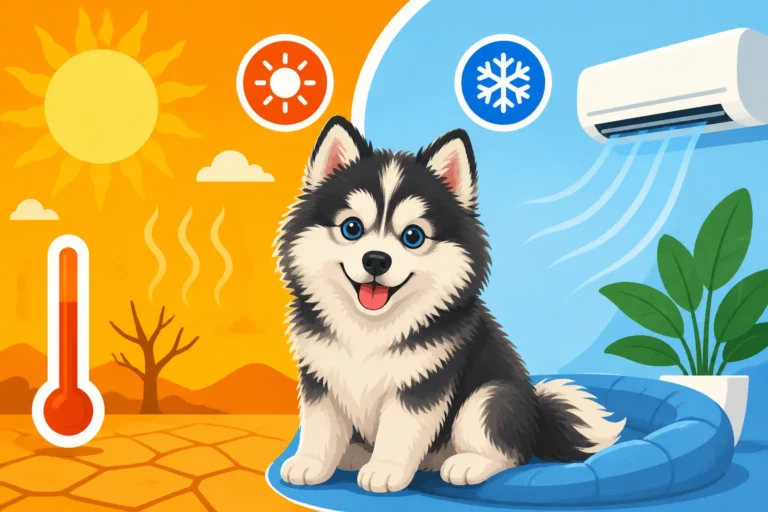
Pomskies, with their dense double coats, are generally well-suited for cooler climates, thanks to their Husky heritage. This thick insulation, while fantastic for keeping them warm in winter, can become a significant liability in hot, humid weather. When temperatures soar, their breathing system works overtime to cool their bodies through panting. If they can't effectively dissipate heat, they risk overheating, which can quickly lead to heatstroke.
If you live in a warmer climate, you need to be extremely vigilant. Walks should be scheduled for the coolest parts of the day – early mornings and late evenings. Provide plenty of fresh water and access to shade. Never, ever leave your Pomsky in a parked car, even for "just a minute," as temperatures inside can skyrocket rapidly, leading to fatal consequences. You can read more about whether a pomsky overheats more than a husky to understand this risk better. Maintaining a cool indoor environment with air conditioning or fans is crucial during summer months.
Exercise and Activity Levels
While a Pomsky needs a good amount of exercise to stay physically and mentally healthy – think around 60-90 minutes of vigorous activity spread throughout the day, as detailed in our article on the exercise a pomsky needs every day – the type and intensity of that exercise matter, especially for their breathing. High-impact or prolonged exercise in warm weather can quickly overwhelm their cooling system.
It's important to build up your Pomsky's endurance gradually. Pay close attention to their breathing during and after exercise. If they are panting excessively, struggling to catch their breath, or showing any signs of distress like stumbling or collapsing, stop immediately and get them to a cool, shaded area. Always carry water for them on walks. For Pomskies prone to tracheal collapse, a gentle pace and a harness are essential to prevent strain on their windpipe. Remember, every dog is an individual; what one Pomsky can handle, another might not.
Weight Management and Dental Health
It might seem strange to link weight and dental health to breathing, but for a Pomsky, these factors play a significant role. As discussed, an overweight Pomsky faces increased strain on their respiratory and cardiovascular systems. Extra fat around the neck can put pressure on the trachea, exacerbating conditions like tracheal collapse. Maintaining a lean body condition is one of the best things you can do for your Pomsky's long-term breathing health. Work with your vet to determine an ideal weight and feeding plan.
Dental health is another often-overlooked aspect. Pomskies, particularly those with more Pomeranian-like smaller mouths, are highly prone to dental crowding. This can lead to severe dental disease, including gum infections and abscesses. Believe it or not, severe dental infections can sometimes spread, leading to respiratory infections or even affecting heart health. The pain and inflammation from advanced dental disease can also contribute to overall stress on the body, which can impact breathing patterns. Regular dental care, including professional cleanings, is vital. Our piece on dental disease in a pomsky's crowded mouth offers more insights into this specific challenge.
It’s about looking at the whole picture when it comes to your Pomsky’s breathing. By managing these environmental and health factors, you can significantly contribute to their comfort and well-being. And having a reliable pet insurance plan, like one from Healthy Paws, can give you peace of mind knowing you're prepared for whatever medical needs arise.
Common vs. Concerning Breathing Sounds in Pomskies
To help you quickly differentiate, here's a table summarizing common sounds and when to be concerned.
| Sound Description | Normal/Common (Usually Benign) | Potentially Concerning (Vet Consultation Recommended) | Emergency (Seek Immediate Vet Care) |
|---|---|---|---|
| Quiet Breathing | Even, barely audible chest movement at rest (15-30 breaths/min). | ||
| Snorting/Snuffling | Occasional, light snorts, especially after sniffing or waking. | Loud, frequent snorting, consistent obstruction-like sounds. | |
| Reverse Sneeze | Brief episodes of rapid, inward snorts, self-resolving. | Very frequent or prolonged episodes, accompanied by other symptoms. | Difficulty recovering, blue gums after an episode. |
| Panting | After exercise, excitement, or in warm weather (to cool down). | Excessive panting without clear reason, unusual sounds with panting. | Labored panting, blue gums, collapse, or profuse drooling. |
| Soft Snoring | Light, consistent snoring during deep sleep, often positional. | Loud, disruptive snoring, struggling for air during sleep. | Sudden cessation of breathing during sleep, gasping for air. |
| Coughing | Occasional, mild cough, clearing throat. | Dry, honking cough (tracheal collapse), moist/wet cough (chest issue). | Persistent, severe coughing, gagging, coughing up foam/blood. |
| Wheezing | Any whistling or high-pitched sound on inhale/exhale. | Severe wheezing with labored breathing, blue gums. | |
| Gagging/Swallowing | Occasional swallowing, clearing throat after eating. | Frequent gagging, persistent swallowing attempts without cause. | Gagging with severe distress, foreign object visible/suspected. |
Disclaimer
The information provided in this article is for general informational purposes only and is not a substitute for professional veterinary advice, diagnosis, or treatment. Always seek the advice of your veterinarian or other qualified animal health provider with any questions you may have regarding a medical condition. Never disregard professional veterinary advice or delay in seeking it because of something you have read in this article.