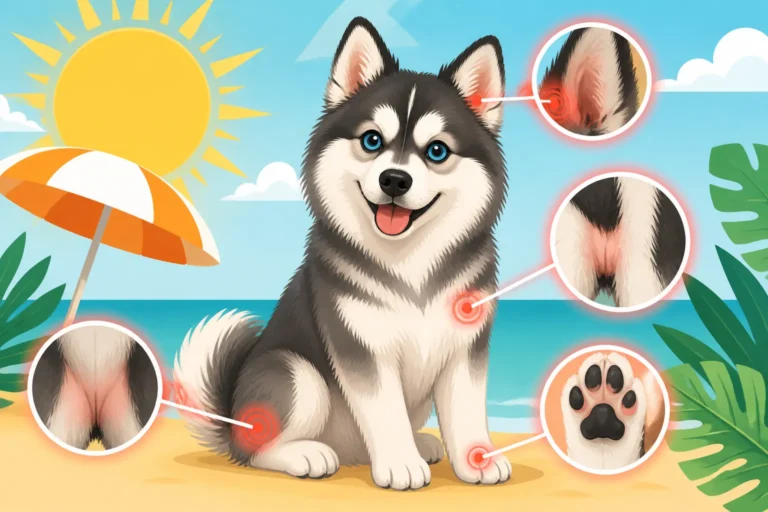
Whether a Pomsky Develops Diabetes
One of the biggest worries for any Pomsky parent, beyond the usual puppy antics, is navigating the maze of potential health issues their beloved furry friend might face. When it comes to something as serious and life-altering as diabetes, it’s completely natural to feel a knot of anxiety. This guide is here to unravel those concerns, offering a clear, empathetic look at whether Pomskies are prone to developing diabetes, what to look out for, and how best to support your dog if this challenge arises.
Understanding Canine Diabetes Mellitus in Pomskies
Living with a Pomsky means embracing a mix of two distinct breeds, the spirited Pomeranian and the majestic Siberian Husky, each bringing their own unique genetic blueprint. This genetic lottery can sometimes include predispositions to certain health conditions, and diabetes mellitus is one that often raises questions among owners.
What Exactly is Canine Diabetes?
At its heart, canine diabetes mellitus is a metabolic disease characterized by high blood sugar (glucose) levels. It occurs when a dog's body either doesn't produce enough insulin (Type I diabetes) or can't properly use the insulin it does produce (Type II diabetes). For dogs, Type I diabetes, an insulin-dependent form where the pancreas fails to produce insulin, is by far the most common type. This is often an autoimmune condition where the body mistakenly attacks its own insulin-producing cells. Type II, which involves insulin resistance and is more common in humans, is rare in dogs but can sometimes occur, particularly in obese animals.
Insulin acts like a key, unlocking cells to allow glucose to enter and be used for energy. Without enough insulin, or without cells responding to it, glucose builds up in the bloodstream, leading to various health problems. It's a serious condition that requires lifelong management, but with proper care, diabetic dogs can still live fulfilling lives. Just like us, dogs need that glucose for everything from running zoomies to simply thinking about their next meal. When that system goes haywire, it impacts every part of their well-being.
Genetic Predisposition in Parent Breeds
When we look at whether a Pomsky might develop diabetes, we have to consider its lineage. The Pomsky is a relatively new designer breed, which means we often look to the parent breeds – the Siberian Husky and the Pomeranian – for insights into potential genetic health concerns.
Siberian Huskies are generally considered a robust breed with a relatively low incidence of many common canine diseases. While they can develop diabetes, they aren't typically highlighted as a breed with a significantly higher genetic predisposition compared to others. Their energy levels and often leaner build, when properly exercised and fed, can contribute to good metabolic health. However, like any breed, individual Huskies can still be affected, especially if environmental factors like obesity come into play.
Pomeranians, on the other hand, are sometimes listed among breeds with a slightly higher risk for diabetes, though it's still not as prominent as in some other small breeds. This might be due to a combination of genetic factors, and perhaps a propensity for some Poms to become overweight if their diet and exercise aren't carefully managed. They are also prone to other endocrine issues, which can sometimes be linked or confused with symptoms that might appear diabetic. Understanding The Two Opposite Disease Lists a Pomsky Inherits can help shed light on the broad spectrum of health possibilities.
Given this mixed genetic background, a Pomsky's risk for diabetes isn't considered exceptionally high, but it's not non-existent either. It's more of a moderate risk, with individual genetics playing a significant role. This emphasizes why responsible breeding, focusing on healthy parent lines, is so crucial for Pomskies. While a Pomsky puppy from healthy, well-screened parents might have a lower statistical risk, it doesn't offer a complete guarantee. Vigilance and proactive care remain key for all Pomsky owners.
Recognizing the Signs and Symptoms of Diabetes in Your Pomsky
One of the best tools a Pomsky owner has in their arsenal is observation. Being attuned to your dog's normal behavior and habits allows you to quickly spot when something is amiss. Diabetes can sneak up on you, with early signs sometimes being subtle, but understanding what to look for can make all the difference in catching it early.
Early Warning Signs to Watch For
The classic indicators of diabetes in dogs are often referred to as the "four P's," and they are crucial for any pet parent to be aware of:
- Polyuria (Increased Urination): You might notice your Pomsky needing to go outside more frequently, having accidents indoors despite being house-trained, or producing larger volumes of urine. This happens because the excess glucose in the bloodstream spills into the urine, pulling water with it.
- Polydipsia (Increased Thirst): To compensate for the fluid lost through excessive urination, your Pomsky will drink much more water. You might find yourself refilling their bowl more often, or they might seek out water from unusual sources.
- Polyphagia (Increased Appetite): Despite eating more, your Pomsky might seem constantly hungry. This is because their cells aren't getting the glucose they need for energy, tricking the body into thinking it's starving.
- Weight Loss: Paradoxically, even with an increased appetite, your Pomsky might start losing weight. This is because the body is breaking down fat and muscle for energy in the absence of usable glucose.
Beyond these four core signs, there are other, more subtle symptoms that can manifest as the disease progresses. You might notice a lack of energy or lethargy, which could be mistaken for simply "getting older" or being less active. Changes in their coat quality, such as dullness or dryness, can also occur. Some Pomskies might even develop a sweet or fruity smell to their breath, a sign of a serious complication called diabetic ketoacidosis, which is an emergency. It's also worth noting that diabetes can sometimes be linked to other health issues, such as The Collapsing Trachea a Pomsky Gets From the Pomeranian or even more generalized conditions affecting The Twelve to Fifteen Years a Pomsky Lives.
When to Seek Veterinary Attention
If you observe any of these signs, especially a combination of them, it’s imperative to contact your veterinarian without delay. Early diagnosis and intervention can significantly improve your Pomsky's prognosis and quality of life. Don't wait to see if the symptoms get worse; a prompt check-up is always the best course of action.
Your vet will likely perform a series of diagnostic tests. This usually begins with a thorough physical examination and a discussion of your Pomsky's symptoms and history. Key diagnostic tools include blood tests to measure glucose levels and a urinalysis to check for glucose and ketones in the urine. Sometimes, a fructosamine test, which gives an average blood glucose level over the past two to three weeks, is also used to confirm the diagnosis and monitor treatment effectiveness.
Prompt veterinary care is not just about confirming a diagnosis; it's about initiating treatment before more severe complications, such as cataracts, nerve damage, or kidney disease, set in. These complications can significantly impact your Pomsky's comfort and long-term health. While it can be scary to receive a diagnosis of a chronic illness, remember that you're not alone, and your vet will guide you through the next steps.
Managing Diabetes in a Pomsky
Receiving a diagnosis of diabetes for your Pomsky can feel overwhelming. It's a chronic condition that demands commitment and consistency, but with the right approach, many diabetic dogs continue to lead happy, active lives. The key is strict management and working closely with your veterinary team.
Treatment Protocols and Lifestyle Adjustments
For most dogs with Type I diabetes, the cornerstone of treatment is daily insulin injections. This might sound daunting at first, but with a little practice, many owners become adept at giving these injections quickly and painlessly. Your vet will determine the appropriate type and dose of insulin and will teach you how to administer it. Consistency is paramount: insulin should be given at the same time each day, usually after a meal, to maintain stable blood sugar levels.
Dietary management is equally critical. Diabetic Pomskies typically benefit from a diet that is high in fiber and complex carbohydrates. Fiber helps slow the absorption of glucose, preventing sharp spikes in blood sugar. Your vet might recommend a specific therapeutic diet formulated for diabetic dogs. These diets are carefully balanced to help regulate blood glucose. It’s important to stick to this diet and avoid giving unauthorized treats, which can throw off your Pomsky's blood sugar. Feeding a Twenty Pound Pomsky can already be a precise task, and with diabetes, it becomes even more vital to measure portions accurately and consistently.
Regular, moderate exercise is also beneficial. It helps improve insulin sensitivity and contributes to overall health, making it easier for your Pomsky's body to utilize glucose. However, intense or erratic exercise can sometimes cause blood sugar fluctuations, so consistency is key. Work with your vet to establish an appropriate exercise routine that avoids extreme exertion. This routine is important throughout their lives, even as they age, as proper Exercise for an Old Pomsky can impact their overall well-being.
Your vet will likely schedule regular follow-up appointments to monitor your Pomsky's progress. This will involve checking blood glucose curves, adjusting insulin dosages as needed, and performing general health checks. Open communication with your vet is vital; don't hesitate to report any changes in your Pomsky's behavior, appetite, or urination.
Long-Term Outlook and Potential Complications
The long-term outlook for a Pomsky with diabetes is generally good, provided the condition is diligently managed. With consistent insulin therapy, a proper diet, and a stable routine, many dogs live for years after diagnosis with a good quality of life. It’s a marathon, not a sprint, and patience and dedication are key.
However, it's also important to be aware of potential complications that can arise even with the best management. One of the most common complications is the development of cataracts, which can lead to blindness. Diabetic cataracts often progress rapidly, sometimes even appearing within weeks or months of diagnosis. If your Pomsky's vision seems to be declining, discuss this with your vet. This is closely related to The Juvenile Cataracts a Pomsky Gets From the Husky and overall eye health, which often concerns Pomsky owners due to the Husky lineage.
Other potential complications include:
- Urinary Tract Infections (UTIs): High glucose levels in the urine can create a favorable environment for bacterial growth.
- Diabetic Neuropathy: While more common in cats, some dogs can develop nerve damage, particularly affecting the hind legs.
- Kidney Disease: Long-term diabetes can sometimes put a strain on the kidneys.
- Pancreatitis: Inflammation of the pancreas can sometimes occur alongside diabetes.
Navigating chronic conditions like diabetes often brings financial worries, and having a good pet insurance plan from providers like Healthy Paws can truly be a lifesaver. These plans can help cover the ongoing costs of insulin, syringes, special diets, and regular vet visits required for managing diabetes. If your Pomsky does develop diabetes, the ongoing costs of insulin and monitoring can be significant, making a robust pet insurance policy from a company such as Healthy Paws a wise investment to ensure they receive the best care without financial strain. Pet owners often find peace of mind knowing they are prepared for such eventualities.
Here’s a quick overview of key management aspects:
| Aspect | Description | Importance |
|---|---|---|
| Insulin Therapy | Daily injections, precise dosage, consistent timing, proper storage. | Essential for regulating blood sugar; Type I diabetes requires it. |
| Dietary Management | High-fiber, complex carbohydrate diet; consistent meal times and portions; avoidance of unauthorized treats. | Stabilizes blood glucose, prevents spikes, supports overall health. |
| Exercise Routine | Regular, moderate activity; consistent daily schedule; avoid extremes. | Improves insulin sensitivity, helps maintain healthy weight. |
| Glucose Monitoring | Regular blood glucose checks (at home or vet), fructosamine tests. | Tracks treatment effectiveness, allows for dose adjustments. |
| Regular Vet Checks | Frequent follow-ups, general health screenings, early detection of complications. | Crucial for ongoing management, prevents or mitigates secondary issues. |
Preventing and Minimizing Risk Factors
While some genetic predispositions are beyond our control, there's a lot you can do as a Pomsky owner to minimize the environmental risk factors for diabetes and promote overall health. Proactive care is truly the best prevention.
The Role of Diet and Weight Management
One of the most significant controllable risk factors for diabetes in dogs is obesity. Just like in humans, excess weight can lead to insulin resistance, making the pancreas work harder and potentially contributing to the development of Type II diabetes or worsening Type I. Keeping your Pomsky at a healthy weight is paramount.
This means paying close attention to their diet. Choose a high-quality dog food appropriate for their life stage and activity level. Avoid overfeeding, and be mindful of treats. While it's tempting to spoil our furry companions, those extra calories can quickly add up. Instead of calorie-dense treats, consider using small pieces of fruits or vegetables like carrots or green beans in moderation, or simply more praise and playtime. It’s really about Keeping a Pomsky's Weight in Range throughout their lives.
Understanding a Pomsky's unique metabolism can also be helpful. Some dogs, particularly those with Husky genetics, can be prone to "picky eating" or even self-regulating their food intake, while others inherit a strong appetite. It's about finding that balance for your individual dog. Consult your vet to determine the ideal weight range for your Pomsky and get recommendations on appropriate caloric intake. They can help you create a meal plan that supports a healthy weight without leaving your Pomsky feeling hungry.
Regular Exercise and Routine Veterinary Care
Consistent physical activity is another powerful tool in diabetes prevention. Regular exercise helps your Pomsky maintain a healthy weight, improves insulin sensitivity, and contributes to overall cardiovascular health. Pomskies, being a mix of two active breeds, typically require a good amount of daily exercise. This could include brisk walks, playtime in a securely fenced yard, or even dog sports like agility. About 30-60 minutes of vigorous activity spread throughout the day is often recommended, but adjust based on your individual dog's age, size, and fitness level.
Beyond daily care, routine veterinary check-ups are non-negotiable. Yearly visits allow your vet to monitor your Pomsky's overall health, including their weight, and catch any subtle changes that might indicate an underlying health issue. These visits often include blood work and urinalysis as part of a general health screen, which can flag elevated glucose levels even before clinical signs of diabetes become apparent. This proactive approach, often referred to as The Screening a Pomsky Should Have Yearly, can be a game-changer for early detection and intervention.
While regular vet visits are crucial for prevention, and companies like Healthy Paws offer coverage for unexpected illnesses, investing in preventative care is always the best strategy. Early diagnosis of any condition, including diabetes, gives you and your vet the best chance to manage it effectively and maintain your Pomsky's quality of life for as long as possible. Don't underestimate the power of these regular check-ups in safeguarding your Pomsky's future health.
Disclaimer
Please remember that the information provided in this article is intended for general informational purposes only and does not constitute veterinary medical advice. Always consult with a qualified veterinarian for any health concerns or before making any decisions about your Pomsky's medical care or treatment plan.