How Long Pomsky Waitlists Run
You've fallen in love with the adorable, fluffy face of a Pomsky, and now you're ready to bring one home. But then you hit the wall: breeders have waitlists, and not just short ones. It can be incredibly frustrating to feel like your dream puppy is perpetually out of reach, wondering just how long you’ll be waiting and why it takes so long. This guide is here to shed light on the realities of Pomsky waitlists, breaking down why they exist, what factors make them longer or shorter, and how you can navigate the process with realistic expectations.
Understanding the Demand: Why Pomsky Waitlists Exist
The allure of the Pomsky is undeniable. With their striking looks, often resembling a miniature Siberian Husky, and their playful personalities, it's no wonder they've captured so many hearts. However, this immense popularity has created a unique set of challenges for both prospective owners and responsible breeders, leading directly to the widespread use of waitlists.
The "Designer Dog" Appeal and Viral Hype
Back when the internet first started buzzing about these pint-sized beauties, driven by some truly captivating photos (even if some of those initial images weren't truly Pomskies at all), demand skyrocketed. The idea of a "miniature husky" became an overnight sensation. When the first genuine Pomsky litters started appearing around 2012, as detailed in articles like The 2012 Litter That Made the Pomsky Real, the craze only intensified. Everyone wanted one, and that hasn't really slowed down.
This viral appeal means that far more people are looking for Pomskies than there are ethically bred puppies available. Many prospective owners also come with very specific ideas about what their Pomsky should look like—often, they dream of those piercing blue eyes or classic husky markings. These highly sought-after traits can influence not only the price, as explored in Why a Blue Eyed Pomsky Costs More, but also the length of your wait, as such specific combinations are naturally rarer.
Ethical Breeding Practices and Limited Litters
A significant reason for long waitlists stems directly from the practices of ethical breeders. Unlike puppy mills or backyard breeders who might prioritize quantity over quality, responsible Pomsky breeders put the health, temperament, and welfare of their dogs first. This means they adhere to strict breeding guidelines, which inherently limit the number of puppies they produce.
Ethical breeders spend a lot of time and resources on health testing their parent dogs for genetic conditions common in both Siberian Huskies and Pomeranians, such as hip and elbow dysplasia, patellar luxation, and eye conditions. As you might read in The Health Tests a Pomsky Breeder Should Show, this testing is crucial to minimize the risk of passing on hereditary diseases. Only dogs that pass these rigorous health screenings are deemed suitable for breeding, which naturally narrows the pool of available breeding stock. Furthermore, a female husky (the dam in a Pomsky breeding) cannot be bred too frequently. Responsible breeders will ensure adequate rest periods between litters, often only breeding a dam once a year or even less, to protect her health and well-being. This responsible approach, while vital for the breed's future, inevitably results in fewer litters and, consequently, longer wait times for puppy hopefuls.
The Challenges of Pomsky Conception and Whelping
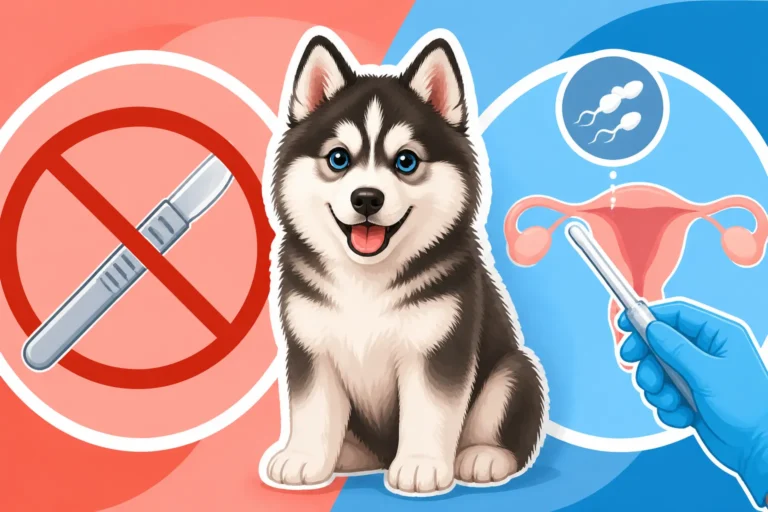
It's important to understand that Pomskies are not a natural crossbreed; the significant size difference between a male Pomeranian and a female Siberian Husky makes natural breeding physically impossible and incredibly dangerous for both dogs. This means that every single Pomsky litter must be conceived through artificial insemination, a process detailed further in Why a Pomsky Cannot Be Bred Naturally.
Artificial insemination is a complex, veterinary-assisted procedure that requires precise timing and expertise. It's also quite costly for the breeder and doesn't always result in a successful pregnancy on the first attempt. Once a pregnancy is confirmed, the litter size can also be quite unpredictable. While a husky might typically have a larger litter, Pomsky litters can sometimes be smaller, as you might discover when learning How Many Puppies a Pomsky Litter Holds. Fewer puppies per litter mean fewer available furry companions for those eager families on the waitlist. Complications during whelping (the birthing process) can also arise, and raising a litter of puppies from birth to placement requires immense dedication, time, and resources from the breeder. All these inherent difficulties in the breeding process contribute significantly to the duration and existence of Pomsky waitlists.
Factors Influencing Waitlist Lengths
So, you've decided to embark on the journey of finding an ethical Pomsky breeder and putting your name down for a puppy. But how long is "long"? The truth is, there's no single answer, as several key factors can dramatically influence how quickly you get to bring your new best friend home.
Breeder Reputation and Experience
Just like in any specialized field, reputation and experience matter immensely when it comes to Pomsky breeders. Breeders who have consistently produced healthy, well-socialized, and temperamentally sound puppies will naturally have much longer waitlists. Their good name spreads through word-of-mouth, online reviews, and repeat customers. People are willing to wait for a breeder they trust, knowing they are more likely to receive a healthy, happy puppy that fits well into their family.
These reputable breeders are often transparent about their practices, from sharing health test results of parent dogs to providing updates on their breeding plans and puppy socialization protocols. A long waitlist can often be a strong indicator of a breeder's commitment to quality over quantity. Conversely, if you find a breeder with immediate availability and no waitlist, it might be a signal to proceed with extra caution and conduct thorough due diligence, as it could suggest less rigorous breeding standards or a lack of demand for a reason.
Desired Traits and Specific Preferences
Many prospective Pomsky owners have a very clear picture in their minds of what their ideal puppy will look like. They might want specific coat colors, like the classic black and white or a striking red, or particular markings, such as a full husky mask. And, of course, there's the ever-popular request for those beautiful blue eyes. While these preferences are completely understandable, the more specific your wish list, the longer your wait is likely to be.
Breeders cannot guarantee specific traits in a litter, as genetics can be a wonderfully unpredictable thing. While they can breed for certain probabilities, there's no way to know exactly what each puppy will inherit. For example, a litter might produce only one or two puppies with blue eyes, or none at all. If you're dead set on a rare combination of traits, you might find yourself waiting for several litters to pass before the "perfect" puppy appears. Being flexible about color, markings, or even eye color (which, by the way, can sometimes change in puppies, as discussed in Whether a Pomsky Puppy's Fluff Predicts the Adult Coat) can significantly shorten your time on a waitlist, opening up more options for you sooner.
Geographic Location and Local Demand
The length of a Pomsky waitlist can also be influenced by where you live and the concentration of breeders in your area. In regions where there are fewer reputable Pomsky breeders but a high local demand, waitlists tend to be considerably longer. People are often hesitant to travel great distances or have a puppy shipped, preferring to pick up their new companion in person, adding to the pressure on local breeders.
Conversely, if you live in an area with a higher number of established Pomsky breeders, or if you're willing to travel across state lines or even fly (with careful consideration for the puppy's well-being), your options might expand, potentially reducing your wait time. However, even with more breeders, the overall popularity of the Pomsky means that most ethical breeders will still maintain a waiting list. It’s a good idea to research breeders not just in your immediate vicinity, but also in surrounding states, to get a broader understanding of availability and typical wait times. Just be prepared for the logistics and costs involved if you choose to go further afield.
Navigating the Waitlist Experience
So, you've found a reputable breeder and committed to joining their waitlist. Now what? The waiting period can feel long, but by understanding the process and maintaining open communication, you can make the experience much smoother and more reassuring.
Making a Deposit and Understanding the Contract
Almost every reputable Pomsky breeder will require a non-refundable deposit to secure your place on their waitlist or to hold a specific puppy once a litter is born. This deposit serves several purposes: it demonstrates your serious commitment, helps the breeder cover initial costs, and filters out less serious inquiries. Before you hand over any money, however, it is absolutely vital to read and understand every single clause in the breeder's contract.
Pay close attention to what the deposit covers. Is it for a general spot on the list, meaning you'll get the next available puppy that matches your preferences? Or is it for a specific "pick" from an upcoming litter? What are the terms if your desired puppy isn't available in a particular litter—does your deposit roll over to the next one? How long can it roll over for? These are critical questions, and articles like What a Pomsky Deposit Costs and Whether a Pomsky Deposit Is Refundable can shed more light on common practices. Ensure the contract clearly outlines health guarantees, what happens if a puppy develops an unforeseen health issue, and any stipulations regarding spaying/neutering or if you ever need to rehome the dog. Don't be afraid to ask questions until you feel completely comfortable with all the terms.
Communication and Transparency from the Breeder
One of the hallmarks of an excellent breeder is consistent and transparent communication. Once you're on a waitlist, you should expect to receive regular updates, even if those updates simply state that there’s no news yet. A good breeder will keep you informed about planned breedings, confirmed pregnancies (often with ultrasound images), and certainly the joyous arrival of a new litter. They should also be proactive in sharing milestones, photos, and videos as the puppies grow.
This communication isn't just about sharing good news; it's also about building trust. A breeder should be readily available to answer your questions about their program, their dogs, and the puppies’ development. They should be transparent about any potential health concerns or behavioral observations. If a breeder becomes vague, unresponsive, or seems to disappear after your deposit is made, these are significant red flags. Maintaining an open dialogue ensures that you feel involved in the process and can address any concerns promptly. Remember, you're not just buying a puppy; you're building a relationship with the person who brought your future companion into the world.
The Role of Social Media and Online Communities
In today's connected world, social media platforms and dedicated online communities have become invaluable resources for prospective Pomsky owners. These groups often serve as vibrant hubs where owners share their experiences, recommendations for breeders, and insights into the Pomsky ownership journey. You can gain a lot of knowledge by observing discussions, looking at photos of puppies from various litters, and reading testimonials.
However, it's crucial to approach these online spaces with a critical eye. While they can help you find reputable breeders, they can also promote breeders who prioritize aesthetics or trends over health and ethics. Always cross-reference information and look for consistent positive feedback. Platforms like Instagram or Facebook groups dedicated to Pomskies can be excellent places to see how breeders interact with their clients and how past puppies are thriving. Even pet supply retailers like Chewy often host forums or community sections on their websites where current and prospective pet owners can connect and share insights, which can sometimes extend to discussions around breeder experiences and waitlist tips. Use these resources to gather information, but always do your own thorough research before making any commitments.
Managing Expectations and Exploring Alternatives
The wait for a Pomsky puppy can be a test of patience, especially when you're so excited to welcome a new furry family member. Setting realistic expectations and being open to other avenues can make the journey far less stressful and potentially more rewarding.
Patience is a Virtue: The Reality of Waiting
Let's be real: if you're hoping for a well-bred Pomsky from an ethical breeder, a wait is almost a given. It's not like walking into a pet store and picking one out on the spot. You could be waiting anywhere from a few months to well over a year, especially if you have your heart set on very specific traits or a particular breeder known for their exceptional dogs.
It's tempting to get frustrated, but try to reframe this waiting period as valuable preparation time. Use it wisely: puppy-proof your home, research positive reinforcement training methods, and start saving for the initial adoption costs and ongoing expenses. A longer wait means that the breeder is taking their time, making responsible choices, and ensuring their puppies are healthy and well-socialized before they go to their forever homes. This investment of patience upfront often translates into a much healthier, better-adjusted, and happier companion for the next decade or more. Remember, your future Pomsky is worth the wait.
Considering an Older Pomsky or Rescue
While many people dream of a tiny Pomsky puppy, being open to an older dog or a rescue can significantly shorten your wait and offer a wonderful alternative. It's a sad reality that some Pomskies, for various reasons, find themselves in need of new homes. Often, these dogs are around two years old when they reach rescue, as explored in Why Pomskies Reach Rescue at Two. This could be due to owners underestimating their needs for exercise or grooming, changes in family circumstances, or unexpected size changes, as not all Pomskies stay small.
Adopting an older Pomsky can come with many benefits. Their personality is already established, so you'll have a clearer idea of their temperament. They might already be house-trained, understand basic commands, and have passed the chaotic puppy chewing phase. While a rescue dog's history might be less known, and they may or may not have had extensive health testing (a question addressed in Whether a Rescue Pomsky Is Health Tested), giving a Pomsky a second chance at a loving home is an incredibly fulfilling experience. You'll bypass the waitlist entirely and directly impact a dog's life for the better.
Preparing for Your Pomsky's Arrival
Whether you're patiently waiting for a puppy from a breeder or actively searching for a rescue, the "pre-arrival" phase is crucial. This is your chance to get everything in order so that when your Pomsky finally comes home, the transition is as smooth and stress-free as possible for everyone involved.
Start by puppy-proofing your home: secure loose cords, put away anything breakable or valuable, and ensure there are no toxic plants within reach. Gather all the essential supplies, including a comfortable crate, food and water bowls, appropriate toys, a leash and harness (remember, a harness is often recommended for Pomskies to protect their delicate tracheas), and grooming tools. You'll also want to find a trusted veterinarian in your area and schedule a first check-up. Consider what kind of food you'll feed – fresh food options like Ollie are becoming popular, or perhaps a high-quality kibble from a well-known brand. Additionally, looking into pet insurance early on is a smart move. Companies like Healthy Paws offer various plans that can help mitigate the costs of unexpected vet bills, and securing coverage before any potential pre-existing conditions arise is always advisable, as detailed in What Insuring a Pomsky Runs Monthly. The more prepared you are, the less overwhelming that exciting first week with your new Pomsky will be.
| Factor Affecting Waitlist Length | Impact | Explanation |
|---|---|---|
| Breeder Reputation | Longer | Highly reputable breeders with a proven track record of healthy, well-adjusted puppies are in greater demand. |
| Specific Desired Traits | Longer | Requests for unique eye colors (e.g., blue), coat patterns (e.g., husky mask), or specific sizes narrow the pool of available puppies. |
| Geographic Location | Variable | Areas with fewer ethical breeders or higher local demand can lead to extended wait times. |
| Breeding Frequency | Longer | Ethical breeders prioritize the health of their dams, limiting the number of litters per year. |
| Litter Size | Longer (indirectly) | Smaller litter sizes naturally mean fewer puppies are available from each breeding cycle. |
| Flexibility in Choice | Shorter | Being open to various coat colors, markings, or even slightly different sizes often reduces the waiting period. |
Disclaimer
This article is for general informational purposes only and does not constitute professional advice. Laws, prices and regulations vary by location and change over time. Consult a qualified professional for guidance on your specific situation.