Whether a Pomsky Deposit Rolls to the Next Litter
Committing to a Pomsky puppy is incredibly exciting, but the journey often begins with a financial commitment long before you ever meet your furry friend. Many hopeful owners wonder what happens to their initial deposit if the timing isn't right, or if the perfect puppy isn't available in the expected litter. This guide will walk you through the nuances of breeder deposit policies, helping you understand whether your Pomsky deposit can typically roll over to a future litter, what to look for in a good contract, and how to navigate these sometimes-tricky situations.
Understanding Pomsky Breeder Deposit Policies
When you decide to bring a Pomsky into your life, one of the first steps, after finding a reputable breeder, is usually placing a deposit. This isn't just a random fee; it's a mutual agreement that signifies commitment from both sides. For buyers, it secures your place in line for a puppy, and for breeders, it helps ensure that their puppies have committed homes.
The Purpose of a Puppy Deposit
Think of a puppy deposit as a tangible expression of your serious intent. From a breeder's perspective, raising a litter of Pomskies involves significant time, effort, and financial investment, covering everything from the health testing of the parents to veterinary care for the puppies, proper nutrition, and extensive socialization. What a Pomsky Breeder Spends Before a Litter Exists is a substantial sum. A deposit ensures that prospective owners are genuinely committed and reduces the risk of breeders being left with unsold puppies, which can be emotionally and financially draining. It also means you're not just window shopping; you're ready to commit to the responsibilities of puppy ownership, including potential costs like high-quality food from a brand like Ollie or ensuring your future pet is covered with pet insurance like Healthy Paws.
For you, the buyer, this deposit secures your spot on a waiting list, often giving you a certain "pick order" once the litter arrives and puppies are evaluated. It’s a way to ensure that you won't miss out on the specific pairing or timing you've been hoping for, especially given How Long Pomsky Waitlists Run.
Common Deposit Structures
Breeder deposit structures can vary quite a bit, so it’s crucial to understand what you’re agreeing to. Typically, a deposit is a portion of the total puppy price, sometimes a fixed amount, other times a percentage. You might encounter terms like "non-refundable," "partially refundable," or "transferable" – and these words carry a lot of weight.
- Non-refundable deposits are the most common. This means that once you place the deposit, that money is committed. If you change your mind for any reason – even if no puppy has been selected yet – you forfeit the deposit. This structure protects the breeder from speculative buyers who might back out.
- Partially refundable deposits are less common but do exist. In this scenario, a portion of your deposit might be returned if you withdraw, perhaps to cover administrative costs or the breeder's time spent communicating with you.
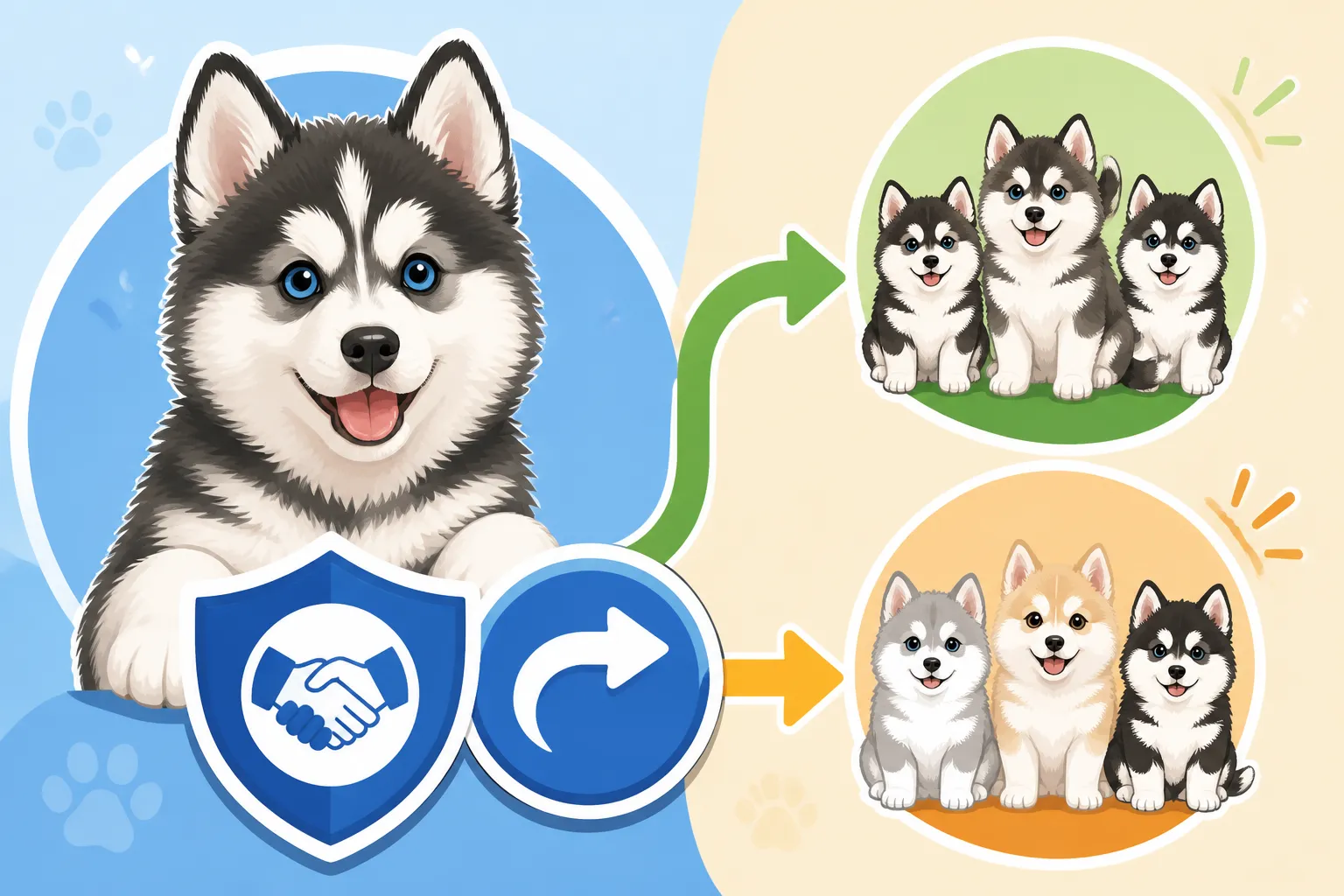
- Transferable or roll-over deposits are what we're really focusing on here. This is where your deposit, under specific circumstances, can be applied to a future litter rather than being forfeited. This offers more flexibility but is entirely at the breeder's discretion and should be clearly outlined in your contract.
It's vital that you understand What a Pomsky Deposit Costs and the terms surrounding it before handing over any money.
Factors Influencing Deposit Rollover Decisions
Life happens, and sometimes, despite your best intentions, the timing or circumstances change. Understanding the reasons why a deposit might need to be rolled over, from both the buyer's and the breeder's perspective, is key to a smooth process.
Buyer-Initiated Rollovers
There are countless reasons why you, as a prospective owner, might need to defer your puppy plans. Perhaps you've had a sudden job relocation to a place that doesn't allow pets, a family emergency, or simply realized that your current living situation isn't conducive to raising a puppy right now. You might also have specific preferences – perhaps you were hoping for a blue-eyed male with a specific coat pattern, and the current litter didn't produce a puppy matching your ideal. While these reasons are perfectly valid from your point of view, it's important to remember that the breeder has already committed resources based on your initial interest.
In these situations, whether your deposit can roll over usually depends entirely on the breeder's policy and the specifics of your contract. A breeder with a strong waiting list might be more amenable to rolling over a deposit, as they likely have other interested parties. However, if they have few available puppies or a less robust waiting list, they might be stricter about their non-refundable policy. This is why clear communication is essential, ideally before you even place the deposit.
Breeder-Initiated Rollovers
Sometimes, the need for a rollover comes from the breeder's side, and these situations generally offer a much higher chance of your deposit being transferred. Common scenarios include:
- Smaller-than-expected litter: If the dam only has one or two puppies, and there are multiple deposits, not everyone will get a puppy from that specific litter.
- No suitable puppies for your preferences: You might have specified a gender, size range, or even temperament traits. If the breeder evaluates the litter and none of the puppies are a good match for your stated preferences or lifestyle, they might suggest rolling your deposit over. For instance, if you're set on a smaller Pomsky, but the litter produces larger pups that might reach What a Pomsky Actually Weighs at the higher end of the scale, a rollover could be offered.
- Health concerns: In unfortunate cases, a litter might experience unforeseen health issues, or a particular puppy might not pass its initial health checks. Reputable breeders prioritize the health of their puppies and would never knowingly place a sick puppy. In such cases, they would offer a rollover to a future litter or, in some cases, a refund.
- Breeding delays: Sometimes, nature doesn't cooperate as planned. A breeding might not take, or a planned pairing might be postponed for the health and well-being of the parent dogs.
In these circumstances, a good breeder will almost always offer to roll your deposit over to a subsequent litter or, less commonly, offer a refund. They understand that these situations are beyond your control and reflect their commitment to ethical breeding practices.
Contractual Clauses and Flexibility
The single most important document governing your deposit is the puppy purchase contract. This isn't just paperwork; it's your safety net and a clear outline of expectations for both parties. A well-written contract from a responsible breeder will explicitly state the terms regarding deposits.
Look for clauses that address:
- Refundability: Is the deposit refundable under any circumstances?
- Rollover policy: What are the specific conditions under which your deposit can be transferred to another litter? Is there a time limit? Are there restrictions on which future litter it can be applied to?
- Breeder's discretion: Does the contract state that rollovers are at the breeder's sole discretion?
- Pick order: How does a rollover affect your place in the pick order for a future litter? Do you go to the bottom of the new list, or does your original position hold value?
It’s completely acceptable, and encouraged, to ask for a sample contract to review before you place a deposit. If a breeder is hesitant to provide one or is vague about their policies, that should raise a red flag. Clear, transparent contracts protect everyone involved.
What to Look For in a Pomsky Breeder Contract
The breeder's contract is your best friend when it comes to understanding deposit terms. It's not just a formality; it's a legal document that protects both you and the breeder. Never, ever gloss over this part.
Clarity on Refundability and Rollover Terms
A solid contract will leave no room for ambiguity regarding your deposit. It should state, in plain language, whether the deposit is non-refundable, partially refundable, or eligible for rollover. If it is eligible for rollover, the contract should spell out the conditions.
For example, a contract might state: "Deposits are non-refundable but may be transferred to a subsequent litter if the desired gender/color is not available in the current litter, or if the buyer's circumstances change and a minimum of 30 days' notice is provided before puppy selection. Rollovers are limited to one transfer and must be utilized within 12 months of the initial deposit date." This kind of detail is what you want to see. Without it, you're essentially leaving your investment to chance, which is something you certainly don't want when considering the lifetime commitment a Pomsky represents, as explored in What Fourteen Years With a Pomsky Comes To.
If the contract simply states "deposit is non-refundable" and says nothing about transfers, assume you will lose your money if you back out or if the specific puppy you hoped for isn't born. Always ask for clarification in writing if the contract isn't explicit.
Specifics on Litter Availability and Puppy Selection
Beyond the deposit itself, the contract should clearly define how puppies are assigned or chosen. This impacts whether a rollover might even be an option for you.
- Pick Order: How is the pick order determined? Is it first-come, first-served for deposits? Does the breeder reserve the right to pick first for their breeding program?
- Matching Process: Does the breeder match puppies to families based on temperament and lifestyle, or do you get to choose purely based on looks? If you're hoping for a specific trait, like The Blue Eyes People Buy a Pomsky For, but temperament is the breeder's priority, it might lead to a different outcome than you expected.
- What if your preference isn't met? A good contract will state what happens if the litter doesn't produce a puppy that meets your specified criteria (e.g., gender, size, coat type, or even desired personality traits). Does this automatically qualify you for a rollover? Or is it still considered a "buyer's change of mind" if you decline a perfectly healthy puppy that just doesn't meet your aesthetic preferences?
Understanding these specifics helps you set realistic expectations and know your options should the ideal puppy not materialize in the anticipated litter. It also sheds light on Whether a Pomsky Breeder Can Guarantee Adult Size or specific traits, which can influence your decision to roll over.
Communication and Transparency from the Breeder
Beyond the written word, a breeder's willingness to communicate openly is a huge indicator of their professionalism and the likely outcome of any deposit queries. A reputable Pomsky breeder will:
- Be accessible and responsive: They should answer your questions thoroughly and in a timely manner.
- Provide a detailed contract: As discussed, clarity is paramount.
- Discuss their policies upfront: Before you even send money, they should be able to explain their deposit, refund, and rollover policies clearly.
- Keep you updated: Once your deposit is placed, they should keep you informed about the dam's pregnancy, the birth of the litter, and the puppies' development.
If a breeder seems evasive, pushes you to send a deposit without a contract, or is unwilling to discuss their policies in detail, it's a significant red flag. Trust and transparency are crucial, especially when you're making such a substantial investment and looking forward to Raising a Pomsky Puppy.
Navigating Deposit Scenarios and Protecting Yourself
Dealing with deposits, especially when plans change, can feel like walking a tightrope. But with the right approach and clear communication, you can navigate these situations effectively.
Asking the Right Questions Before Paying
Before you even think about putting down a deposit, have a thorough conversation with the breeder. This isn't just about showing interest; it's about gathering critical information to protect your investment and manage your expectations.
Here are some essential questions to ask, even if you think the answers might be in the contract (it’s good to hear it directly and see if it aligns):
- "What is your exact policy on deposits? Is it non-refundable under all circumstances?"
- "Under what conditions can my deposit be rolled over to a future litter? Is there a time limit for using a rolled-over deposit?"
- "If I need to back out due to an unforeseen life event, what are my options regarding the deposit?"
- "What happens if the litter doesn't produce the specific type of Pomsky I'm hoping for (e.g., gender, size estimate, eye color)? Would I be offered a rollover then?"
- "How does a rollover affect my pick order for a future litter?"
- "Could I see a copy of your standard contract before placing a deposit?"
Don't be shy about asking these questions. A good breeder will appreciate your thoroughness and transparency, knowing that you're taking this commitment seriously. They want their puppies to go to well-informed homes.
Documenting Everything
Once you've asked your questions and you're ready to proceed, ensure every agreement is in writing. This includes:
- The signed contract: Make sure you have a physical or digital copy of the contract, signed by both you and the breeder, before you transfer any money.
- Email correspondence: Keep a record of all emails discussing deposit terms, rollover agreements, puppy selection, and any changes to your situation or the litter plans. These can serve as valuable documentation if a dispute ever arises.
- Payment records: Keep receipts or bank statements showing the deposit transaction.
This documentation is your safety net. If, for example, a breeder verbally agrees to roll over your deposit but it's not in the contract, and then they later deny it, your email correspondence could be crucial. It helps protect you against misunderstandings and provides clear evidence of agreements made.
When a Deposit Might Not Roll Over
It's important to be realistic about when you might lose your deposit. Generally, if the breeder fulfills their end of the agreement by producing a healthy litter with puppies available, and you then decide to back out for reasons that aren't covered by a specific rollover clause in your contract, you should expect to forfeit your deposit.
Consider these common scenarios where a rollover is unlikely unless explicitly stated otherwise:
- Buyer's remorse: You simply change your mind about getting a puppy, or a Pomsky in particular.
- Change of preference after puppy selection: You picked a puppy, but then decided you wanted a different one, or changed your mind about getting a puppy at all.
- Inability to pick up the puppy: If you can't arrange transport or pick up the puppy by the agreed-upon date without prior arrangements, the breeder might view it as a breach of contract.
- Failure to prepare: If you haven't secured appropriate housing, pet insurance (like Healthy Paws), or necessary supplies from Chewy, and therefore feel unprepared.
The table below illustrates some common scenarios and how different contract types might handle them:
| Scenario | Non-Refundable Deposit (No Rollover Clause) | Rollover Possible (Explicit Clause) |
|---|---|---|
| Buyer changes mind (no specific reason) | Forfeited | Forfeited (unless specific grace period stated) |
| Buyer's life circumstances change | Forfeited | Rollover often granted (if notice given) |
| Litter doesn't produce desired trait | Forfeited (if healthy pups available) | Rollover often granted |
| Litter is too small; no pup available | Refund or Rollover usually offered | Rollover (or refund) usually offered |
| Breeder cancels breeding or has health issues with litter | Refund or Rollover usually offered | Rollover (or refund) usually offered |
Ultimately, the best way to protect your deposit is to thoroughly vet your breeder, read the contract carefully, ask all your questions upfront, and keep clear records. This due diligence ensures that your journey to Pomsky ownership is as smooth and predictable as possible. Remember that a good breeder is a partner in this process, and open communication is always the best policy.
Disclaimer
This article is for general informational purposes only and does not constitute professional advice. Laws, prices and regulations vary by location and change over time. Consult a qualified professional for guidance on your specific situation.