Whether Pick of Litter Costs Extra on a Pomsky
It’s a common dream for many aspiring Pomsky parents: getting to choose the very first puppy from a fresh litter, the one that immediately catches your eye. However, the reality of "pick of litter" can be a bit more complex, and often, it comes with an unspoken, or sometimes very explicit, additional cost. This guide will help you understand what "pick of litter" truly means in the world of Pomskies, why you might pay more for it, and what other factors really drive the price of these adorable pups.
Understanding "Pick of Litter" in Pomsky Breeding
When you hear "pick of litter," you might imagine being the first one to walk into a room full of puppies and choose any one you want. While that's the romanticized version, the actual process in reputable Pomsky breeding is often quite different, and it's essential to understand these nuances before you get your heart set on a specific puppy.
What "Pick of Litter" Really Entails
Historically, "pick of litter" was a term often used in agreements between breeders, or when a stud dog owner received a puppy as payment for their dog's services. It meant they had the right to choose the puppy they believed was the best fit for their own breeding program or show prospects. For pet buyers, the concept has evolved, often implying the first buyer gets to choose from the available puppies. However, it rarely means absolute first pick, as the breeder almost always reserves the right to keep a puppy for themselves or their program, making the "first pick" for a buyer actually the "first pick of the remaining puppies."
With Pomskies, breeders are often working towards specific goals, whether it's temperament, size, coat type, or specific markings. They might have a waiting list, and people place deposits with the understanding that they'll get to choose from a specific litter. But even then, the breeder usually has a vision for which puppies best embody the breed's ideal characteristics or their kennel's goals. They might even have a buyer who has paid a premium specifically for "breeder's choice" of a future breeding prospect, which naturally takes precedence over a pet buyer's "first pick."
The Rarity of True "Pick of Litter" for Buyers
For the average pet buyer, a true "pick of litter" where you select the absolute best puppy from the entire group, regardless of the breeder's plans, is incredibly rare, especially with a highly sought-after cross like the Pomsky. Many reputable Pomsky breeders operate on a system where they get to know the puppies' personalities as they grow and then match them to families based on lifestyle and expressed preferences. This isn't about paying extra for "pick of litter"; it's about the breeder ensuring the best possible fit for both the puppy and its new family.
Think about it from the breeder's perspective: they’ve invested countless hours, resources, and emotional energy into this litter. They’ve watched each puppy develop its own quirks and personality. They often know which puppy has a calmer demeanor, which one is more adventurous, and which one needs a home with a specific energy level. They might assign puppies to families based on these observations, rather than letting a buyer simply pick the one with the bluest eyes, which might be a terrible mismatch for their quiet home. Sometimes, if a buyer insists on "first pick," they are effectively paying for the privilege of choosing from a predetermined selection, rather than truly getting the pick of the entire litter.
The Financial Side of "First Pick" and Desirability
So, does "pick of litter" cost extra on a Pomsky? The short answer is, it can, though it's often bundled into a higher overall price for puppies with highly desired traits, rather than a separate line item. It's more about demand and the intrinsic value placed on certain characteristics.
Desirability and Demand for Specific Traits
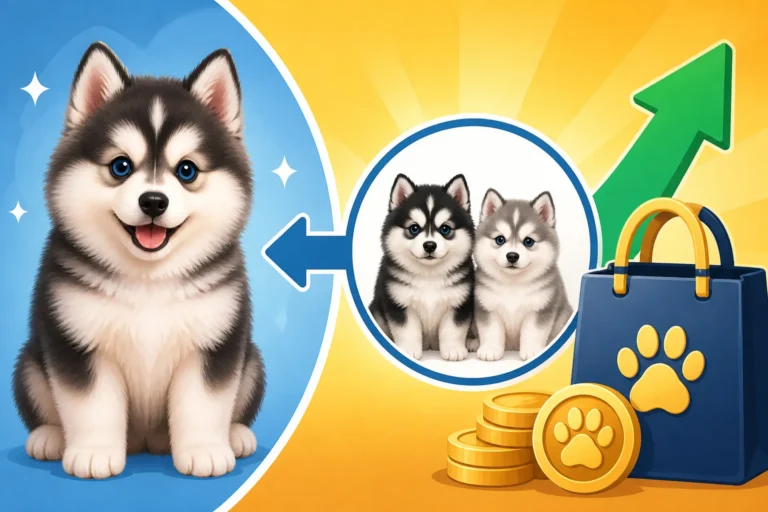
Pomskies are popular largely because of their unique look – the miniature husky appearance, often with striking blue eyes. Puppies that most closely embody this "miniature husky" ideal, especially with clear blue eyes, a distinct mask, or specific coat colors, tend to be the most desirable. If a litter has one or two puppies that are picture-perfect examples of this aesthetic, breeders understand their market value.
A "first pick" agreement might allow a buyer to secure one of these highly sought-after puppies before others have a chance. Because these puppies are in such high demand, a breeder might implicitly, or even explicitly, attach a premium to the "first pick" spot. It’s not necessarily an extra fee for the act of choosing first, but rather a reflection of the heightened value of the puppies available to that "first pick" slot. It's similar to how an early bird ticket for a popular event costs more because it guarantees you a spot before general sales begin. The price reflects the security and access to the best options.
Breeder's Perspective on Value
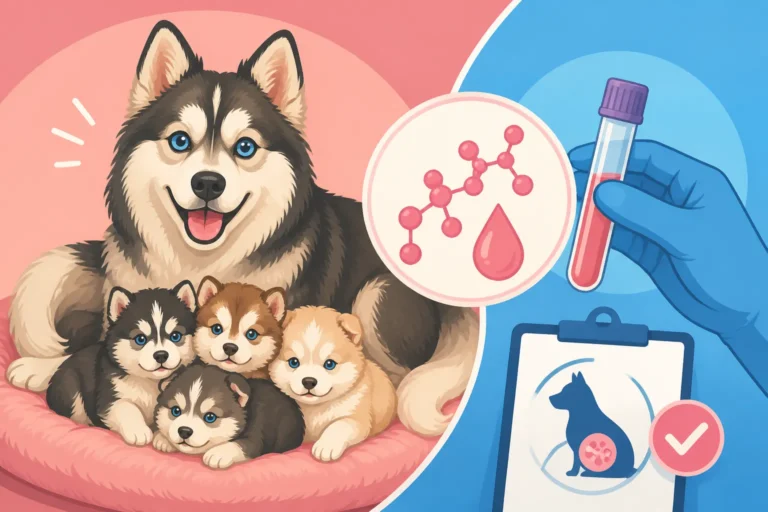
Breeders, especially those dedicated to the ethical development of the Pomsky, invest heavily in their breeding stock, health testing, and the care of their puppies. The costs involved in responsibly breeding Pomskies are significant, from artificial insemination, progesterone testing, vet check-ups, and potentially even C-sections, to quality nutrition and early socialization for the pups. Why Artificial Insemination Sets a Pomsky's Floor Price details some of these initial costs.
If a breeder has a puppy that stands out in terms of conformation, temperament, or specific aesthetic traits that are highly valued (like those coveted blue eyes or a perfect husky mask), they know this puppy represents a significant return on their investment. Offering "first pick" to a buyer for such a puppy is essentially selling a premium product. They might price this "first pick" slot higher to reflect the exceptional quality or rarity of the puppy that can be chosen. This isn't just about profiting; it's about recognizing the effort and careful planning that went into producing a litter with such desirable individuals.
The Labor and Expertise Involved
Choosing a puppy isn't always as simple as picking the cutest one. A good breeder spends weeks, if not months, observing, socializing, and temperament testing their puppies. This invaluable insight ensures that puppies go to homes that are a good match. For example, a very energetic puppy might overwhelm a quiet, elderly couple, while a more reserved puppy might get lost in a boisterous family with young children.
When a breeder allows for a "pick of litter," even if it's from the remaining pups, they are essentially allowing a buyer to override some of that careful matching process. Some breeders might charge a higher price for this flexibility, acknowledging that it requires them to potentially adjust their other allocations or even risk a less-than-perfect match for another family. The fee isn't just for the puppy, but for the added flexibility and the breeder's expertise in guiding that choice. This is often where the buyer’s preferences, such as needing a specific temperament for a Pomsky in a House With Children, can be discussed and factored into the selection.
What Else Drives Pomsky Puppy Prices
While "pick of litter" can certainly influence the final price, it's far from the only factor. Many other elements contribute to the overall cost of a Pomsky puppy, and understanding these can help you manage your expectations and budget.
Physical Traits and Markings
Let's be honest, part of the Pomsky's allure is their striking appearance. Certain physical traits consistently command higher prices. Blue eyes are a prime example; a Pomsky puppy with two piercing blue eyes will almost invariably cost more than one with brown or amber eyes. What a Blue Eyed Pomsky Costs goes into more detail about this specific trait. Similarly, a clear husky mask, symmetrical markings, and specific coat colors like red, grey, or chocolate can also influence the price.
Breeders understand that buyers often have a dream aesthetic in mind, and puppies that tick all those boxes are highly sought after. While every Pomsky is unique and beautiful, the market undeniably places a premium on those puppies that most closely resemble the "miniature Husky" ideal that captured the internet's imagination. This isn't just a trend; it's a significant driver in the overall cost structure.
Health Clearances and Genetic Testing
This is one of the most crucial, yet sometimes overlooked, factors in pricing. Responsible Pomsky breeders invest heavily in health testing their parent dogs before breeding. This means screening for genetic conditions common to both Huskies and Pomeranians, such as hip and elbow dysplasia, patellar luxation, eye diseases like juvenile cataracts or progressive retinal atrophy, and sometimes even thyroid issues.
| Feature | Potential Impact on Price | Buyer Benefit |
|---|---|---|
| Health Clearances | Higher | Reduced risk of costly genetic health issues |
| "Pick of Litter" | Higher, often bundled | Choice of desired aesthetic or temperament |
| Blue Eyes | Higher | Specific aesthetic appeal |
| Rare Coat Color | Higher | Unique appearance |
| Breeder Reputation | Higher | Support, guarantees, well-socialized puppy |
| Pedigree/Papers | Higher | Verification of parentage, breeding goals |
A breeder who provides proof of these clearances is demonstrating their commitment to producing healthy puppies, which ultimately saves buyers potential heartache and massive veterinary bills down the line. The Health Tests a Pomsky Breeder Should Show explains the types of screenings to look for. While a puppy from health-tested parents might have a higher upfront cost, it's an investment in a longer, healthier life for your Pomsky. Consider it like an insurance policy; you're paying more now to potentially avoid much larger expenses and emotional stress later. Many pet insurance providers, like Healthy Paws, look favorably on healthy breeds and well-documented parentage.
Breeder Reputation and Support
The reputation of a Pomsky breeder plays a significant role in their pricing. Established breeders with a track record of producing healthy, well-socialized puppies and providing ongoing support to their puppy families often command higher prices. This premium reflects not just the quality of the puppy but also the value of the breeder as a resource.
A reputable breeder will usually offer a health guarantee, be transparent about their breeding practices, and be available to answer questions and offer advice throughout your Pomsky's life. This ongoing support is invaluable, especially for first-time Pomsky owners navigating the unique challenges of the breed, from managing their double coat to understanding their energetic personalities. You're not just buying a puppy; you're gaining a mentor and a community. This level of dedication and commitment to their dogs and clients is a major differentiator and justifies a higher price point.
Navigating the Selection Process Without Extra Fees
If paying an extra premium for "first pick" isn't in your budget or isn't offered by your chosen breeder, don't despair! There are still fantastic ways to find the perfect Pomsky puppy without needing to be the absolute first in line.
Prioritizing Temperament Over Aesthetics
While it's easy to fall in love with a photo of a blue-eyed, husky-marked Pomsky, prioritizing temperament should always be at the top of your list. A puppy's personality will have a far greater impact on your daily life than its eye color. Do you want a snuggly couch potato or an energetic adventure buddy? Are you looking for a confident dog or a more reserved companion?
Communicate these preferences clearly with your breeder. A good breeder will spend weeks observing the puppies and conducting informal temperament assessments. They'll know which puppy is the bold explorer, which is the shy observer, and which is the playful instigator. By focusing on temperament, you increase your chances of getting a Pomsky that truly fits your lifestyle, regardless of whether it was "first pick" or not. Sometimes, the puppy that isn't the most flashy in appearance might have the most suitable personality for your household. This is where a breeder's experience with What Pomskies Are Most Often Put to Sleep For can inform their recommendations, as behavioral issues are often a root cause.
Early Communication with Your Breeder
Building a strong, open line of communication with your chosen breeder from the very beginning is key. Don't wait until the puppies are ready to go home to start asking questions or expressing your desires. Share details about your living situation, your experience with dogs, your activity level, and your family dynamic. The more your breeder knows about you, the better equipped they'll be to match you with a puppy.
Ask about their puppy selection process. Do they allow visits? Do they conduct temperament testing? When do they typically decide which puppy goes to which family? Express your preferences respectfully but also be open to their professional advice. For instance, if you're keen on specific markings but the breeder suggests a different puppy with a more compatible personality, trust their judgment. They've spent every day with these puppies, observing their nuances. This open dialogue also allows you to discuss practicalities like what food the puppies are on (perhaps they use something readily available from Chewy or Ollie) and what their initial vet care has involved.
Understanding the "Breeder's Pick" System
Many reputable Pomsky breeders operate on a "breeder's pick" system, which might sound like it takes all control away from you, but it's often in your best interest. In this system, buyers place a deposit, get to know the litter through photos, videos, and sometimes visits, and then the breeder makes the final decision on which puppy goes to which home. The order of deposits usually dictates the order of allocation, not necessarily the first choice of any puppy.
For example, if you were third on the deposit list, you might get "third pick," but that often means you're the third family the breeder considers when matching puppies to homes, not that you get to choose any of the three best. The breeder carefully evaluates each puppy's personality, energy level, and specific needs, then matches them with the families on their waiting list who they believe will provide the best environment. This system often results in incredibly happy matches, as the breeder is leveraging their expertise to ensure long-term success for both the puppy and the family. While it might feel less "in control," it often leads to a much better outcome than simply picking the puppy that looks prettiest at a glance.
Disclaimer
This article is for general informational purposes only and does not constitute professional advice. Laws, prices and regulations vary by location and change over time. Consult a qualified professional for guidance on your specific situation.