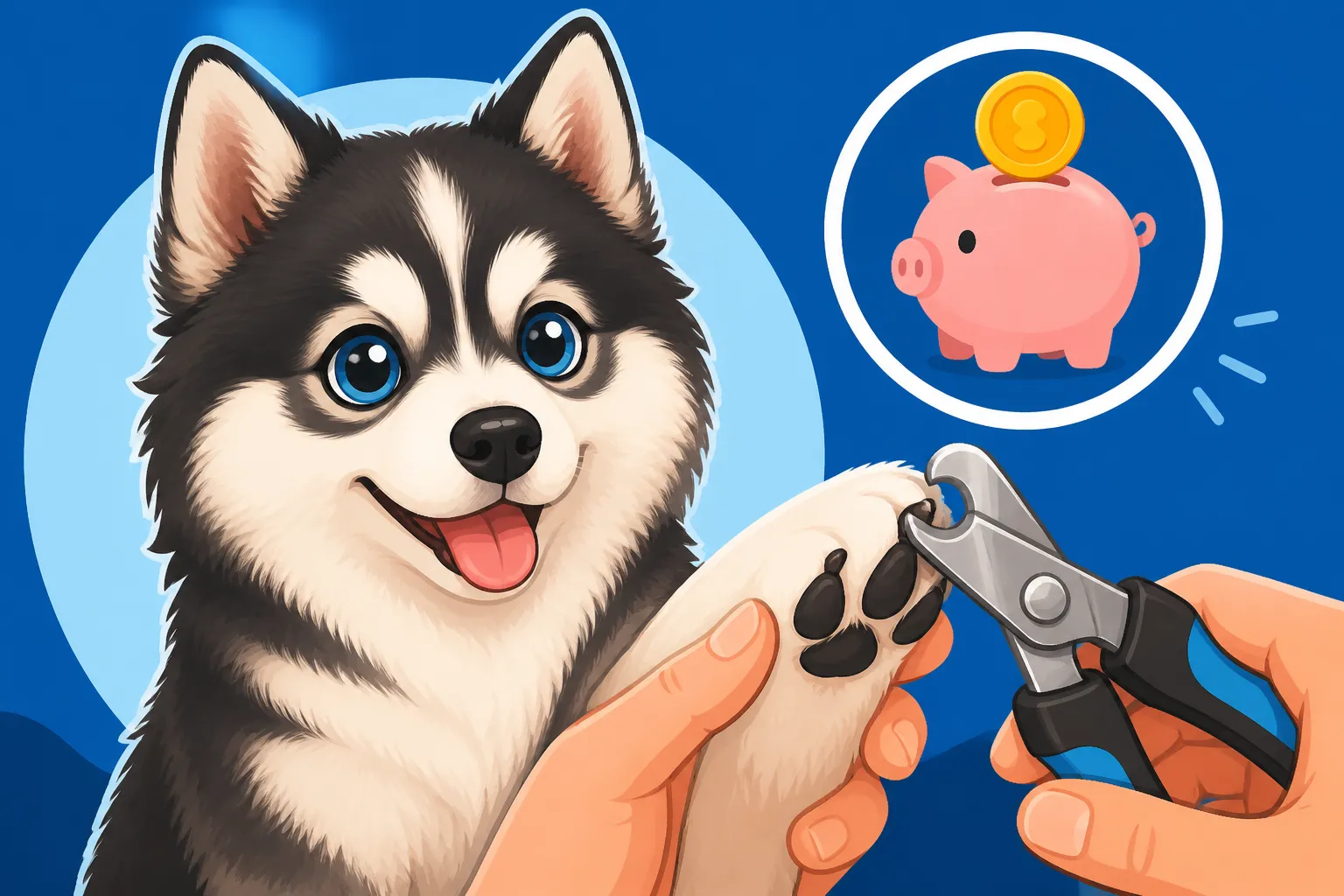
What a Pomsky Nail Trim Costs
Let's be honest, dealing with your Pomsky's nails can feel like a wrestling match with a fluffy, opinionated ninja. Many of us dread the thought of trimming those tiny, often dark claws, fearing we'll "quick" our beloved pup and cause pain or make them hate the whole process forever. This guide is here to walk you through everything you need to know about what a Pomsky nail trim costs, both in terms of money and effort, and how to make it a less stressful experience for everyone involved.
Understanding Why Pomsky Nail Trims Are So Important (and Often Challenging)
Before we dive into the numbers, it's crucial to understand why nail trims aren't just a cosmetic chore, but a fundamental part of your Pomsky's health and comfort. Neglecting them can lead to a cascade of problems that are far more painful and costly than a regular trim.
The Silent Dangers of Overgrown Nails
Imagine trying to walk around all day with shoes that are two sizes too small, constantly pushing your toes back and causing discomfort with every step. That's a bit like what overgrown nails feel like for your Pomsky. When their nails get too long, they hit the ground with every step, pushing back into the nail bed. This causes pressure on their paw pads, forcing their toes to splay and altering their natural gait.
Over time, this unnatural posture can lead to significant orthopedic problems. We're talking about conditions like lameness, chronic pain, and even serious joint issues in their feet, legs, and even up into their spine. A Pomsky, with its energetic nature inherited from its Husky lineage, needs healthy, pain-free paws to run, jump, and explore. If they're constantly uncomfortable, their quality of life diminishes, and you might start seeing behavioral changes, like reluctance to play or go for walks. It's a silent suffering that builds up, often without obvious limping until the problem is severe. This is why regular trimming is non-negotiable for their long-term well-being. Keeping an eye on their paw health is just as important as monitoring for issues like Slipping Kneecaps in a Pomsky.
Why Doing It Yourself Can Be a Struggle
Okay, so you know it's important, but actually doing it? That's another story for many Pomsky parents. The most common hurdle is the fear of cutting too far and hitting the "quick"—a sensitive area of blood vessels and nerves within the nail. For Pomskies, who often have dark nails, this quick is invisible, making every cut a bit of a guesswork gamble. One bad experience, and your pup might develop a lifelong aversion to nail trims, turning future attempts into stressful battles.
Beyond the fear of the quick, you're dealing with a Pomsky's inherent personality. They can be incredibly smart, yes, but also incredibly stubborn and independent, a trait often mentioned in guides like Whether a Pomsky Is Stubborn or Independent. Many Pomskies squirm, pull their paws away, or even nip, making it nearly impossible to get a clean, safe trim. If you've ever tried to hold a wriggly, double-coated bundle of energy still while aiming sharp clippers, you know the struggle is real. Past negative experiences, either at home or at a groomer, can create a strong association of fear or discomfort, making each subsequent attempt harder.
The Unique Needs of a Pomsky's Paws
Pomskies present a few specific challenges when it comes to nail care. First, their dense double coat, especially around their paws, can obscure the nails, making it even harder to see what you're doing. This isn't just a cosmetic issue; it means the nails are less likely to wear down naturally through activity because they're protected by a cushion of fur. Second, while their active lifestyle is great for burning energy and mental stimulation—your Pomsky needs The Exercise a Pomsky Needs Every Day—it also means their paws take a lot of impact. Long nails can exacerbate this impact, leading to micro-traumas over time.
Finally, some Pomskies inherit relatively small, compact feet from their Pomeranian side, but with the longer, tougher nails often seen in Huskies. This combination can make the angles tricky to navigate with standard clippers. Ensuring their paw health is a key aspect of their overall care, similar to how we need to address Dental Crowding in a Pomsky's Small Mouth to prevent dental problems. The goal isn't just short nails, but healthy, functional paws that support their active lives.
Professional Nail Trim Options and Their Costs
When the DIY method feels like a recipe for disaster, turning to professionals is a wise choice. There are several avenues you can explore, each with its own benefits and cost structure.
The Standalone Vet Visit
Many people opt for a vet visit specifically for nail trims, especially if their Pomsky is particularly anxious, reactive, or has very dark nails where the quick is a significant concern. The veterinary staff are trained to handle fearful or fractious dogs safely and efficiently. They also have the medical knowledge to identify any underlying paw issues or infections that might be contributing to the discomfort.
A typical standalone nail trim at a veterinary clinic usually involves a quick consultation, the trim itself, and sometimes a dab of styptic powder if a quick is nicked (it happens!). The cost can vary quite a bit depending on your location and the specific clinic's pricing. In some cases, if your Pomsky is extremely anxious, the vet might recommend a mild sedative to ensure a stress-free experience for both your pup and the staff. This would, of course, add to the cost, as it involves an examination and medication. It's important to remember that this isn't just a trim; it's a medical professional overseeing the process, which provides peace of mind for many owners. Vet clinics are also your go-to for The Screening a Pomsky Should Have Yearly for overall health check-ups.
Grooming Salon Services
Grooming salons are often the most popular choice for routine nail care. They specialize in making pets look and feel good, and that includes their paws. Most salons offer nail trims as a standalone service, meaning you can pop in just for that without needing a full bath and haircut. However, it's also commonly included as part of a larger grooming package, which can influence how you perceive the cost.
The experience at a groomer is usually designed to be efficient, with staff who are accustomed to handling various temperaments and breeds. They often have different types of clippers and Dremels (grinders) available, allowing them to choose the best tool for your Pomsky's nail type. Some salons might have walk-in nail trim hours, while others require an appointment. The price can depend on whether you opt for clippers or a Dremel, as grinding often takes a bit longer and requires more skill to achieve a smooth finish. It's usually a more budget-friendly option than a vet visit if medical intervention isn't required. For a comprehensive idea of what this might cost, it's worth looking into What a Pomsky Groom Costs at local salons, as a nail trim might be a small add-on.
Mobile Grooming: Convenience at a Price
For those who prioritize convenience or have a Pomsky who gets highly stressed by car rides or busy salon environments, mobile grooming services are a fantastic alternative. These groomers come right to your home in a specially equipped van, providing a one-on-one, calm experience right outside your door. This can be a game-changer for anxious dogs, as they avoid the unfamiliar smells and sounds of a clinic or salon, and the stress of travel.
Because of the personalized, at-home service, mobile grooming typically comes at a higher price point than a traditional salon visit. The cost often reflects the travel time, gas, and the dedicated attention your Pomsky receives. While it might seem like a luxury, for certain dogs and owners, the reduced stress and convenience are well worth the extra expense. You're paying for a premium service that minimizes disruption to your dog's routine and can make a world of difference for a sensitive Pomsky.
Comparing Professional Services
Here’s a quick overview of what you might expect from each professional option:
| Service Type | Key Benefit | Typical Cost Range (per visit) | Best For |
|---|---|---|---|
| Veterinary Clinic | Medical supervision, handles fearful dogs, sedation available | Higher | Anxious/aggressive dogs, those with paw injuries, first-timers. |
| Grooming Salon | Specialized grooming skills, often quicker | Moderate | Routine trims, dogs tolerant of handling, part of full groom. |
| Mobile Groomer | Convenience, stress-free at-home service | Highest | Anxious dogs who dislike travel, busy owners, personalized care. |
Please note: These are general ranges, and actual costs can vary significantly based on location, individual provider, and your dog's specific needs (e.g., sedation).
The Hidden Costs of Not Trimming Your Pomsky's Nails
While focusing on the direct cost of a nail trim, it's easy to overlook the potentially much higher "hidden" costs that arise from neglecting your Pomsky's nail care. These can impact your dog's health, your wallet, and even your home.
Veterinary Interventions for Overgrown Nails
When nails become severely overgrown, the consequences are often far more serious than a simple trim could have prevented. Ingrown nails are a common issue, where the nail curls around and pierces the paw pad. This is incredibly painful and can lead to severe infections, requiring veterinary intervention. This isn't just a quick clip; it could involve a vet visit, antibiotics, pain medication, and in some cases, sedation to safely trim the deeply embedded nail. The cost of a vet visit, medications, and potential sedation will quickly eclipse the cost of routine trims.
Beyond ingrown nails, chronic overgrown nails can cause significant changes in your Pomsky's foot structure. Their toes can splay permanently, leading to discomfort and increased risk of injury. Corrective procedures for splayed toes or chronic pain can involve extensive diagnostics, specialized treatments, and even surgery in severe cases. These are not minor expenses and are often far more complex and costly than a simple routine trim. Pet insurance providers like Healthy Paws may cover some of these veterinary interventions if they are deemed medical necessities due to injury or illness, but prevention is always the best approach.
Impact on Your Pomsky's Overall Health and Happiness
The physical pain from overgrown nails doesn't stay confined to the paws. The altered gait can lead to strain on joints, ligaments, and tendons throughout their body, potentially contributing to conditions like arthritis down the line, especially as your Pomsky enters their senior years. Think about Caring for a Pomsky Past Ten – maintaining good mobility becomes paramount, and good nail care is a big part of that. A dog in constant pain will be less active, less engaged, and generally less happy. They might stop wanting to go for walks, avoid playing, or become withdrawn. This impacts their mental and physical well-being, leading to a diminished quality of life.
The psychological toll can be significant too. A Pomsky that associates walks or play with pain might develop anxiety or fear around those activities. This can lead to behavioral issues that then require further investment in training or behavior modification. It's a domino effect, all stemming from something as seemingly small as untrimmed nails.
Damage to Your Home
This is often an overlooked cost, but long, sharp Pomsky nails can do a surprising amount of damage to your home. Hardwood floors, laminate, and even certain types of tile can become scratched and scuffed over time. Furniture, especially upholstered items, can suffer tears from a playful pup jumping up or settling down. Carpets can get snagged and frayed.
The cost of repairing or replacing flooring and furniture can quickly add up, easily surpassing years of professional nail trims. While not a direct medical cost, it's a tangible expense that results from neglecting routine paw care. It's another incentive to keep those claws short and blunt, protecting both your Pomsky and your property.
Budget-Friendly Approaches to Pomsky Nail Care
Let's face it, ongoing costs for a Pomsky add up, from food you might get from Chewy to potential vet bills. So, finding ways to manage regular care like nail trims without breaking the bank is totally understandable. The most significant budget-friendly approach is often to take on the task yourself.
Learning to Trim at Home: Tools and Training
Taking the plunge into DIY nail trims requires an initial investment in tools and, crucially, your own education. You'll need a good quality pair of clippers – guillotine or scissor-style, whichever you find more comfortable – and possibly a Dremel or another brand of pet nail grinder. Many people prefer grinders as they offer more control and reduce the risk of quicking, but they require a desensitization process to get your Pomsky used to the sound and vibration. What a Force Dryer Costs for a Pomsky is a similar investment for grooming.
Beyond tools, invest in your own training. There are countless online tutorials, videos, and even local workshops offered by trainers or vets that can teach you proper technique for holding the paw, identifying the quick (even on dark nails), and making clean cuts. Learning how to properly desensitize your Pomsky to nail handling and the tools is paramount. Start slowly, offering high-value treats (perhaps something tasty from Ollie!) and praise for simply touching their paws, then the clippers, then the sound of the grinder. This patient approach can save you a lot of money and stress in the long run.
DIY vs. Professional: A Cost-Benefit Analysis
Deciding between DIY and professional trims comes down to weighing several factors: cost, time, stress, and potential mistakes.
| Feature | DIY Nail Trim | Professional Nail Trim |
|---|---|---|
| Monetary Cost | Low (initial tool purchase, then free) | Moderate to high (per visit fee) |
| Time Investment | High (learning, desensitization, actual trim time) | Low (drop-off/pick-up, or mobile service time) |
| Stress Level | Potentially high initially (for both dog & owner) | Varies (can be low for tolerant dogs, high for anxious) |
| Risk of Error | Higher (quick, improper angle, causing aversion) | Lower (experienced professionals) |
| Convenience | High (do it anytime at home) | Varies (appointments, travel) |
| Skill Required | High (learned skill, ongoing practice) | Professional expertise |
If you're willing to put in the time and effort to learn and desensitize your Pomsky, DIY can save you significant money over the lifetime of your dog. However, if your Pomsky is highly resistant, or if you simply don't have the time or confidence, the stress and potential cost of mistakes (like a serious quicking incident requiring a vet visit) might outweigh the financial savings of DIY. It's about finding the balance that works best for you and your unique pup. Don't forget, What a Pomsky's Harness and Bed Cost are also part of those initial investments for your pup, just like nail tools.
The Role of Diet and Exercise in Nail Health
While not a direct substitute for trimming, your Pomsky's diet and exercise regimen play a supporting role in maintaining healthy nails. A well-balanced diet, rich in essential nutrients, contributes to strong, healthy nails that are less prone to splitting or becoming brittle. Brands like Ollie often emphasize wholesome ingredients that support overall health, including skin and coat, which indirectly benefits nail quality.
More importantly, consistent, varied exercise on abrasive surfaces can help naturally wear down your Pomsky's nails. Regular walks on pavement, concrete, or even rough trails can act like a natural file. However, it’s rare for even the most active Pomsky to wear down their nails enough to completely eliminate the need for trimming, especially the dewclaws (the ones higher up on the leg that don't touch the ground). But incorporating varied activity into their daily routine can certainly extend the time between professional trims or make your home trims easier. Ensure your Pomsky is getting plenty of The Exercise a Pomsky Needs Every Day for both their physical and mental well-being, and it will also help with nail maintenance.
Making Nail Trims a Positive Experience for Your Pomsky
No one wants nail trims to be a battle royale. With patience, positive reinforcement, and a consistent approach, you can transform this dreaded chore into a relatively calm routine, benefiting both you and your Pomsky.
Desensitization and Positive Reinforcement
The key to a successful, low-stress nail trim lies in desensitization and positive reinforcement. This isn't a one-time fix; it's an ongoing process. Start by simply touching your Pomsky's paws gently, rewarding immediately with a high-value treat and praise. Do this multiple times a day, gradually increasing the duration and intensity. Move from just touching to holding a paw, then spreading the toes, then touching the clippers or Dremel to the nails (without actually cutting).
The goal is to create a positive association with paw handling and the tools. Always keep sessions short, positive, and end before your Pomsky shows signs of stress. If you're using a Dremel, introduce the sound first, then the vibration on your hand, then briefly on a single nail, always paired with rewards. Never force it; pushing too hard will only create a negative association. This methodical approach is similar to teaching your Pomsky to accept other grooming, like Teaching a Pomsky to Be Brushed.
Consistency is Key
Intermittent nail trims often lead to overgrowth and a longer quick, making future trims even more challenging and risky. Consistency is absolutely crucial. Aim for regular trims, ideally every 2-4 weeks, depending on how fast your Pomsky's nails grow and how much natural wear they get. Frequent, small trims are much easier and less stressful than infrequent, drastic ones.
When you trim regularly, you can gradually push the quick back, allowing the nail to recede further. This not only keeps the nails at a healthy length but also minimizes the risk of quicking and discomfort. Think of it as preventative maintenance; a little effort often prevents a big problem. This consistent care will contribute significantly to their comfort and mobility throughout their life.
Seeking Professional Guidance for Fearful Pups
Even with the best intentions and consistent effort, some Pomskies are simply too fearful or reactive for home nail trims. If your dog exhibits extreme stress, aggression, or panic during attempts, it's time to call in the professionals. This isn't a failure on your part; it's recognizing your dog's needs and seeking appropriate support.
A professional dog trainer specializing in fear-free techniques, a veterinary behaviorist, or a groomer experienced with anxious dogs can provide invaluable guidance. They can help identify the root cause of the fear, develop a tailored desensitization and counter-conditioning plan, and, if necessary, safely perform the trims while guiding you on how to manage the process at home. Sometimes, a vet may recommend medication to reduce anxiety during these sessions, especially if the fear is deeply ingrained. Remember, your Pomsky's emotional well-being during any procedure is as important as the physical outcome.
Ultimately, keeping your Pomsky's nails properly trimmed is a small but mighty act of care that profoundly impacts their health and happiness. Whether you choose to invest your time in learning to do it yourself or your money in professional services, prioritize this essential aspect of their well-being. A happy Pomsky with healthy paws is a joy to behold.
Disclaimer
This article is for general informational purposes only and does not constitute professional advice. Laws, prices and regulations vary by location and change over time. Consult a qualified professional for guidance on your specific situation.