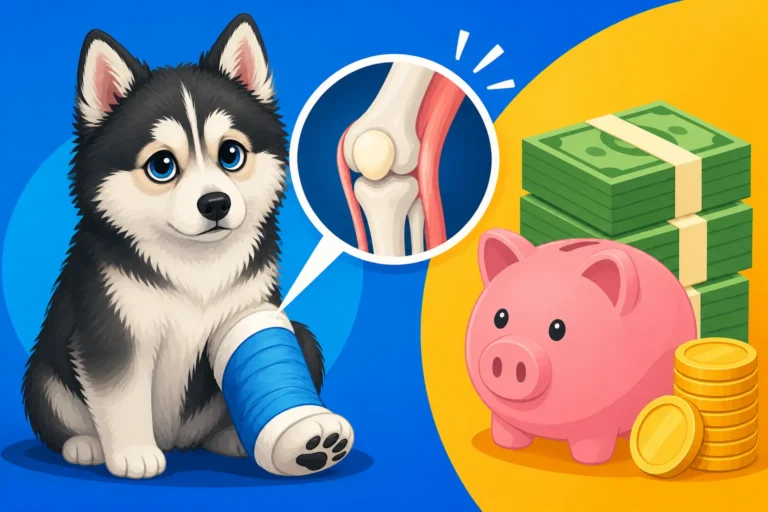
What Rehoming a Pomsky Yourself Costs
Deciding to rehome your beloved Pomsky is one of the hardest choices a pet parent can ever make. It's often fraught with guilt, sadness, and an overwhelming sense of failure, not to mention the practical challenge of finding a truly good, safe new home. This guide isn't here to judge your situation, but to lay out the often-unforeseen financial and time costs involved when you take on the responsibility of rehoming your Pomsky yourself, rather than going through a rescue organization.
Understanding Why Rehoming Becomes Necessary
Life happens, and sometimes, despite our best intentions, we find ourselves in a position where keeping our furry family member is no longer viable. This isn't a decision made lightly, and it certainly doesn't come without its own set of burdens, both emotional and practical. Many owners feel a profound sense of shame or embarrassment, but the reality is, countless animals are rehomed every year for a myriad of reasons beyond anyone's control.
The Emotional Toll of the Decision
Before we even talk about money, it's crucial to acknowledge the emotional landscape of rehoming. The stress, anxiety, and heartbreak are immense. You might feel like you've failed your dog, or that others will judge you harshly. This emotional weight can be a significant "cost" in itself, leading to sleepless nights and pervasive worry. Finding the right home becomes an obsession, driven by love and guilt, and that relentless pursuit can overshadow everything else. It's a heavy burden that impacts your mental and emotional well-being throughout the entire process.
It’s not just the immediate decision that hurts; it’s the ongoing emotional labor of preparing your Pomsky for a new life, saying goodbye, and then wondering if you made the right choice. Every photo you post, every conversation with a potential new owner, brings up a fresh wave of conflicting emotions. You’re hoping for the best for your dog, but also mourning the loss of a companion and the future you envisioned together. This emotional energy is a real expenditure, and it can be draining.
Common Reasons Pomskies Are Rehomed
Pomskies, with their adorable looks, are often acquired with assumptions about their temperament and needs that don't always align with reality. This mismatch is a primary driver for rehoming. One significant issue is their strong Husky traits in a smaller body. Many owners discover their Pomsky is an escape artist, capable of scaling fences or slipping leashes with surprising agility, leading to constant worry about them running off. The Pomsky Escape Artist in a Twenty Pound Body details just how inventive these dogs can be.
Another frequent reason is their vocal nature; Pomskies often talk, howl, and "argue" rather than bark, a trait inherited from the Husky side, and this can be a problem in apartments or close-knit neighborhoods. Why a Pomsky Talks Instead of Barking highlights this unique communication style, which can be endearing to some but overwhelming for others. Additionally, their innate prey drive can be challenging, especially in homes with small children or other small pets. A Pomsky's instinct to chase is potent, a legacy from their Husky heritage, which can make cohabitation with smaller animals difficult. The Prey Drive a Pomsky Gets From the Husky explores this further. Unforeseen health issues, behavioral problems like separation anxiety, or simply growing larger than anticipated can also lead to the heartbreaking decision to rehome. What a Pomsky Actually Weighs often surprises owners who expect a "toy" dog.
The Direct Financial Costs of Finding a New Home Yourself
When you decide to rehome a Pomsky yourself, you're not just finding a new family; you're essentially acting as a mini-rescue organization, and that comes with a range of direct expenses you might not initially consider. These costs can quickly add up, turning what you hope is a simple transition into a significant financial outlay.
Veterinary Expenses Before Rehoming
A responsible rehoming process almost always starts at the vet's office. Before you even think about finding a new home, your Pomsky should be up-to-date on all vaccinations, deworming, and flea/tick prevention. Potential adopters will want proof of good health. If your Pomsky isn't already spayed or neutered, this procedure is highly recommended, if not required, before placement, to prevent accidental litters and encourage responsible pet ownership. This surgical cost can be substantial.
Beyond routine care, any existing health issues need to be addressed or at least thoroughly documented. Imagine a Pomsky with a history of Slipping Kneecaps in a Pomsky or even dental crowding. Dental Crowding in a Pomsky's Small Mouth is a common issue for this breed due to their smaller jaws. These conditions might require examinations, diagnostic tests, or even surgery to ensure the dog is healthy and attractive to potential adopters. Providing a comprehensive vet history and a clean bill of health makes your Pomsky much more appealing and gives the new owners peace of mind. Many owners find pet insurance, like plans from Healthy Paws, helps manage ongoing health costs, ensuring their dog stays in good shape, which might even prevent rehoming in the first place or ensure they are healthy for a smooth transition.
Marketing and Screening Expenses
Think of yourself as a marketer now. You need to create compelling advertisements to attract the right kind of adopters. This means high-quality photos and a well-written, honest description of your Pomsky's personality, needs, and any quirks. You might post ads on local community boards, online pet adoption websites, or even social media groups dedicated to your area. While some platforms are free, others may charge a small fee for enhanced visibility.
Beyond advertising, thorough screening is critical. You'll likely want to conduct phone interviews, vet checks, and potentially even home visits to ensure a safe and loving environment. Background checks, if you choose to implement them, also come with a cost. This process isn't just about finding any home; it's about finding the best home, and that level of due diligence takes time and, in some cases, money. You're trying to prevent your Pomsky from ending up in a less-than-ideal situation, which adds another layer of responsibility and cost to the process.
Supplies and Transition Costs
Even while searching for a new home, your Pomsky still needs day-to-day care, and potentially new supplies to make the transition smoother. This includes their regular food—perhaps a quality brand like Ollie that you've been using—treats, toys, and any necessary medications. If your Pomsky doesn't have a comfortable crate, a secure harness, or a sturdy leash, you might consider investing in these items. A comfortable, familiar crate can be invaluable for reducing stress during the transition, and a good harness is essential for a Pomsky prone to escaping. Why a Pomsky Should Wear a Harness is a must-read if this is a concern.
Furthermore, it's a thoughtful gesture to send your Pomsky to their new home with some familiar items, such as a favorite bed, a few toys, and a supply of their current food. This helps them adjust more easily to their new surroundings. Stocking up on these essentials, perhaps from an online retailer like Chewy, adds to your rehoming expenses. You might even purchase new items specifically for the transition, like a puzzle feeder to keep them occupied, or a calming diffuser to help with anxiety.
| Cost Category | Description | Typical Expenses |
|---|---|---|
| Veterinary Care | Vaccines, spay/neuter, health check-ups, diagnostic tests, medications. | Exam fees, vaccine costs, surgical fees, lab work. |
| Marketing | Advertising on online platforms, local classifieds, social media promotions. | Listing fees, printing flyers, boosted social posts. |
| Screening | Background checks, reference checks for potential adopters. | Third-party service fees, phone costs. |
| Supplies | Food, treats, toys, leash, collar, crate for interim and transition. | Purchase of new items, replenishment of existing. |
| Behavioral Support | Trainer sessions, behaviorist consultations if trying to fix issues. | Hourly rates for professionals, training tools. |
| Travel | Fuel costs for vet visits, meet-and-greets, home visits. | Gas, public transport fares. |
The Indirect Costs and Time Investment of Self-Rehoming
While direct financial costs are easy to quantify, the indirect costs, particularly the investment of your precious time, can be far more demanding. This aspect often catches people off guard, adding a layer of exhaustion and frustration to an already difficult situation.
Time Spent on Screening and Communication
Finding the right family for your Pomsky isn't a quick search-and-select process. It involves countless hours dedicated to screening potential adopters. You'll likely spend a significant amount of time crafting detailed application forms, reviewing responses, and sifting through many unsuitable inquiries. Each promising lead requires follow-up emails, phone calls, and often multiple in-person meetings. You might spend an hour on the phone with someone, only to realize they don't have the secure yard a Pomsky needs, or they aren't prepared for the demanding exercise requirements. The Exercise a Pomsky Needs Every Day is often more than people realize.
These conversations and meetings can eat into evenings and weekends. You'll discuss everything from your Pomsky's daily routine, feeding habits (like whether they're a fussy eater), and any behavioral quirks, to their medical history. You’ll also be fielding questions, often repetitive ones, from numerous interested parties. This back-and-forth communication is essential for making an informed decision, but it's incredibly time-consuming, feeling almost like a second job on top of your existing responsibilities.
Behavioral Support and Training
Sometimes, the decision to rehome stems from behavioral challenges that have become unmanageable for the current household. While you're looking for a new home, you might feel compelled to address some of these issues to make your Pomsky more adoptable or to ensure a smoother transition. This could mean investing in private training sessions with a professional, enrolling in group classes, or consulting with a veterinary behaviorist. What Classes Cost a Pomsky Owner can quickly add up.
For instance, if your Pomsky has severe separation anxiety and destroys things when left alone, you might try working with a trainer to alleviate some of this before rehoming. Whether a Pomsky Can Be Left Alone touches on how challenging this can be. While these efforts are noble and beneficial for the dog, they add another layer of expense and time commitment to the rehoming process. You're not just finding a new home; you're also trying to set your dog up for success in that new environment, which often requires proactive intervention on your part.
Opportunity Cost
Every hour you spend on rehoming your Pomsky is an hour you could have spent on something else. This is what's known as "opportunity cost." It might mean taking time off work for vet appointments or meet-and-greets, sacrificing personal errands, or missing out on social engagements with friends and family. The mental energy consumed by the rehoming process can also impact your productivity and focus in other areas of your life.
Consider the weekend you dedicate to hosting potential adopters, or the evenings spent meticulously crafting online profiles and responding to inquiries. These are hours that aren't available for your hobbies, relaxation, or other important commitments. The emotional and mental drain can be profound, leading to burnout and making the process feel even more arduous. This intangible cost—the sacrifice of your personal time and peace of mind—is often overlooked but can be one of the heaviest burdens of self-rehoming.
Strategies to Minimize Costs and Maximize Success
While rehoming a Pomsky yourself will always have costs, both financial and personal, there are ways to approach it that can help streamline the process and minimize the overall burden. It's about being strategic, realistic, and leveraging available resources.
Thorough Preparation Pays Off
The more prepared you are, the smoother the rehoming process is likely to be. This means gathering all of your Pomsky's veterinary records, including vaccination history, spay/neuter certificates, and any information on past illnesses or treatments. Having these documents readily available demonstrates transparency and responsibility to potential adopters. It also helps them understand any ongoing health needs, such as managing potential issues like Zinc Responsive Dermatosis in a Pomsky.
Beyond medical records, a clear, honest, and comprehensive description of your Pomsky's personality, habits, and exercise requirements is essential. Include their likes and dislikes, how they interact with children and other pets, and their training level. High-quality, recent photos and even short videos showcasing your Pomsky's personality can make a huge difference in attracting serious inquiries. The goal is to paint an accurate picture, so there are no surprises for the new owners, ensuring a better long-term match. This upfront effort can save you countless hours of vetting unsuitable candidates later on.
Utilizing Community Resources
You don't have to go through this alone. Many online communities and local resources can provide support and guidance, often at no cost. Utilize breed-specific forums or Facebook groups dedicated to Pomskies or even local dog owners in your area. These platforms can be excellent places to share your Pomsky's profile and network with people who understand the breed's specific needs. Just be prepared for the scrutiny that often comes with such posts.
Local animal shelters and humane societies, while they might not take owner-surrendered animals directly due to capacity, often have resources, advice, or even rehoming programs that can assist you. They may have lists of reputable trainers, tips for screening potential adopters, or templates for adoption applications. Leveraging these established networks can significantly reduce your workload and increase the chances of finding a good match. Sometimes, they even offer behavioral advice that can help address minor issues making your Pomsky more appealing to prospective homes.
Setting a Reasonable Adoption Fee
Deciding whether to charge an adoption fee, and how much, is a delicate balance. Many experts recommend charging a nominal fee, typically comparable to what a local rescue would charge. This isn't about profit; it's a critical screening tool. People who are willing to pay an adoption fee are often more serious and invested in the process, indicating they have given thought to the financial commitment of pet ownership. Those looking for a "free dog" might not fully understand the responsibilities involved or may have less-than-ideal intentions.
The fee can also help you recoup some of your direct expenses, such as the vet bills incurred to get your Pomsky ready for rehoming. However, be prepared to justify the fee by demonstrating the investment you've made in your Pomsky's health and well-being. Presenting detailed vet records and a clear history can validate the fee. If your ultimate goal is simply finding the perfect home, a flexible approach or even waiving the fee for an exceptional candidate might be considered, but it's important to understand the risks associated with giving a pet away for free.
Disclaimer
This article is for general informational purposes only and does not constitute professional advice. Laws, prices and regulations vary by location and change over time. Consult a qualified professional for guidance on your specific situation.