Whether a Pomsky Chases Cars or Bikes
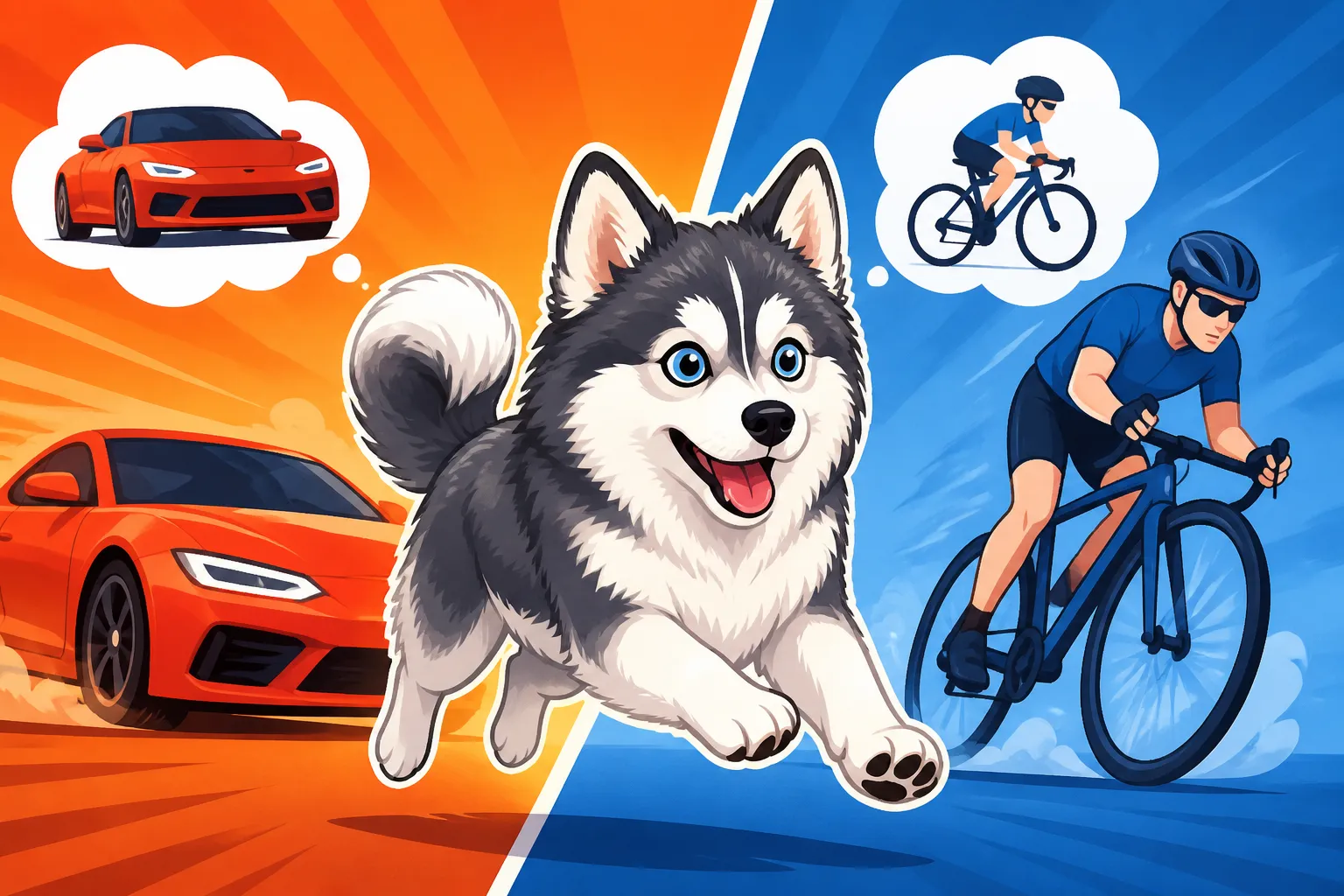
It's a familiar, heart-stopping scenario for many Pomsky owners: you're out for a peaceful walk, enjoying the fresh air, when suddenly a car zips by, or a cyclist glides past, and your usually well-behaved companion transforms into a blur of fur and frantic energy, lunging, barking, and attempting to give chase. This isn't just an embarrassing moment; it's a terrifying safety concern that can put your beloved Pomsky in immediate danger. This guide dives deep into why Pomskies often develop this instinct to chase cars and bikes, the very real risks involved, and, most importantly, provides actionable strategies to manage and prevent this challenging behavior, ensuring safer, more enjoyable outings for both of you.
The Instincts Behind the Chase: Why Moving Objects Are So Enticing to a Pomsky
Understanding why your Pomsky is suddenly fixated on that passing bicycle or truck is the first step toward managing the behavior. It's rarely about malice or disobedience; it's almost always rooted in deep-seated instincts and a combination of breed traits that make certain moving objects incredibly compelling.
The Siberian Husky's Prey Drive Contribution
One of the most significant factors at play here comes directly from the Siberian Husky side of your Pomsky's family tree: a strong, innate prey drive. Huskies were bred to pull sleds over vast distances, often in challenging wilderness environments, and their survival depended on an acute awareness of their surroundings and the ability to detect and pursue prey. This isn't about being mean; it's about survival.
When a car or a bike rushes past, especially if it moves quickly and erratically, it triggers that ancient hunting instinct. The movement, the speed, the sometimes sudden changes in direction—all mimic the actions of fleeing small animals. To your Pomsky, that speeding vehicle might not consciously be a rabbit, but the primal brain interprets the motion in a very similar way, initiating the chase sequence. They aren't trying to catch and kill the car, but the impulse to pursue is incredibly powerful and self-rewarding. Each chase, even if unsuccessful, reinforces the behavior, making it harder to break.
The Pomeranian's Alertness and Reactivity
While the Husky contributes the raw chase drive, the Pomeranian side brings its own unique set of traits that can amplify this behavior: alertness and reactivity. Pomeranians, despite their small stature, are known for being very aware of their surroundings, often quite vocal, and sometimes prone to reacting strongly to perceived threats or novel stimuli. They are little alarm bells, ready to let you know about everything.
This heightened alertness can translate into a quicker, more intense reaction to fast-moving objects. A Pomsky might start with barking and lunging—a typical Pomeranian-like alert behavior—but if that energy isn't channeled or redirected, it can quickly escalate into a full-blown chase. For a smaller dog, or a dog with a smaller dog's nervous system, the sudden appearance and disappearance of a large, fast object can be genuinely startling or even intimidating, leading to an instinctive "fight or flight" response. Chasing, in this context, can be an outward manifestation of an internal feeling of anxiety or overstimulation.
Boredom, Under-stimulation, and Lack of Outlets
Sometimes, the chase isn't purely about genetics; it's about unmet needs. Pomskies are intelligent, energetic dogs that require significant mental and physical stimulation. If your Pomsky isn't getting enough appropriate exercise, mental enrichment, or opportunities to engage their natural instincts in a safe, constructive way, they will find their own outlets – and those outlets might involve chasing anything that moves.
A short, uneventful leash walk around the block might not be enough to satisfy a Pomsky's physical needs, let alone their deep-seated desire to explore, sniff, and "work." If they're bored and under-stimulated, a passing car or bike suddenly becomes the most exciting thing in their day. The thrill of the chase, the burst of adrenaline, the intense focus—all serve as a powerful form of self-entertainment. This behavior is incredibly self-rewarding, so even if they don't "catch" the object, the sheer act of chasing provides a huge payoff. It reinforces the idea that cars and bikes are fun and worth pursuing, making it a tough habit to break. Providing enough The Exercise a Pomsky Needs Every Day and mental stimulation is crucial.
The Dangers of the Chase: Why This Behavior Is More Than Just Annoying
While an uncontrolled Pomsky lunging at a passing bike might seem like a mere nuisance, the reality is far more serious. This behavior carries significant risks, not just for your dog but for others around you. It's imperative to understand these dangers to fully grasp why addressing this instinct is so critical.
Immediate Safety Risks for Your Pomsky
The most obvious and terrifying danger is, of course, the risk of your Pomsky being hit by a vehicle. Even if your dog is on a leash, a strong lunge can pull you off balance, or the leash could slip from your grasp. Many Pomskies are masters of escape, as described in The Pomsky Escape Artist in a Twenty Pound Body. Once off-leash and in pursuit, a Pomsky is often oblivious to its surroundings, their entire focus locked on the moving target. They don't understand traffic laws or the speed of an oncoming car.
Beyond being hit, there are other physical dangers. A sudden, violent lunge can cause neck injuries if they're wearing a collar, or even joint issues over time from the repeated stress. If they do escape, they can get lost, become disoriented, or encounter other hazards like aggressive dogs, dangerous wildlife, or unsafe environments. The speed with which an accident can happen leaves little to no time for intervention, turning a routine walk into a heartbreaking tragedy in a split second. This is why having a strong recall, even if you never intend to walk off-leash, is vital.
Risks to Others and Public Perception
Your Pomsky's chasing behavior isn't just a risk to themselves; it can also endanger other people. Imagine a cyclist suddenly swerving to avoid your lunging dog and crashing, sustaining injuries. Or a child on a scooter being startled and falling. While your Pomsky might be friendly, the sudden, aggressive-looking lunge and barking can be incredibly frightening to pedestrians, especially those who are nervous around dogs.
There can be legal ramifications as well. If your dog causes an accident or injures someone, you, as the owner, can be held liable. This can lead to hefty medical bills, legal fees, and immense stress. Furthermore, a dog known for chasing vehicles can quickly earn a bad reputation in the neighborhood, leading to complaints, fear from neighbors, and potential restrictions on where and when you can walk your dog. It damages the perception of Pomskies generally, feeding into stereotypes about them being "unruly" or "difficult."
The Stress on the Owner and Relationship Strain
Living with a dog that constantly lunges and barks at cars and bikes takes a significant toll on the owner. Walks, which should be a relaxing bonding experience, become a source of intense anxiety and stress. You might find yourself constantly scanning the environment for potential triggers, anticipating the next lunge, and bracing yourself for the struggle.
This constant vigilance and physical exertion can make you dread walks, potentially leading to fewer outings, which in turn can exacerbate your Pomsky's under-stimulation. The embarrassment of having an "uncontrolled" dog can be crushing, making you feel judged by others. Over time, this stress can strain the relationship you have with your Pomsky. You might start to feel frustrated, helpless, or even resentful, impacting the bond you share. It's a heavy burden, and it's completely understandable to feel overwhelmed by it. Knowing What to Do When a Pomsky Bolts is often on an owner's mind.
Strategies to Manage and Mitigate the Chase Instinct
Dealing with a Pomsky's chase instinct requires a multi-faceted approach, combining careful training, appropriate equipment, and smart environmental management. It's about proactive prevention and teaching your dog alternative, acceptable behaviors.
Foundation Training: Building a Solid Recall and Focus
This is perhaps the most critical component. A strong foundation in obedience, particularly an ironclad recall, can literally be a lifesaver. You need to build a system where your Pomsky chooses to disengage from the exciting moving object and re-engage with you.
Start by teaching a "watch me" or "focus" command in a low-distraction environment. This teaches your Pomsky to make eye contact with you on cue, shifting their attention away from distractions. Use extremely high-value treats – something truly irresistible like boiled chicken or cheese – to make yourself more rewarding than any passing distraction. Practice this hundreds of times a day in various settings, gradually introducing minor distractions.
Next, focus on a bulletproof "leave it" command. This is essential for preventing the initial lunge. Again, start with low-value items on the floor, gradually increasing the difficulty. When they successfully "leave" an object, reward heavily.
Finally, and perhaps most importantly, work on a reliable recall. For a Pomsky with significant prey drive, building Recall on a Pomsky Bred From a Dog That Runs is an ongoing commitment. Practice in a securely fenced area or on a long line (a 20-50 foot leash) in a safe, open space. Use their highest value treat and an enthusiastic tone of voice. Call them, reward them generously when they come, and then release them to play again. This makes coming to you a joyful experience, not a punishment for leaving something fun. Never call them to you and then scold or punish them, as this will poison the recall.
Leash Management and Equipment Choices
Your equipment plays a huge role in safety and control, especially when you're actively working on managing the chase instinct. A standard flat collar often isn't enough for a determined Pomsky. They can easily slip out of it, especially if they back out of pressure, or it can cause discomfort and damage to their trachea if they lunge hard.
Consider a front-clip harness. These harnesses clip at the front of the dog's chest, which helps redirect their forward motion when they pull. Instead of simply pulling against you, a lunge makes them turn slightly to the side, making it much harder to gain momentum and much easier for you to control. Many owners find these a game-changer for walking a strong or reactive dog. You can learn more about Why a Pomsky Should Wear a Harness.
A double-ended leash, used with both a front-clip harness and a regular collar, provides even greater security and control. You have two points of contact, making it almost impossible for your dog to slip free. Always use a sturdy, non-retractable leash. Retractable leashes offer no real control and can be dangerous, snapping unexpectedly or causing rope burns. For safety during training, especially recall, a long line is invaluable, allowing your Pomsky to feel "off-leash" freedom while still being securely connected to you.
Environmental Management and Controlled Exposure
Until your Pomsky's training is solid, environmental management is your best friend. This means proactively avoiding situations where the chase instinct is likely to be triggered. It's not about avoiding training, but about setting your dog up for success and preventing rehearsals of the unwanted behavior.
- Choose Your Walking Routes Wisely: Opt for quieter streets, parks, or trails where car and bike traffic is minimal, especially during peak hours. If you know a particular street is a hot spot for cyclists, plan a different route.
- Time Your Walks: If certain times of day have less traffic, try to schedule your walks then. Early mornings or late evenings can often be calmer.
- Use Visual Barriers: When you see a car or bike approaching from a distance, strategically place yourself between your Pomsky and the trigger. Step behind a parked car, a bush, or even just turn your body to create a visual block, making it harder for your dog to spot the trigger initially.
- Controlled Exposure (Gradual Desensitization): Once your Pomsky has a good foundation of "look at me" and "leave it," you can start controlled exposure. This involves slowly and systematically introducing the triggers at a distance where your dog can still remain calm. For example, sit with your Pomsky on a long line in a park far from a road where cars are passing. The moment they notice a car but don't react, reward them. If they react, you're too close. Gradually, over many sessions, decrease the distance. The goal is to change their emotional response from excitement/anxiety to neutrality or even positive association.
Enrichment and Exercise to Channel Energy
A tired Pomsky is often a well-behaved Pomsky, but "tired" doesn't just mean physically exhausted. It means mentally stimulated and adequately exercised. If your Pomsky isn't getting enough appropriate outlets for their energy and innate drives, they will create their own, and chasing is a potent one.
- Structured Play: Engage your Pomsky in games that mimic chase but are controlled and safe. Flirt poles are excellent for this, allowing your dog to chase a toy on a string without involving dangerous objects. Tug-of-war is another great game that satisfies their need for a "catch" and allows them to use their mouths appropriately.
- Mental Stimulation: Pomskies are smart, and their brains need a workout too! Incorporate puzzle toys where they have to work to get treats. Scent work, where they use their noses to find hidden treats or objects, is incredibly engaging and tiring. Even teaching new tricks counts as mental stimulation. Whether a Pomsky Takes to Scent Work is a great way to tire them out.
- Sniff Walks: Don't underestimate the power of a good sniff walk. Letting your Pomsky explore and sniff to their heart's content on a long line or in a safe, quiet area is incredibly enriching. It engages their primary sense and allows them to process the world around them at their own pace.
- Dog Sports: Consider engaging in dog sports like agility, rally, or obedience. These activities provide both physical and mental challenges and a constructive outlet for their energy and intelligence. Whether a Pomsky Can Do Agility can be a fantastic way to bond and manage those drives. These activities teach impulse control and focus in exciting environments.
By combining these strategies, you can begin to reshape your Pomsky's behavior and foster a safer, more relaxed walking experience for everyone involved.
Advanced Techniques and When to Seek Professional Help
Sometimes, despite your best efforts with foundation training and management, the chase instinct in your Pomsky feels overwhelming. This is where more advanced techniques, or the guidance of a professional, become incredibly valuable.
Desensitization and Counter-Conditioning Protocols
These are powerful, systematic training methods aimed at changing your Pomsky's emotional response to triggers like cars and bikes. Instead of just trying to stop the chase, you're working to make them feel calm or even positive about these objects.
- Desensitization: This involves exposing your Pomsky to the trigger at such a low intensity that they barely notice it, or remain completely calm. For example, find a location where cars or bikes are very far away – so far that your dog can see them but doesn't react. This is their threshold. Over many sessions, you gradually decrease that distance, ensuring your dog stays below their reactive threshold. It's a slow, methodical process.
- Counter-Conditioning: This goes hand-in-hand with desensitization. Every time your Pomsky sees a trigger (car, bike) at a distance where they are still calm, immediately reward them with a high-value treat or a favorite toy. The goal is to create a positive association: "Car/bike appears = delicious treat appears!" Eventually, your Pomsky will start to associate the presence of these objects with good things, rather than the urge to chase. The key is to deliver the reward the moment they spot the trigger, before they have a chance to react negatively. If they react, you're too close, and you need to move further away.
This takes patience and consistency. It's about changing their gut reaction, not just suppressing a behavior. Using a brand like BAXTER & Bella, which offers online training resources, can help guide you through these structured exercises from the comfort of your home, breaking down the steps into manageable chunks.
Incorporating Brain Games and Impulse Control
Many chasing behaviors stem from a lack of impulse control. Pomskies, especially with their intelligent and often strong-willed nature, can benefit immensely from games and exercises that teach them to think before they act.
- "Wait" Games: Teach your Pomsky to "wait" before going through a door, before eating their meal, or before getting out of the car. This reinforces the idea that good things come to those who wait and look to you for permission.
- Hidden Treat Games: Hide treats around the house or yard and have your Pomsky use their nose to find them. This is mentally engaging, physically tiring, and teaches problem-solving and focus.
- "Zen" Games: Place a treat on the floor and cover it with your hand. When your Pomsky tries to get it, keep your hand there. The moment they back off, even for a second, lift your hand and let them have the treat. This teaches them that calm behavior gets the reward, not frantic attempts.
- Structured Obedience: Regular practice of basic obedience commands like "sit," "stay," and "down" in increasingly distracting environments builds their ability to focus on you despite external stimuli. This focus is what you want them to give you when a car or bike passes.
These games don't directly stop the chase, but they build the underlying mental muscle for self-control, which can then be applied to real-world situations.
When to Call in the Experts
It's important to recognize that you don't have to tackle this challenge alone. If you've tried the above strategies consistently and are still struggling, or if the behavior is escalating, it's absolutely time to Whether a Pomsky Needs a Professional Trainer.
A certified professional dog trainer or a veterinary behaviorist can provide invaluable assistance. They can:
- Assess the Root Cause: They can observe your Pomsky's behavior and help identify whether the chase is driven purely by prey drive, fear, anxiety, frustration, or a combination.
- Develop a Tailored Plan: They will create a customized training plan based on your dog's specific needs, your lifestyle, and the severity of the behavior.
- Provide Hands-On Guidance: They can demonstrate techniques, observe your interactions, and offer real-time feedback and adjustments, which is incredibly helpful when dealing with complex behaviors.
- Ensure Safety: A professional can help you implement strategies safely, especially if your Pomsky has a very strong pull or a high risk of escape.
Don't feel ashamed or embarrassed to seek help. Professional guidance can make a world of difference, not only in managing the behavior but also in restoring your confidence and enjoyment in walking your Pomsky. Look for trainers who use positive reinforcement methods, as force-based or aversive techniques can often worsen fear and reactivity in dogs. Many offer online consultations or virtual classes, making it easier to access expert advice.
Here's a quick comparison of different strategies to help you navigate your Pomsky's chase instinct:
| Strategy Category | Description | Pros | Cons |
|---|---|---|---|
| Foundation Training | Teaching "look at me," "leave it," and a rock-solid recall using high-value rewards. | Essential for overall control and safety; builds communication; empowers owner. | Requires significant time and consistency; must be practiced in varied environments. |
| Leash Management | Using appropriate equipment like front-clip harnesses or double-ended leashes. | Provides immediate physical control and safety; helps prevent escapes. | Does not address the underlying instinct; equipment can be circumvented by very determined dogs; not a "fix." |
| Environmental Mgmt. | Avoiding high-traffic areas, timing walks, using visual barriers. | Prevents rehearsal of unwanted behavior; reduces owner stress in the short term. | Only avoids the problem; doesn't teach alternative behaviors; can be limiting for walks. |
| Enrichment & Exercise | Providing mental puzzles, structured play, scent work, dog sports. | Channels natural drives constructively; reduces boredom and destructive behaviors; improves overall well-being. | Requires time and creativity; may not directly address the chase if instinct is very strong. |
| Desensitization/Counter-Conditioning | Gradually exposing to triggers at low intensity, pairing with positive rewards. | Changes emotional response to triggers; leads to long-term behavioral change; humane and effective. | Very time-consuming and requires precision; easy to accidentally reinforce fear or excitement if not done correctly. |
| Impulse Control Games | "Wait" games, hidden treats, "Zen" games. | Builds self-control and focus; mentally tiring; can be done indoors. | Indirect approach; takes time for skills to transfer to high-distraction environments. |
| Professional Help | Consulting a certified dog trainer or veterinary behaviorist. | Expert assessment and tailored plan; hands-on guidance; addresses severe or complex cases. | Cost involved; requires finding a qualified, positive-reinforcement based professional. |
This article is for general informational purposes only and does not constitute professional advice. Laws, prices and regulations vary by location and change over time. Consult a qualified professional for guidance on your specific situation.