Whether a Pomsky Can Pull a Sled or Scooter
Many Pomsky owners dream of harnessing their energetic, Husky-like companion for adventurous activities, often wondering if their furry friend can truly live up to the image of a miniature sled dog. It's a common and exciting thought, especially with their undeniable resemblance to their sled-pulling ancestors. This guide will dive deep into the realistic possibilities and limitations of engaging your Pomsky in pulling activities like sledding or scootering, offering practical advice and essential considerations to ensure both your dog's safety and your enjoyment.
Understanding the Pomsky's Capabilities for Pulling
It's easy to look at a Pomsky and immediately see the Siberian Husky influence, particularly when they gaze at you with those striking eyes or vocalize with their signature 'woo-woo'. This often sparks the question: can they really pull things? The answer, like with many things Pomsky, is a delightful mix of yes, no, and "it depends."
The Husky Influence: Instinct and Build
The Siberian Husky, one of the Pomsky's parent breeds, is renowned globally for its incredible endurance, strength, and innate desire to pull. These dogs were literally bred for thousands of years to cover vast distances, pulling sleds through harsh Arctic conditions. That genetic predisposition, that drive to work and move forward when harnessed, is absolutely present in many Pomskies. You might see it in their boundless energy, their tendency to pull on the leash even during a casual walk, or their joy in a good, long run. They often have that strong, athletic build, deep chest, and powerful hindquarters that hint at their pulling potential. However, it's crucial to remember that this is only half of their genetic makeup.
The Pomeranian Influence: Size and Stamina
On the other side of the genetic coin is the charming, feisty Pomeranian. Poms are toy breeds, known for their compact size, luxuriant coats, and surprisingly big personalities. While they might trot proudly, they were never bred for sustained endurance or strength work in the way a Husky was. This smaller stature and different physical conformation means that while a Pomsky might inherit the desire to pull from their Husky lineage, their overall size and bone structure will always be influenced by the Pomeranian. This impact on their physical capabilities and stamina is significant, especially when considering prolonged, strenuous activities. A Pomsky simply doesn't have the sheer body mass or the same musculoskeletal robustness for heavy loads or long distances that a full-sized Husky possesses.
Size and Weight Considerations for Pulling
The variation in Pomsky size is perhaps their most defining characteristic, ranging from a dainty 10 pounds to a robust 35 pounds or more. This wide spectrum means that what one Pomsky can safely pull, another cannot. A larger, more Husky-like Pomsky might be able to handle light loads or pull an adult on a scooter, while a smaller, more Pomeranian-leaning Pomsky might only be suitable for pulling a very small child in a lightweight sled for short distances, or simply enjoying the sensation of pulling an empty rig. It’s not just about weight, but also their bone structure, joint health, and overall musculature. Owners often worry about their Pomsky's joints, especially conditions like Slipping Kneecaps in a Pomsky which can make strenuous pulling ill-advised. Any activity that puts significant strain on the joints should be approached with caution and ideally, a vet's approval. You must also consider your Pomsky's own weight; it's generally advised that dogs pull no more than 1.5 to 2 times their own body weight, and even that is for well-conditioned, purpose-bred working dogs over short distances. For a Pomsky, it should be significantly less, and always on level ground with minimal resistance.
The Reality of Sledding and Scootering with a Pomsky
Let's get real about what "sledding" and "scootering" actually mean for a Pomsky. Forget the Iditarod; we're talking about recreational fun, not competitive racing. The goal is enjoyment and exercise for your dog, not breaking speed records or covering miles of snow.
What Kind of "Sledding" Is Realistic?
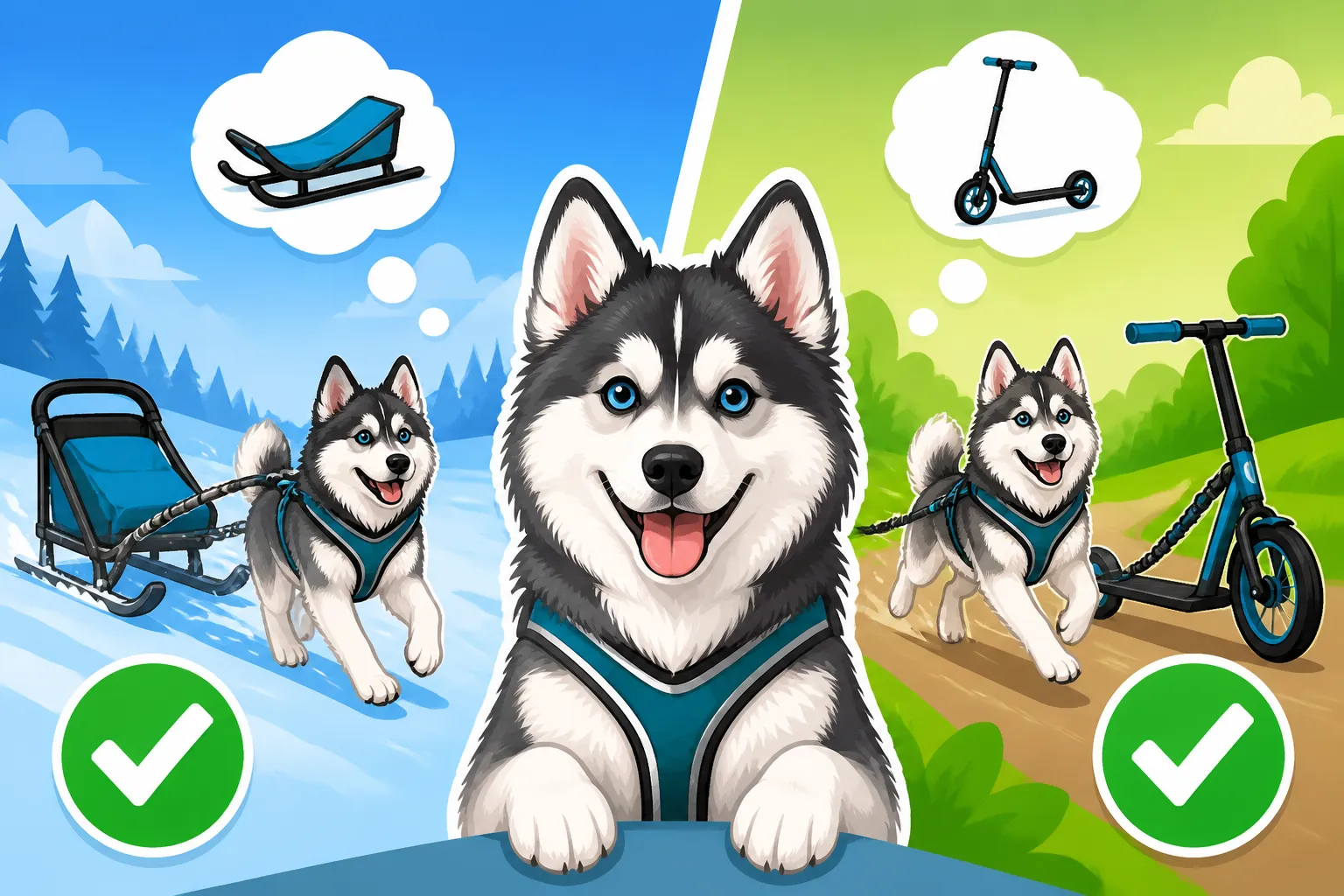
Traditional sledding, with a heavy wooden sled and significant snow, is generally not a realistic or safe expectation for most Pomskies, especially if you're picturing pulling a full-grown adult. The combination of their size, even the larger ones, and the energy required to break through snow can quickly lead to overexertion and injury. However, "urban mushing" or "dryland mushing" can open up possibilities. This might involve a very lightweight plastic sled, perhaps pulling a small child (with supervision and safety paramount) or even an empty sled on packed snow or flat, clear trails. The key is minimal weight and resistance. A little one- or two-person lightweight plastic sled from a general retailer, perhaps purchased on Amazon, could be a starting point. Always prioritize your Pomsky's comfort and ability over your aspirations.
Scootering and Bikejoring: A Better Fit?
For many Pomskies, particularly those with a stronger Husky build and temperament, scootering (being pulled by a dog on a non-motorized scooter) or bikejoring (being pulled by a dog while riding a bicycle) can be a more suitable and exhilarating activity. These activities allow your dog to run and pull on hard, relatively flat surfaces, reducing the resistance and strain associated with deep snow. The rider can assist with pedaling or pushing, taking some of the load off the dog. This makes it a fantastic way to harness their natural desire to run and pull, offering incredible physical and mental stimulation. The smooth, consistent pace on a scooter or bike can really tap into that forward momentum drive many Pomskies possess. The rider's weight is not directly on the dog, which is a crucial distinction from pulling a sled with a passenger. However, the dog is still exerting itself, so knowing The Exercise a Pomsky Needs Every Day is vital to prevent overdoing it.
Essential Equipment for Safe Pulling Activities
Safety and comfort are paramount when introducing your Pomsky to pulling activities. The right equipment is non-negotiable.
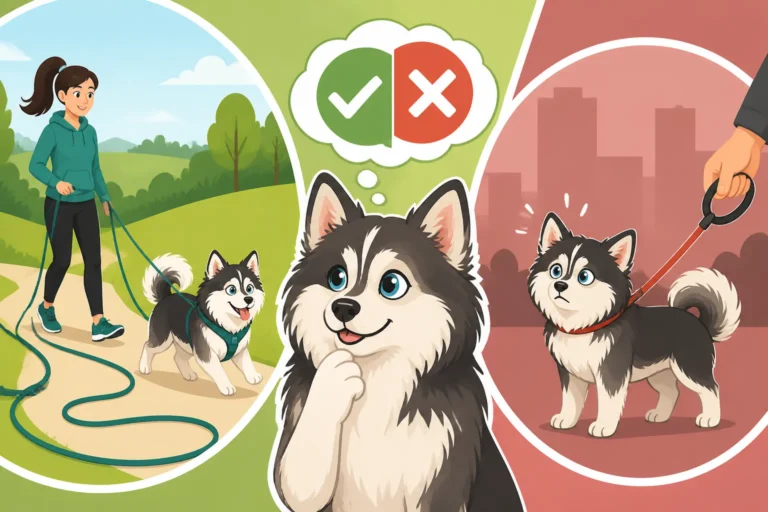
- Proper Harness: This is absolutely critical. You need a purpose-built pulling harness (often called a "x-back" or "freighting" harness), not a standard walking harness or a no-pull front-clip harness. A pulling harness is designed to distribute the load evenly across the dog's chest and shoulders, allowing for full range of motion without restricting breathing or putting pressure on the trachea. A regular collar or even a standard walking harness can cause serious injury if used for pulling. Remember, Why a Pomsky Should Wear a Harness is important for everyday walks, but for pulling, it must be a specific type of harness.
- Gangline/Towline: This is the line that connects the dog's harness to the sled, scooter, or bike. It should be strong, durable, and have some elasticity to absorb shocks. Length will vary depending on the activity; a shorter line for scootering, a slightly longer one for sledding.
- Sled, Scooter, or Bike:
- For sledding: a very lightweight, small plastic sled for extremely light loads (e.g., small children or empty).
- For scootering: a sturdy, non-motorized kick scooter with good brakes and large wheels is ideal. This gives you control and allows you to push when needed.
- For bikejoring: a mountain bike or a sturdy hybrid bike with good suspension and reliable brakes is essential. You'll also need a bikejoring attachment that keeps the line away from the front wheel.
- Safety Gear for You: A helmet is a must for scootering and bikejoring! Gloves, sturdy shoes, and protective eyewear are also highly recommended.
- Dog Boots: Depending on the terrain and weather (hot pavement, icy snow, rough trails), dog boots can protect your Pomsky's paw pads from injury.
- Water and Collapsible Bowl: Always carry water, especially for active dogs, and offer frequent breaks.
Training Your Pomsky for Pulling Activities
Just like any dog sport, introducing your Pomsky to pulling requires patient, positive reinforcement training. You can't just hook them up and expect them to know what to do!
Building Foundational Obedience
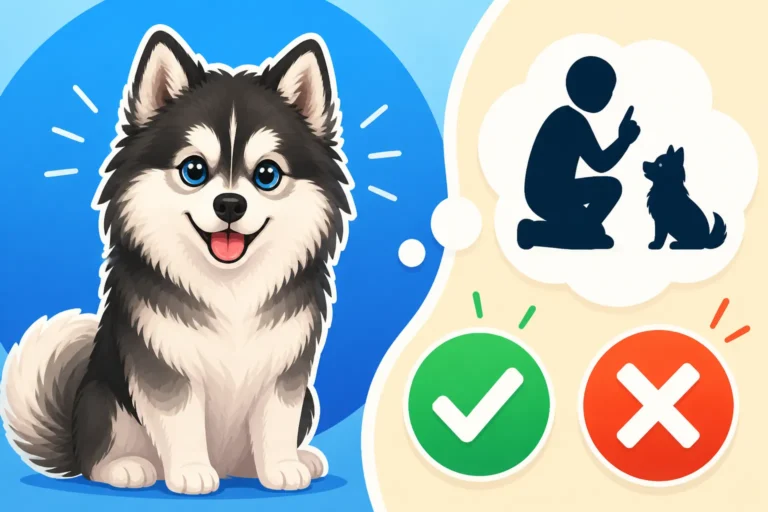
Before you even think about attaching them to a rig, your Pomsky needs a solid foundation in obedience. This means a reliable "come," "stay," "leave it," and excellent leash manners. A strong Recall on a Pomsky Bred From a Dog That Runs is absolutely essential, as is the ability to ignore distractions like squirrels or other dogs. This control is not just for safety on the trail, but also to build a strong working relationship with your dog. Online training platforms, such as those offered by BAXTER & Bella, can be a fantastic resource for building this crucial foundation from home. Their step-by-step approach to obedience can help instill the discipline needed for more advanced activities.
Introducing the Harness and Equipment
The pulling harness is different from their everyday walking harness, and some dogs can be wary of new gear. Introduce it slowly, making it a positive experience.
- Familiarization: Let your Pomsky sniff and investigate the harness. Offer treats for calm interaction.
- Short Wear Times: Put the harness on for very short periods, praising and rewarding generously. Keep it positive.
- Positive Association: Feed meals or play favorite games while the harness is on.
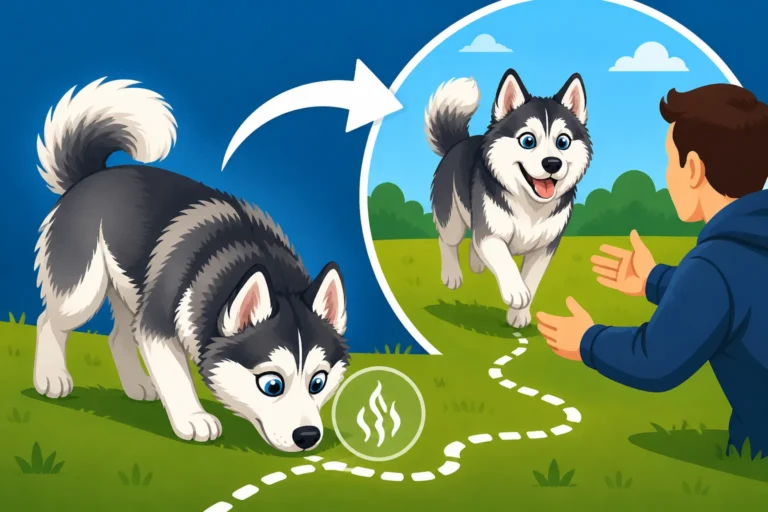
- Gradual Connection: Once they're comfortable in the harness, introduce the gangline. Let it drag on the ground initially (in a safe, contained area) so they get used to the sensation of something behind them.
- Rig Introduction: Finally, introduce the sled or scooter. Let them sniff it, walk around it. Only when they are comfortable with all individual pieces should you try putting them together.
Teaching Basic Commands for Mushing
Mushing commands are unique and vital for clear communication and safety. Start teaching these without the rig first, using treats and enthusiastic praise.
- "Gee" (pronounced "jee"): Turn right.
- "Haw" (pronounced "haw"): Turn left.
- "Hike!" or "Let's Go!": Go forward.
- "Whoa!": Stop. This needs to be rock solid.
- "On By!" / "Leave It!": Ignore distractions.
- "Wait!" / "Stay!": Hold position.
Practice these commands on walks, making them fun games. For instance, when you want to turn right, say "Gee!" and use a lure to guide them, then reward. Once they understand the commands, you can integrate them into short, controlled pulling sessions. Remember, How Long a Pomsky Holds Concentration can vary, so keep training sessions short, fun, and frequent.
Safety First: Conditions and Limitations
Always, always prioritize your Pomsky's well-being.
- Weather: Pomskies, with their double coats, are generally more tolerant of cold than heat. Hot weather can quickly lead to overheating, especially during strenuous activity. Avoid pulling activities in temperatures above 60-65°F (15-18°C), and always check pavement for heat with your hand. Snow and cooler temperatures are ideal. If you live in a warm climate, this activity might be limited to very early mornings or late evenings in the cooler months, or simply not be suitable at all. Whether a Pomsky Overheats More Than a Husky is a valid concern, as their smaller size can sometimes make them prone to faster temperature changes.
- Terrain: Stick to flat, smooth, well-maintained trails. Avoid rough terrain, steep hills, or areas with obstacles that could cause injury to your dog or yourself.
- Duration: Start with very short sessions (5-10 minutes) and gradually increase duration as your Pomsky builds stamina. Watch for signs of fatigue: excessive panting, lagging, or a change in gait.
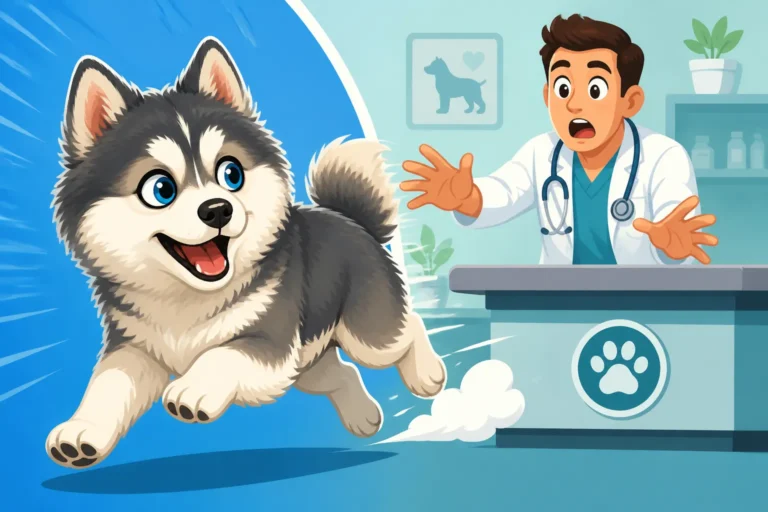
- Health Checks: Before embarking on any pulling activity, a full veterinary check-up is crucial. Your vet can assess your Pomsky's overall health, joint integrity, and cardiac function to ensure they are physically fit for such demands. Discussing this with your vet can help you understand your individual dog's limits. Conditions like The Collapsing Trachea a Pomsky Gets From the Pomeranian would absolutely preclude any pulling activity.
Benefits and Potential Drawbacks
Engaging in pulling activities can be incredibly rewarding, but it's important to understand both the positives and the potential negatives.
Physical and Mental Stimulation
For a high-energy breed like the Pomsky, especially those with strong Husky traits, pulling activities offer an unparalleled outlet for their energy and instincts. Many Pomskies love to run and have a natural desire to pull; giving them a constructive way to do so can dramatically improve their behavior. It's a fantastic way to burn off steam, preventing destructive behaviors that often stem from boredom or pent-up energy, such as excessive digging or chewing. It also provides profound mental stimulation, as they have to focus on commands, navigate the trail, and work as part of a team. This kind of focused work can be incredibly satisfying for a smart, active dog, helping them use their brains as well as their brawn. If you find your Pomsky to be Whether a Pomsky Is Stubborn or Independent, channeling that drive into a working sport can often make them more attentive and biddable in other aspects of their life.
Bonding and Teamwork
Working together on a trail, communicating through commands, and achieving a shared goal strengthens the bond between you and your Pomsky like few other activities can. You become a team, relying on each other. This shared experience builds trust and mutual respect. It's an opportunity to truly understand your dog's capabilities and personality, and for them to understand your leadership and guidance. The excitement they feel when they see the harness or the scooter can be infectious, making it a wonderful activity to look forward to together. This kind of active engagement can transform a relationship, fostering a deeper connection than simple walks alone.
Risks of Overexertion and Injury
Despite the benefits, the risks are real and must be managed carefully. The primary concerns are overexertion, heatstroke, and orthopedic injuries. Pushing a Pomsky too hard, especially without proper conditioning, can lead to muscle strains, joint damage, or even a medical emergency like heatstroke. Their double coat, while great for cold, makes them very susceptible to overheating in warmer temperatures.
The differences in their genetic makeup also mean that some Pomskies might not be built for repetitive pulling. A dog with even minor joint issues could exacerbate them through such strenuous work. Always be vigilant for signs of limping, stiffness, changes in gait, or excessive panting. Consulting with your veterinarian before starting any new, intense physical activity is critical. Remember that the long-term health of your companion is paramount, and activities should always be tailored to their individual physical capabilities, not just their enthusiasm. Investing in a good quality harness, available on platforms like Amazon, also goes a long way in preventing injuries, as ill-fitting or inappropriate gear can cause painful chafing or uneven strain.
| Activity Type | Suitable for Pomskies? | Ideal Pomsky Size/Build | Key Considerations |
|---|---|---|---|
| Traditional Sledding | Generally No | Large, Husky-dominant, extremely fit | High resistance, deep snow, potential for injury |
| Light "Sledding" | Limited Yes | Medium-Large, Husky-dominant, fit | Very lightweight sled, small child/empty, packed snow |
| Scootering | Yes | Medium-Large, athletic | Rider assistance, good brakes, flat terrain, proper harness |
| Bikejoring | Yes | Medium-Large, athletic, good recall | Rider assistance, proper bike setup, controlled environment |
| Canicross (running) | Yes | All sizes, especially smaller, athletic | No vehicle, less strain, excellent cardio |
Disclaimer
This article is for general informational purposes only and does not constitute professional advice. Laws, prices and regulations vary by location and change over time. Consult a qualified professional for guidance on your specific situation.