The Standard Pomsky Coat
One of the biggest questions new Pomsky owners, or those just dreaming of one, have is about their coat. You see all these gorgeous pictures online, and sometimes the reality of what arrives in your home can be a bit different, or at least require a different kind of care than you anticipated. This guide is all about demystifying the "standard" Pomsky coat – what it looks like, how it feels, and most importantly, how to care for it so your furry friend always looks their best and stays healthy.
Understanding the Pomsky's Double Coat Heritage
To truly appreciate the standard Pomsky coat, we need to look at its magnificent parent breeds: the Siberian Husky and the Pomeranian. Both of these breeds are known for their incredibly plush, dense coats, and they pass on these traits, to varying degrees, to their Pomsky offspring. It’s this unique genetic blend that creates the beautiful, but often challenging, standard Pomsky coat.
The Husky Influence on Coat Structure
The Siberian Husky is built for the harsh, freezing climates of the Arctic. Their coat is a marvel of natural engineering, designed to keep them warm in extreme cold while also protecting them from wind and snow. What you feel when you pet a Husky isn't just one type of hair; it's a sophisticated system of two distinct layers. The Husky contributes a thick, soft, and very dense undercoat that acts like a built-in down jacket, trapping warmth close to the body. Over this, they have a layer of longer, slightly coarser guard hairs. These guard hairs are water-resistant and provide an outer barrier, shedding snow and moisture away from the skin.
When a Pomsky inherits this Husky influence, even in a smaller package, they often get a significant portion of this double-coat structure. This means your Pomsky is likely to have a very plush, soft undercoat that gives them their cuddly feel, topped with those more protective guard hairs. This combination is why they can handle cooler weather so well, acting as a natural insulator. It's a fantastic adaptation if you live somewhere with actual winters, but it comes with its own set of grooming demands, as anyone who’s ever had a Pomsky romp through the snow and then bring half of it indoors can attest! They truly are The Pomsky That Carries a Husky Coat at Twenty Pounds, which is quite remarkable.
The Pomeranian Contribution to Texture and Volume
Now, let's talk about the Pomeranian's side of the family. Pomeranians are famous for their luxurious, voluminous coats that seem to puff out from their tiny bodies. While they are also a double-coated breed, their coat has a distinct "stand-off" quality, meaning the hair doesn't lie flat against the body but rather projects outwards, giving them that adorable fluffy silhouette. This stand-off quality comes from a combination of stiff guard hairs and a thick, soft undercoat that is very well-developed.
When these genetics mix in a Pomsky, the Pomeranian's influence often contributes to the overall fluffiness and volume of the coat. You might notice that your Pomsky's hair doesn't lie as flat as a purebred Husky's might, especially around the neck and hindquarters, where the Pomeranian's ruff and skirt are most prominent. This is what gives many Pomskies their irresistible, teddy-bear-like appearance. It adds to the density, making the coat even more impressive, but also increases the potential for tangles and requires consistent grooming to maintain that lovely, buoyant look. The blend creates a truly unique texture that is both soft and robust.
Identifying the Standard Pomsky Coat
Among the different coat types a Pomsky can inherit, the "standard" coat is perhaps the most commonly seen and desired, often striking a beautiful balance between their Husky and Pomeranian parents. Knowing what to look for will help you understand your dog's specific grooming needs and manage expectations for their appearance.
Visual Characteristics of a Standard Coat
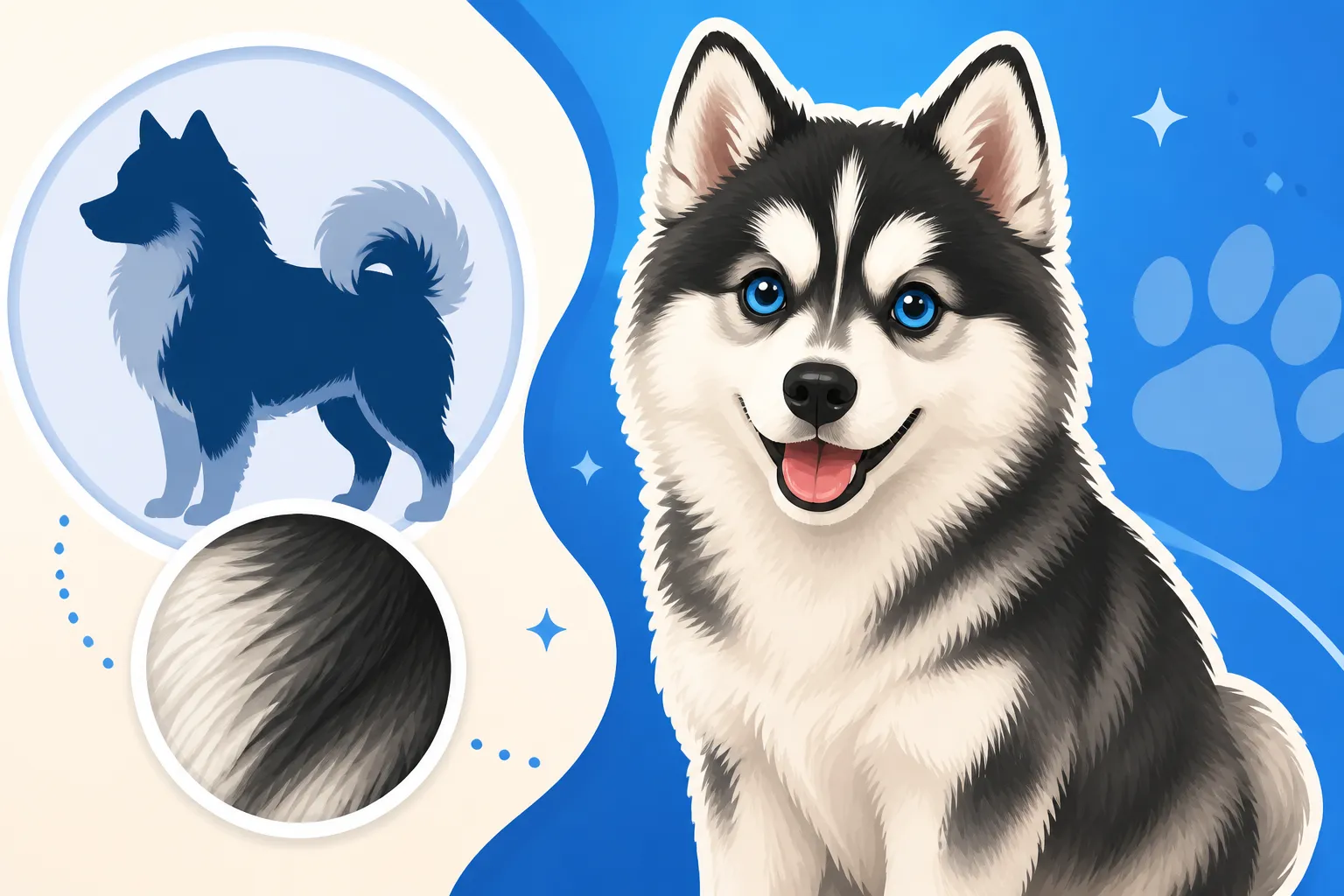
Visually, a standard Pomsky coat typically presents as a medium-length double coat. It's not excessively long and flowing like some of the more extreme "wooly" coats we see, nor is it super short and sleek like a very short-coated Husky. Instead, it offers a plush, full appearance without being overly shaggy. You'll notice the distinct two layers: the soft, dense undercoat that gives the dog its bulk, and the slightly longer, smoother, and more protective guard hairs on top. These guard hairs define the dog's color and markings.
Often, the hair around the neck, chest, and tail might be a bit longer and fuller, forming a natural "ruff" and a plume-like tail, reminiscent of both parent breeds. The overall impression is one of robustness and fluffiness, a miniature version of a snow dog, but with that undeniable Pomeranian charm in its texture. When looking at a puppy, it can be tricky to predict the adult coat, but breeders can often give you an idea. Whether a Pomsky Puppy's Fluff Predicts the Adult Coat is a common concern for new owners, but usually, a standard coat puppy will have noticeable fluff without extreme length.
Feel and Texture of a Healthy Standard Coat
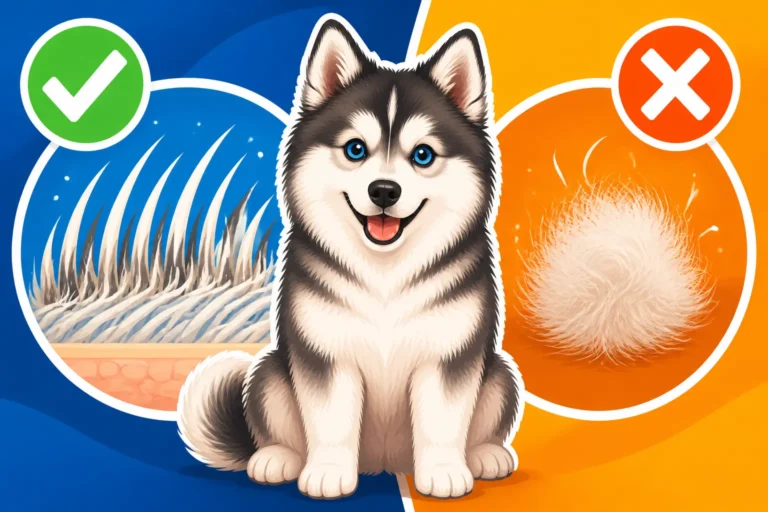
Beyond just looks, the feel of a healthy standard Pomsky coat is a key indicator of its condition and proper care. When you run your hands through it, you should feel a soft, dense, and springy undercoat, followed by the smoother, slightly coarser texture of the guard hairs. The undercoat should feel almost like cotton or wool, and it should be evenly distributed across the body, providing a cushion. The outer guard hairs, while not as soft, should feel clean and have a natural sheen, not greasy or brittle.
A healthy coat should never feel matted or clumpy, especially down near the skin. It should be easy to separate the hairs with your fingers, right down to the skin, without encountering resistance from tangles. If the coat feels sparse in areas, overly dry, or excessively oily, these could be signs of underlying skin or health issues that need attention. The true nature of a Pomsky's coat is that it's a Whether a Pomsky Has a Double Coat – meaning it requires specific care to keep both layers healthy and functioning as intended. Regular grooming is essential not just for aesthetics, but also for checking the condition of the skin underneath and ensuring the coat can properly insulate and protect your dog.
The Reality of Shedding and Coat Blows
Let's be brutally honest: if you're getting a Pomsky, you need to be prepared for shedding. It's not a question of if they shed, but how much and when. This is a significant part of owning a double-coated breed, and understanding the nuances of their shedding patterns will help you manage it effectively and keep your home from becoming a fur farm.
Seasonal Shedding vs. Year-Round Hair Loss
Pomskies, with their double coats, experience two primary types of shedding. First, there's the year-round, moderate shedding that is typical of most dogs. You'll find a steady presence of Pomsky hairs on your clothes, furniture, and floors, regardless of the season. This is just part of their normal hair growth cycle, as old hairs are replaced by new ones. It's manageable with regular brushing and vacuuming, but it's always there.
Then, there's the "coat blow" – a whole different beast. This is when your Pomsky decides to shed their entire undercoat, usually twice a year, in spring and autumn. This process can last for several weeks, and during this time, the amount of hair coming off your dog will be astonishing. It will feel like you have an endless supply of dog hair, forming tumbleweeds across your floors and clinging to every surface imaginable. In spring, they shed their thick winter undercoat to prepare for warmer weather, and in autumn, they shed their lighter summer undercoat to make way for a new, denser winter coat. It's a natural process, but it requires a significant ramp-up in your grooming efforts. Knowing When a Pomsky Blows Its Coat is crucial so you can mentally and physically prepare for the influx of fur.
Managing the Shedding Avalanche
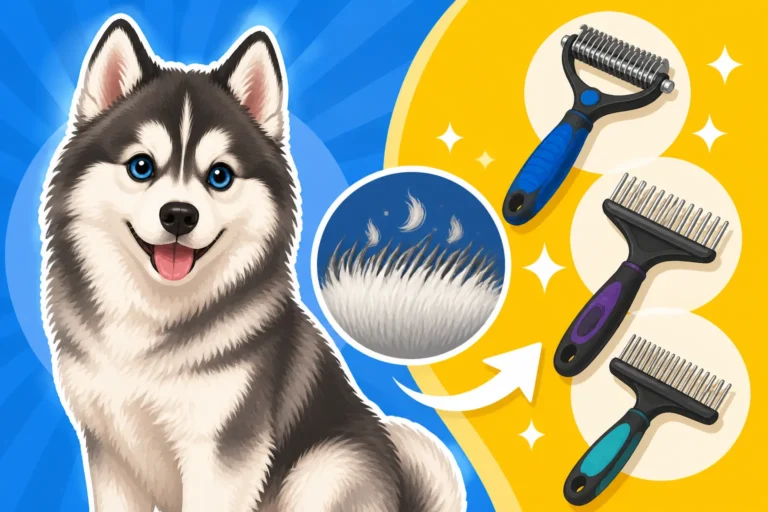
Dealing with a Pomsky's shedding, especially during a coat blow, requires commitment and the right tools. Simply brushing with a standard bristle brush won't cut it. You need to penetrate that dense topcoat to reach the undercoat where the real action is happening. This is where an undercoat rake becomes your absolute best friend. It's designed with long, sturdy teeth that can reach deep into the undercoat and pull out the loose, dead hairs without damaging the guard hairs. Many Pomsky owners truly consider The Undercoat Rake a Pomsky Owner Lives With to be indispensable.
During a coat blow, daily brushing with an undercoat rake is almost mandatory to keep the hair from matting and to minimize the amount of fur floating around your house. Follow up with a slicker brush to smooth the topcoat and catch any remaining loose hairs. For some, a high-velocity dryer can also be a game-changer during a coat blow. Used after a bath, it can literally blast out huge amounts of loose undercoat, significantly reducing the amount your dog sheds indoors. While it won't eliminate shedding entirely, a consistent and thorough grooming routine can make it much more manageable, turning a potential disaster into a minor inconvenience. Investing in good quality tools, perhaps from a reputable pet supply store like Chewy or a comprehensive online retailer like Amazon, can make a huge difference in your sanity!
Grooming Essentials for the Standard Pomsky Coat
Maintaining a standard Pomsky coat isn't just about making them look pretty; it's vital for their health and comfort. A well-groomed coat can regulate temperature, prevent skin issues, and make your dog a much happier companion.
Regular Brushing Regimen
For a standard Pomsky coat, "regular" brushing means frequent brushing. Ideally, you should be brushing your Pomsky several times a week, if not daily, especially during peak shedding seasons. This isn't just a quick once-over; it needs to be a thorough session that gets down to the skin. The goal is to remove dead undercoat and prevent mats from forming. Start with an undercoat rake, using gentle, long strokes, always brushing in the direction of hair growth. Pay particular attention to areas where mats commonly form, such as behind the ears, in the armpits, and around the hind legs. A good quality undercoat rake, specifically designed for dense double coats, is critical. For instance, knowing Which Rake Suits a Pomsky's Undercoat can make your grooming sessions far more effective and comfortable for your dog.
After using the rake, switch to a slicker brush to smooth out the topcoat and catch any remaining loose hairs. Finish with a metal comb to ensure there are no tangles or mats left, especially around the edges of the coat. This routine not only keeps their coat healthy but also provides a wonderful bonding opportunity. It’s a chance to check their skin for any irritations, bumps, or parasites. Getting your Pomsky accustomed to this routine from a young age will make grooming a much more pleasant experience for both of you throughout their lives.
Bathing and Drying Best Practices
Bathing a Pomsky with a standard double coat isn't something you need to do too often, perhaps every 4-6 weeks, or when they are visibly dirty. Over-bathing can strip their coat of natural oils, leading to dry skin and a dull coat. When you do bathe them, use a high-quality dog shampoo specifically formulated for double coats, or one that addresses any specific skin concerns your Pomsky might have. Rinse thoroughly – and I mean thoroughly – to ensure no shampoo residue is left behind, as this can cause skin irritation.
The most crucial step after bathing a double-coated Pomsky is the drying process. Simply letting them air dry, or even towel drying, is usually insufficient and can lead to serious problems. Their dense undercoat traps moisture, creating a damp environment against their skin that is a breeding ground for bacteria and yeast, which can quickly lead to hot spots or skin infections. This is where a high-velocity force dryer becomes an absolute necessity for many Pomsky owners. It's designed to blow out water and simultaneously loosen and remove dead undercoat, ensuring the coat is dry right down to the skin. Take your time, section the coat, and dry until every layer is bone dry. Many owners find it impossible to truly dry their Pomsky without one, recognizing the importance of Drying a Pomsky to the Skin.
The "Never Shave" Rule and Why it Matters
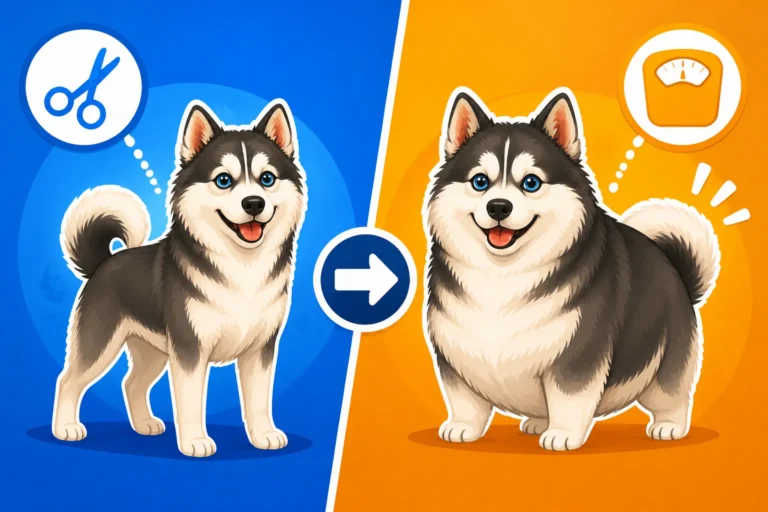
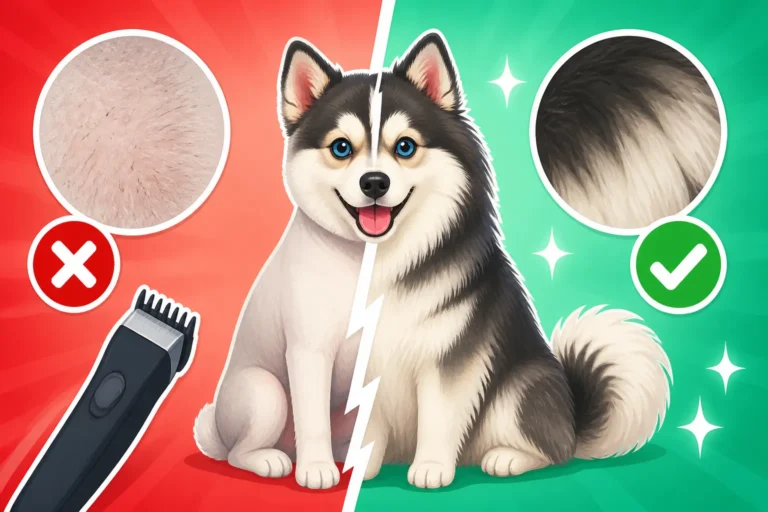
This is perhaps the most important rule when it comes to grooming a double-coated breed like a Pomsky: never shave them down to the skin. While it might seem like a logical solution to reduce shedding or help them cope in warm weather, it actually does more harm than good and can cause irreparable damage to their coat and their ability to regulate their body temperature.
A Pomsky's double coat acts as both an insulator in cold weather and a protector against heat and sunburn in warm weather. The guard hairs reflect sunlight and allow air to circulate, creating a cooling effect, while the undercoat provides insulation. When you shave off these layers, you remove their natural protection. This can lead to:
- Heatstroke: Without their protective guard hairs, their skin is directly exposed to the sun, absorbing heat rather than reflecting it.
- Sunburn: Their skin, which is not designed for direct sun exposure, can get severely sunburned, leading to pain and potential skin cancer.
- Irreversible Coat Damage: Often, when a double coat is shaved, it can grow back incorrectly. The undercoat may grow faster and thicker than the guard hairs, leading to a wooly, matted, and even coarser texture that no longer provides proper insulation or protection. This phenomenon, often called "post-clipping alopecia," can mean the coat never returns to its original healthy state.
It's a common misconception, but shaving a Pomsky actually makes them less able to cope with heat, not more. If you're concerned about heat, focus on proper hydration, shade, exercise timing, and providing cooling mats, rather than compromising their natural defenses. Emphasizing Why a Pomsky Must Never Be Shaved is critical for their long-term well-being.
Common Coat-Related Problems and Solutions
Even with the best intentions and a diligent grooming routine, Pomskies can still face a few coat-related challenges. Understanding these common issues and how to address them quickly is key to keeping your dog healthy and comfortable.
Matting and Undercoat Impaction
Given their dense double coats, matting is a perennial concern for Pomsky owners. Mats form when loose, dead undercoat gets tangled with the guard hairs and isn't brushed out regularly. These tangles then tighten, often forming dense, painful clumps right against the skin. Common areas for mats include behind the ears, in the armpits, around the collar area, on the belly, and under the tail, anywhere there's friction or fine hair. Where a Pomsky Mats First is often these high-movement zones.
Matted fur isn't just unsightly; it's a serious health hazard. It pulls on the skin, causing pain and discomfort, and can restrict movement. More dangerously, mats trap moisture, dirt, and parasites against the skin, creating a perfect environment for bacterial and yeast infections, which can quickly lead to hot spots. Once a mat is severe, especially if it's tight against the skin, it often cannot be brushed out without causing extreme pain to the dog. In such cases, professional groomers might need to carefully shave the mats out, which requires specialized tools and expertise to avoid injuring the dog's skin. Regular, thorough line brushing is the best defense against mats. If you find small mats, try to gently work them out with your fingers and a metal comb, always supporting the skin to prevent pulling. However, for serious matting, a professional is always the safest option.
Skin Issues Under the Coat
Because of their dense coats, Pomskies can be prone to skin issues that often go unnoticed until they become quite severe. The thick fur can hide a multitude of problems, making it difficult for owners to spot irritation, redness, or lesions early on.
One common problem is hot spots, or acute moist dermatitis. These are rapidly developing, painful skin infections that usually start when a dog persistently licks, chews, or scratches an itchy area, often triggered by underlying allergies, insect bites, or trapped moisture from incomplete drying after a bath. The dense coat holds in the moisture, exacerbating the problem and allowing bacteria to flourish. These can be particularly troublesome as they quickly enlarge and are very painful. Recognising Hot Spots Under a Pomsky's Undercoat is vital for prompt treatment, often requiring veterinary attention, antibiotics, and sometimes shaving the area to allow it to dry and heal.
Another issue can be yeast infections, often appearing in areas like the ears, paw pads, or skin folds, but they can also occur on the body, especially if the coat isn't drying properly. Signs include a musty odor, greasy skin, and redness. Dry skin, flaky patches, or excessive dandruff can also be problems, sometimes indicating dietary deficiencies or environmental dryness. Regular grooming isn't just about removing loose hair; it's also your opportunity to thoroughly inspect your Pomsky's skin for any signs of trouble. If you notice any redness, bumps, odor, or persistent scratching, don't hesitate to consult your vet.
Distinguishing Standard from Other Pomsky Coat Types
While the "standard" coat is the most common and often what people envision, Pomskies can actually come in a few different coat types, largely depending on the genetic lottery played out from their Husky and Pomeranian ancestry. Understanding these variations can help you better identify your dog's specific needs.
Comparing Standard vs. Wooly Coats
The wooly Pomsky coat is perhaps the most visually distinct variation from the standard. Where the standard coat is plush and medium-length, a wooly coat is significantly longer, much softer, and typically has a very dense, cotton-like undercoat that can be almost overwhelmingly abundant. The guard hairs are also longer and silkier, often giving the dog a more shaggy, teddy-bear-like appearance than the sleek Husky-like silhouette that some standard coats carry.
The main challenge with a wooly coat is its extreme propensity to mat. That luxurious length and softness, while beautiful, requires significantly more grooming effort. These coats will mat quickly and severely if not brushed daily, often accumulating debris and dirt more easily. Owners of wooly Pomskies spend a lot more time with their brushes and force dryers than those with standard coats. If you have a wooly-coated Pomsky, be prepared for even more intensive grooming to prevent painful mats and maintain their health and comfort. Getting to know The Wooly Pomsky Coat and Its Upkeep will be an ongoing adventure.
Comparing Standard vs. Short Coats
At the other end of the spectrum from the wooly coat is the short-coated Pomsky. This coat type is much less common but does occur. A short coat typically means the guard hairs are quite short, lying close to the body, and the undercoat may also be less dense than in a standard or wooly coat. Visually, a short-coated Pomsky might resemble a very compact Siberian Husky, with a sleek, somewhat athletic appearance, rather than the fluffy, voluminous look of many Pomskies.
The primary benefit of a short coat is that it generally requires less intensive grooming. While they still shed, especially during seasonal coat blows, the shorter length of the hair means less matting and potentially fewer tangles. Brushing can be quicker, and drying after a bath might not be as arduous. However, it's important to remember that even a short-coated Pomsky will still have a double coat, meaning they still require proper brushing and drying techniques to maintain skin health. They may not have the extreme insulating properties of a wooly coat, but they still benefit from the natural protection of their double layer. For owners seeking a slightly lower-maintenance coat, a The Short Coated Pomsky might be a pleasant surprise, though they are harder to find.
Here's a quick comparison of the different Pomsky coat types:
| Feature | Standard Coat | Wooly Coat | Short Coat |
|---|---|---|---|
| Length | Medium | Long | Short |
| Texture | Plush, dense undercoat, slightly coarser guard hairs | Very soft, cotton-like undercoat, silky guard hairs | Smooth, less dense undercoat, fine guard hairs |
| Volume | Full, balanced, noticeable stand-off | Very voluminous, shaggy, pronounced fluff | Closer to body, sleek, less fluff |
| Shedding | Moderate year-round, heavy seasonal blows | Moderate to heavy year-round, very heavy seasonal blows | Moderate year-round, noticeable seasonal blows |
| Matting Risk | Moderate, especially in friction areas | High, prone to quick and severe matting | Low to moderate |
| Grooming Effort | Regular brushing (few times/week), thorough drying | Daily brushing, extensive drying, professional grooming | Less frequent brushing, easier drying |
| Appearance | Balanced Husky/Pomeranian look, plush | Teddy-bear or shaggy appearance | More Husky-like, sleek, compact |
Disclaimer
This article is for general informational purposes only and does not constitute professional advice. Laws, prices and regulations vary by location and change over time. Consult a qualified professional for guidance on your specific situation.