Whether a Wooly Pomsky Coat Counts as a Fault
One of the most common worries among prospective Pomsky owners, and even those who've just brought a puppy home, revolves around their beautiful, fluffy coats. Specifically, when you hear whispers about a "wooly" coat type, it can send a little jolt of anxiety through you, making you wonder if you've ended up with something "less than" ideal, or even a genetic fault. Let's dive deep into what a wooly Pomsky coat truly is, whether it's genuinely considered a fault, and what it means for daily care and life with your adorable companion.
What Exactly is a Wooly Pomsky Coat?
When you imagine a Pomsky, you likely picture that quintessential fluffy, yet manageable double coat that gives them their plush, teddy-bear like appearance. But not all Pomskies are created equal in the fur department. Just like their Husky and Pomeranian parents have different coat types, Pomskies can inherit a range of variations. The wooly coat is one such variation, often sparking a lot of questions and sometimes, misconceptions. It’s distinct from the standard and short coats, and understanding its characteristics is the first step to appreciating its unique beauty.
Characteristics of the Wooly Coat
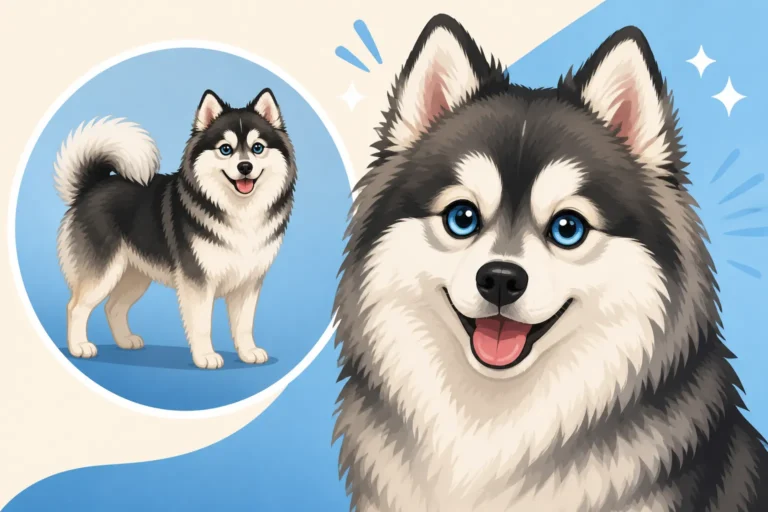
A wooly Pomsky coat is characterized by its exceptionally long, soft, and dense undercoat, combined with guard hairs that might also be longer than average but often lack the harsher, protective texture of a standard Husky-like outer coat. Think of it less like the sleek, dense fur of a Siberian Husky built for harsh arctic conditions, and more like a very plush, somewhat cottony texture. This coat tends to be much thicker, softer, and often has a slightly wavy or curly appearance, especially on the body, ears, and tail.
Many owners describe their wooly Pomsky's fur as feeling like a cloud or a sheep's fleece. While undeniably soft and inviting to touch, this luxurious texture also means a significantly higher propensity for matting and tangling. You might find that the fur around their legs, behind their ears, and on their tail feels particularly dense and prone to knotting, requiring constant vigilance. Unlike The Standard Pomsky Coat, which typically offers a good balance of weather protection and relatively easier maintenance, the wooly coat demands a more dedicated grooming regimen.
The Genetic Influence
The presence of a wooly coat in a Pomsky is entirely genetic, a direct inheritance from the parent breeds. Both Siberian Huskies and Pomeranians can carry genes for different coat lengths and textures. While the standard Husky coat is typically medium-length and dense, some lines can carry genes that result in longer, softer coats, often referred to as "wooly" in the Husky world. Similarly, Pomeranians are known for their abundant, fluffy double coats. The combination of these genetics in a hybrid like the Pomsky can lead to unexpected and sometimes exaggerated coat characteristics.
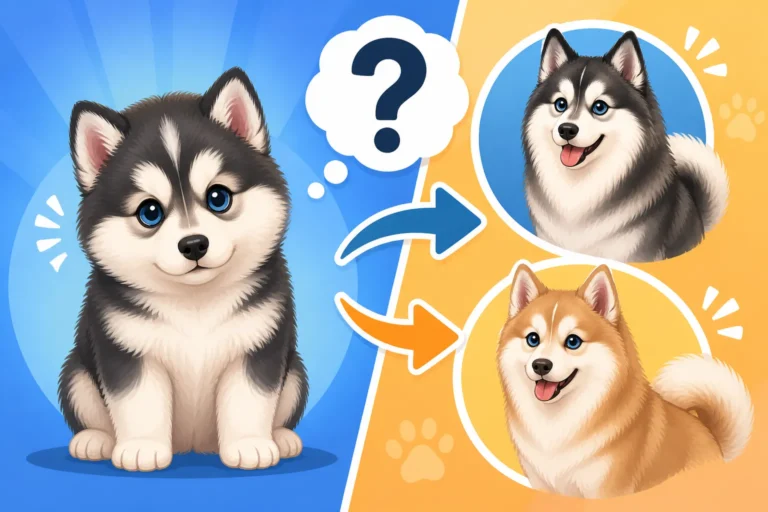
When a Pomsky inherits these "wooly" traits from one or both parents, the result is the pronounced plushness we've discussed. It's not a mutation or a defect, but simply a variation in gene expression. Breeders often try to breed for specific coat types to meet buyer demand, but genetics are a complex dance, and a wooly coat can pop up even in litters where parents have more standard coats. For more on the different fur possibilities, check out The Three Pomsky Coat Types. The fascinating part is how early you can often tell, as Whether a Pomsky's Coat Type Shows at Eight Weeks is a common question among new puppy parents.
The "Fault" Conundrum: Understanding Breed Standards in Hybrids
The term "fault" is generally applied within the context of established breed standards, which are detailed descriptions of an ideal dog for a specific purebred. These standards outline everything from ear set to tail carriage, and of course, coat type. When a dog deviates from this ideal, it can be considered a "fault" in the show ring or by a discerning breeder aiming for conformity. But Pomskies aren't purebreds, and that changes the conversation entirely.
Why "Faults" are Different for Designer Breeds
Designer breeds, or hybrids like the Pomsky, don't have universally recognized, strict breed standards in the same way purebreds do. While some emerging hybrid associations are trying to establish guidelines, they are often less rigid and more focused on health and temperament than on precise aesthetic details. This means that what might be considered a "fault" in a purebred Siberian Husky show ring (where an overly long, wooly coat is considered a fault) isn't necessarily a fault for a Pomsky.
For Pomskies, the focus is less on adhering to a centuries-old standard and more on celebrating the unique blend of traits they inherit. A wooly coat simply represents one end of the spectrum of possible coat variations within the breed. It's not indicative of poor health, genetic defect, or a "bad" dog. It's simply a different aesthetic and a different grooming commitment. The concept of a "fault" becomes far more subjective, often boiling down to personal preference or the specific goals of an individual breeder, rather than a universal dictate.
The Perspective of Pomsky Associations
Even without official purebred status, there are organizations like the International Pomsky Association (IPA) that are working to bring some consistency and ethical breeding practices to the Pomsky community. These associations often publish their own "standards" or guidelines for what constitutes a well-bred Pomsky. While they might mention preferred coat types, they typically don't label a wooly coat as a definitive "fault" in the same way a purebred club would.
Instead, they might highlight that wooly coats require more extensive grooming and could be prone to certain issues if not cared for properly, suggesting it's a consideration for owners rather than a flaw in the dog itself. For example, the IPA focuses heavily on health testing and temperament, which are far more crucial aspects of responsible breeding for any dog, hybrid or purebred. To learn more about how such organizations operate, you might be interested in What the International Pomsky Association Does. The overarching message is usually one of education and responsible ownership, acknowledging that variety is natural in a hybrid breed.
Living with a Wooly Pomsky: Grooming and Care Considerations
If you have a wooly-coated Pomsky, or are considering one, the most significant difference you'll encounter compared to their standard or short-coated siblings is the sheer amount of grooming required. This isn't a coat type you can simply ignore and hope for the best. Proactive and consistent care is key to keeping your wooly Pomsky comfortable, healthy, and looking their best. It's a commitment, but one that many owners find incredibly rewarding when they see their dog's beautiful, well-maintained fur.
The Daily Grooming Reality
For a wooly Pomsky, "daily grooming" isn't an exaggeration; it's often a necessity. Their long, soft undercoat, combined with the often-longer guard hairs, forms a perfect storm for matting. These mats aren't just unsightly; they can be incredibly painful, pulling at the skin, trapping moisture, and leading to skin infections or hot spots. Regular brushing is your first line of defense.
You'll need a variety of tools: a good quality slicker brush, an undercoat rake, and a metal comb are absolute essentials. The undercoat rake is particularly crucial for getting deep into that dense fur and pulling out loose undercoat before it forms mats. You might find yourself spending 20-30 minutes every single day on a thorough brush-out, especially in areas prone to tangles like the armpits, behind the ears, and around the tail and britches. This routine can become a lovely bonding experience, but it does require dedication. Many owners attest to how vital The Undercoat Rake a Pomsky Owner Lives With becomes to their daily life.
Specialized Tools and Products
Beyond the basic brushes, investing in specialized grooming tools and products can make a world of difference for a wooly Pomsky. A high-velocity force dryer, for instance, is invaluable after baths. It not only speeds up drying time but also helps to "blow out" loose undercoat, preventing mats and reducing shedding. You can find these dryers, along with a wide array of grooming brushes and shampoos designed for double-coated breeds, on sites like Chewy or Amazon.
When it comes to shampoos and conditioners, look for products formulated for long or dense coats, preferably those with detangling or moisturizing properties. A good conditioning spray can also be a lifesaver for working through minor tangles between baths. It's tempting to think you can just shave a wooly coat down for easier maintenance, but please, resist the urge! Whether Shaving a Pomsky Damages the Coat is a crucial topic, and for double-coated breeds, it can lead to irreversible coat damage, poor temperature regulation, and even skin issues.
Pros and Cons of the Wooly Coat
Like anything in life, there are upsides and downsides to a wooly Pomsky coat. It's important to weigh these factors honestly when deciding if this coat type is right for your lifestyle and expectations. What one person sees as a burden, another might see as a delightful characteristic.
The Aesthetic Appeal and Perceived Downsides
On the "pro" side, there's no denying the sheer aesthetic appeal of a well-groomed wooly Pomsky. They often look incredibly plush, luxurious, and teddy-bear like, which is exactly the image many people have in their minds when they think of a Pomsky. The extra fluff can make them appear even more adorable and cuddly, and they certainly turn heads wherever they go. The softness of their fur is often irresistible, inviting pats and snuggles.
However, the "con" side primarily revolves around the intense grooming requirements. As we've discussed, these coats are highly prone to matting. If you fall behind on grooming, even for a few days, you could be facing painful mats that require professional dematting or even shaving, which comes with its own set of issues. This also means a significantly higher financial commitment if you rely on professional groomers, as the time and expertise required for a wooly coat are considerable. You might be surprised at What Grooming a Pomsky Costs a Year if you don't do it yourself.
Health Implications and Practicalities
Beyond aesthetics and grooming time, there are some practical and minor health considerations. While a wooly coat itself isn't a health fault, its density can sometimes lead to issues if not managed. For example, it can make it harder for air to circulate close to the skin, potentially increasing the risk of skin irritations or hot spots, especially in humid climates or if the dog gets wet and isn't dried thoroughly. The extra insulation can also make them slightly more prone to overheating in very warm weather compared to a dog with a sleeker coat, so you'll need to be extra diligent about keeping them cool.
On the other hand, the dense coat provides excellent insulation in cold weather, so your wooly Pomsky will likely revel in snowy conditions. The practical aspects really boil down to commitment. If you're willing to dedicate the time and effort to consistent grooming and adapt to their needs in different climates, a wooly coat presents no inherent barrier to a happy, healthy life. However, if you're looking for a low-maintenance dog, a wooly Pomsky might not be the best fit. Knowing Whether a Pomsky Mats is key to understanding the commitment.
Here's a quick comparison of coat types:
| Coat Type | Characteristics | Grooming Needs | General Perception |
|---|---|---|---|
| Standard | Medium length, dense double coat, protective | Moderate daily/every-other-day brushing | Often preferred for balance, good protection |
| Wooly | Long, soft, dense undercoat, longer guard hairs | High; daily brushing essential to prevent matting | Luxurious, teddy-bear look, but high maintenance |
| Short | Shorter, denser fur, less fluff | Low to moderate; less matting, sheds year-round | Easiest to maintain, less common |
Is a Wooly Coat Less Desirable to Buyers?
This is where perception truly clashes with reality. While "fault" implies a negative, the desirability of a wooly coat among potential Pomsky buyers is actually quite mixed, and often leans towards being highly sought after, despite the grooming challenges.
Market Demand and Preferences
Interestingly, a significant portion of the Pomsky market prefers the wooly coat. Many people are drawn to the Pomsky precisely because they envision a fluffy, miniature Husky that looks like a stuffed animal. The wooly coat often fulfills this aesthetic desire perfectly, offering that extra plushness that makes them so uniquely appealing. So, while it might be considered a "fault" in a purebred Husky context, for Pomsky enthusiasts, it can actually be a highly desirable trait.
This preference often translates into market demand. Breeders who consistently produce wooly-coated Pomskies might even find these puppies are snapped up quickly, sometimes commanding prices comparable to or even higher than their standard-coated littermates, depending on other factors like eye color and markings. It highlights the difference between an official breed standard (which doesn't fully apply here) and what the general public finds attractive in a designer dog.
Breeder Practices and Pricing
Reputable Pomsky breeders, regardless of coat type, prioritize health and temperament. However, within that framework, they also pay attention to buyer preferences. Some breeders might actively try to produce more wooly coats if they see a strong demand for them. Others might prefer the more traditional Husky-like coat for its functional benefits and easier maintenance.
When it comes to pricing, it's generally not the wooly aspect itself that dictates a higher price, but rather the overall aesthetic package. A wooly coat combined with piercing blue eyes, a striking mask, or a rare color might indeed lead to a higher price tag. Conversely, a wooly coat on a puppy with less sought-after markings might still find a loving home quickly due to the plush appeal alone. It’s also important to remember that Whether Pomsky Prices Reflect Real Breeding Costs is a complex issue influenced by many factors beyond just coat length. Ultimately, a wooly coat isn't a "fault" in the sense of being undesirable or unhealthy. It's a variation that comes with unique grooming needs but is often celebrated for its adorable, plush appearance.
Disclaimer
This article is for general informational purposes only and does not constitute professional advice. Laws, prices and regulations vary by location and change over time. Consult a qualified professional for guidance on your specific situation.