When to Walk a Pomsky in Summer
Safe summer walking times for double-coated Pomskies, alongside signs of heat stress, panting indicators, and coat shedding details.

Safe summer walking times for double-coated Pomskies, alongside signs of heat stress, panting indicators, and coat shedding details.
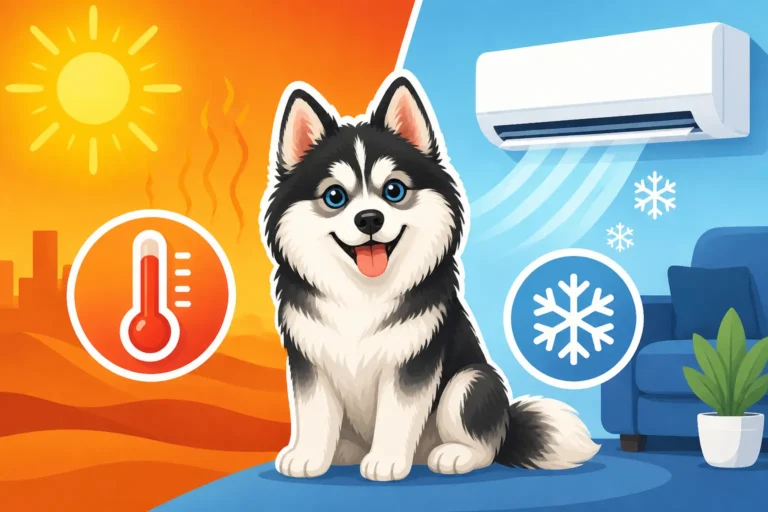
Pomsky heat tolerance and double coat insulation details explain whether these small dogs require air conditioning in summer.
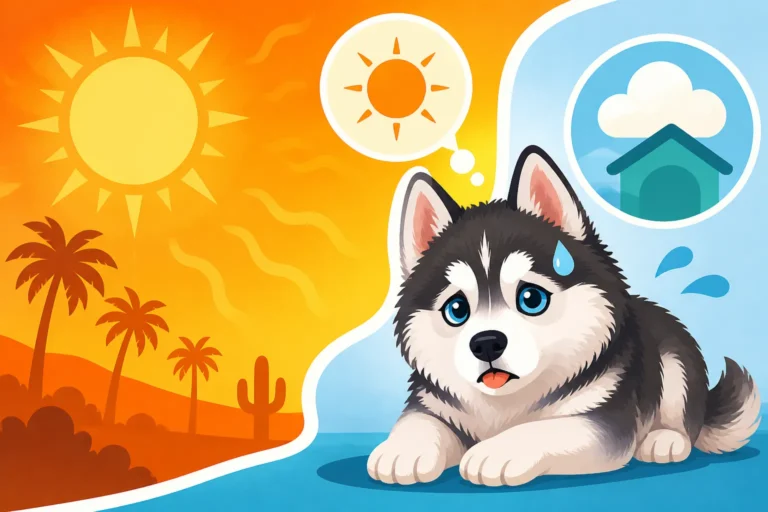
Pomsky heat tolerance in the humid South depends on managing their double coats and understanding Siberian Husky ancestry.
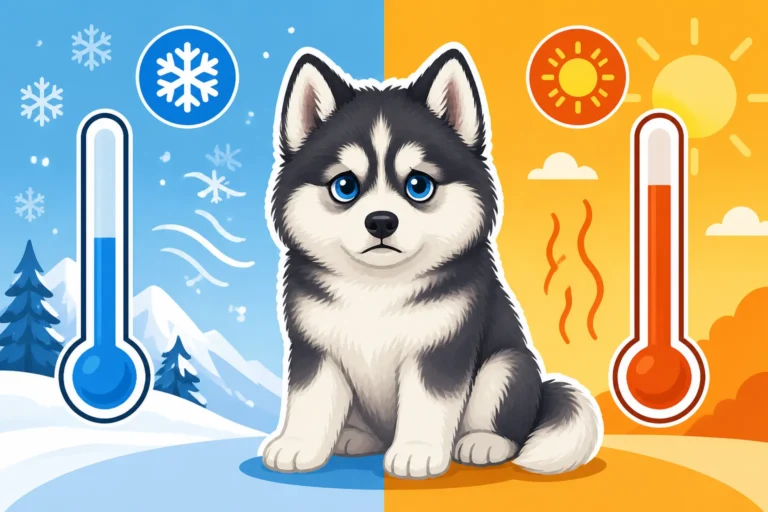
Heat vulnerability from a dense double coat and small Pomeranian frame, which can leave a Siberian Husky mix struggling at temperatures that seem fine.
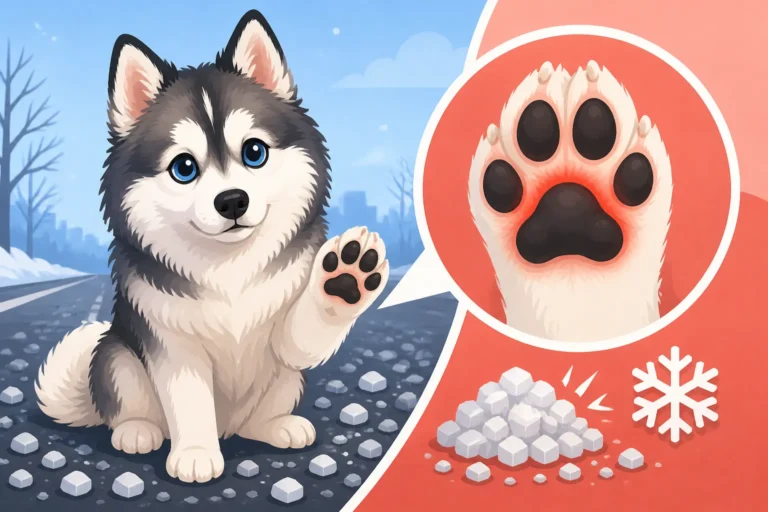
Road salt chemicals and sharp crystals cause painful paw pad cracking, burns, and infections for a Pomsky during winter walks.
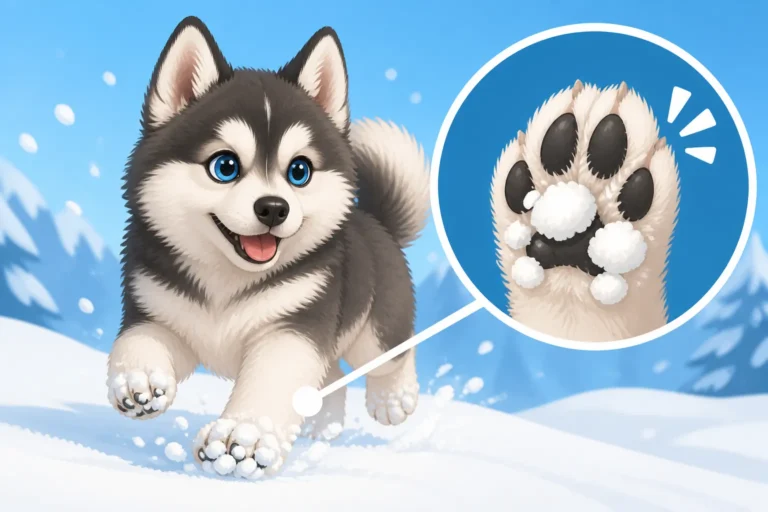
Pomsky paw ice accumulation occurs when snow melts and refreezes around long hair between their paw pads during winter walks.
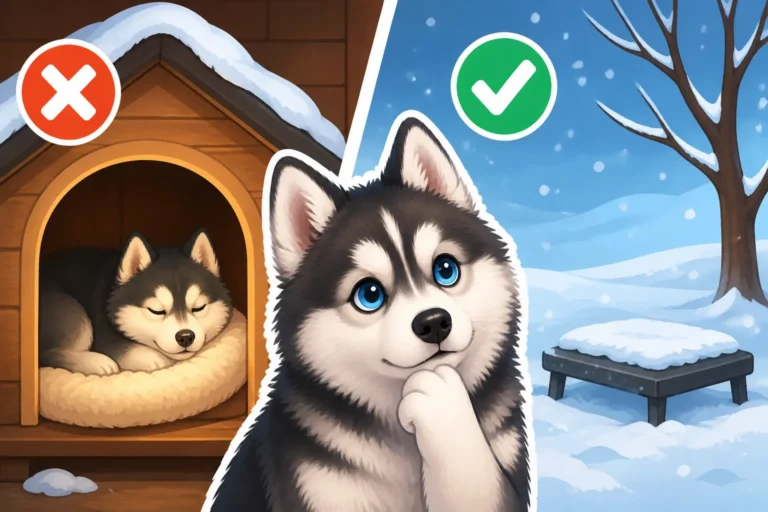
Pomsky winter sleep safety limits explain double coat insulation failures, hypothermia risks, and why these dogs need indoor housing.

Pomsky winter coat requirements depend on individual fur density, body fat percentage, and natural Siberian Husky or Pomeranian genetics.

Pomsky natural odor, double coat oils, ear infections, and dental issues that cause strong or unpleasant dog smells.
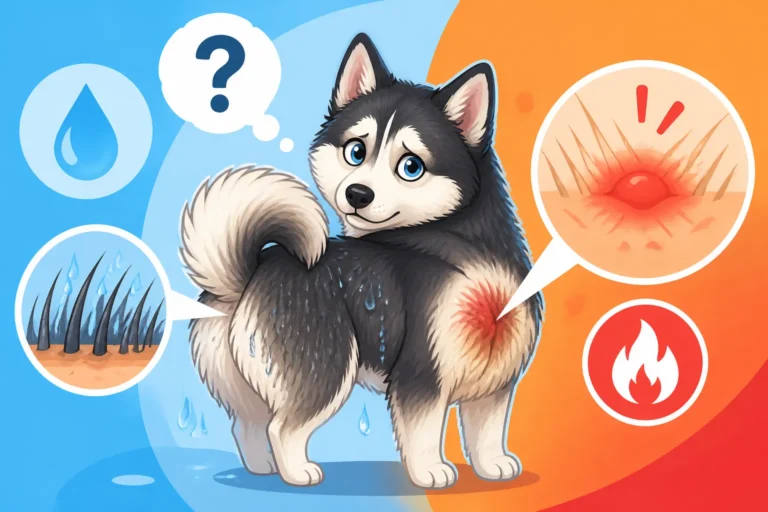
A damp Pomsky undercoat traps moisture within a dense double coat, creating a breeding ground for bacterial skin infections and hot spots.