Whether Breeding Pomsky to Pomsky Concentrates Faults
Multi-generational Pomsky breeding and how mating two Pomskies together concentrates potential genetic faults and health issues.
Know what to watch for.
Breed-specific conditions, screening and DNA tests, what surgery actually costs, and the daily habits that stretch a healthy lifespan.
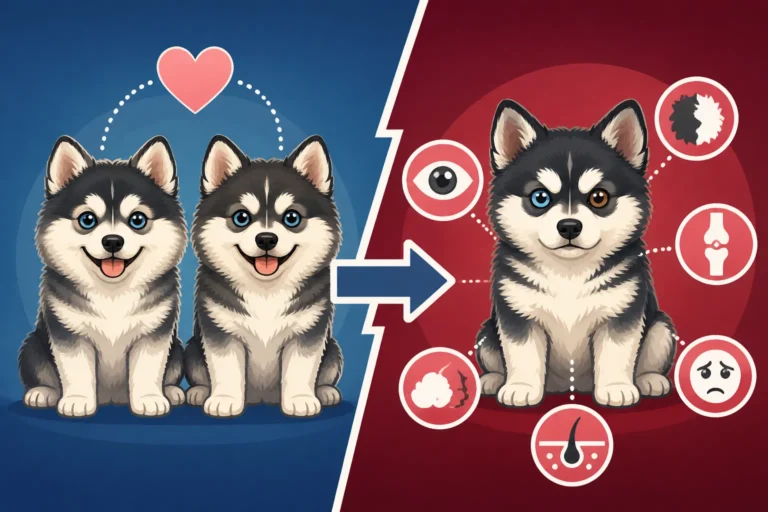
Multi-generational Pomsky breeding and how mating two Pomskies together concentrates potential genetic faults and health issues.

F2 Pomsky genetic variability and predictability compared to F1 generation dogs, explaining trait outcomes and differences.

An F1 Pomsky genetic makeup explained through hybrid vigor, parent breed health considerations, and recessive gene inheritance.

Young Pomskies face a baseline cancer risk from their Siberian Husky and Pomeranian parent breeds, although senior dogs are diagnosed most often.
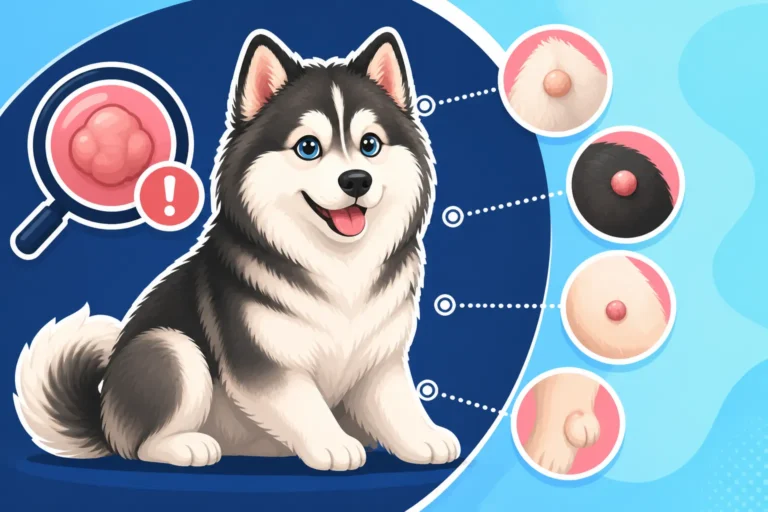
Pomsky lumps and benign fatty tumors explained, detailing observation steps and urgent warning signs for veterinary visits.

Pomsky diabetes risks, types, and parent breed genetics explained for owners concerned about canine metabolic health issues.
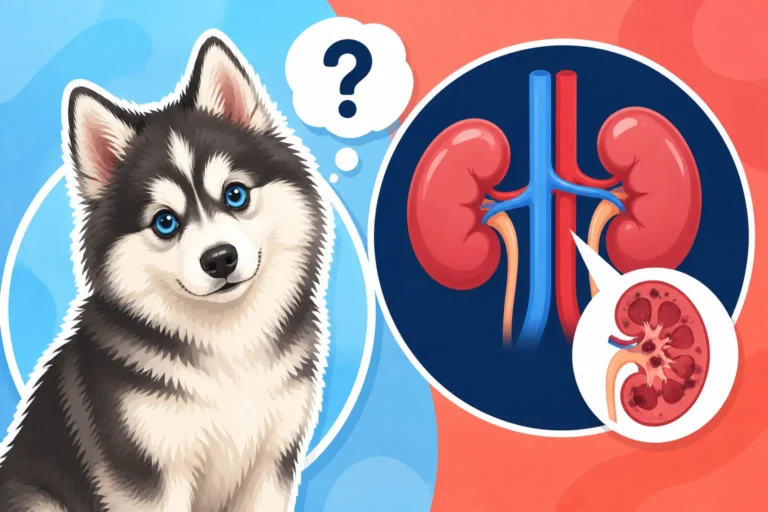
Kidney disease in Pomskies encompasses acute injury and chronic decline, explaining filtration roles, waste removal, and types of kidney failure.
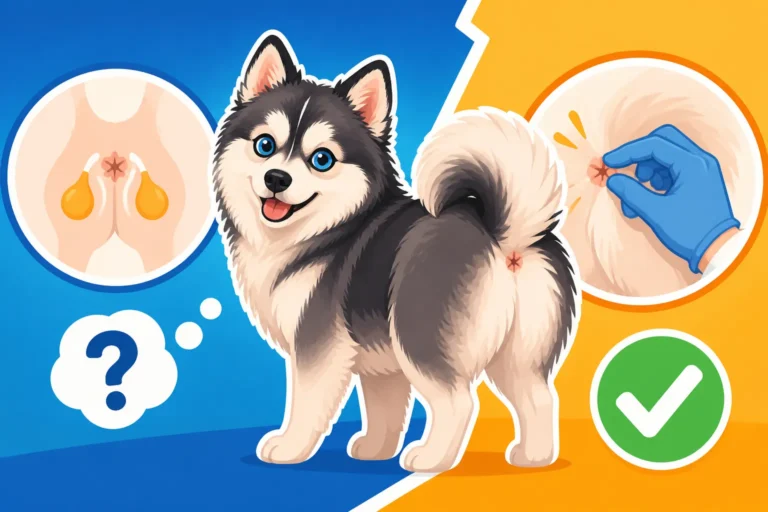
Pomsky anal gland expression needs, pea to marble sized scent sacs, and impaction risks are explained for owners.

Anesthesia risks for small Pomskies include rapid body heat loss, precise drug dosing needs, and specific respiratory concerns.

Retained puppy teeth in Pomskies cause dental issues and pain, requiring prompt veterinary attention to maintain oral health.