Whether a Pomsky’s Coat Loss Is Thyroid or Alopecia X
Pomsky coat loss caused by Alopecia X and hypothyroidism is compared through physical exams, skin scrapes, and blood tests.
Know what to watch for.
Breed-specific conditions, screening and DNA tests, what surgery actually costs, and the daily habits that stretch a healthy lifespan.
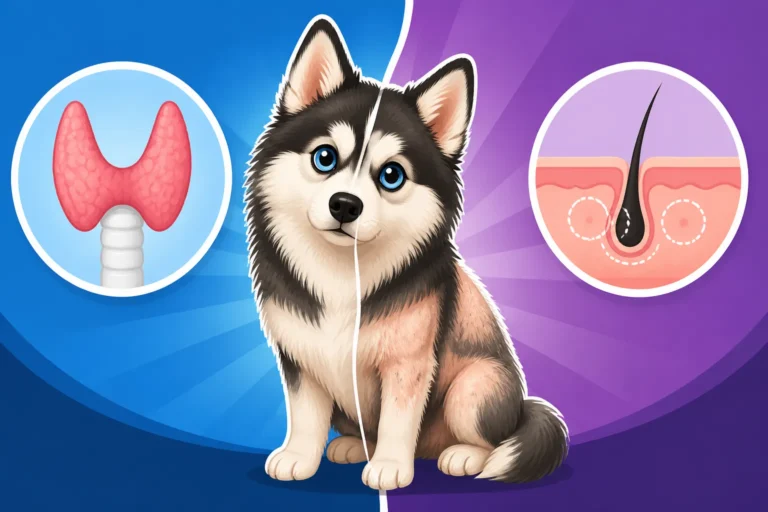
Pomsky coat loss caused by Alopecia X and hypothyroidism is compared through physical exams, skin scrapes, and blood tests.
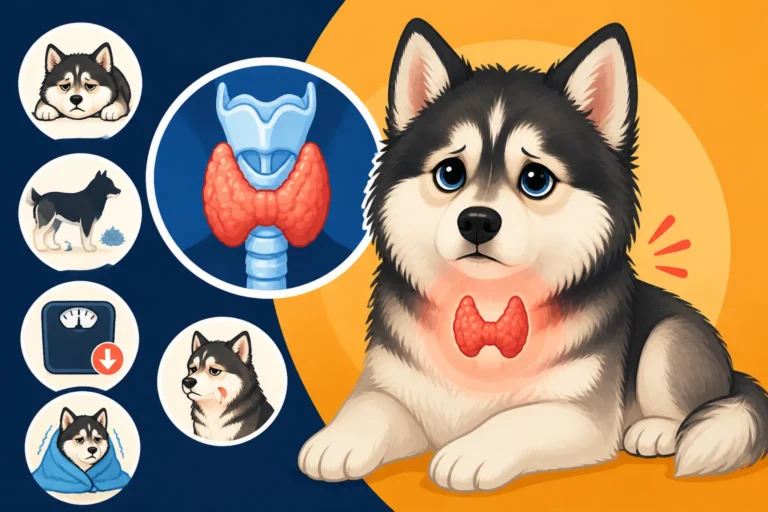
Pomsky hypothyroidism symptoms including lethargy, weight gain, and skin issues reveal when the thyroid gland has failed.
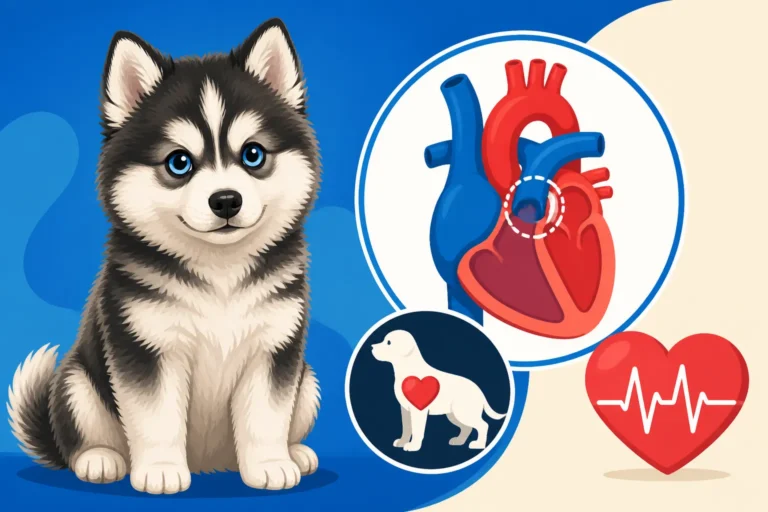
Patent Ductus Arteriosus in Pomskies is a congenital heart defect where a fetal blood vessel fails to close after birth.
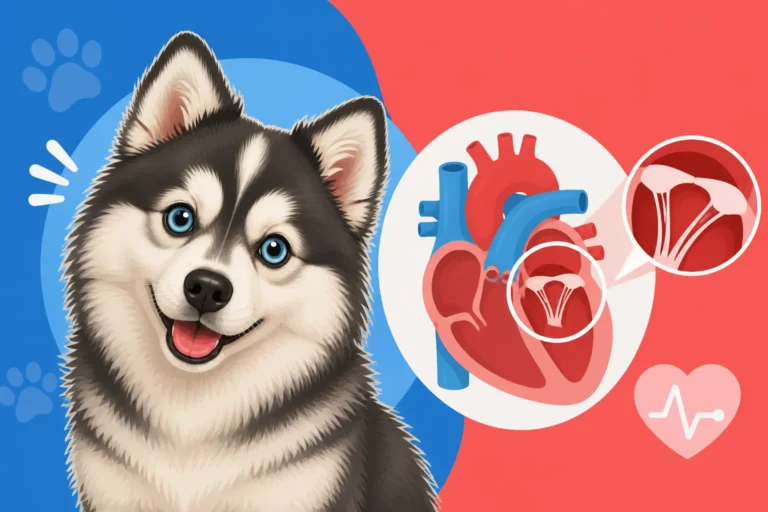
Pomsky heart health details covering Mitral Valve Disease symptoms, valve degeneration mechanics, and yearly screening steps for dogs.

Pomsky heart murmurs involve turbulent blood flow linked to Siberian Husky and Pomeranian genetics, requiring a veterinary stethoscope exam.

Epileptic Pomsky management strategies, idiopathic epilepsy causes, and how veterinarians diagnose seizures and rule out other health conditions.
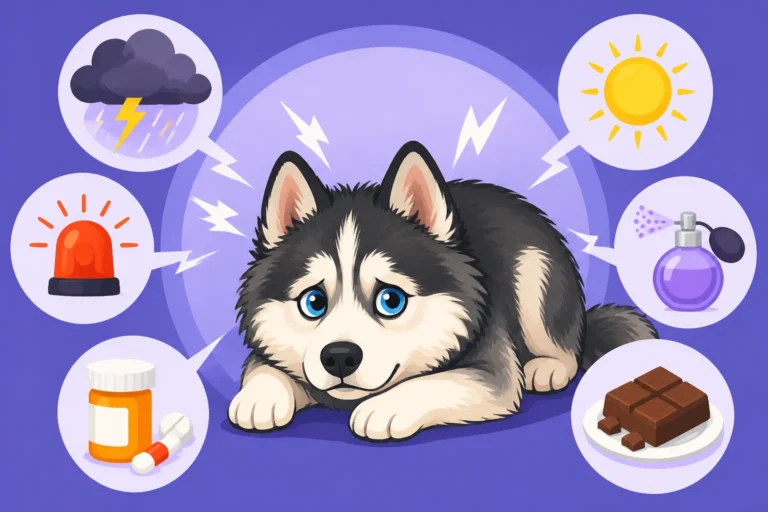
Pomsky seizure triggers, including genetic idiopathic epilepsy, environmental factors, and metabolic disorders, explained to help manage this condition.

Pomsky inherited epilepsy risks from Siberian Husky or Pomeranian parent breeds and canine idiopathic neurological disorder facts.

Pomsky upright ear health involves managing internal canal anatomy, dense double fur, wax buildup, and potential environmental allergies.

Pomsky ear health and infection risks depend on genetics, coat density, and moisture exposure, detailing prevention and symptoms.