Whether a Pomsky Bonds to One Person
Pomsky bonding patterns combine Siberian Husky independence and Pomeranian devotion, explaining human preferences and family connections.
Work with the temperament you have.
House-training and crate work, recall, leash manners, separation anxiety, and the behaviors this breed is wired for.
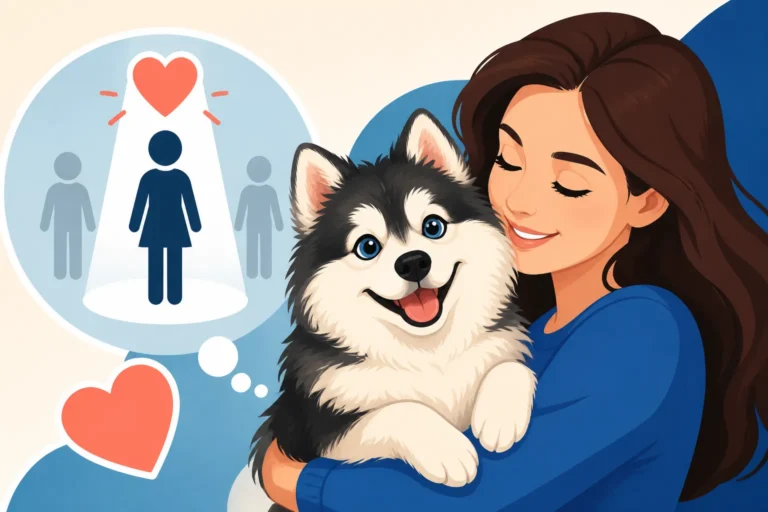
Pomsky bonding patterns combine Siberian Husky independence and Pomeranian devotion, explaining human preferences and family connections.
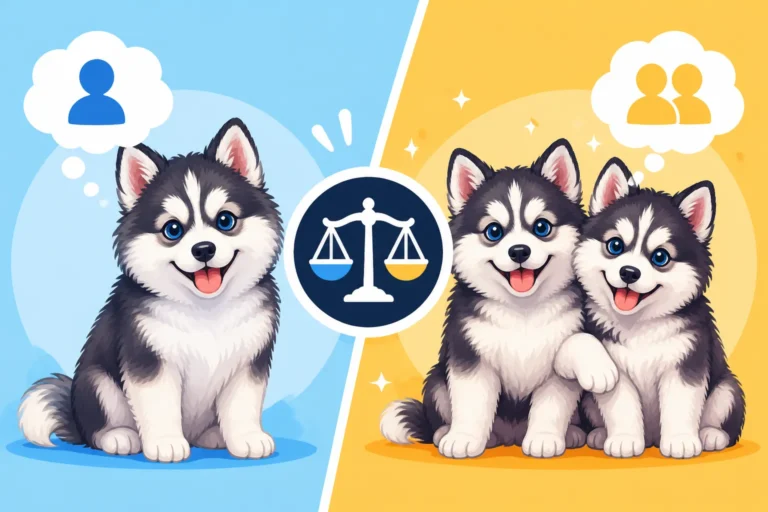
Two Pomskies compared to one creates double the responsibility, increased financial costs, and harder training challenges.
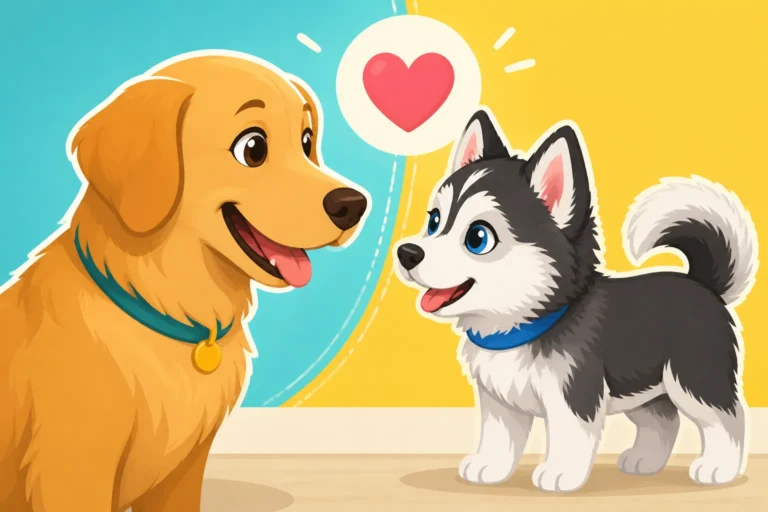
Introducing a new Pomsky puppy to a resident dog requires a thoughtful, step-by-step process to prevent tension and ensure household peace.
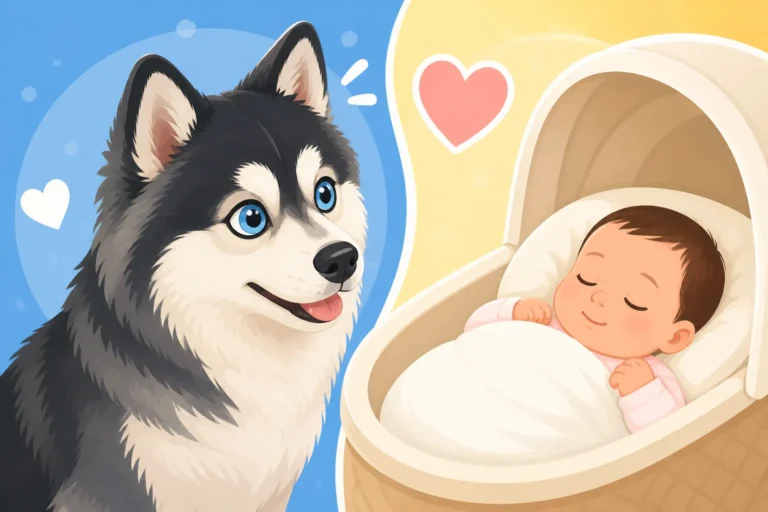
Pomsky temperament analysis explains how Husky energy and Pomeranian loyalty traits affect integration with a newborn baby.
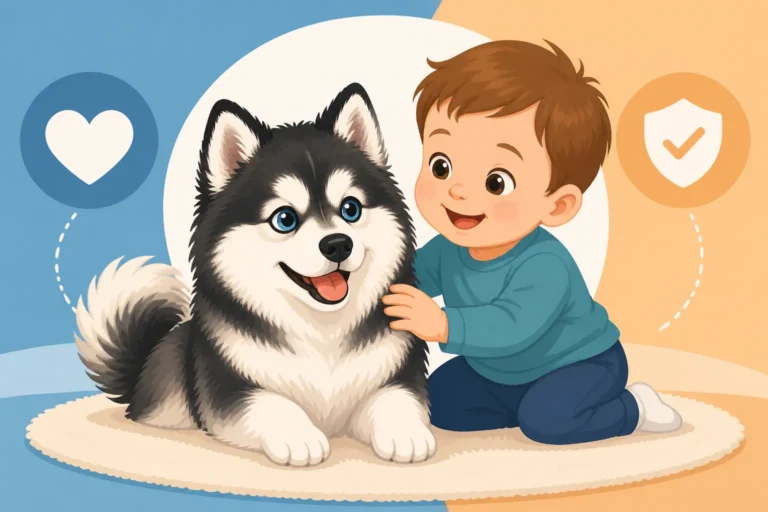
Pomsky temperament traits, including Husky energy and Pomeranian sensitivity, determine whether these dogs safely tolerate toddlers.
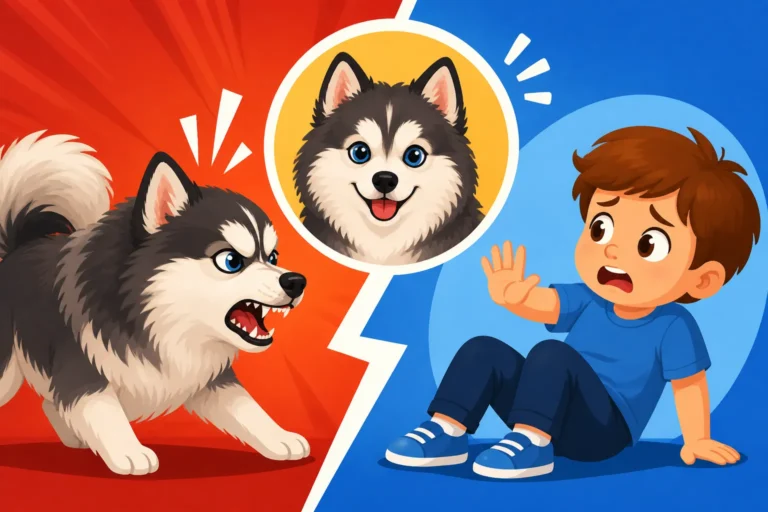
Pomsky behavior around children, covering Siberian Husky and Pomeranian traits, energy levels, and potential snapping triggers.
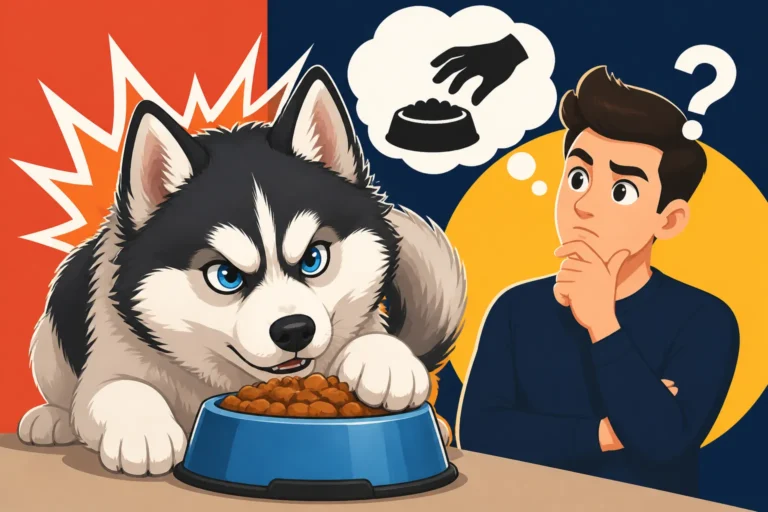
Pomsky food guarding behavior, driven by Husky and Pomeranian traits, includes early warning signs and management steps.
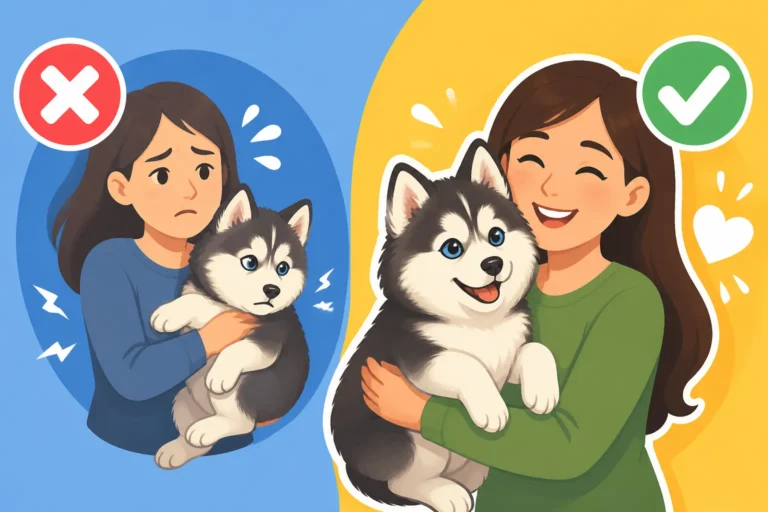
Pomsky handling tolerance depends on whether the dog inherits Siberian Husky independence or Pomeranian affection.
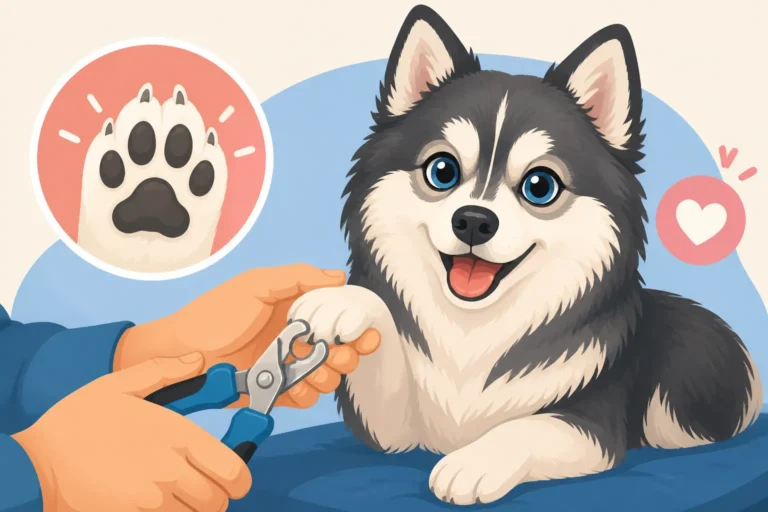
Pomsky nail trimming methods explain how Husky and Pomeranian instincts, early socialization, and the quick affect grooming.
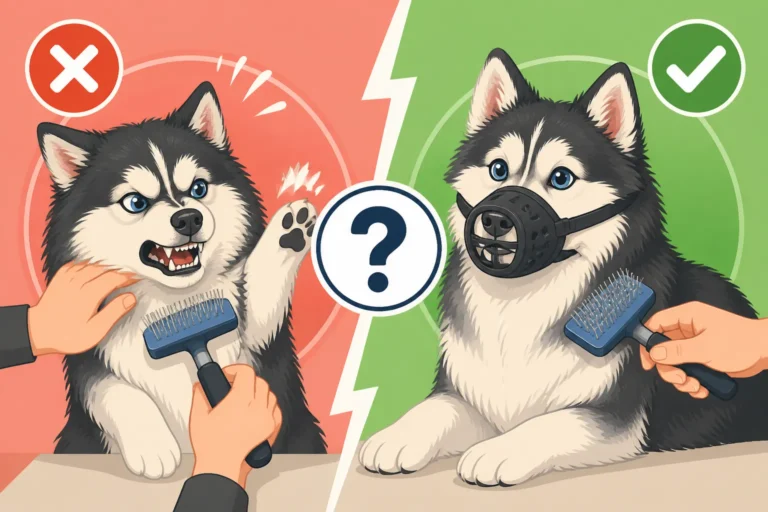
Pomsky brushing aggression causes, covering double coat pain, early socialization gaps, and safe muzzle use during grooming sessions.