Whether Two Pomskies Are Easier Than One
Many Pomsky owners, myself included, have looked at their adorable, energetic fluffball and thought, "You know what would be even better? Two of them!" It's a tempting thought, especially when you see them playing by themselves or wonder if they might be a little lonely while you're at work. But before you open up that second puppy application or start scanning local rescues, it's really important to pause and consider if adding a second Pomsky to your home truly makes things "easier," or if it simply doubles the joy and, let's be honest, the effort. This guide will walk you through the realistic expectations, the doubled demands, and the unique rewards of welcoming a second Pomsky into your life.
The Myth of "Easier" with Two Dogs
It’s a common misconception, one often perpetuated by well-meaning friends or even romanticized ideas from social media, that two dogs entertain each other so much that your workload as an owner is drastically reduced. People imagine idyllic scenes of dogs frolicking endlessly, exhausting each other while you sip coffee. While there's a kernel of truth to the companionship aspect, the idea that two Pomskies somehow become less work is a fantasy many quickly discover to be far from reality. The truth is, two dogs mean double the responsibility in almost every aspect of pet ownership.
Doubled Everything, Not Halved Effort
Let's get real about what "doubled" truly means. It's not just twice the food in the bowl. It's twice the vet bills, twice the grooming needs, twice the potential for mischief, and often, twice the complexity in training and management. If you're struggling with one Pomsky's energetic demands or independent streak, introducing a second one won't magically solve those issues; it's far more likely to amplify them. Many owners find themselves navigating synchronized mischief, where one dog learns a new trick for escaping or creating chaos from the other.
Consider the cost, for instance. Your food bill will double, naturally. But what about veterinary care? Annual check-ups, vaccinations, flea and tick prevention, and any unexpected illnesses or emergencies will hit your wallet twice as hard. Grooming a double-coated Pomsky is already a commitment, requiring regular brushing with tools like a good undercoat rake and deshedding sessions. Now imagine doing that for two. Even little things like replacing toys or getting new beds add up. It’s not just a marginal increase; it’s a significant jump in financial commitment. You can find some excellent deals on grooming tools or durable toys on sites like Amazon, but you'll still need two of everything.
The Pack Mentality: A Double-Edged Sword
While two Pomskies will undoubtedly offer each other companionship, which can be wonderful to witness, it also means you're managing a pack dynamic. This isn't always smooth sailing. Hierarchy, resource guarding (of toys, food, or even your attention), and squabbles can emerge, especially if you introduce a puppy to an adult dog without careful management. Instead of two dogs quietly self-entertaining, you might find yourself acting as a referee, ensuring fair play and preventing conflicts.
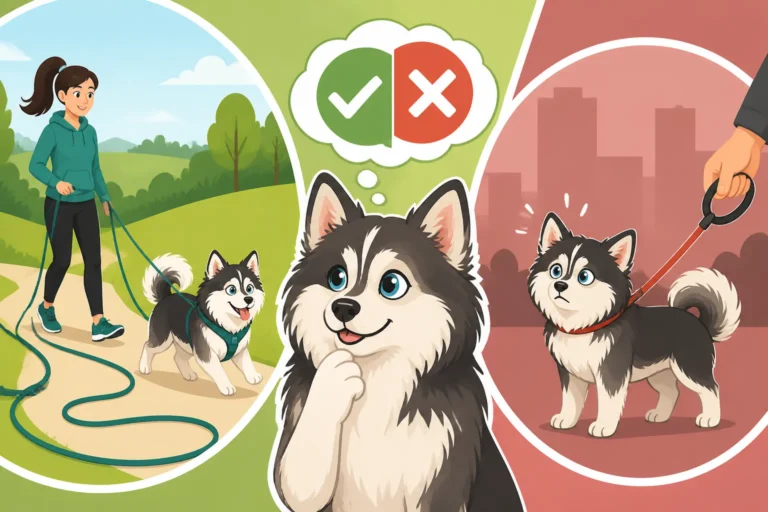
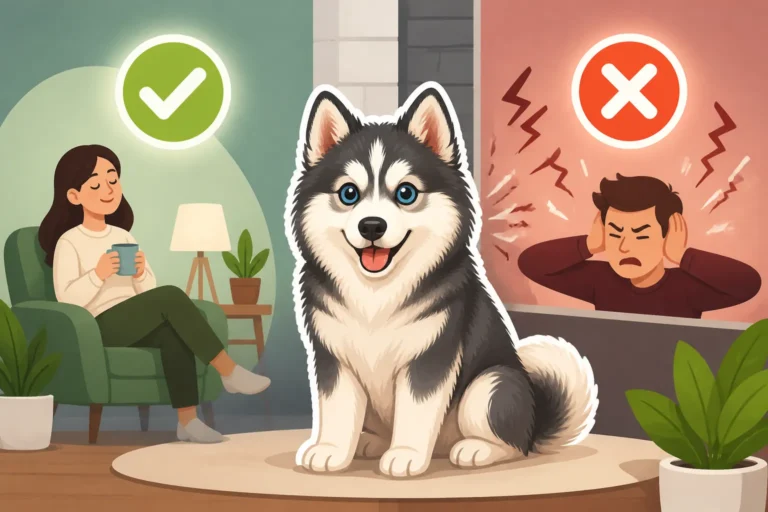
This pack dynamic can also mean they become more confident in certain behaviors you might not want. For example, if one Pomsky has a tendency to howl at the mail carrier, the second one might quickly pick up the habit, turning a solo serenade into a full-blown choir. Whether a Pomsky Is Loud is already a concern for many, and two can escalate that quickly. Their combined energy can also be harder to manage on walks, potentially leading to a stronger pull on the leash if they spot a squirrel or another dog. This isn't to say it's impossible, but it definitely isn't easier.
The Unique Challenges of Two Pomskies
Pomskies are a fantastic blend of Husky and Pomeranian traits, making them intelligent, sometimes stubborn, incredibly vocal, and energetic. When you bring a second one into the mix, these unique characteristics aren't diluted; they're often magnified, presenting a specific set of challenges that need careful consideration. It’s not just about space and food; it’s about managing complex personalities and energy levels.
The Double Escape Artists
Let’s talk about that Husky escape artist trait, now potentially in two smaller, agile bodies. Pomskies are known for their intelligence and their ability to problem-solve, especially when it comes to getting where they want to be. The Pomsky Escape Artist in a Twenty Pound Body is no joke. One Pomsky might figure out how to open a gate; a second one will quickly learn by watching. They can work together, one distracting you while the other plots their great escape from the yard or even the house.
This means your existing security measures need to be even more robust. Is your fence truly escape-proof for two dogs determined to explore? Do you have sturdy latches that can't be nudged open? You might even find yourself looking at measures like The Fence a Pomsky Actually Needs with renewed intensity, considering coyote rollers or concrete footings to prevent digging. The sheer joy of watching them play can quickly turn into a heart-stopping search party if both decide to bolt at once, making a reliable Recall on a Pomsky Bred From a Dog That Runs absolutely essential for both dogs.
Managing Training and Attention
Training one Pomsky requires consistency, patience, and a good understanding of their independent nature. Whether a Pomsky Is Stubborn or Independent is a frequent topic among owners. Now, imagine trying to train two at once. While some basic commands can be taught in a group setting, individual attention is still crucial. Each dog learns at its own pace and has its own motivations. What works for one might not work for the other. You’ll need to dedicate separate training time to each dog to solidify commands and address individual behavioral quirks.
Bringing in a second dog, especially a puppy, also means revisiting puppy training fundamentals: house-training, crate training, and basic manners. While an older, well-trained Pomsky can be a good role model, they can also pick up undesirable habits from the new arrival. For owners feeling overwhelmed, online resources can be incredibly helpful. A platform like BAXTER & Bella offers comprehensive online puppy training programs that can guide you through these crucial early stages, whether you’re introducing a new puppy or reinforcing skills with your older dog. The benefit of such programs is that you can work at your own pace and revisit lessons as needed for each dog.
The Amplified Energy and Grooming Demands
Pomskies are energetic dogs that require a good amount of physical and mental stimulation. The Exercise a Pomsky Needs Every Day is substantial, and with two, you're looking at double the zoomies, double the walks, and double the need for engaging playtime. If your current schedule barely accommodates one Pomsky's exercise needs, squeezing in enough for two without feeling constantly exhausted yourself will be a significant challenge. Lack of exercise often leads to destructive behaviors, which can be twice as bad with two bored dogs.
And then there's the grooming. Pomskies have a dense double coat that sheds, especially during their seasonal "blowouts." The Grooming Bill on a Double Coated Pomsky is a real consideration. You'll be spending more time brushing, vacuuming, and potentially paying for professional deshedding services. Imagine the sheer volume of hair during a double blowout! Having effective tools like a high-velocity dryer and a good undercoat rake is non-negotiable, and you might find yourself frequently checking Amazon for grooming supplies.
The Benefits and How to Make it Work
Despite the amplified challenges, many Pomsky owners successfully and happily manage two or more of these wonderful dogs. There are genuine benefits to having multiple dogs, and with the right preparation and commitment, it can be a deeply rewarding experience. It's about being realistic, proactive, and understanding that "easier" is probably not the right word, but "richer" certainly can be.
Companionship and Play
The most obvious and often cited benefit is the companionship they provide each other. Dogs are social creatures, and having a canine buddy can be immensely enriching for them. They'll play, wrestle, chase each other, and often snuggle together. This can be especially beneficial if you work long hours or if your Pomsky tends to suffer from separation anxiety. While two dogs don't eliminate the need for human interaction, they can provide comfort and entertainment for each other, potentially reducing destructive behaviors born out of boredom or loneliness. How Many Hours a Pomsky Can Be Left might feel less daunting if they have each other.
Seeing your two Pomskies interact, develop their own language, and form a bond is incredibly heartwarming. They can teach each other valuable social skills, reinforce good behaviors (if one is a good role model), and simply provide each other with a constant source of engagement. This can lead to a generally happier, more well-adjusted dog, even if it means more work for you.
Reinforcement and Socialization
An existing, well-trained Pomsky can actually help socialize a new puppy. A confident, calm older dog can teach a youngster appropriate play behavior, boundaries, and even house rules. This isn't a guarantee, of course, and careful introductions are always necessary. A Pomsky Meeting the Resident Dog requires patience and planning to ensure a smooth transition. However, when it works, it can be a beautiful thing to witness the older dog guiding the younger one.
Furthermore, two dogs mean more opportunities for socialization with other dogs in safe, controlled environments. They learn how to interact with different canine personalities, which is invaluable for their overall development. When you take them to a dog-friendly park or on a structured outing, their interactions with each other can build their confidence around new experiences.
Practical Steps for a Multi-Pomsky Household
Making a multi-Pomsky household work requires meticulous planning and a deep commitment. It's not a decision to be taken lightly.
- Assess Your Resources: Do you have the financial means to double everything? Food, vet care, grooming, toys, and unexpected emergencies. Review What a Second Pomsky Adds Monthly to get a clear picture.
- Time Commitment: Do you have the time for separate and combined training sessions, doubled exercise needs, and more extensive grooming? Factor in daily brushing for two, especially during shedding seasons when The Undercoat Rake a Pomsky Owner Lives With becomes your best friend.
- Space: Do you have adequate indoor and outdoor space for two active dogs? Two Pomskies will require more room to play, relax, and eat without feeling cramped or leading to resource guarding issues. Consider larger crates or dedicated dog zones.
- Training Foundation: Ensure your first Pomsky is well-trained and has a solid foundation in obedience before introducing a second. This will make the integration much smoother and give you a good "assistant" in training the new arrival. If your first Pomsky has behavioral issues, adding another will likely complicate things further. BAXTER & Bella's online training can provide ongoing support for both dogs.
- Introductions: Plan a slow, controlled introduction between the existing Pomsky and the newcomer. Initial meetings should be on neutral territory, on leash, and supervised. Gradually increase their time together.
- Individual Attention: Make sure each Pomsky still gets individual quality time with you. This could be separate walks, one-on-one training sessions, or just cuddle time on the couch. This reinforces your bond with each dog and prevents jealousy.
To help visualize the difference, here's a quick comparison:
| Aspect | One Pomsky | Two Pomskies (Generally) |
|---|---|---|
| Cost | Moderate (food, vet, grooming) | High (double everything, potential for more) |
| Time Investment | Significant (training, exercise, grooming) | Very Significant (double training, exercise, grooming) |
| Space Required | Moderate (crate, indoor play area, yard) | High (larger crates, more play space, secure yard) |
| Energy Management | Active, needs consistent outlet | Very active, managing synchronized energy levels |
| Training Complexity | Requires patience and consistency | Requires more individual attention, managing dynamics |
| Companionship | Relies solely on human interaction | Mutual canine companionship, reduces loneliness |
| Grooming Effort | Regular brushing, seasonal blowouts | Daily brushing, intense seasonal blowouts for two |
| Potential for Noise | Vocal, may howl or bark at triggers | Can be much louder, synchronized vocalizations |
Ultimately, getting a second Pomsky is a significant commitment. It requires more financial resources, more time, and more patience. It isn't "easier" in terms of workload, but for those prepared for the demands, the unique joy, companionship, and endless entertainment of a multi-Pomsky household can be incredibly fulfilling. It's about doubling the love, accepting the doubled effort, and celebrating the vibrant life they bring.
Disclaimer
This article is for general informational purposes only and does not constitute professional advice. Laws, prices and regulations vary by location and change over time. Consult a qualified professional for guidance on your specific situation.