Whether a Pomsky’s Coat Should Ever Be Trimmed
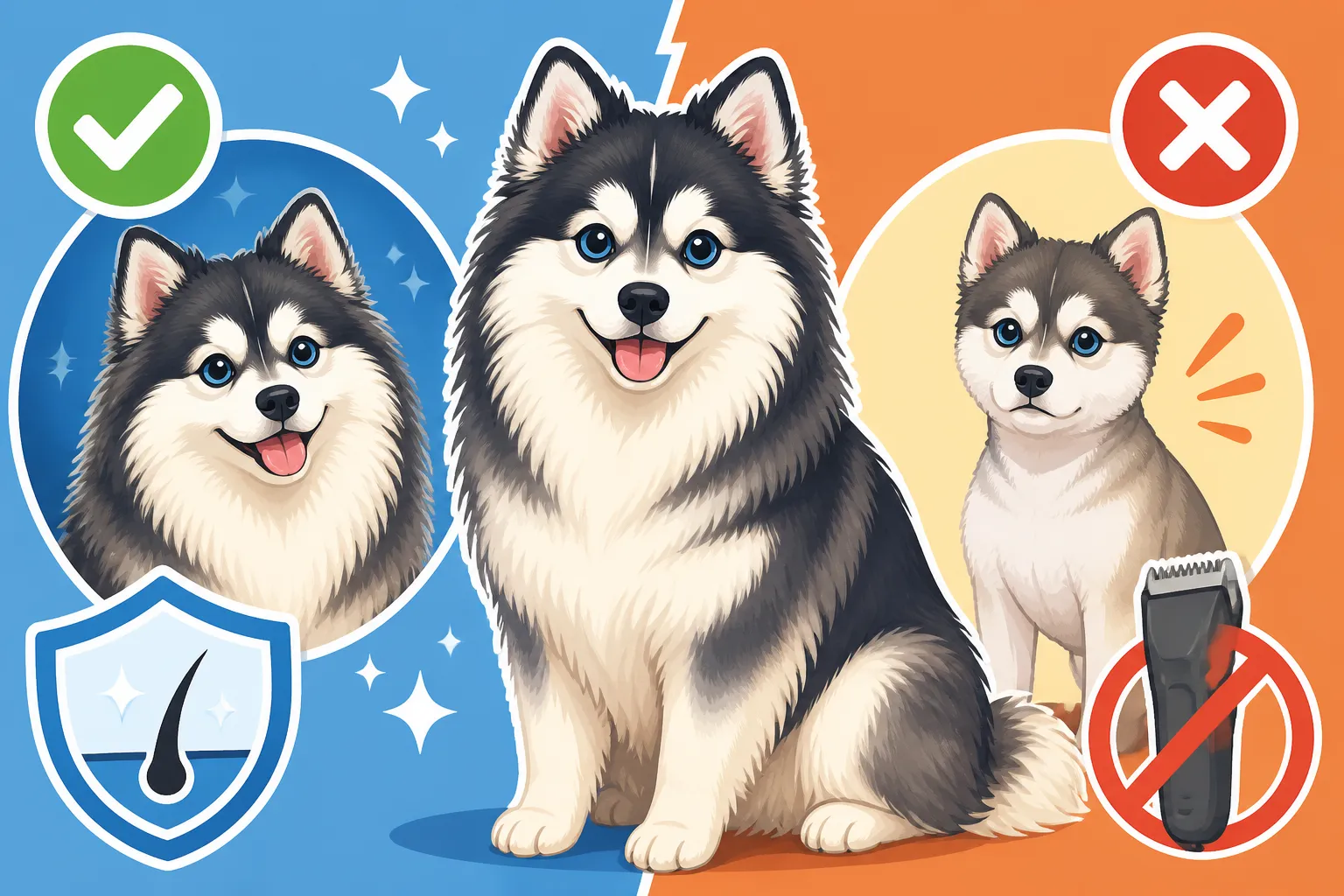
It's a common thought among Pomsky parents, especially when the weather warms up or the shedding season hits its peak: "Should I just trim my Pomsky's coat? Maybe even shave them down to help them cool off or reduce the hair around the house?" This guide is here to tackle that very question, because while the intention is always good, the answer for a double-coated breed like the Pomsky is almost universally "no," and understanding why is crucial for your furry friend's health and comfort.
Understanding the Pomsky's Double Coat
Before we even consider reaching for clippers, we need to talk about what makes a Pomsky's coat so unique and, frankly, so perfectly engineered by nature. Your Pomsky inherits this incredible coat structure from both the Siberian Husky and the Pomeranian, two breeds famous for thriving in cold climates. It’s not just a cute fluffy covering; it's a vital part of their thermoregulation system.
The Guard Hairs: What They Are, Their Purpose
Imagine a waterproof, sun-blocking umbrella that also protects against minor scrapes and bug bites. That's essentially what your Pomsky's outer coat, or guard hairs, are. These longer, stiffer, and often coarser hairs form the visible layer of their coat. They are designed to repel water, dirt, and UV rays, acting as a natural shield. If you've ever noticed how water beads off your Pomsky after a romp in the rain, that's the guard hairs doing their job! They are crucial for protecting their delicate skin underneath from environmental elements, preventing sunburn and insect bites. Without this protective layer, their skin becomes vulnerable, just like ours would be without sunscreen or clothing.
These guard hairs also contribute to the overall aesthetic of your Pomsky, giving them that wild, majestic look we all adore. They dictate the color patterns and the "stand-off" quality of the coat, making it look full and luxurious. Any interference with these hairs can permanently alter their texture, appearance, and, more importantly, their protective function.
The Undercoat: What It Is, Its Purpose
Beneath that layer of sturdy guard hairs lies the real unsung hero of the Pomsky's coat: the soft, dense, and incredibly insulating undercoat. This fluffy, wool-like layer is what truly regulates your dog's body temperature, much like the insulation in your house. In cold weather, it traps warm air close to their body, keeping them toasty. But here's the kicker, and where many owners get confused: in warm weather, this undercoat actually helps to keep them cool. It creates a natural buffer, trapping a layer of cooler air next to the skin and preventing external heat from reaching it. Think of it as a natural air conditioning system.
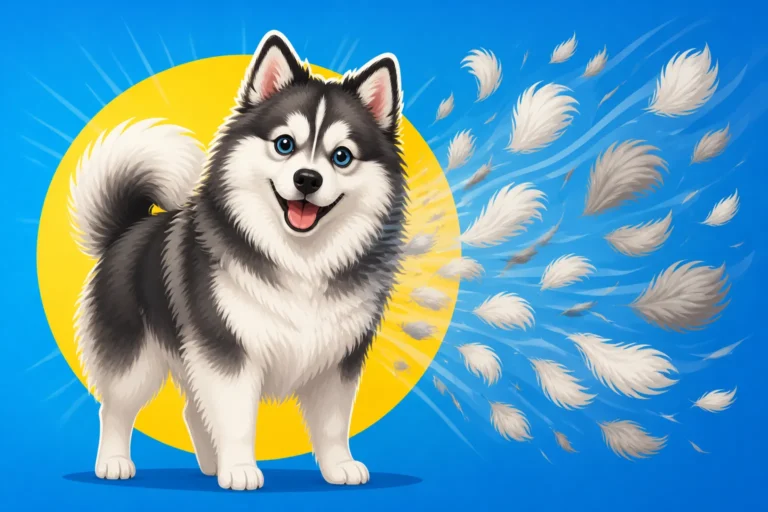
During the shedding seasons, often referred to as "blowing coat," your Pomsky will naturally shed large amounts of this undercoat to prepare for the change in temperatures. This natural process allows air to circulate more freely against the skin, which is essential for cooling. Attempting to "help" this process by trimming or shaving the undercoat prematurely or incorrectly can severely disrupt this delicate balance. Whether a Pomsky Blows Its Coat Twice a Year is a common question, and yes, they do, and that's when this undercoat management becomes critical.
How the Double Coat Regulates Temperature
It's a fantastic feat of nature, really. The double coat works in tandem to maintain a stable body temperature, no matter the external conditions. The guard hairs reflect sunlight and shield the skin, while the undercoat provides that critical insulating layer. In winter, the thick undercoat keeps them warm. In summer, the guard hairs protect from UV and allow air to circulate through the less dense undercoat (after their seasonal shed), creating a cooling effect.
When people shave a double-coated dog, they mistakenly believe they are removing a "hot" layer. Instead, they are stripping away the very system that prevents overheating and sunburn. It's like removing the insulation from your house in summer; it doesn't make it cooler, it makes it hotter and less protected from the elements. This natural insulation is far more effective than any human intervention could be, which is why Why a Pomsky's Double Coat Works in Both Seasons is so important to understand.
The Risks of Trimming or Shaving a Pomsky's Coat
Given the vital role of the double coat, it's probably becoming clear why trimming or shaving is almost never a good idea. The consequences can be far-reaching, affecting not just their appearance but their overall health and comfort.
Heatstroke and Sunburn: Why Trimming Doesn't Cool, But Harms
This is perhaps the most dangerous misconception. Owners often think that removing a thick coat will make their Pomsky cooler. In reality, it does the exact opposite. By shaving off the guard hairs, you remove their primary protection from the sun's harsh UV rays. This exposes their sensitive skin directly to the sun, significantly increasing their risk of severe sunburn, which can be incredibly painful and even lead to skin cancer over time.
Furthermore, removing the undercoat disrupts the natural airflow and insulation layer that keeps them cool. Without that buffer, their skin becomes a direct target for heat absorption. They lose their ability to regulate their body temperature effectively, making them far more susceptible to overheating and potentially life-threatening heatstroke, especially on hot days or during exercise. Whether a Pomsky Copes in a Southern Summer heavily depends on leaving their natural coat intact.
Coat Damage and "Post-Clipping Alopecia"
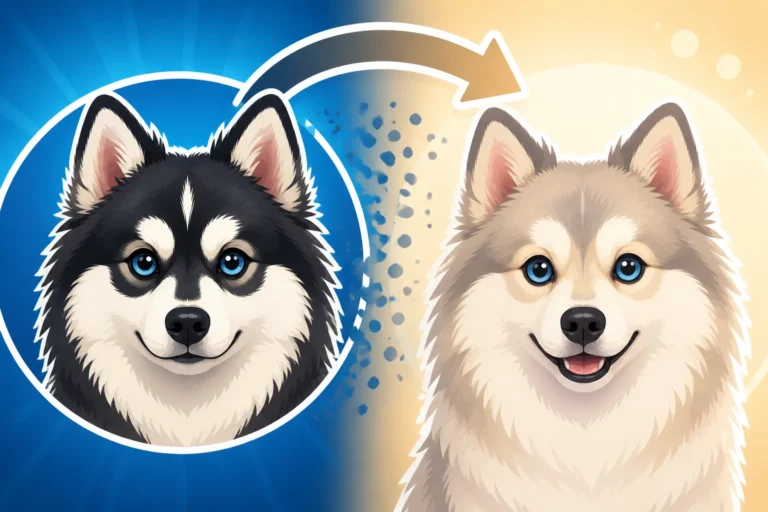
Shaving a Pomsky's double coat can lead to a condition often referred to as "post-clipping alopecia" or "clipper alopecia." This is a significant concern for owners. What happens is that the clipper blades cut through both the guard hairs and the undercoat in an unnatural way, damaging the hair follicles. The guard hairs, which have a longer growth cycle, often struggle to grow back correctly, or sometimes not at all. You might find that the new growth is patchier, softer, duller, and primarily composed of fluffy undercoat.
This changed texture is not just an aesthetic issue; it means the coat no longer functions as it should. It won't repel water or dirt effectively, and its insulating properties will be compromised. The soft, woolly regrowth can also be much more prone to matting, creating a vicious cycle of needing more shaving. It can take years, if ever, for a Pomsky's coat to fully recover its original texture and density after being shaved, and some never do. This is why it's so critical to understand Whether Shaving a Pomsky Damages the Coat.
Skin Irritation and Allergic Reactions
Exposing a Pomsky's skin by trimming or shaving also makes them more vulnerable to a host of other issues. Without the protective barrier of their guard hairs, their skin is more susceptible to environmental irritants, allergens, and insect bites. They might experience increased itching, redness, rashes, and hot spots. The skin, now exposed to elements it was never meant to face directly, can become dry, flaky, or inflamed.
For Pomskies already prone to skin sensitivities, removing their coat can exacerbate existing problems or trigger new ones. Allergens like pollen or dust mites can come into direct contact with their skin, leading to discomfort and potential infections. This vulnerability can be a nightmare for both the dog and the owner, often requiring veterinary intervention to manage the resulting skin conditions.
Common Reasons Owners Consider Trimming and Why They're Misguided
It’s completely natural to want what’s best for your Pomsky, and many of the reasons owners consider trimming come from a place of love and concern. However, these intentions are often based on misunderstandings about how their unique coat works.
"My Pomsky is Too Hot": Debunking the Cooling Myth
This is by far the most common reason. You see your fluffy Pomsky panting on a warm day, and your first thought is to lighten their load by shaving them. But as we've discussed, their double coat is a marvel of nature designed to insulate them from both cold and heat. It's a natural air conditioner. When you shave it, you remove that crucial layer of insulation.
Imagine wearing a winter coat, then taking it off, only to find you're still hot. The problem wasn't the coat; it was the ambient temperature and the lack of proper shedding. A shaved Pomsky's skin becomes directly exposed to the sun's heat, absorbing it instead of reflecting it. This makes them hotter, not cooler, and puts them at a much higher risk for heatstroke. Instead, focus on keeping them hydrated, providing shade, and walking during cooler parts of the day.
"I Want to Reduce Shedding": Explaining Why Trimming Doesn't Help Long-Term
Oh, the shedding! If you own a Pomsky, you know the struggle is real. During their seasonal "blowouts," it can feel like your house is suddenly made of dog hair. It’s tempting to think that shaving them will solve this problem, reducing the amount of hair you find on your furniture, clothes, and practically everywhere else.
However, shaving only changes the type of hair you'll be dealing with, and often not for the better. When you shave, the existing hair is cut short. This might temporarily seem like less shedding, but it’s still shedding. The short, spiky hairs can be even more irritating and difficult to clean than the long, soft undercoat. Worse still, if the guard hairs don't grow back correctly, you'll be left with a coat that constantly sheds fluffy undercoat, which is often harder to manage and more prone to matting. The solution isn't to remove the hair, but to manage the shedding effectively through regular grooming.
"For a Neater Appearance": Discussing Aesthetic Desires vs. Health
Let's be honest, we all want our dogs to look their best. Sometimes, a Pomsky's coat can look a bit unruly, especially around the "feathering" on their legs or tail, or if they have a particularly woolly coat. You might desire a tidier, more uniform look, thinking a trim would achieve that sleekness.
However, the "neater appearance" you envision often comes at a significant cost to your Pomsky's health and the natural function of their coat. The natural shape and flow of a double coat are part of its protective design. Any attempt to "sculpt" it can lead to uneven regrowth, damage to the guard hairs, and the compromised thermal regulation we've already discussed. Ultimately, the unique beauty of a Pomsky lies in its natural, well-maintained double coat, not in a trimmed or shaved style that works against their biology.
Proper Coat Care for a Pomsky: Alternatives to Trimming
So, if trimming or shaving is a no-go, what should you be doing to keep your Pomsky comfortable, healthy, and looking fantastic? The answer lies in consistent, proper grooming techniques that work with their natural coat, not against it.
Regular Brushing and Deshedding: The True Way to Manage Shedding and Coat Health
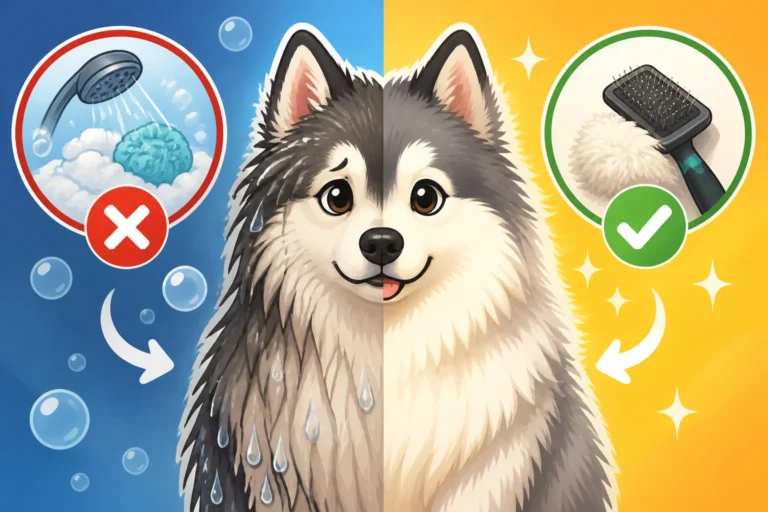
This is the golden rule for Pomsky owners: brush, brush, and then brush some more! Regular brushing is absolutely essential, especially during their twice-yearly coat blows. A good brushing routine helps to remove loose undercoat, prevent matting, and distribute natural oils, keeping their skin and coat healthy. Aim for at least 2-3 times a week, and daily during heavy shedding periods.
You'll want to invest in the right tools. An undercoat rake is invaluable for getting deep into that dense undercoat and pulling out the loose fluff without damaging the guard hairs. A slicker brush can help smooth the outer coat and remove tangles. And don't forget a good wide-toothed comb to check for any hidden mats, especially behind the ears, in the armpits, and on the breeches. Brands like Chewy and Amazon offer a wide array of high-quality grooming tools specifically designed for double-coated breeds. The Undercoat Rake a Pomsky Owner Lives With truly is a lifesaver.
Professional Grooming for Blowouts (Not Trims)
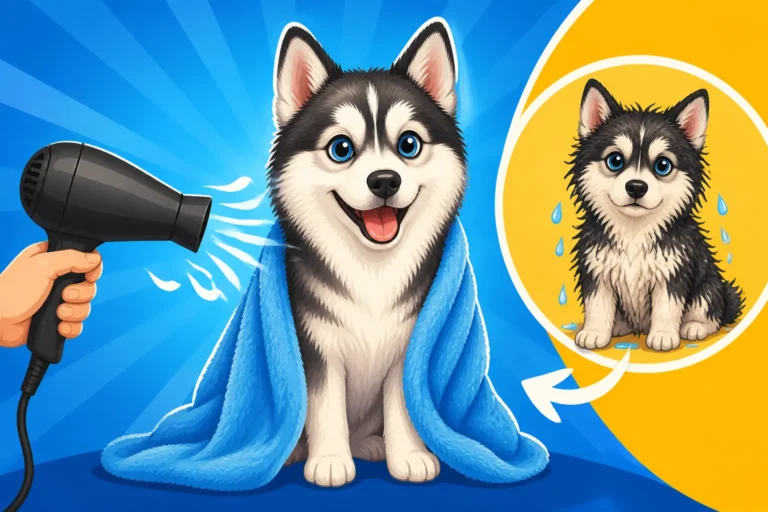
While home grooming is vital, a professional groomer who understands double-coated breeds can be an incredible asset, especially during those intense shedding seasons. A professional "deshedding service" or "blowout" involves a thorough bath with deshedding shampoo and conditioner, followed by a powerful high-velocity dryer. This dryer literally blasts out loose undercoat, which is far more effective and safer than trying to cut it out.
A good groomer will never shave down a double-coated breed unless there’s a medical reason or severe matting (which ideally should be prevented in the first place). They focus on safely removing dead undercoat and ensuring the skin can breathe. This process not only reduces shedding dramatically but also helps to keep your Pomsky cool by allowing for better air circulation against the skin. Discussing How Often a Pomsky Should Be Bathed with your groomer can help establish a healthy routine.
Staying Cool Without Scissors: Environmental Management
Keeping your Pomsky cool in warmer weather is about smart management, not coat removal. Here are some key strategies:
- Hydration: Always have fresh, cool water available. Consider adding ice cubes or using a cooling bowl.
- Shade and Shelter: Ensure your Pomsky has access to shaded areas outdoors and a cool, air-conditioned space indoors.
- Timing Walks: Walk your Pomsky during the coolest parts of the day – early morning and late evening. Avoid the midday heat entirely.
- Cooling Gear: Cooling vests, mats, and bandanas can offer temporary relief. You can find many options on Amazon that utilize evaporative cooling technology.
- Water Play: Supervised splashing in a shallow kiddie pool can be a great way for them to cool off, but ensure they are thoroughly dried afterward to prevent skin issues like hot spots.
Remember, a healthy, well-maintained double coat is their best defense against both heat and cold. Your goal is to support its natural function, not undermine it.
Exceptions: When a Pomsky's Coat Might Need Trimming (Under Vet Guidance)
While the general rule is "never trim," there are extremely rare circumstances where a veterinary professional might recommend some form of coat modification. These are typically driven by medical necessity, not aesthetic preference.
Medical Necessity: Discussing Extreme Cases Like Surgery or Severe Matting
In certain situations, a veterinarian might deem it necessary to trim or shave a specific area of your Pomsky's coat. This usually occurs for:
- Surgical Procedures: If your Pomsky needs surgery, the area around the incision site will be shaved to ensure sterility and allow the vet to work cleanly. This is a targeted shave for a medical purpose.
- Diagnostic Tests: Sometimes, to properly examine the skin for conditions like severe skin infections, tumors, or specific dermatological issues, a vet might need to shave a patch to get a clear view or take a biopsy.
- Severe Matting: While preventative brushing should avoid this, some Pomskies can develop severe mats that are so tight they pull at the skin, cause pain, and even restrict blood flow. If mats are too dense to be safely brushed out, a professional groomer or vet might recommend carefully shaving under the mat to relieve the dog, often requiring a very short cut. This is a last resort, as it can still damage the underlying coat, but the dog's comfort and health take precedence over coat aesthetics in such extreme cases.
These are not decisions to be taken lightly or performed at home. Such actions should always be done under the direct advice or supervision of a veterinary professional or a highly experienced, reputable groomer who understands double coats.
Elderly or Immoble Pomskies: Specific Care Needs
As Pomskies age, their needs can change, and sometimes their ability to tolerate or cooperate with regular grooming routines diminishes. An elderly or arthritic Pomsky might find long brushing sessions painful, or they might not be able to stand for extended periods. In these rare cases, and always in consultation with your veterinarian, some minor trimming of specific areas might be considered to improve their quality of life.
For example, a very elderly Pomsky with mobility issues might benefit from a sanitary trim around their hindquarters to help keep them clean and prevent urine or feces from matting in their fur. Similarly, if they develop incontinence or other health issues that make regular bathing difficult, a vet might suggest very conservative trimming in certain areas to manage hygiene. However, this is still a careful balance, and the goal remains to preserve as much of their natural coat as possible while prioritizing their comfort and health. The focus shifts from a full "blowout" to gentle, targeted maintenance, and products like joint supplements (which can be found at Chewy) or specialized diets (like those offered by Ollie) may become more important for overall well-being. Caring for a Pomsky Past Ten involves adjusting their care to their changing needs.
| Feature | Trimming/Shaving a Pomsky's Coat | Proper Grooming (Brushing/Deshedding) |
|---|---|---|
| Purpose | Misguided attempt to cool, reduce shedding, neaten | Remove dead undercoat, prevent mats, maintain health |
| Effect on Cooling | Increases risk of heatstroke, sunburn; removes natural insulation | Enhances natural cooling; allows air circulation |
| Effect on Shedding | Temporarily alters hair type; can worsen overall shedding with poor regrowth | Significantly reduces loose hair; manages seasonal blows |
| Coat Health | Risk of permanent coat damage, "clipper alopecia" | Preserves coat integrity, guard hairs, and texture |
| Skin Health | Increases risk of sunburn, irritation, allergies | Protects skin from elements; promotes healthy skin |
| Appearance | Patchy, dull, woolly regrowth; unnatural look | Maintains natural, luxurious, healthy appearance |
| Longevity of Coat | Can take years to recover; sometimes permanent damage | Ensures coat remains functional and beautiful for life |
Disclaimer
This article is for general informational purposes only and does not constitute professional advice. Laws, prices and regulations vary by location and change over time. Consult a qualified professional for guidance on your specific situation.