What a Wooly Pomsky Looks Like
There’s a unique charm about Pomskies, a certain "je ne sais quoi" that draws people in, often sparked by pictures of those impossibly fluffy pups. But when it comes to their coats, things can get a little confusing, especially when you hear terms like "wooly." It’s easy to envision a specific look and then wonder if your new puppy will truly grow into it, or if that fluffy wonder comes with hidden challenges. This guide is here to demystify what a wooly Pomsky looks like, the genetics behind it, and what it truly means for their care.
Decoding the Pomsky Coat Spectrum
Before we dive deep into the specific characteristics of a wooly coat, it’s helpful to understand the general range of Pomsky fur types. Just like snowflakes, no two Pomskies are exactly alike, but their coats tend to fall into a few recognizable categories, all stemming from their Siberian Husky and Pomeranian parentage. It’s a genetic lottery, really, and each type comes with its own set of care requirements and aesthetic appeal.
The Standard Pomsky Coat
Most Pomskies, and certainly the type breeders often aim for, will have what's known as a "standard" or "plush" coat. This is the classic double coat we adore in both Huskies and Pomeranians, albeit scaled down and mixed. It’s designed for insulation, keeping them warm in winter and helping regulate their temperature in summer. When you run your hand through a standard coat, you'll feel a dense, soft undercoat that acts like a thermal layer, topped by coarser, straight guard hairs. These guard hairs are water-resistant and protect the undercoat from debris and elements.
Visually, a standard Pomsky coat typically lies flatter against the body than a wooly one. You'll see distinct guard hairs, and while there might be some feathering around the legs, ears, and tail, it’s not overly exaggerated. Think of the sleek yet full look of a well-groomed Siberian Husky, but in a smaller package. This coat type requires regular brushing, especially during their "blowing out" seasons, where they shed profusely. But for the most part, it’s a relatively manageable double coat, demanding commitment, but not constant intervention. If you're wondering how this coat adapts, you might want to read The Pomsky That Carries a Husky Coat at Twenty Pounds.
The Short Coated Pomsky
While less common, some Pomskies inherit a shorter coat, often leaning more towards the sleekness of a very short-haired Husky or a streamlined Pomeranian. This isn't a single coat like a Boxer or a Lab, mind you; it's still a double coat, but the guard hairs are noticeably shorter, and the undercoat may not be as dense. When you encounter a short-coated Pomsky, they might not have the dramatic fluff or volume that many expect.
For owners, this can be a blessing in terms of grooming. Shedding might still occur, but the volume of hair released is often less, and the fur is less prone to tangles and mats. It’s still essential to brush them to remove loose hair and keep their skin healthy, but the daily commitment can be significantly reduced compared to their fluffier counterparts. However, remember that even a short double coat still provides insulation, so you still need to be mindful of overheating in warmer climates.
Unveiling the Wooly Pomsky Coat
Now, let's get to the star of the show: the wooly Pomsky. This is often the coat type that captures people's hearts and imaginations, making them look like incredibly plush, oversized teddy bears come to life. But what exactly defines a wooly Pomsky, and how does it come to be?
Defining the Wooly Look
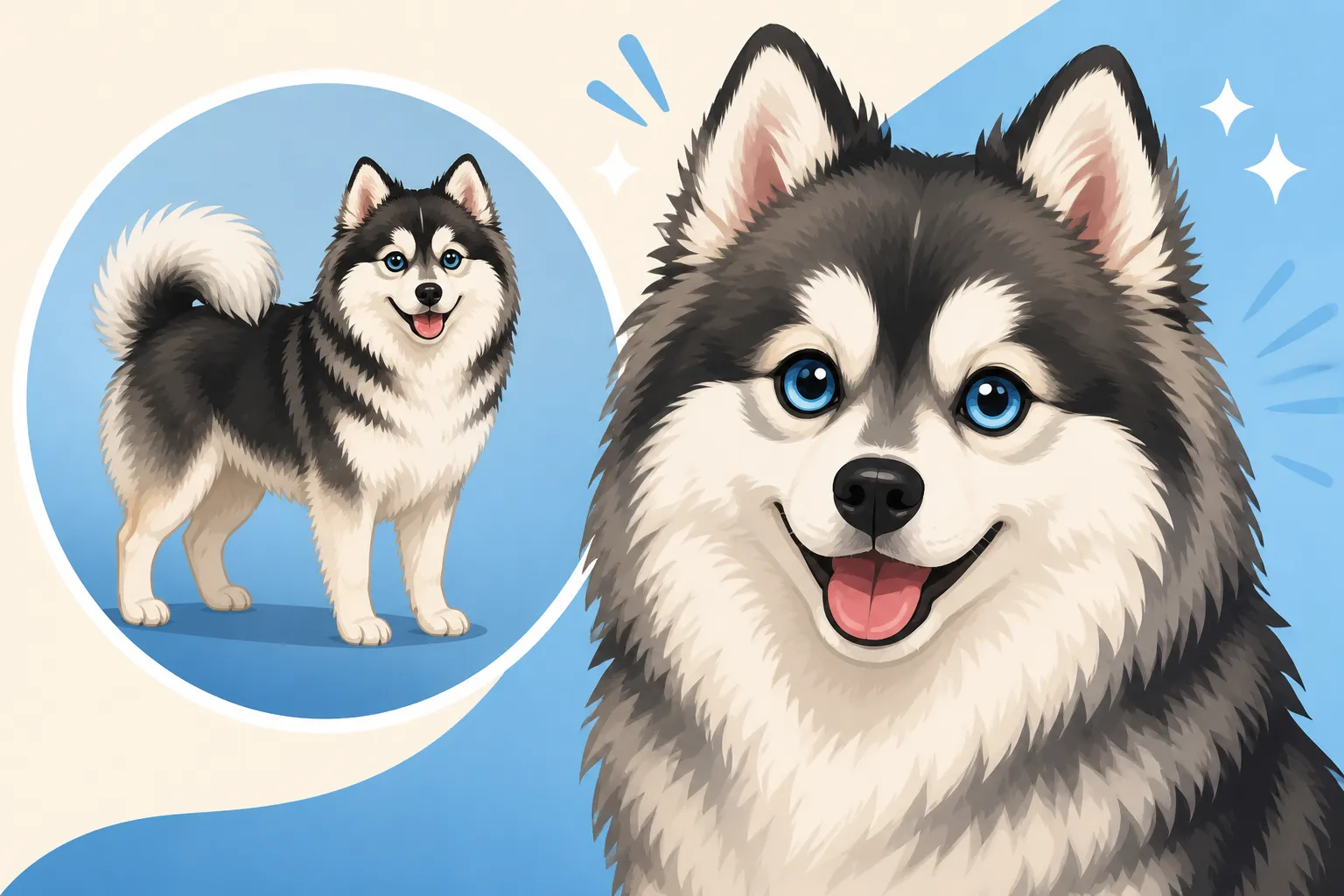
A wooly Pomsky coat is characterized by significantly longer, softer, and often much fluffier guard hairs than a standard coat. Instead of lying flat, these longer hairs tend to stand out from the body, giving the dog a much fuller, almost exaggerated silhouette. Imagine the difference between a standard Pomeranian and one with an exceptionally long, flowing coat; the wooly Pomsky leans towards that amplified fluffiness.
You’ll typically see distinct features like:
- Exaggerated Feathering: This is often most noticeable on their legs, giving them "pantaloons" or "skirts," and around their ears, chest (creating a prominent "ruff"), and tail, which becomes a magnificent plume.
- Softer Texture: The guard hairs feel softer and more cotton-like to the touch, lacking the coarse, protective feel of a standard coat's guard hairs.
- Dense Undercoat (Still Present): While the top coat is long and fluffy, the dense undercoat remains, contributing to the overall volume and, importantly, the insulation properties of the coat.
The overall impression is one of immense plushness and a slightly more rounded, softer outline compared to the more athletic, defined lines of a standard-coated Pomsky. They really do look like living, breathing stuffed animals, which is a huge part of their appeal.
How the Wooly Coat Develops
The wooly coat is essentially a genetic variation that results in longer hair growth. It’s not necessarily a "fault," but rather a different expression of the genes that control coat length and texture in both Siberian Huskies and Pomeranians. Both parent breeds carry genes that can influence coat length, and when these combine in a Pomsky, some puppies may end up with the extended growth that results in a wooly appearance. It’s not about having a single "wooly gene" as much as it is about the interplay of polygenetic traits.
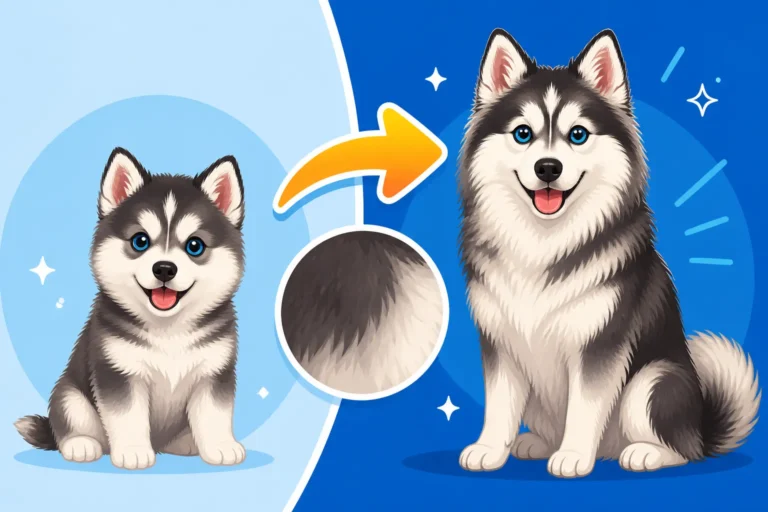
It's important to understand that a wooly coat isn't always immediately apparent in a young puppy. Often, a Pomsky puppy might look like it has a standard coat, but then as it matures over the first few months, the longer guard hairs start to grow out, revealing the wooly nature. This can sometimes lead to surprises for owners who expected a different coat type. If you’re trying to predict your puppy’s adult look, knowing Whether a Pomsky Puppy's Fluff Predicts the Adult Coat can be helpful. Because of this developmental aspect, breeders might offer estimates based on parental coats and early puppy fluff, but true wooliness might only become definitive later on. Even within a single litter, you can see a range of coat types, from standard to wooly, depending on the specific genetic combination each puppy inherited.
Living with a Wooly Pomsky: Appearance and Practicalities
While the aesthetic appeal of a wooly Pomsky is undeniable, embracing this magnificent coat comes with its own set of practical considerations. It’s a commitment, but one that many owners find incredibly rewarding.
Aesthetic Characteristics and Variations
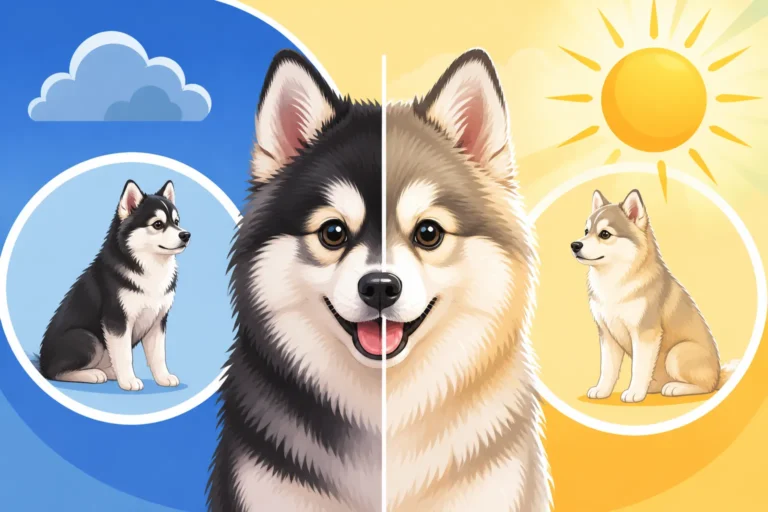
The long, flowing locks of a wooly Pomsky truly enhance their visual appeal, making them stand out in a crowd. The different color patterns inherent in Pomskies become even more striking with a wooly coat. For example, a black and white wooly Pomsky might have a more dramatic contrast, with the longer guard hairs emphasizing the transition between colors. A red Pomsky's coat can appear even richer and deeper, while a sable might showcase a more intricate tapestry of shades due to the varied lengths of hair. Even subtle markings, like a classic Husky mask, can appear softer and more integrated into the overall fluffiness.
The "pantaloons" or "skirts" on their hind legs often sweep the ground, adding a regal flourish, and the majestic ruff around their neck frames their face beautifully. Their tails are not just curled over their back, but often resemble a giant, feathery plume, waving like a banner. While the general face shape and ear set (upright or flopped) are determined by other genes, the wooly coat invariably softens their features, giving them that irresistible, cuddly look. People often stop and stare, commenting on their stunning appearance, which is a testament to the captivating nature of this particular coat type.
The Grooming Reality of a Wooly Coat
Here’s where the rubber meets the road. A wooly Pomsky is not for the faint of heart when it comes to grooming. The very characteristics that make the coat so beautiful—its length, softness, and density—also make it incredibly prone to matting and tangles. Imagine fine cotton wool being constantly rubbed together; that's what can happen if a wooly coat isn't diligently maintained. These mats can quickly become tight, pulling on the skin, causing pain, and creating a breeding ground for skin infections if left unchecked. You might want to understand Whether a Wooly Pomsky Mats to prepare yourself.
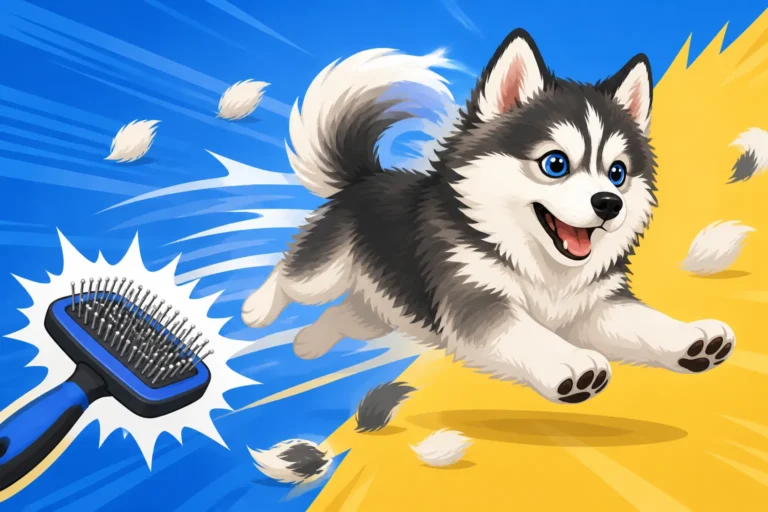
Therefore, daily brushing is not just recommended, it's often essential. This isn't a quick once-over; it requires thorough, systematic brushing, often using several tools. An undercoat rake is indispensable for reaching deep into the dense undercoat and removing loose hair before it forms mats. A good quality slicker brush will help detangle the longer guard hairs and smooth the outer coat, while a metal comb is crucial for checking for mats in sensitive areas like behind the ears, armpits, and groin. Brands like Chewy and Amazon offer a wide array of these tools, so you can find what works best for you and your dog. Regular baths are also important, but a wooly coat must be dried completely, right down to the skin, to prevent moisture-related skin issues like hot spots. A high-velocity force dryer, as opposed to a human hairdryer, is a game-changer for this task, as it blasts water and loose undercoat out efficiently. You can find excellent options on Amazon.
Many owners of wooly Pomskies opt for professional grooming every 4-8 weeks to keep the coat in top condition. Groomers have the tools, expertise, and drying equipment to handle such a demanding coat. They can also perform sanitary trims and keep paw pads clear of excess fur. The golden rule, however, remains: never shave a double-coated dog, especially a wooly Pomsky. Shaving can permanently damage the intricate structure of the double coat, hindering its ability to regulate temperature and making it grow back incorrectly, often coarser and more prone to matting. To learn more about this, check out Why a Pomsky Must Never Be Shaved.
| Coat Type | Appearance | Grooming Needs | Shedding Level |
|---|---|---|---|
| Standard/Plush | Dense double coat; guard hairs lie relatively flat; distinct outline; moderate feathering. | Regular brushing (2-3 times/week, daily during blowouts) with undercoat rake and slicker brush. Professional grooming every 2-3 months for maintenance. | Moderate to heavy year-round, intense during seasonal blowouts. |
| Short Coated | Shorter double coat; sleek appearance; less overall volume; minimal feathering. | Weekly brushing with a slicker brush or bristle brush. Less prone to matting. Professional grooming occasionally for nail trims and baths. | Moderate, but hair is shorter and less noticeable. |
| Wooly | Significantly longer, softer, fluffier guard hairs; exaggerated ruff, pantaloons, tail plume; plush, teddy bear look. | Daily, thorough brushing with undercoat rake, slicker brush, and metal comb is crucial to prevent matting. Regular professional grooming (every 4-8 weeks) highly recommended. High-velocity dryer essential after baths for complete drying. Prone to mats in high-friction areas. | Heavy year-round, extremely intense during seasonal blowouts due to volume. |
Expectations vs. Reality: Is the Wooly Pomsky for You?
The allure of a wooly Pomsky is powerful, and it's easy to fall in love with their fluffy appearance. However, it's crucial to align those dreamy expectations with the practical realities of owning and caring for such a magnificent coat.
The "Fluffy" Appeal vs. the Work Involved
There's no denying that a wooly Pomsky is incredibly cute. Their plush, teddy-bear appearance makes them instant magnets for attention and affection. This "fluffy factor" is a huge draw for many prospective owners, and it's certainly a joy to have such a beautiful companion. However, that undeniable charm comes with a significant, ongoing commitment. The beauty of a wooly coat is not maintenance-free; it's the direct result of diligent grooming.
If you're considering a wooly Pomsky, you need to be honest with yourself about the time and effort you're willing and able to invest in their grooming. Are you prepared for daily brushing sessions that can last 20-30 minutes? Can you commit to regular professional grooming appointments, which can add up in cost? Do you have the right tools, like a good quality undercoat rake and force dryer, or are you ready to invest in them? The reality is that without consistent care, that beautiful wooly coat can quickly become a matted, uncomfortable mess, which isn't fair to the dog. It’s a lot of work, but for those who commit, the reward is a stunning, healthy, and happy Pomsky.
Health Considerations and Misconceptions
When it comes to the wooly coat, it's generally an aesthetic trait rather than a direct health issue. A wooly Pomsky isn't inherently healthier or unhealthier than a standard-coated one. The primary concerns associated with the wooly coat are related to grooming. The dense, long nature of the coat means it can trap moisture more easily, which, if not properly dried, can lead to skin irritation or hot spots. This is why thorough drying after baths, often using a high-velocity dryer (many great options are available from retailers like Chewy or Amazon), is critical. You can learn more about this by reading Drying a Pomsky to the Skin.
It's also a misconception that a wooly coat provides better insulation or protection than a standard double coat. Both coat types are designed to regulate temperature. In fact, a matted wooly coat can actually hinder proper airflow and insulation, making it harder for the dog to cool down in warm weather or stay warm if the matting is severe. Good breeders will focus on overall health regardless of coat type, ensuring their breeding dogs are screened for genetic conditions common to Huskies and Pomeranians. Factors like generation, such as Whether an F1 Pomsky Is Healthier Than an F2, are often more relevant to overall health predictions than coat type alone. Ultimately, a wooly coat is a breathtaking feature, but it demands an equally breathtaking level of dedication to its upkeep to ensure your Pomsky remains comfortable, healthy, and looking their absolute best.
Disclaimer
This article is for general informational purposes only and does not constitute professional advice. Laws, prices and regulations vary by location and change over time. Consult a qualified professional for guidance on your specific situation.