Whether a Gray Pomsky Lightens
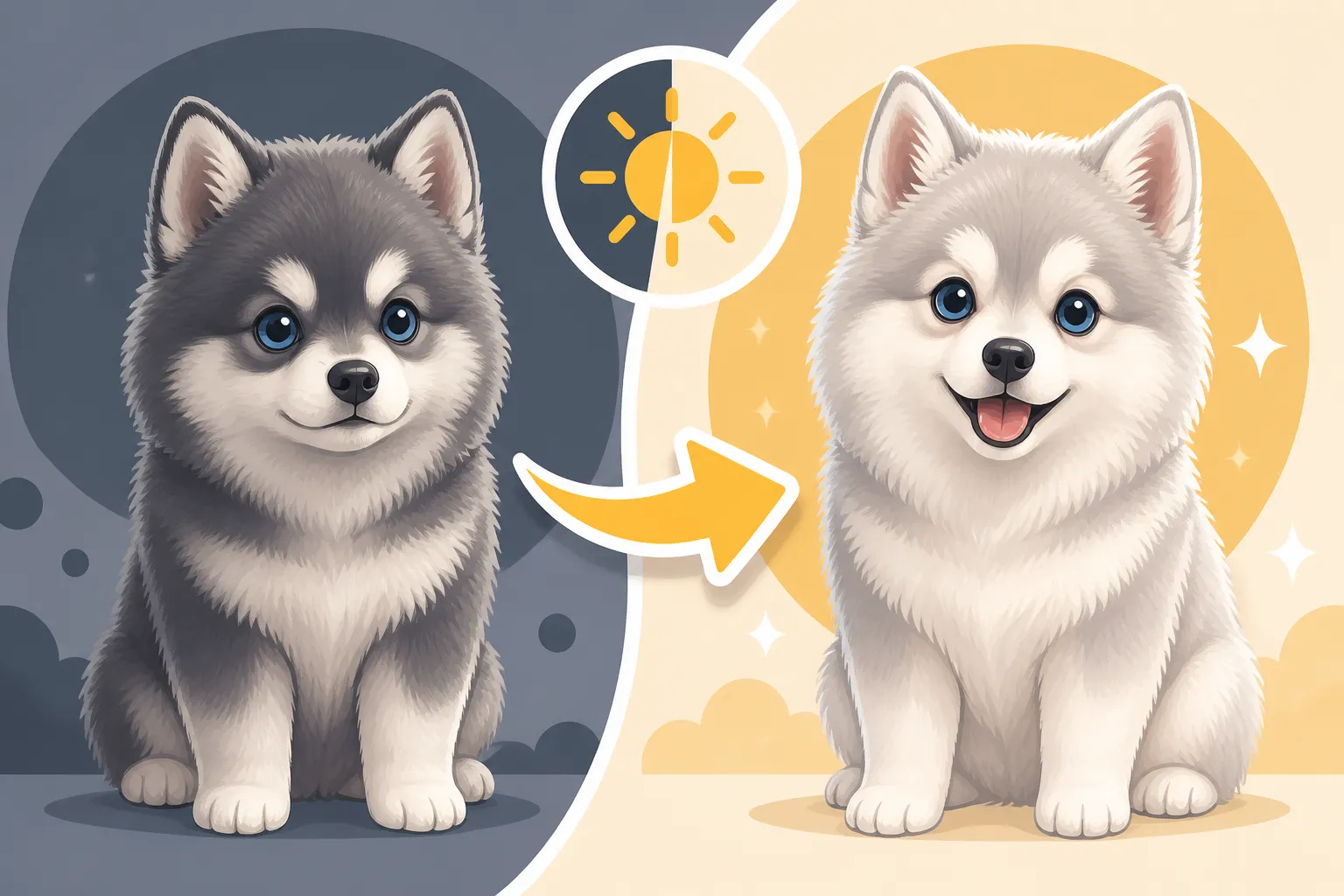
It’s a common question that pops into the minds of many Pomsky owners, especially as their adorable fluff balls transition from gangly puppies to magnificent adults: will my gray Pomsky's coat lighten? That striking charcoal or silver-gray you fell in love with as a puppy can sometimes undergo a surprising transformation. This guide is here to unravel the mysteries behind Pomsky coat color changes, especially for our gorgeous gray pups, helping you understand what to expect and how to care for their evolving hues.
Understanding Pomsky Coat Genetics and Color Changes
Pomskies are a fascinating blend of Siberian Husky and Pomeranian, and their coat colors are a beautiful testament to this diverse genetic lineage. When it comes to gray, there's a lot more going on beneath the surface than just a single shade. It's a spectrum, often with complex patterns and underlying factors that contribute to how it appears and how it might change over time.
The Husky Influence on Gray Coats
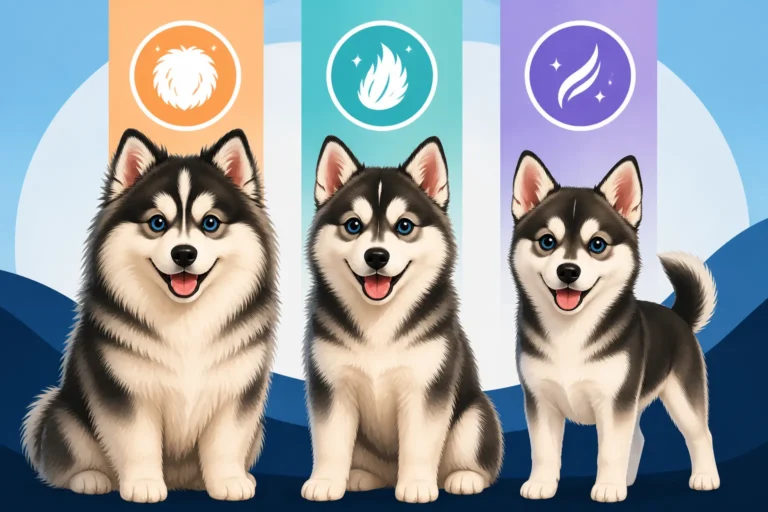
The Siberian Husky is renowned for its stunning gray coats, which can range from a deep, rich charcoal to a pale, almost silvery hue. These grays often come with striking white markings, creating that classic Husky look many Pomsky owners adore. The genetics for these gray shades are quite strong, and they're typically what you see manifesting in a gray Pomsky. However, even within Huskies, their gray coats aren't always static. They can have a "wolf gray" which is a mix of black, gray, and tan, or a more solid silver.
What many people don't realize is that some Husky gray coats are actually dilutions of black, or they can be the result of a "grizzle" or "agouti" pattern which causes hairs to be banded with different colors. This genetic complexity means that a puppy might start with a darker, more intense gray, but as their adult guard hairs come in and replace the softer puppy fluff, the overall appearance can shift. You might notice subtle banding become more apparent, or a general softening of the color, leading to a lighter look. It's not uncommon for those early, solid-looking gray puppy coats to reveal more depth and variation as the dog matures.
The Pomeranian Contribution to Color Dynamics
While Pomeranians are known for their vibrant oranges, reds, and creams, they also come in various shades of black, blue, and sables. These colors, and the genes that control them, also play a subtle role in a Pomsky's final coat presentation. Even if your Pomsky is primarily Husky-coded for a gray coat, the Pomeranian side can introduce modifiers or diluters that affect the richness, depth, or even the eventual lightening of that gray.
For example, a Pomeranian ancestor might carry a dilution gene that, when combined with Husky gray genetics, could result in a lighter, ashier gray over time. Or, if a Pomeranian ancestor had a sable pattern (where individual hairs are banded with different colors, often darker at the tip), this could influence how a gray Pomsky's coat develops, making it appear to lighten as the darker tips wear off or new hairs grow in with a different banding ratio. While the dramatic coat type might lean towards the Husky, as discussed in The Pomsky That Carries a Husky Coat at Twenty Pounds, the specific shade can be a more nuanced interplay between both parent breeds. This genetic roulette is part of what makes Pomskies so unique, and also why predicting their exact adult color can be tricky!
Puppy Coat vs. Adult Coat: The "Ugly Phase"
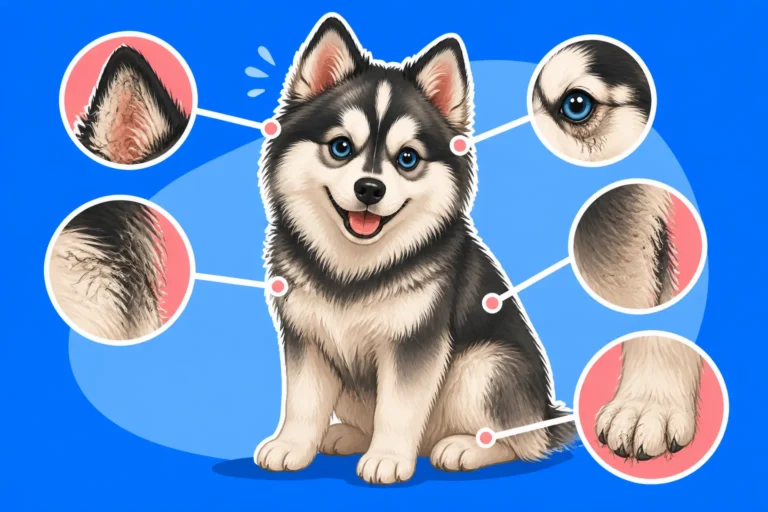
Ah, the "ugly phase" – it's a rite of passage for many double-coated breeds, and Pomskies are no exception! This term, while a bit harsh, perfectly describes the period when a Pomsky puppy sheds its soft, fluffy puppy coat to make way for its more dense, weather-resistant adult double coat. This transition usually starts around 4-6 months of age and can continue for several months. During this time, your gray Pomsky might look a bit disheveled, patchy, and yes, sometimes the color seems to be all over the place.
The puppy coat often appears uniformly darker or more intensely colored than the adult coat that replaces it. As the coarser, stiffer guard hairs grow in, they can have a slightly different pigment distribution or light-reflecting quality, making the overall coat appear lighter or different in tone. It's a perfectly normal developmental stage, and often, the glorious adult coat that emerges is well worth the wait. This phenomenon is closely related to Whether a Pomsky Puppy's Fluff Predicts the Adult Coat, where we dive deeper into those early coat indicators. So, if your gray Pomsky puppy seems to be lightening during this phase, it's likely just part of their natural growth and maturation process as their adult coat establishes itself.
Common Reasons a Gray Pomsky's Coat Might Lighten
Beyond the natural transition from puppy to adult coat, there are several other factors that can cause a gray Pomsky's coat to lighten throughout their life. Understanding these can help you better care for your pup and know what to expect.
Fading Over Time Due to Sun Exposure
Just like our hair can get sun-bleached in the summer, a Pomsky's coat is susceptible to the sun's powerful rays. This is particularly true for darker pigments. A rich, dark gray coat, especially one with black guard hairs, can gradually lighten and take on a reddish or brownish tint if your Pomsky spends a lot of time outdoors in direct sunlight. The UV radiation breaks down the pigment in the hair shaft, leading to a faded appearance.
Think about a black car left in the sun versus one kept in the garage – the exposed car will dull and lighten over time. The same principle applies here. This fading is often most noticeable on the top of their back, shoulders, and around their head, which are the areas most exposed to sunlight. While a bit of sun is good for them, prolonged exposure can definitely alter their coat color. It's another reason why ensuring adequate shade and limiting extreme sun exposure during peak hours, especially for breeds with dense coats, is important for overall health and coat integrity.
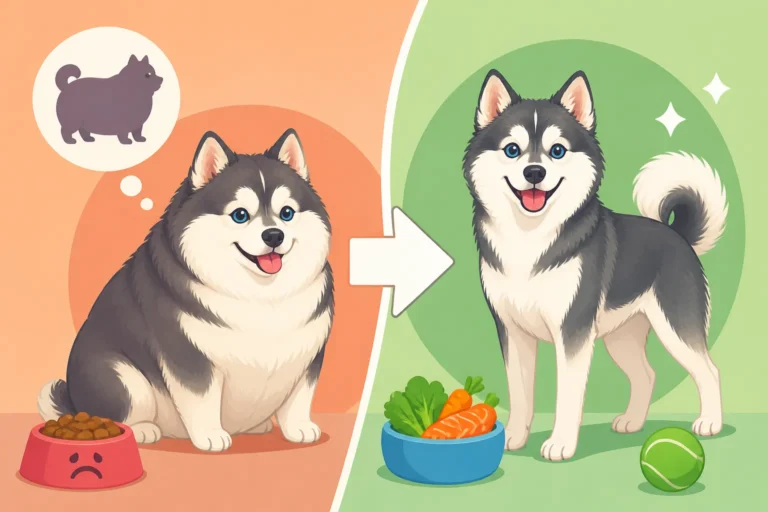
Nutritional Factors and Coat Health
A healthy coat is a direct reflection of a dog's overall health and nutrition. If your Pomsky's diet isn't providing all the essential nutrients, it can absolutely impact the quality, shine, and even the color of their fur. A dull, dry, or brittle coat is often a sign of nutritional deficiencies, and sometimes, this can manifest as a lightening or lack of vibrancy in their color. For instance, a diet lacking in essential fatty acids like Omega-3 and Omega-6 can lead to a less lustrous coat.
Zinc, in particular, is a crucial mineral for skin and coat health in dogs. Deficiencies can sometimes lead to dry, flaky skin and a dull, faded coat. Certain breeds, including Huskies (and therefore some Pomskies), can be prone to conditions like Zinc Responsive Dermatosis in a Pomsky, which can severely impact coat quality and color. High-quality dog food, whether it's kibble from brands available on Chewy or Amazon, or fresh food options like Ollie, typically provides a balanced nutrient profile. However, some dogs may have individual needs or absorption issues. If you notice your Pomsky's coat is lightening significantly and also looks unhealthy, a chat with your vet about their diet and potential supplements like fish oil or a good quality multivitamin (checking with your vet first, of course!) might be in order. Don't underestimate the power of good food for a vibrant coat!
Age-Related Lightening and Graying
Just like humans, dogs can "go gray" as they age. While this is most commonly seen as white hairs appearing around the muzzle and eyes, it can also manifest as a general lightening or salt-and-pepper effect throughout their body coat, including gray areas. An older Pomsky whose coat was once a deep, rich gray might start to look more silvery or faded as new white or lighter-pigmented hairs grow in.
This process is a natural part of aging and is simply a result of the pigment-producing cells (melanocytes) becoming less efficient over time. It's not a sign of poor health, but rather a charming indicator of their wisdom and years. If you're noticing this happening in an older Pomsky, it’s completely normal. The article What Changes in an Old Pomsky's Coat provides more insights into how a Pomsky's fur evolves as they reach their senior years. Embrace the distinguished look – it means they've been by your side for many wonderful years!
What to Expect: Predicting and Monitoring Your Gray Pomsky's Coat
While we can't always predict the exact shade your gray Pomsky will settle into, there are ways to observe and manage their coat's appearance. Being proactive with care can make a big difference.
Observing Puppy Coat Development
Watching your Pomsky puppy's coat develop is one of the joys of puppyhood. As mentioned, most puppies undergo a significant coat change from their fluffy baby fur to their denser adult coat. For gray Pomskies, this often means that the initial dark, soft gray can lighten or become more complex in pattern as the tougher guard hairs emerge. Pay attention to how the new growth appears, especially on their back and sides. You might notice the tips of new hairs are lighter, or that a subtle agouti pattern (bands of color on each hair shaft) becomes more pronounced.
It’s also helpful to look at photos of their parents, if possible. While genetics are complex, seeing the adult coats of the parent Huskies and Pomeranians can sometimes offer clues about the potential range of colors and coat textures your Pomsky might develop. However, even with parental guidance, remember that hybrid breeds like Pomskies can pull a surprise! What's most important is that the coat is healthy – shiny, full, and free of dryness or irritation, regardless of the exact shade. The journey from puppy fluff to adult glory is a unique one for every Pomsky.
The Impact of Grooming and Maintenance
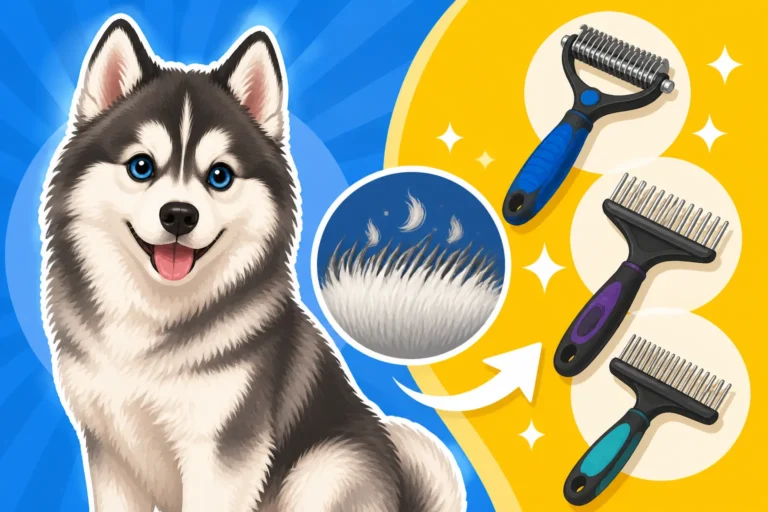
Proper grooming is absolutely critical for maintaining the health and appearance of a Pomsky's double coat, which directly impacts how its color presents. A matted, dirty, or unkempt coat can look duller and less vibrant than it truly is. Regular brushing, especially with the right tools like an undercoat rake (a Pomsky owner's best friend, as discussed in The Undercoat Rake a Pomsky Owner Lives With), helps remove dead undercoat and distributes natural oils, which can make the coat appear richer and shinier. During seasonal "blowouts," when they shed profusely, the appearance of their coat can change dramatically, sometimes looking lighter or patchier simply due to the sheer volume of shedding undercoat.
Furthermore, regular bathing, followed by thorough drying with a high-velocity dryer, ensures the coat is clean and fluffy. Leaving a Pomsky's dense undercoat damp can lead to skin issues and a dull coat. While a professional groomer can work wonders, even at-home care with the right tools from Amazon can greatly improve coat condition. Remember, for a double-coated breed like a Pomsky, shaving is a big no-no, as explained in Why a Pomsky Must Never Be Shaved, as it can permanently damage their ability to regulate temperature and even alter the texture and color of future coat growth. A well-maintained coat is often a vibrant coat, whatever its natural shade.
When to Consult Your Vet
While some coat lightening is entirely normal for gray Pomskies, particularly during the puppy-to-adult transition or as they age, there are instances where lightening accompanied by other symptoms warrants a veterinary visit. If you notice severe or rapid coat lightening, coupled with hair loss, thinning patches, dry or flaky skin, excessive itching, lethargy, or changes in appetite or behavior, it’s time to call your vet. These could be indicators of an underlying health issue.
Conditions like hypothyroidism (an underactive thyroid), certain skin infections, or more specific dermatological problems can sometimes manifest as changes in coat color or quality. Your vet can perform a physical examination, and possibly blood tests or skin scrapings, to rule out any medical causes. Early diagnosis and treatment can often prevent more serious complications and help restore your Pomsky's coat to its healthiest state. Never hesitate to seek professional advice if you have concerns about your Pomsky's health or unusual coat changes.
Here's a quick overview of factors that can influence your gray Pomsky's coat color:
| Factor | Potential Effect on Gray Coat | Timing / Period |
|---|---|---|
| Genetics (Puppy-Adult) | Puppy fluff replaced by adult guard hairs; lighter, banded appearance. | 4-12 months |
| Sun Exposure | Gradual lightening, reddish or brownish tint. | Throughout life, seasonal |
| Nutrition | Dullness, fading due to deficiencies; vibrancy with good diet. | Ongoing |
| Aging | General lightening, "salt-and-pepper" effect. | Senior years (8+ years) |
| Grooming | Dullness from poor care; vibrancy from proper brushing/bathing. | Ongoing |
| Health Issues | Rapid or severe lightening with other symptoms. | Any age |
Disclaimer
This article is for general informational purposes only and does not constitute professional advice. Laws, prices and regulations vary by location and change over time. Consult a qualified professional for guidance on your specific situation.