Whether a Shaved Pomsky Regrows Only Undercoat
It's a heartbreaking scenario many well-meaning Pomsky owners find themselves in: they notice their beloved fluffy companion seems hot in the summer, or maybe a groomer suggested a "summer cut," and before they know it, their beautiful double coat is shorn off. The real agony often begins months later when the fur starts to grow back, but it doesn't look or feel the same, leading to a frustrating and often permanent change where the luxurious guard hairs seem to have vanished, leaving only a dull, cottony undercoat. This guide is here to shed light on exactly why this happens, what it means for your Pomsky, and how to avoid this common but damaging mistake.
Understanding Your Pomsky's Unique Double Coat
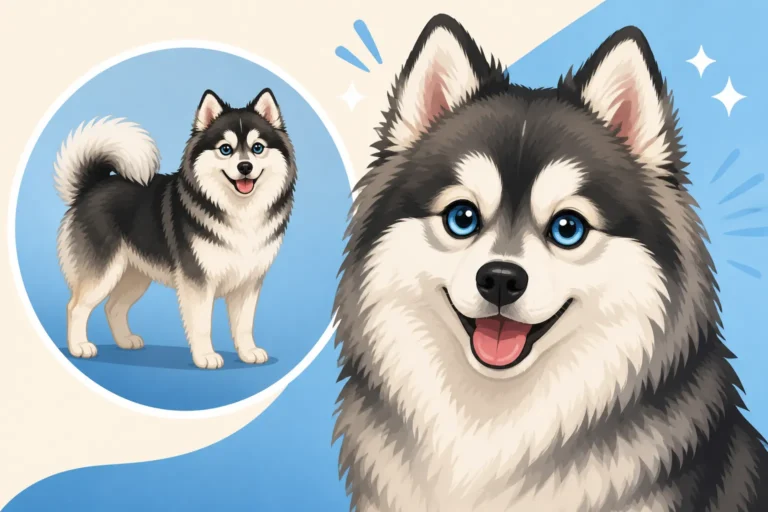
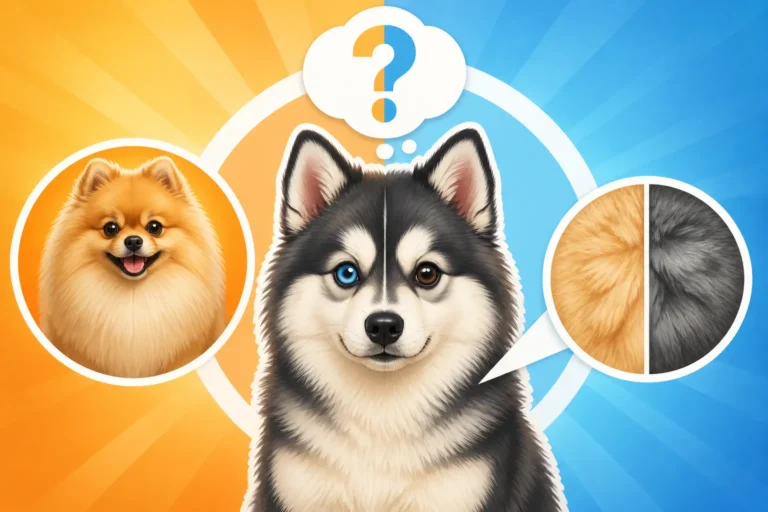
Before we dive into why shaving causes problems, it's crucial to understand the intricate design of your Pomsky's coat. They inherit this magnificent, practical feature from both their Siberian Husky and Pomeranian parents, and it's far more than just "fur" – it's a finely tuned insulation system. Imagine wearing a heavy winter coat, but then also having a lightweight, breathable jacket over it in summer; that's essentially how a double coat works.
The Protective Outer Guard Hairs
The outer layer of a Pomsky's coat consists of what we call guard hairs. These are typically longer, coarser, and often glossier hairs that give your Pomsky its distinct appearance and color. Think of them as the natural armor. They are designed to repel water, dirt, and UV rays, acting as a shield against the elements. If you run your hand over your Pomsky, these are the hairs you primarily feel. They are tough and designed for protection, standing up to the wear and tear of daily life.
These guard hairs also play a critical role in regulating body temperature. In cold weather, they create an insulating barrier by trapping warm air close to the skin. In warmer temperatures, they stand slightly away from the body, allowing air to circulate, which helps to dissipate heat. This natural ventilation system is incredibly efficient, much more so than a bare skin exposed to direct sun. Interrupting this layer can have serious consequences for your dog's comfort and health.
The Insulating Inner Undercoat
Beneath those strong guard hairs lies the soft, dense, fluffy undercoat. This is the true insulating layer, consisting of shorter, finer hairs that are incredibly effective at trapping air. In winter, this dense layer keeps your Pomsky warm, almost like a down blanket. You'll notice The Pomsky That Carries a Husky Coat at Twenty Pounds feels incredibly thick and plush, especially when they're in full winter attire.
During warmer months, the undercoat sheds out to varying degrees, becoming less dense to allow for better airflow and cooling. However, some undercoat always remains, providing a vital layer of insulation against heat. It's a common misconception that this undercoat makes them hot; in reality, it protects their skin from the sun's intense rays and helps maintain a stable body temperature by slowing the transfer of heat from the environment to their skin. It's an engineering marvel built right into your furry friend.
The Delicate Balance of a Double Coat
The guard hairs and undercoat work in tandem, creating a microclimate around your Pomsky's skin. This system is designed to keep them warm in winter and cool in summer, all while protecting their skin from sunburn, insect bites, and minor abrasions. It's a self-regulating system that humans often misunderstand, leading to decisions like shaving that, while seemingly helpful, can disrupt this natural balance permanently.
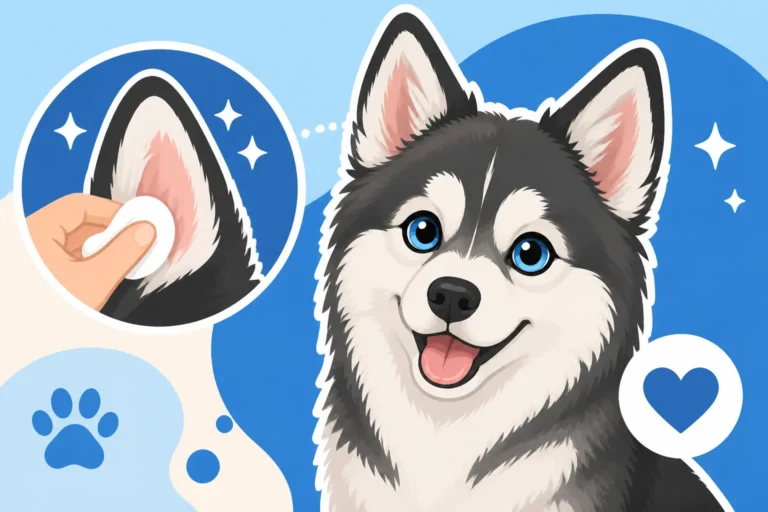
Maintaining this balance is key to a healthy and comfortable Pomsky. Regular grooming, especially during seasonal shedding, is what truly helps them manage their coat effectively. Brushing removes loose undercoat, allowing new, healthy hair to grow and preventing matting, which can trap heat and cause discomfort. It's about working with their coat, not against it.
The Harmful Impact of Shaving: Why Undercoat Dominates After a Clip
When a Pomsky, or any double-coated breed, is shaved, it's not just a haircut; it's a significant disruption to their natural physiological process. The biggest fear for owners is the coat growing back incorrectly, and unfortunately, this is a very real possibility, often resulting in a coat that is predominantly undercoat. This phenomenon is often referred to as "post-clipping alopecia" or simply "clipper alopecia."
The Trauma of the Clippers
Imagine a dense forest where all the tall, strong trees are suddenly cut down to ground level. The delicate ecosystem is thrown into chaos. That's a bit like what happens to a Pomsky's hair follicles when they're shaved. The clippers cut both the guard hairs and the undercoat indiscriminately, essentially "resetting" the growth cycle in a way it wasn't designed for. This can be a traumatic shock to the follicles.
Each hair follicle has its own growth cycle, and guard hairs and undercoat hairs have different cycles and growth rates. When both are forcibly cut short, the body's response can be to prioritize the growth of the softer, faster-growing undercoat hairs, while the slower-growing guard hairs struggle to restart or simply don't grow back with the same vigor. It's a biological hiccup that can throw the entire system out of whack.
Post-Clipping Alopecia: The Undercoat Takeover
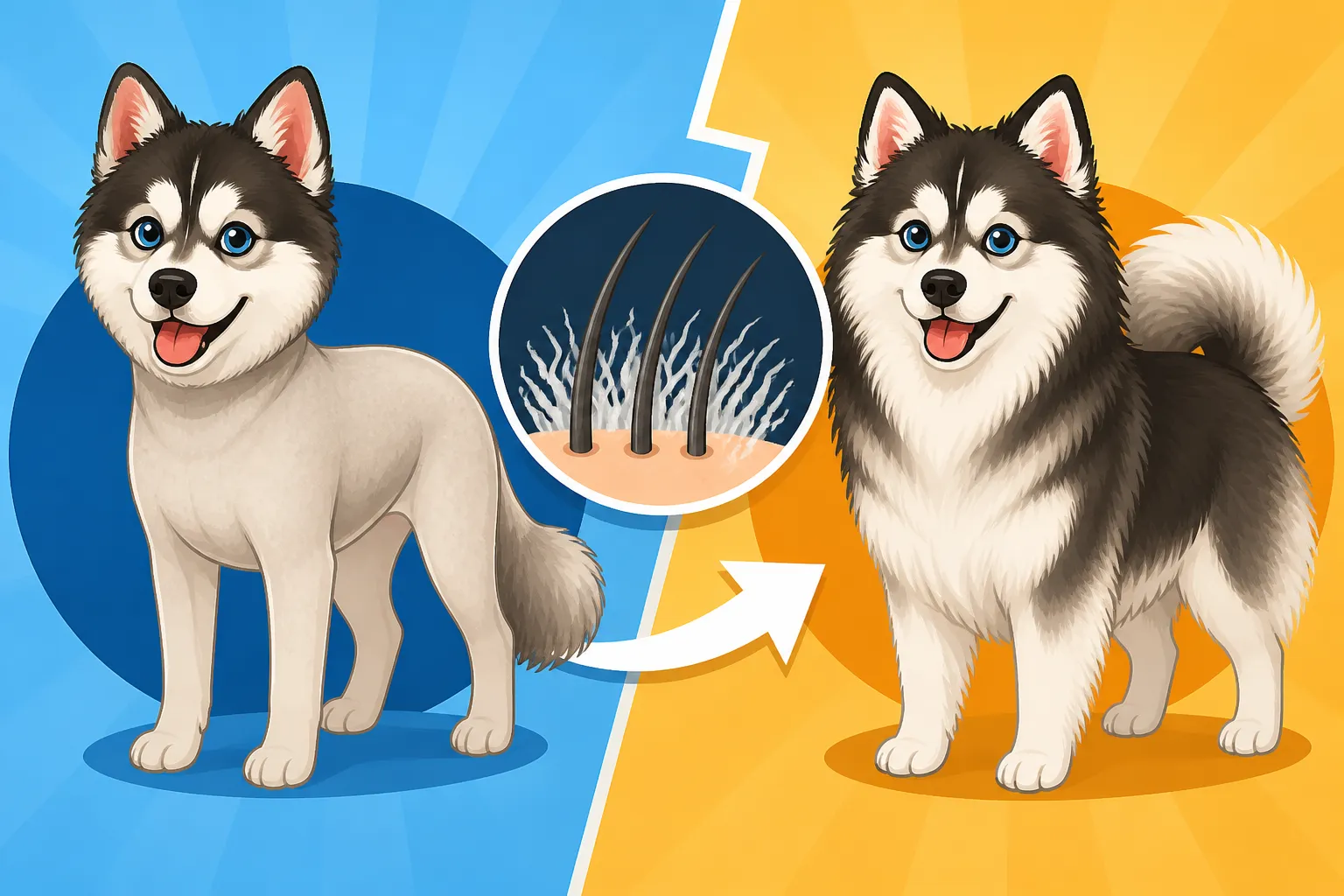
Post-clipping alopecia is a condition where, after being shaved, the hair grows back sparse, patchy, or with an altered texture, frequently resulting in a coat that is predominantly soft, cottony undercoat. The robust, protective guard hairs may fail to grow back at all, or they might grow back much more slowly and thinly, leaving the undercoat to become the dominant layer.
This happens because the guard hairs' follicles can be damaged or "shocked" by the shaving process. They essentially decide to take a much longer break or even cease production of their characteristic hair. Meanwhile, the undercoat follicles, which are designed for rapid, dense growth (especially during seasonal changes), spring back into action, often overproducing to compensate for the sudden lack of insulation and protection. The result is a coat that feels much softer, looks duller, and lacks the proper structure to function effectively.
The Uneven Comeback: Why Undercoat Outgrows Guard Hairs
So, your Pomsky has been shaved. Months pass, and you're eagerly awaiting that familiar fluffy, yet sleek, double coat to return. Instead, what often emerges is a fuzzy, cotton-like mess. This is precisely the issue: the undercoat often outgrows the guard hairs because the underlying follicles recover and produce hair at different rates, or the guard hair follicles simply don't recover fully.
The soft, downy undercoat doesn't have the same structural integrity as the guard hairs. It doesn't repel water, doesn't protect from the sun effectively, and can mat much more easily. Instead of the beautifully groomed appearance, you might end up with a Pomsky that looks perpetually shaggy, even when brushed. This change in coat texture can make future grooming a nightmare, as the cottony undercoat is more prone to tangles and knots. Whether a Shaved Pomsky Regrows Only Undercoat is a concern because it drastically alters their natural defenses.
The Health Implications of an Altered Coat
Beyond the aesthetic concerns, a shaved Pomsky with an undercoat-dominated regrowth faces significant health challenges. The natural purpose of that double coat is protection and regulation. Without the guard hairs, your Pomsky is essentially stripped of their natural defenses:
- Loss of Insulation: While seemingly counterintuitive, the double coat cools a dog by trapping air and creating a buffer from external heat. Without it, the sun beats directly on their skin, potentially making them hotter and more susceptible to heatstroke. Whether a Pomsky Tolerates Heat Worse Than a Husky is a valid question, and a shaved coat only exacerbates the problem.
- Sunburn Risk: Their skin, usually protected by a thick layer of fur, is now exposed to harmful UV rays. Just like humans, dogs can get sunburned, which can lead to pain, skin damage, and an increased risk of skin cancer.
- Increased Matting: The cottony undercoat, lacking the slickness and structure of guard hairs, becomes incredibly prone to matting. These mats can pull at the skin, causing discomfort, pain, and skin infections.
- Skin Irritations and Allergies: The exposed skin is more vulnerable to environmental irritants, allergens, and insect bites. What was once a protective barrier is now gone, leaving them more exposed.
This isn't just a minor cosmetic issue; it's a fundamental alteration to your Pomsky's natural defense system, which can impact their comfort and health for the rest of their lives.
The Long Road to Recovery (or Not)
Discovering your Pomsky's coat has grown back improperly after shaving can be incredibly distressing. You might wonder if it will ever return to its former glory. The reality is that the recovery process is often long, unpredictable, and sometimes, unfortunately, the coat never fully recovers its original texture and function.
Patience is a Virtue (Sometimes)
The first and most important thing to understand is that coat regrowth is incredibly slow. Hair follicles operate on their own timelines, and stimulating guard hair growth after a traumatic shave can take months, or even years. Some owners report seeing some improvement after 12-18 months, while others never see a full return to the original coat. It’s a waiting game, and unfortunately, there's no guarantee of a "full reset."
During this waiting period, it's crucial to be vigilant about your Pomsky's skin health. Keep an eye out for any redness, irritation, or signs of matting in the newly emerging undercoat. Daily gentle brushing can help stimulate blood flow to the skin and prevent tangles, but avoid anything harsh that could further irritate compromised follicles.
Professional Grooming Intervention
While a groomer might have been involved in the initial shave, a professional groomer who specializes in double-coated breeds can be your best friend during the recovery process. They understand the intricacies of these coats and can offer guidance and techniques to help encourage healthier regrowth. This isn't about cutting more hair; it's about strategic care.
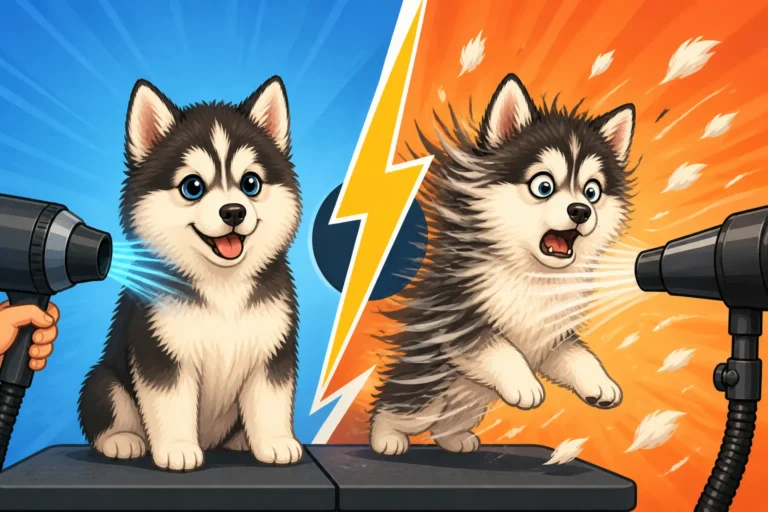
A knowledgeable groomer will often recommend a process called "deshedding" or "blowing out" the coat, rather than trimming. They use high-velocity dryers and specialized tools like undercoat rakes to gently remove the loose, dead undercoat without damaging the guard hairs. This helps to make room for healthier growth and prevent the undercoat from overwhelming the guard hairs. Look for groomers who explicitly state they do not shave double-coated breeds unless medically necessary.
Living with an Altered Coat
For some Pomskies, especially those with particularly sensitive skin or follicles, the coat may never fully recover. You might have to come to terms with your dog having a permanently altered coat – one that is softer, fuzzier, and requires more diligent maintenance to prevent matting. This can be a tough pill to swallow when you had visions of a magnificent, mini-husky coat.
If your Pomsky's coat remains compromised, you'll need to be extra diligent about protecting them from the elements. This might mean using dog-safe sunscreen on exposed areas during summer walks, or investing in cooling vests when temperatures rise. In winter, even with the undercoat, they might feel the cold more acutely than a dog with a fully functioning double coat, so a good quality dog coat for colder days could be a consideration. It's about adapting to their new reality and ensuring their continued comfort and health.
Better Alternatives to Shaving for a Cool and Healthy Pomsky
The good news is that there are many effective, safe ways to keep your Pomsky cool and comfortable without resorting to shaving their precious double coat. The key lies in understanding their natural physiology and working with their coat, not against it.
Regular Deshedding: The Real Solution
The absolute best thing you can do for your Pomsky's coat, especially during warmer months or heavy shedding seasons, is consistent and thorough deshedding. This involves removing the loose, dead undercoat that can trap heat, allowing the natural airflow and insulating properties of their double coat to function correctly. This process keeps them cooler, cleaner, and prevents matting.
You'll want to invest in the right tools. An undercoat rake is essential for reaching deep into the coat and pulling out dead fluff without cutting healthy hair. A good slicker brush can help after raking to smooth the guard hairs and remove any remaining loose fur. Many Pomsky owners swear by a high-velocity force dryer; these don't use heat but powerful air to "blow out" immense amounts of loose undercoat, especially during their seasonal "blowouts" How Often a Pomsky Needs a Blowout. You can find excellent deshedding tools and force dryers on platforms like Amazon or Chewy, which makes it easier to equip yourself for home grooming. Learning The Undercoat Rake a Pomsky Owner Lives With is a rite of passage for any double-coat owner.
Here's a quick comparison of shaving vs. deshedding:
| Feature | Shaving a Pomsky | Proper Deshedding |
|---|---|---|
| Primary Goal | Shorten hair for perceived cooling/aesthetics | Remove dead undercoat, maintain coat function |
| Impact on Coat | Cuts guard hairs & undercoat; disrupts follicles | Removes only loose undercoat; preserves guard hairs |
| Temperature Reg. | Impairs natural insulation; increases sunburn | Enhances natural insulation; protects skin |
| Regrowth Result | Risk of undercoat-only regrowth (alopecia) | Healthy, functional coat texture maintained |
| Skin Protection | Removes UV & physical barrier; increases risk | Maintains natural barrier against elements |
| Long-term Groom. | Can lead to matting, dull coat, more issues | Reduces matting, keeps coat healthy & manageable |
Hydration and Environmental Management
Beyond grooming, managing your Pomsky's environment is crucial for keeping them cool. Always ensure they have access to fresh, cool water, especially after exercise or on warm days. Consider adding ice cubes to their water bowl or using a pet-specific water fountain that encourages them to drink more.
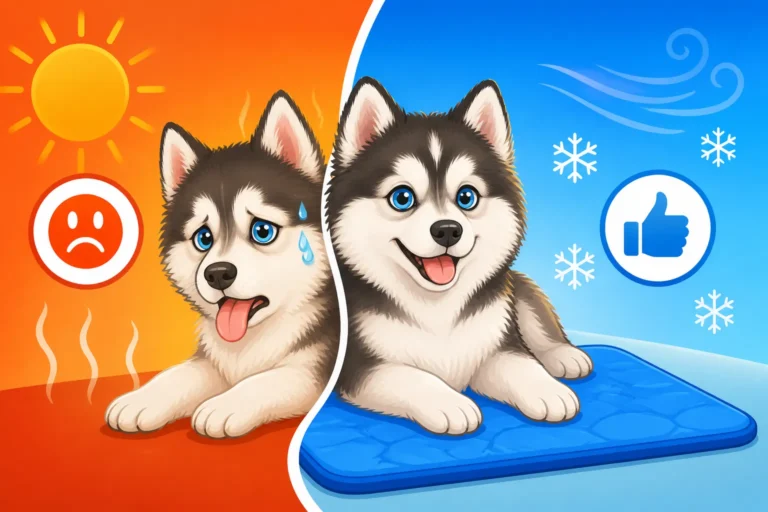
Indoors, air conditioning is your friend. On hot days, keep your home cool and provide cooling mats where they can lie down. Avoid walking your Pomsky during the hottest parts of the day; early mornings and late evenings are much safer. A quick test of the pavement with the back of your hand can tell you if it's too hot for their paw pads. Small dog pools or sprinklers in a shaded yard can also provide a fun way for them to cool down.
Diet for Coat Health
Believe it or not, your Pomsky's diet plays a significant role in the health and integrity of their coat. A well-balanced diet rich in essential fatty acids (like Omega-3 and Omega-6), vitamins, and minerals supports healthy skin and robust hair growth. Poor nutrition can lead to a dull, brittle coat and even exacerbate shedding or skin issues.
Look for high-quality dog foods that list real meat as the first ingredient. Brands like Ollie, which focus on fresh, human-grade ingredients, can provide excellent nutrition that reflects in a healthier coat. Sometimes, a veterinary-approved supplement, such as fish oil, can also boost coat health. Before adding any supplements, however, it's always wise to chat with your vet to ensure it's the right choice for your individual Pomsky. You might also want to look into What a Zinc Supplement Costs a Pomsky Owner if your vet suggests a deficiency. A healthy coat starts from the inside out.
Remember, your Pomsky's coat is a marvel of nature. With proper care and understanding, you can ensure they stay comfortable, healthy, and looking their best without ever having to reach for the clippers.
Disclaimer
This article is for general informational purposes only and does not constitute professional advice. Laws, prices and regulations vary by location and change over time. Consult a qualified professional for guidance on your specific situation.