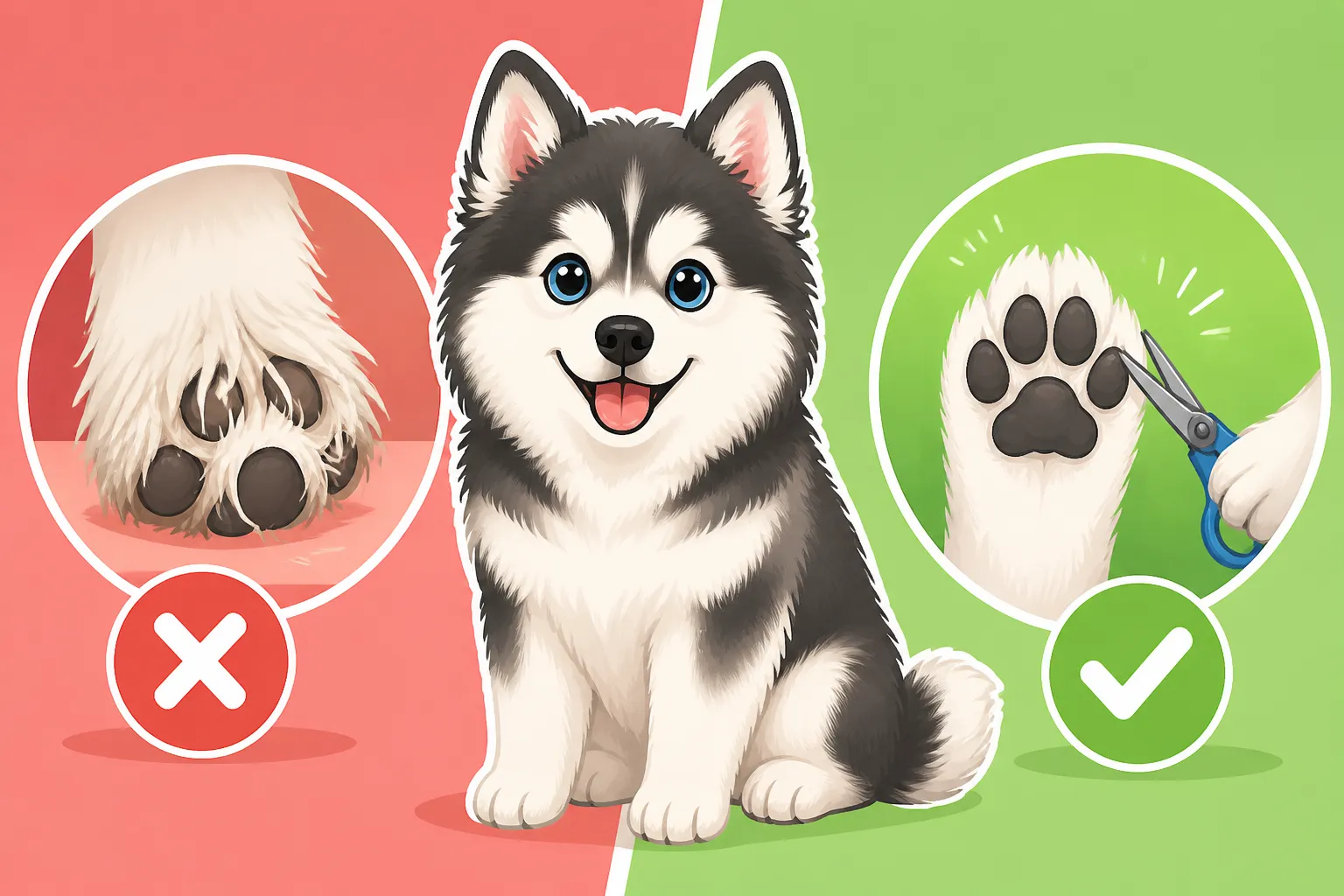
Whether a Pomsky Should Have Its Feet Trimmed
The pitter-patter of tiny paws is adorable until those tiny paws start slipping and sliding on your hardwood floors, tracking in every speck of dirt, or developing painful mats. As Pomsky owners, we adore their fluffy feet, but sometimes that beautiful fur can become more of a hindrance than a charm. This guide will walk you through everything you need to know about whether and how to trim the hair on your Pomsky's paws, ensuring their comfort, safety, and cleanliness.
Understanding the Pomsky's Unique Paws and Coat
Your Pomsky inherited some truly unique traits from their Husky and Pomeranian ancestors, and their coat, especially on their paws, is a perfect example. What looks cute and fluffy can sometimes lead to practical challenges in their daily life. Knowing how their coat grows and why it can become problematic is the first step in deciding on a grooming routine.
The Double Coat and Paw Hair Growth
Pomskies are known for their luxurious double coats, a trait passed down from both parent breeds. This dense, insulating coat isn't just for their body; it extends all the way down to their feet. You'll notice that the hair grows not only on top of their paws but also quite profusely between their paw pads. This interdigital hair serves a purpose in the wild, providing some insulation and protection, but in a domestic setting, it often causes more issues than benefits. The density can vary, with some Pomskies having thicker, more rapid growth than others, almost like little furry snowshoes.
This unique growth pattern means that while some dogs have naturally shorter paw hair, your Pomsky's might grow quite long and bushy, obscuring their actual paw pads. It’s not just a surface-level fluff; it’s a robust growth designed for colder climates and rougher terrains. However, when those paws are navigating sleek indoor flooring or urban environments, that natural design can become a bit of a liability, leading to a host of problems for both you and your furry friend.
Why Untrimmed Paw Hair Can Be a Problem
Long, untrimmed hair on your Pomsky's paws can create several frustrating and potentially unhealthy situations. It’s not just about aesthetics; it seriously impacts their comfort and well-being.
First off, let's talk about traction issues. Have you ever watched your Pomsky try to take off running across your kitchen tiles, only for them to do a frantic little dance as their paws slip out from under them? That long hair between their paw pads acts like tiny little skis, preventing their natural grip from engaging with smooth surfaces like hardwood, laminate, or tile. This isn't just amusing; it can lead to falls, muscle strains, or even more serious injuries, especially for active pups or those who might be predisposed to conditions like Slipping Kneecaps in a Pomsky. It's a common frustration for owners who want their dogs to move confidently and safely indoors.
Then there’s the sheer amount of dirt and debris they track into your home. Those long tufts of hair are like natural brooms, picking up every crumb, every dust bunny, every bit of mud, gravel, burr, or sticker from outside. After a walk, instead of wiping clean paw pads, you're trying to de-gunk matted, dirty hair. In winter, snow and ice can clump painfully between their toes. It feels like a never-ending battle to keep your floors clean, and it's frustrating to constantly be cleaning up after a quick trip outside. This constant accumulation can also introduce allergens or irritants directly into your home environment.
Finally, and perhaps most importantly, untrimmed paw hair is a magnet for matting and hygiene problems. The hair between the pads can quickly become matted, especially if it gets wet or collects debris. These mats can be incredibly painful, pulling at their skin with every step. Beyond the discomfort, matted hair traps moisture, creating a warm, damp environment that is perfect for bacterial or fungal infections. We're talking about things like yeast infections, or even Hot Spots Under a Pomsky's Undercoat if moisture gets trapped and irritates the skin. It can also make it nearly impossible for you to properly clean their feet or even notice a small cut or thorn that might be causing them pain. Their overall comfort is definitely compromised when they have to walk around on painful, matted clumps of hair.
The Benefits of Trimming Your Pomsky's Paw Hair
Now that we’ve covered the "why not," let's dive into the compelling reasons to keep your Pomsky's paw hair neatly trimmed. It's a proactive step that contributes significantly to their overall health, happiness, and your peace of mind.
Improved Traction and Safety
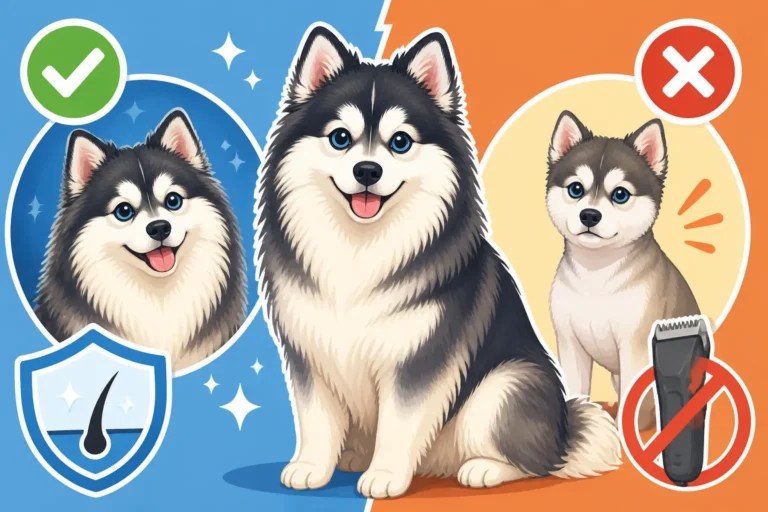
The most immediate and noticeable benefit of trimming your Pomsky's paw hair is a dramatic improvement in their traction and safety on various surfaces. When that excess hair is removed from between their paw pads, their natural paw pads can make direct contact with the ground. This provides the grip they need to confidently walk, run, and play without slipping. Imagine your Pomsky no longer sliding into the coffee table or doing the "ice-skater shuffle" across your kitchen floor – it’s a game-changer.
This improved stability is particularly crucial for several reasons. For young, energetic Pomskies, it prevents unnecessary slips that could lead to minor sprains or even more serious injuries as they’re romping around. For older Pomskies, who might already be experiencing some joint stiffness or conditions like arthritis, maintaining good paw pad traction reduces the strain on their joints and helps them move with more confidence and less pain. It truly helps them navigate their home environment with greater ease and significantly lowers the risk of accidental falls, making their daily life much safer and more comfortable.
Enhanced Cleanliness and Hygiene
Another huge benefit for both you and your Pomsky is the enhanced cleanliness and hygiene that comes with trimmed paw hair. As we discussed, long paw hair is a magnet for all sorts of outdoor nasties. When you trim that hair flush with the paw pads, there’s simply less surface area for dirt, mud, burrs, tiny rocks, and even sticky tree sap to cling to. This means significantly less tracking of debris into your home, reducing the constant battle against dirty floors and rugs.
Think about how much easier it becomes to wipe their paws after a rainy walk or a romp in the park. A quick swipe with a damp cloth is often all it takes when the hair is short. Beyond just reducing mess, proper paw grooming helps prevent painful matting between their toes, which can become breeding grounds for bacteria and yeast if moisture gets trapped. Keeping the hair short allows for better air circulation, keeping their paw pads drier and healthier. This drastically lowers the risk of skin irritations, infections, and even prevents nasty odors that can come from trapped moisture and grime. You'll also find it much easier to inspect their paw pads for any cuts, punctures, or embedded foreign objects that might otherwise be hidden by a tangle of fur, allowing you to address issues before they become serious problems.
Increased Comfort and Health
Ultimately, trimming your Pomsky’s paw hair isn’t just about convenience for you; it's profoundly about their increased comfort and long-term health. When their paw hair is maintained, you’re preventing the painful pulling and discomfort that comes from matted fur between their sensitive toes. Imagine having a pebble perpetually stuck in your shoe, or having your hair constantly tugged – that’s what severe matting can feel like for a dog. A clean trim ensures they can walk, stand, and play without any irritation.
Beyond immediate comfort, healthy paw pads are vital for their overall well-being. Trimming the hair allows their natural paw pads to be fully functional, offering the intended cushioning and sensory input for walking. It also helps in preventing overgrown nails from becoming an issue. When paw hair is long, it can obscure the nails, making it harder to see the quick (the sensitive blood vessel within the nail) and leading to hesitation during nail trims. By keeping the hair clear, How Often a Pomsky's Nails Need Cutting becomes a much safer and more straightforward task, preventing nails from growing too long and causing pain or gait problems. This routine care means fewer trips to the vet for paw issues and a happier, healthier Pomsky enjoying every step of their day.
How to Safely and Effectively Trim Your Pomsky's Paw Hair
Trimming your Pomsky’s paw hair might seem daunting at first, especially with their sensitive feet, but with the right tools and a patient approach, it’s a task you can absolutely master. Safety and positive reinforcement are key to making this a stress-free experience for both of you.
Essential Tools and Preparation
Before you even think about picking up a pair of shears, gather all your supplies and prepare your Pomsky for the session. Having everything at hand will make the process smoother and less stressful. You'll want to invest in some quality grooming tools.
First, consider blunt-nosed grooming shears. These are specifically designed for pet grooming and feature rounded tips to minimize the risk of accidental nicks or cuts, which is crucial when working around delicate paw pads. Avoid using regular household scissors, as they are too sharp and pointed for this task. You might also want to look into a small, quiet paw trimmer or clippers. These are often cordless and have very small blades, perfect for getting into the tight spaces between paw pads without startling your Pomsky with loud noises. Brands like Wahl or Andis offer good, quiet options for pet clippers that can be found easily on sites like Amazon or Chewy.
Next, you'll need a fine-toothed comb. This is indispensable for brushing out any tangles and lifting the hair away from the pads so you can see exactly what you're cutting. It helps you separate the hair from the skin, ensuring you only trim the fur. Finally, and perhaps most importantly, stock up on high-value treats. These will be your best friend for positive reinforcement. Think about something really special your Pomsky loves, perhaps some freeze-dried salmon or a bit of their favorite soft food, like the kind Ollie offers, which can be easily broken into small, frequent rewards. A calm environment, free from distractions, is also crucial. Choose a time when your Pomsky is relaxed and you're not rushed.
Step-by-Step Trimming Guide
Once you have your tools and your Pomsky is ready, follow these steps to safely trim their paw hair:
-
Gather Supplies and Set the Scene: Lay out all your tools on a non-slip surface within easy reach. Choose a quiet spot where your Pomsky feels comfortable. A raised table with a non-slip mat can be helpful if your dog is accustomed to it, but sitting on the floor with them works just as well. Make sure you have plenty of treats ready.
-
Get Your Pomsky Comfortable and Start Positive: This isn't a race. Begin by gently handling your Pomsky's paws, praising them and offering small treats for allowing you to touch their feet. Work on one paw at a time, making sure to keep the sessions short and positive. If they get anxious, take a break. The goal is for them to associate paw handling with good things.
-
Clean and Dry Paws: Before trimming, ensure your Pomsky's paws are clean and completely dry. Any moisture or dirt can make the hair difficult to cut and increase the risk of slips or nicks. If their paws are particularly muddy, a quick wash and thorough drying might be necessary.
-
Comb Out Hair: Using your fine-toothed comb, gently comb out the hair on the paw, pushing the hair up and away from the pads. This helps to separate the hair, reveal any hidden mats, and ensure you're not cutting skin. For the hair between the pads, comb it upwards from between the toes.
-
Trim Between Pads: This is the most critical part. Use your small, blunt-nosed scissors or paw clippers. Carefully, and with extreme caution, trim the hair that is growing between the paw pads. The aim is to trim it flush with the pads, so it no longer protrudes. Never cut into the actual paw pads. Always angle your scissors away from the pads and only take small snips. Be especially mindful of the webbing between their toes and the visible quick if you’re using shears. If using clippers, gently spread the pads to expose the hair and carefully glide the clippers over the fur. Go slowly, one toe at a time, constantly reinforcing with praise and treats.
-
Trim Around the Paw Edges: Once the hair between the pads is done, look at the hair growing around the outer edges of the paw. Trim any hair that extends beyond the paw itself, giving the paw a neat, tidy appearance. You want the paw to look like a compact, well-defined shape, no longer resembling a fluffy snowball.
-
Check for Mats and Finish Up: After trimming, run your fingers through their paw fur again to ensure there are no missed spots or small mats. If you find any, carefully tease them out or trim them. End the session with enthusiastic praise, a favorite treat, and perhaps some playtime. This reinforces the positive experience. Consider a bit of paw balm to soothe their pads if they seem sensitive, especially if they have been particularly dry.
When to Seek Professional Grooming Help
While many owners can successfully manage paw trims at home, there are definitely times when seeking professional help is the smarter and safer option. Don't feel like you've failed if you need to call in the experts – a good groomer is an invaluable resource for Pomsky parents.
If your Pomsky is particularly anxious or reactive when their feet are handled, a professional groomer can make a world of difference. They have specialized training, tools, and techniques to manage even the most wiggly or nervous dogs. They can work patiently to desensitize your Pomsky to the process, making future trims easier for everyone. They also have a good understanding of canine body language and can recognize signs of stress or discomfort you might miss. It's much better to have a professional handle it than to risk injuring your dog or making them more fearful of grooming at home.
Similarly, if you’re simply uncomfortable or unsure about trimming the hair yourself, especially the sensitive areas between the paw pads, a professional is your best bet. It’s not worth risking a painful cut or injury to your beloved pet. A groomer can not only perform the trim safely but can also show you how to do it properly, giving you tips and confidence for future at-home maintenance. Many groomers are happy to offer a "paw tidy" service, which is often a more affordable option than a full groom. What Grooming a Pomsky Costs a Year will give you an idea of the expense, but a paw trim alone is typically much less.
Finally, if your Pomsky has existing mats, skin issues, or any signs of infection on their paws, it's definitely time to see a professional, or even your vet first. Attempting to cut out tight mats can be incredibly painful and dangerous, as the skin can be pulled up into the mat. A groomer has the expertise to carefully and safely remove mats without hurting your dog. They can also advise on proper paw care if there are ongoing issues like excessive dryness or signs of irritation. Remember, a groomer can also assist with comprehensive deshedding services, which can include a thorough paw clean and trim as part of the package. What a Deshedding Treatment Costs on a Pomsky is an investment that can cover this specific paw care need.
Potential Downsides and Considerations
While the benefits of trimming your Pomsky's paw hair are clear, it's also important to be aware of the potential challenges and considerations involved. Going into it with realistic expectations will help you approach this grooming task thoughtfully and safely.
Risk of Injury
The most significant potential downside to trimming your Pomsky's paw hair, especially if you're doing it yourself, is the risk of injury. The paw pads are surprisingly sensitive, and the quick of the nail (the pink part containing nerves and blood vessels) extends quite far into the nail itself, making accidental nicks a real possibility. When you're dealing with long hair, it's easy for skin to get pulled up and mistaken for fur, leading to a painful cut if you're not careful.
Pomskies, with their sometimes independent and easily distracted nature, can also move unexpectedly. A sudden twitch or pull of the paw can result in an accidental snip even if you’re being cautious. A cut paw pad can bleed a lot and be very painful, potentially requiring veterinary attention and making your Pomsky fearful of future grooming sessions. It’s crucial to go slowly, use appropriate tools, and prioritize your dog’s comfort over speed. If you ever do nick them, apply direct pressure with a clean cloth, and if the bleeding is persistent or the cut seems deep, don't hesitate to contact your vet.
Coat Regrowth and Maintenance
Another consideration is that trimming your Pomsky's paw hair is not a one-time fix; it's an ongoing task that requires regular maintenance. Just like the hair on their body, the hair on their paws will continue to grow back. The rate of regrowth will vary from dog to dog, depending on genetics and individual hair growth cycles, but you can expect to need to trim their paw hair regularly.
For most Pomskies, this means a trim every four to eight weeks. If your dog has particularly fast-growing hair or spends a lot of time outdoors picking up debris, you might find yourself needing to do it more frequently. This commitment adds another task to your grooming routine, alongside tasks like Teaching a Pomsky to Be Brushed or using The Undercoat Rake a Pomsky Owner Lives With. While the actual trimming session might only take a few minutes once your Pomsky is accustomed to it, it’s a consistent responsibility you'll need to factor into your schedule to keep their paws in optimal condition.
Sensitivity and Stress for Your Pomsky
Finally, it’s important to acknowledge that not all Pomskies are thrilled about having their feet handled. Their paws are incredibly sensitive, and for some dogs, the sensation of clippers or scissors around their toes can be quite unsettling. This can lead to sensitivity and stress for your Pomsky during grooming sessions. You might encounter resistance, pulling away, or even some vocalizations if they are particularly uncomfortable.
This is why a gradual introduction and consistent positive reinforcement are so vital. Rushing the process or forcing your Pomsky to tolerate it will only increase their anxiety and make future grooming attempts even more challenging. It takes patience to build a positive association with paw handling and trimming. If you find your Pomsky is consistently distressed despite your best efforts, it's a strong indicator that professional grooming might be a better option for their well-being. A stressed Pomsky is not only unhappy but also more prone to accidental injury during grooming due to sudden movements.
| Feature | DIY Paw Hair Trimming | Professional Paw Hair Trimming |
|---|---|---|
| Cost | Low initial investment for tools; free ongoing labor | Recurring fee per session; can be part of a full groom |
| Convenience | Can be done anytime at home, on your schedule | Requires scheduling appointments and travel |
| Control | You control the pace, tools, and technique | Relies on groomer's expertise and methods |
| Risk of Injury | Higher if inexperienced or dog is uncooperative | Lower due to groomer's skill and experience |
| Equipment Needed | Blunt-nosed shears, paw clippers, comb, treats | Groomer provides all tools |
| Skill Required | Patience, steady hand, understanding of paw anatomy | Professional training and experience |
| Dog's Comfort | Highly dependent on dog's temperament and owner's approach | Groomers are trained to manage anxious dogs and ensure comfort |
| Additional Services | Focused solely on paw hair | Can be combined with nail trims, deshedding, full baths |
Disclaimer
This article is for general informational purposes only and does not constitute professional advice. Laws, prices and regulations vary by location and change over time. Consult a qualified professional for guidance on your specific situation.