The Temperature a Pomsky Starts Struggling At
It’s a common misconception that because Pomskies have Siberian Husky heritage, they’re automatically built to withstand scorching summer days with no problem. The truth is, that gorgeous double coat, combined with their often smaller stature from the Pomeranian side, makes them surprisingly vulnerable to heat, sometimes even more so than their larger Husky relatives. Many owners don't realize that their furry companion can start feeling uncomfortable and even struggle at temperatures that might seem perfectly fine to us. This guide aims to shed light on exactly what temperatures Pomskies begin to find challenging, why their unique physiology makes them susceptible, and how you can keep your beloved companion safe and comfortable when the mercury rises.
Understanding the Pomsky's Double Coat and Its Climate Legacy
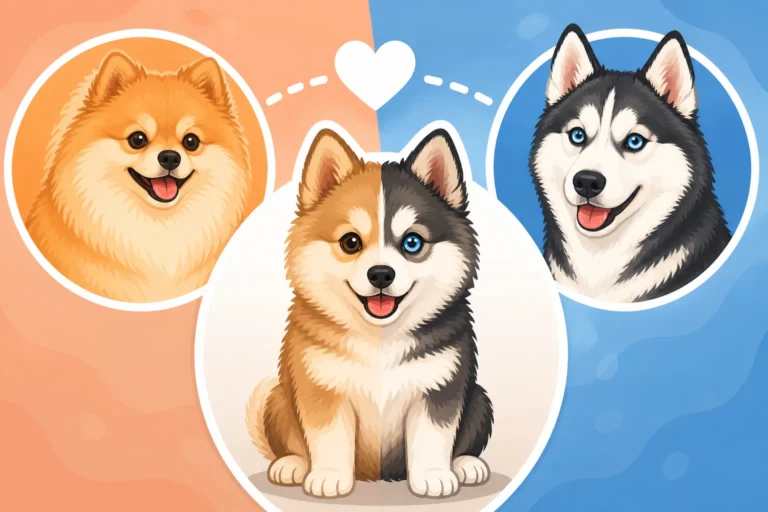
To truly grasp why a Pomsky can struggle in warmer weather, we need to dive into the genetics of their coat and body structure, inherited from both the Siberian Husky and the Pomeranian. It’s a beautiful combination, but one that comes with specific needs when it comes to temperature regulation.
The Husky Influence: Built for the Cold
The Siberian Husky, one of the Pomsky's parent breeds, hails from the harsh, cold climates of Siberia. They possess an incredibly dense double coat, consisting of a soft, insulating undercoat and a coarser, water-resistant outer coat. This design is paramount for trapping warm air close to their bodies and protecting them from frigid temperatures, snow, and ice. Their physical adaptations also include efficient panting mechanisms and the ability to conserve energy in cold conditions. When a Pomsky inherits this type of coat, especially a dense one, they carry a formidable winter wardrobe with them year-round. You'll often hear us talk about The Pomsky That Carries a Husky Coat at Twenty Pounds because their small size doesn't necessarily mean a thinner coat.
However, this fantastic cold-weather adaptation becomes a liability in heat. While the double coat does offer some insulation against heat penetration (acting like a thermos keeping things cool inside), it primarily functions to trap heat. Without proper management, the heat they generate internally from exercise or just existing can quickly become trapped, leading to a dangerous rise in body temperature. They can't just shed off this insulation like we can take off a sweater.
The Pomeranian Influence: Adaptability, But Not to Extreme Heat
The Pomeranian side, while also double-coated, is a smaller breed. Their coat, while fluffy and dense, is generally not as extreme as a Husky's, though some Pomskies can inherit a very thick, "wooly" coat. Pomeranians are more adaptable to various climates due to their smaller size, which means a greater surface area to volume ratio, allowing them to dissipate heat a little more easily than a massive, thickly-coated breed.
Yet, this small size also has a downside. While smaller dogs might seem to handle heat better, they can also overheat quickly because their internal systems are working hard in a small package. If a Pomsky inherits a particularly "stand-off" Pomeranian-type coat, combined with a Husky-dense undercoat, it can still pose significant heat challenges. Furthermore, some Pomskies might inherit a slightly shorter snout, a trait sometimes seen in Pomeranians, which can impact their ability to pant efficiently and cool themselves.
The Double-Edged Sword of Insulation
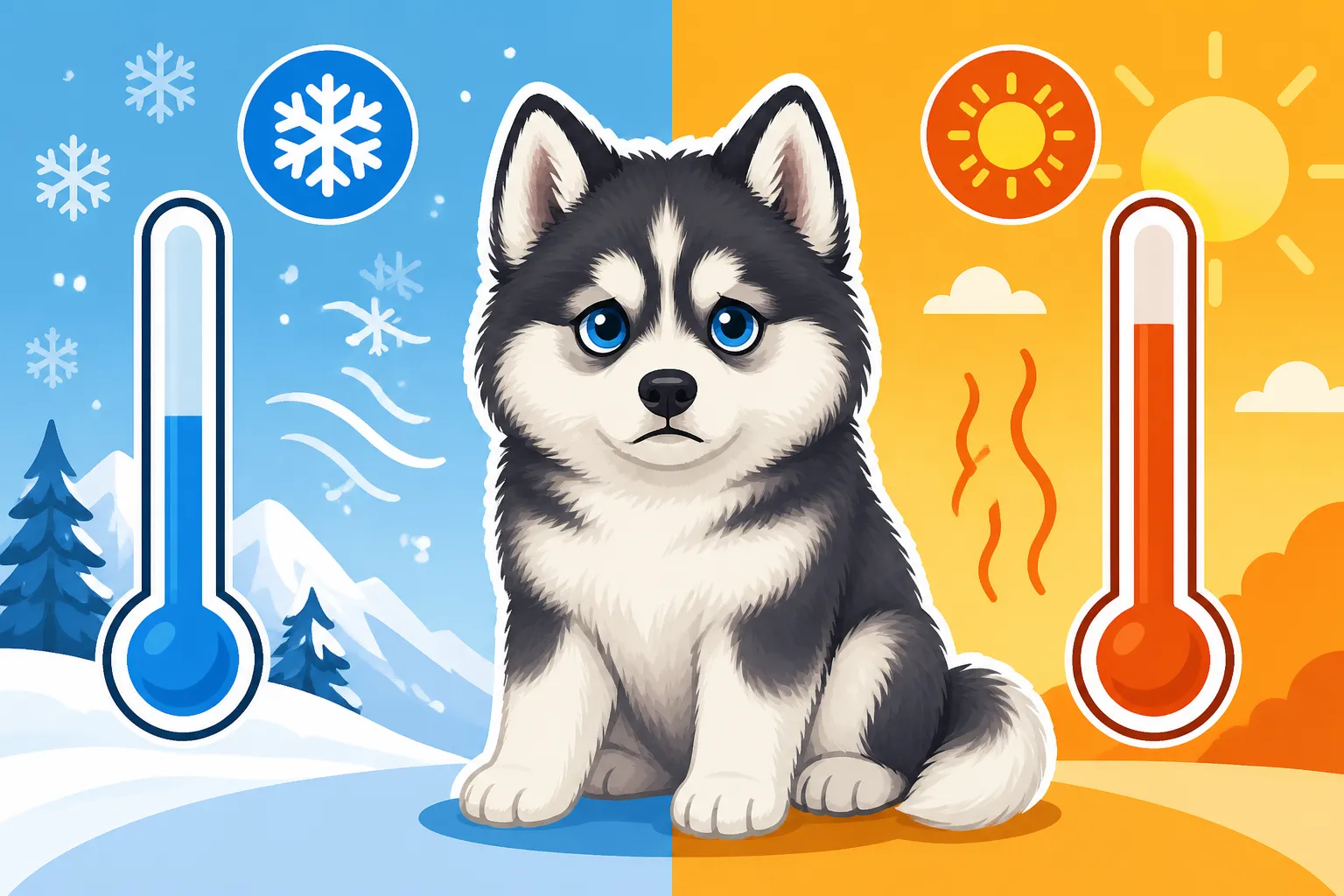
A Pomsky's double coat is truly a marvel of natural engineering, but it’s a double-edged sword when it comes to climate. In winter, it's their best friend, keeping them toasty warm even in freezing temperatures. But in summer, that same coat can quickly become a problem. It's not just about the ambient temperature; it's about how effectively they can release the heat their body generates.
Think of it this way: your Pomsky's coat is designed to keep a stable temperature inside their body, regardless of the outside. In cold, it traps warmth. In heat, it tries to keep the heat out, but if the heat inside the dog builds up, that same insulation keeps it trapped. This is precisely why shaving a Pomsky is never recommended Why a Pomsky Must Never Be Shaved, as it actually compromises their natural insulation and can lead to sunburn and improper coat regrowth, making them less efficient at regulating temperature in the long run.
Specific Temperature Thresholds for Pomskies
So, when does "warm" become "risky" for your Pomsky? There isn't a hard and fast rule for every single dog, as individual factors play a huge role, but we can establish some general guidelines.
When "Warm" Becomes "Risky"
For many Pomskies, especially those with denser coats, you should start exercising caution when temperatures reach the 70-75°F (21-24°C) range. This might not sound hot to a human, but for a dog wearing a permanent winter coat, it's significant.
- At 70-75°F (21-24°C): This is the threshold where vigilance becomes key. If your Pomsky is going to be exercising, playing vigorously, or spending extended time outdoors, you need to be actively monitoring them. Walks should be shorter, and strenuous play should be limited or moved indoors. Always ensure access to fresh, cool water and shade. What might be a brisk walk for you could be pushing your Pomsky towards overheating if they're not used to it or if humidity is high.
Danger Zone: What Temperatures Are Too Hot?
Once the temperature climbs above 80°F (27°C), you're entering the danger zone for most Pomskies, and 85°F (29°C) and above should be considered extremely risky. At these temperatures, the risk of heatstroke increases dramatically, particularly if humidity is also high.
- 80-85°F (27-29°C): Outdoor exercise should be minimal, if at all, and restricted to the very early morning or late evening. Even short potty breaks require careful supervision. Avoid direct sun exposure entirely. Tiled floors, air conditioning, and cooling mats become essential indoors.
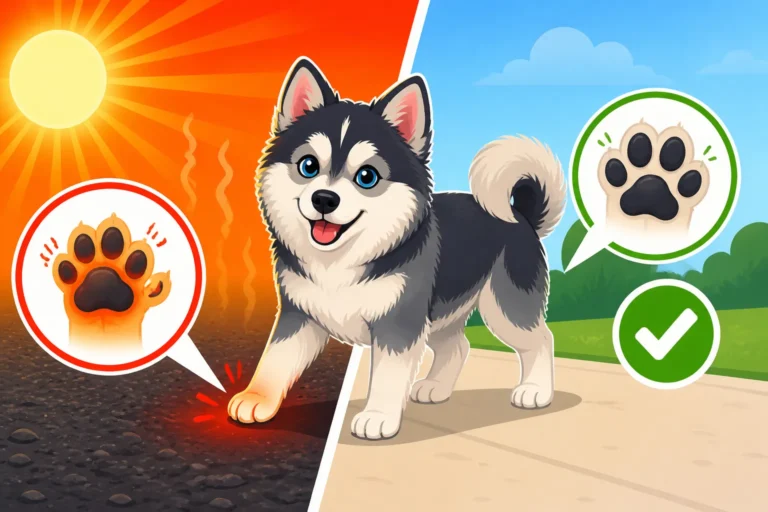
- Above 85°F (29°C): This is critical territory. Most Pomskies should not be outside for more than a few minutes for potty breaks. Exercise outdoors is a definite no-go. Keep them inside in a cool, air-conditioned environment. Remember, asphalt and pavement can be significantly hotter than the ambient air temperature, easily reaching 120-140°F (49-60°C), which can burn paws in seconds. Whether a Pomsky Overheats More Than a Husky is a valid question, and often, due to their size and potentially denser coat, they can indeed struggle even more, sometimes appearing fine until suddenly crashing.
Factors That Worsen Heat Risk
It’s not just the number on the thermometer; several other factors can drastically increase your Pomsky’s risk of overheating:
- Humidity: High humidity makes it much harder for dogs to cool themselves through panting because the evaporating moisture from their breath can't dissipate effectively. A humid 75°F can feel like an 85°F day to your dog.
- Exercise Level: A Pomsky lying still in the shade will fare better than one chasing a ball. Strenuous activity generates significant internal body heat, which then needs to be shed.
- Direct Sunlight: Sitting in direct sunlight, even on a moderately warm day, can quickly elevate their body temperature. Always provide ample shade.
- Individual Coat Density: Some Pomskies have a thinner, more Pomeranian-like coat, while others inherit the full, dense Husky undercoat. The latter will be more susceptible to heat.
- Age and Health Conditions: Very young puppies and senior Pomskies are generally less tolerant of heat. Dogs with pre-existing conditions like respiratory issues (such as The Collapsing Trachea a Pomsky Gets From the Pomeranian), heart disease, or obesity are at a much higher risk.
- Acclimatization: A Pomsky used to a cooler climate will struggle more than one that has gradually adapted to warmer weather (though their genetic predispositions still limit this adaptation).
Recognizing and Preventing Overheating in Your Pomsky
Being able to spot the signs of overheating early and having a plan to prevent it are crucial for any Pomsky owner. These dogs rely on us to keep them safe.
Signs Your Pomsky Is Struggling
It’s vital to know the warning signs. Your Pomsky can't tell you they're too hot, so you need to be their advocate. Look out for these indicators:
- Excessive Panting: This is usually the first sign. It will be much heavier and faster than normal, even when at rest.
- Lethargy or Weakness: They might seem unusually tired, reluctant to move, or stumble.
- Dark Red Gums: Healthy gums are pink. Overheating can cause them to become a very deep red or even purplish.
- Thick, Ropy Saliva or Excessive Drooling: This is a sign their body is struggling to cool down.
- Rapid Heart Rate: You might feel their heart beating much faster than usual.
- Vomiting or Diarrhea: These are serious signs of heatstroke.
- Wobbliness or Disorientation: They might appear confused, unsteady on their feet, or even collapse.
- Glassy Eyes: Their eyes may seem unfocused or distant.
If you observe any of these symptoms, especially multiple ones, act immediately. Don't wait for it to worsen. You can read more about Signs a Pomsky Is Overheating to be fully prepared.
Immediate Steps to Take if Overheating
If you suspect your Pomsky is overheating, every second counts.
- Move to a Cooler Location: Get them out of the sun and into the coolest spot possible – an air-conditioned room, a shady area, or even your car with the AC blasting.
- Apply Cool Water: Wet them down with cool (not ice cold) water. Focus on areas with good blood flow, like their belly, paws, and inner thighs. You can use a hose, wet towels, or even just pour water over them.
- Use Fans: Direct a fan onto their wet body to aid evaporative cooling.
- Offer Small Amounts of Water: Don't let them gulp huge amounts, as this can cause vomiting. Small, frequent sips are better. You could even offer ice chips to lick if they're interested.
- Seek Veterinary Attention Immediately: Even if your Pomsky seems to perk up, heatstroke can cause internal organ damage that isn't immediately visible. It is always safest to get them checked by a vet. Call ahead so they can be ready for your arrival.
Proactive Strategies for Hot Weather
Prevention is always better than cure. Here's how to keep your Pomsky safe during warmer months:
- Adjust Walk Times: Walk your Pomsky early in the morning or late in the evening when temperatures are cooler. When to Walk a Pomsky in Summer is not a suggestion, it's a rule for their safety. Avoid midday outings entirely.
- Provide Constant Hydration: Always have fresh, cool water available, both indoors and out. Consider adding ice cubes to their bowl. Portable water bottles are essential for walks. Many great options can be found on Amazon or Chewy.
- Limit Strenuous Exercise: On warm days, swap intense games of fetch for shorter, calmer activities indoors. Remember The Exercise a Pomsky Needs Every Day needs to be balanced with their safety in heat.
- Utilize Cooling Products: Cooling mats, elevated dog beds, and cooling bandanas can make a big difference. Many pet stores and online retailers offer a wide selection of these products.
- Never Leave in a Car: Even with windows cracked, a car's interior temperature can skyrocket in minutes, becoming lethal for a dog.
- Ensure Shade Outdoors: If your Pomsky spends any time outside, ensure they always have access to a shaded area.
- Keep Indoors with AC: If temperatures are high, keeping your Pomsky indoors in an air-conditioned environment is the safest option. For more on this, you might find our article on Whether a Pomsky Needs Air Conditioning helpful.
Living in Warmer Climates with a Pomsky
If you live in a region that experiences consistently warm or hot weather for much of the year, owning a Pomsky requires extra commitment and adjustments to your lifestyle. Whether a Pomsky Can Live in a Hot State is a common question, and the answer is yes, but it comes with a strong caveat: it demands proactive and constant management.
Adjusting Daily Routines
Your daily schedule will revolve around the temperature. Morning and evening hours become sacred for any outdoor activity. This might mean waking up before dawn for a decent walk or waiting until well after sunset. During the peak heat of the day, all activities should be moved indoors. This isn't just about walks; it includes potty breaks. If you have a yard, ensure there's sufficient shade, or be prepared to take your Pomsky out on a leash for quick trips only, supervising them closely.
Consider introducing indoor games or mental stimulation to burn energy when outdoor exercise is limited. Puzzle toys, training sessions, or even a game of hide-and-seek can keep their minds engaged and prevent boredom, which can lead to destructive behaviors.
The Importance of Indoor Environment
For a Pomsky in a hot climate, your home's indoor environment is their sanctuary. Air conditioning is not a luxury; it's a necessity. Keep your home cool, ideally below 75°F (24°C), and ensure cool spots like tiled floors are accessible. Fans can help circulate air and create a wind-chill effect, but they are not a substitute for AC in truly hot conditions.
Some owners also consider providing fresh, moisture-rich foods to help with hydration. Brands like Ollie offer fresh dog food options that can contribute to overall hydration, though they should never replace fresh water. When looking for gear like cooling mats or specialized water bowls, Chewy often has a great selection tailored to helping dogs beat the heat.
Debunking the "Shaving" Myth
I cannot stress this enough: never shave your Pomsky in an attempt to cool them down. This is a common, yet dangerous, misconception. While it might seem logical, shaving a double-coated breed actually detracts from their ability to regulate their body temperature.
Their double coat provides insulation not just against the cold, but also against the heat. It traps a layer of air that helps prevent external heat from reaching their skin. When you shave it off, you expose their sensitive skin to direct sunlight, risking sunburn, skin damage, and even skin cancer. Furthermore, the coat often grows back improperly, becoming coarse, patchy, and losing its insulating properties, potentially leading to a lifetime of grooming issues and further heat intolerance. Your Pomsky's coat is designed by nature to protect them; let it do its job, and focus on other cooling methods instead.
Here’s a quick comparison of factors affecting heat tolerance among related breeds:
| Feature | Pomeranian | Siberian Husky | Pomsky (General) |
|---|---|---|---|
| Size | Small (3-7 lbs) | Large (35-60 lbs) | Medium (10-35 lbs) |
| Coat Density | Double, less dense | Double, very dense | Double, variable density |
| Snout Length | Shorter, can be brachycephalic | Longer | Variable |
| Panting Efficiency | Moderate, can be reduced if very short-snouted | High | Variable |
| Ideal Temp. Range | Moderate to cool | Cold | Moderate to cool |
| Heat Risk Factors | Smaller body size, potential shorter snout | Dense coat, size | Dense coat, moderate size, variable snout |
Living with a Pomsky means being acutely aware of their needs, especially when it comes to climate. By understanding their unique physiology and implementing proactive measures, you can ensure your beautiful companion stays happy, healthy, and cool, no matter what the weather brings.
Disclaimer
This article is for general informational purposes only and does not constitute professional advice. Laws, prices and regulations vary by location and change over time. Consult a qualified professional for guidance on your specific situation.