Whether a Cooling Mat Helps a Pomsky
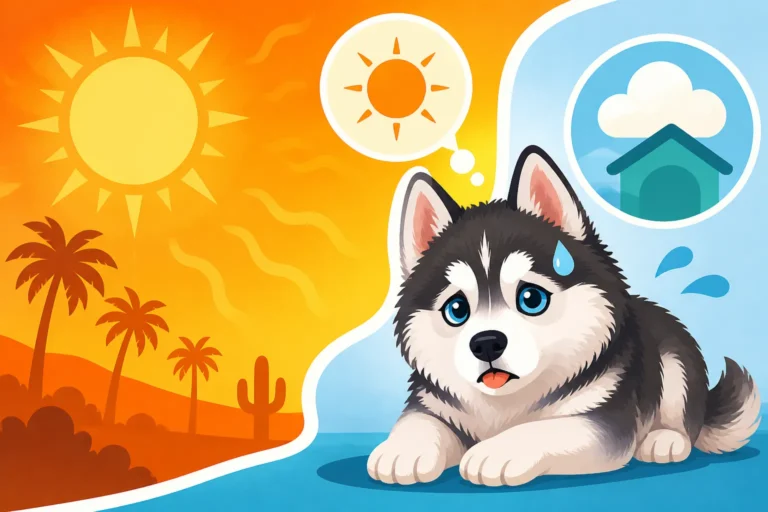
It's heartbreaking to see your fluffy Pomsky struggling when the temperatures start to climb. That thick, luxurious double coat that makes them so adorable in the winter can quickly become a heavy burden when summer hits, leaving them panting and seeking any cool spot they can find. If you've ever felt that pang of worry watching your little cloud of fur melt on a warm day, you've probably scoured the internet for solutions. One common recommendation is a cooling mat, and many Pomsky parents wonder if these simple devices actually provide meaningful relief for their heat-sensitive companions. This guide will dive deep into how cooling mats work, whether they're truly effective for a Pomsky, and how to choose and use one to keep your beloved pet comfortable and safe.
The Unavoidable Truth: Why Pomskies Struggle So Much in the Heat
Let's be real, a Pomsky is a beautiful blend of a Siberian Husky and a Pomeranian, and both breeds come from colder climates. Their magnificent double coats are designed to insulate them from harsh winter winds and snow, not to wick away heat in a humid summer. This isn't just about feeling a little warm; it's about a fundamental physiological challenge that can put your Pomsky at risk.
The Double Coat: A Blessing and a Curse
Your Pomsky's double coat is essentially a natural thermostat, but it's wired for cold. It consists of a soft, dense undercoat that provides warmth and a coarser, longer outer coat (guard hairs) that protects against elements like snow and rain. In winter, this traps a layer of warm air close to their body, keeping them toasty. In summer, however, if that undercoat isn't properly shed, it traps hot air, acting like a down comforter on a sweltering night. This is why you'll often see them spread out on a cool tile floor, belly to the ground, trying to displace some of that heat. You might even find yourself wondering if Whether a Pomsky Overheats More Than a Husky – and often, the answer is yes, given their smaller body mass and similar insulation.
This struggle is a common source of anxiety for Pomsky owners. You want your dog to be comfortable, but you also know that shaving them is a big no-no because it can ruin their coat's insulating properties and even lead to sunburn. Why a Pomsky Must Never Be Shaved is a crucial piece of knowledge for any Pomsky parent. So, without resorting to drastic measures, how do you provide relief? They can't just shed their entire winter wardrobe in one go, although they do try during their infamous "blowouts." Whether a Pomsky Blows Its Coat Twice a Year is a good read if you're wondering about that yearly fur-nado.
The Dangers of Overheating in a Pomsky
Beyond discomfort, overheating is a serious health risk for Pomskies. Unlike humans, dogs don't sweat efficiently through their skin. Their primary cooling mechanism is panting, which works by evaporating moisture from their tongue and respiratory tract. However, in high humidity or extreme heat, this process becomes less effective. Their smaller size can also mean they heat up faster.
If a Pomsky's body temperature rises too high, they can suffer from heatstroke, a medical emergency that can lead to organ damage, brain injury, and even death. Signs include excessive panting, drooling, lethargy, vomiting, diarrhea, and staggering. This isn't just a hypothetical scenario; it's a real and present danger for Pomsky owners in warmer climates. Understanding the severity of this issue drives many of us to seek out every possible tool to keep our dogs cool.
Unpacking Cooling Mats: How They Offer Relief for Your Pomsky
This brings us to cooling mats. These clever devices are designed to provide a localized cool spot, giving your Pomsky an immediate place to lower their body temperature. They're not a magical cure-all, but they can be a significant piece of your summer heat management strategy.
The Science Behind the Chill: Gel and Water Mats
The most common types of cooling mats fall into two categories: gel-based and water-filled.
Gel-Based Cooling Mats
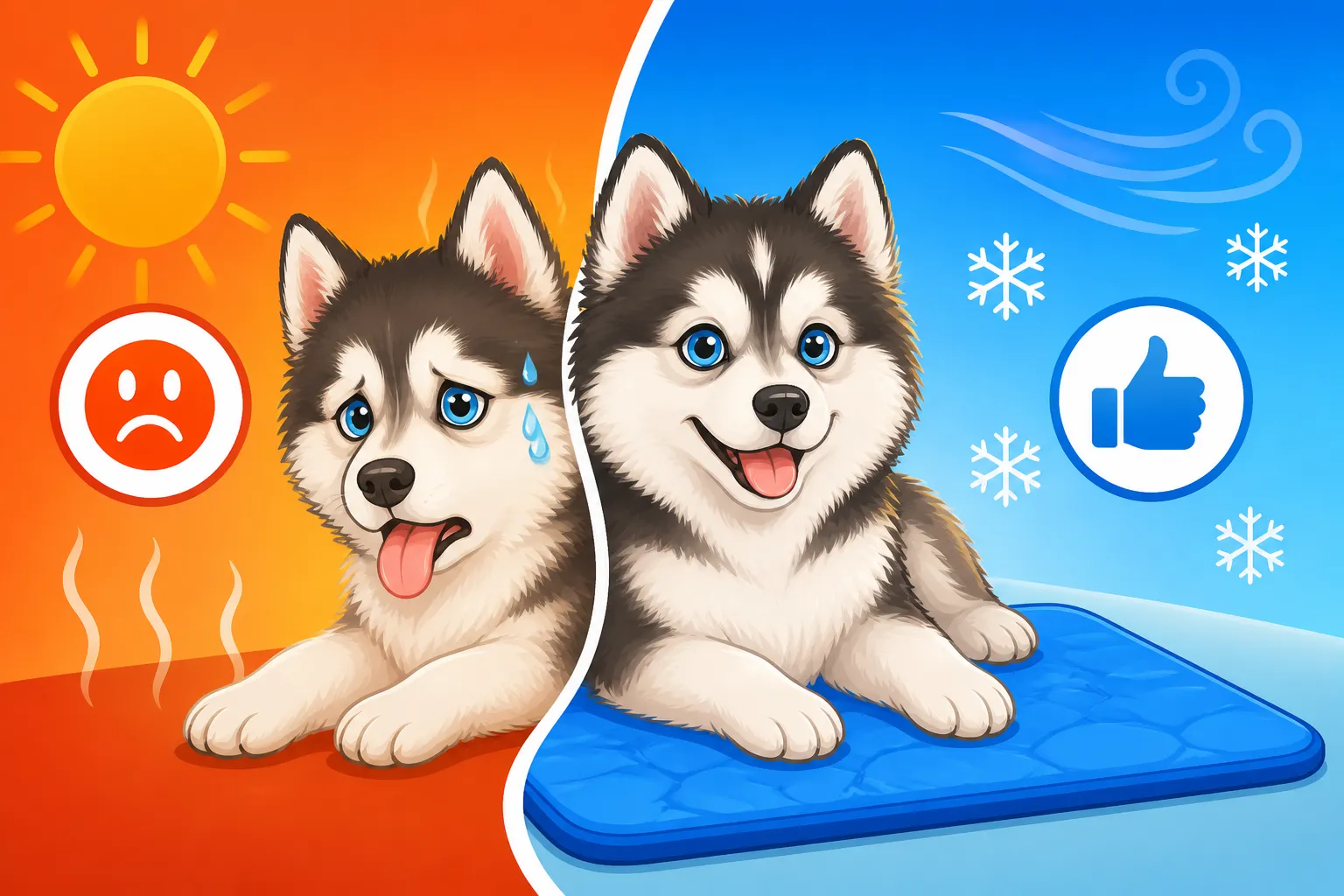
These are often hailed as the most convenient option. Gel mats typically contain a non-toxic gel that reacts to pressure and heat. When your Pomsky lies down on it, the gel absorbs their body heat and then dissipates it, creating a noticeably cooler surface. The beauty of these mats is that they don't require refrigeration, water, or electricity. They "recharge" themselves after about 15-20 minutes of non-use, returning to their cool state.
Imagine your Pomsky coming in from a supervised, short walk on a warm day, panting slightly. Instead of flopping onto the hot carpet, they walk over to their cooling mat, lie down, and almost immediately you can see their breathing calm down a notch. It provides that instant, targeted relief that a whole room air conditioner might not deliver efficiently enough for a dog lying on the floor. It’s a localized oasis.
Water-Filled Cooling Mats
Water-filled mats operate on a similar principle of heat absorption, but they require you to fill them with water. Some designs allow you to add ice to the water for an extra chill, or even place the entire mat in the refrigerator for a while before use. These can sometimes offer a more intensely cool experience, but they come with their own set of considerations: they can be heavier, more prone to punctures (and therefore leaks), and might feel a bit more squishy underfoot for some dogs.
A water-filled mat could be ideal if you have a Pomsky who doesn't mind the feel and you're looking for that extra cold touch, perhaps after a brief run in the yard during cooler morning hours. However, the risk of leaks, especially if your Pomsky is a chewer, is something to seriously weigh.
Elevated Cooling Beds: An Alternative Approach
While not strictly "mats," elevated mesh beds are another fantastic cooling solution that works on a different principle: maximizing airflow. These beds typically consist of a sturdy frame with a breathable mesh fabric suspended above the ground. By lifting your Pomsky off the floor, they allow air to circulate completely around their body, preventing heat from getting trapped underneath them.
Think about how much cooler you feel sitting on a porch swing with a breeze compared to lying directly on a hot patio. It's the same idea for your Pomsky. These beds are excellent for outdoor use in shaded areas, on patios, or even indoors, providing a comfortable, supportive, and airy resting place. They don't offer the direct "cold" sensation of a gel or water mat but contribute significantly to overall cooling by promoting convection. If you're looking for Whether a Pomsky Needs Air Conditioning, combining one of these beds with good airflow can sometimes reduce the burden on your AC unit.
Picking the Perfect Chill Pad: A Guide to Choosing a Cooling Mat for Your Pomsky
Choosing the right cooling mat isn't just about grabbing the first one you see. Your Pomsky's size, habits, and your living environment all play a role.
Size and Durability: A Match Made in Heaven (or Hell)
First and foremost, consider your Pomsky's size. A small Pomsky might feel lost on a giant mat, while a larger one will quickly overflow a tiny one. They need enough space to stretch out comfortably and make full contact with the cool surface. Measure your dog when they're lying in their favorite resting position to get an idea of the ideal mat dimensions.
Durability is another huge factor. Pomskies, with their Husky heritage, can be notorious chewers, especially when they're puppies or bored. A flimsy mat with thin material or easily accessible seams might not last five minutes. Look for mats made with robust, rip-resistant materials. Some brands explicitly market their mats as "chew-proof," though no product is truly indestructible for a determined dog. Reviews on sites like Amazon or Chewy can be incredibly helpful here, as other dog owners will often share their experiences with product longevity, particularly concerning active breeds.
Safety First: Non-Toxic Materials and Secure Construction
When your Pomsky is interacting with something directly with their body, and potentially their mouth, safety is paramount. Ensure any cooling mat you purchase explicitly states that its materials, especially the gel if it's a gel mat, are non-toxic. Accidents happen, and if your Pomsky manages to puncture the mat, you want peace of mind that what's inside won't harm them.
For water-filled mats, check for reinforced seams and robust construction to minimize the risk of leaks. A sudden leak can not only create a mess but also potentially ruin your flooring or furniture. If you're opting for an elevated bed, ensure the frame is stable and the mesh is securely attached, without any sharp edges or pinch points.
Maintenance and Portability: Practical Considerations
Life with a Pomsky means dealing with shedding, dirt, and occasional wet paws. An ideal cooling mat should be easy to clean. Most gel and water mats can simply be wiped down with a damp cloth. Some even have removable covers that are machine washable.
Consider where you'll be using the mat. Do you want something lightweight and foldable to take on car trips or to the park? Or will it be a stationary fixture in your living room? Gel mats tend to be more portable than water-filled ones, which can be cumbersome to drain and refill. For an idea of typical dimensions and weights, browsing product descriptions on Chewy can give you a good sense of what's available.
Here's a quick comparison of the common cooling options for your Pomsky:
| Feature | Gel Cooling Mat | Water-Filled Cooling Mat | Elevated Mesh Bed |
|---|---|---|---|
| Cooling Method | Pressure-activated gel absorbs body heat | Water absorbs body heat; can be chilled/iced | Airflow underneath the body |
| Setup | None (self-cooling) | Fill with water; optional chilling/ice | Assembly required for frame |
| Portability | High (foldable, no liquids) | Moderate (can be heavy, risk of leaks) | Low (bulky, usually stays in one spot) |
| Durability | Varies; prone to punctures from chewers | Varies; higher risk of leaks if punctured | High (sturdy frame, durable mesh) |
| Maintenance | Wipe clean | Drain, refill, wipe clean | Wipe clean mesh, can hose down entire bed |
| Direct Cold | Yes, a noticeable cool sensation | Yes, can be very cold if chilled/iced | No direct cold; relies on ambient air movement |
| Best For | Indoor use, travel, localized spot relief | Dogs who love intense cold, supervised use | Outdoor shade, indoor airflow, orthopedic support |
Integrating a Cooling Mat into Your Pomsky's Summer Survival Kit
A cooling mat is a fantastic tool, but it's most effective when used as part of a comprehensive strategy to combat the heat.
Introducing the Mat to Your Pomsky
Some Pomskies will immediately take to a cooling mat, while others might be suspicious of the new texture or temperature. Introduce it positively. Place it in an area where your Pomsky already likes to rest, but ensure it's out of direct sunlight. Offer treats and praise when they interact with it, even if it's just a sniff. You can even try placing their favorite toy on it. Don't force them onto it; let them discover its benefits at their own pace.
Think about it like this: you wouldn't want to be forced onto a cold surface if you weren't feeling hot, right? Wait for a slightly warmer day, or after a bit of play, when they're naturally seeking a cool spot.
Strategic Placement for Maximum Impact
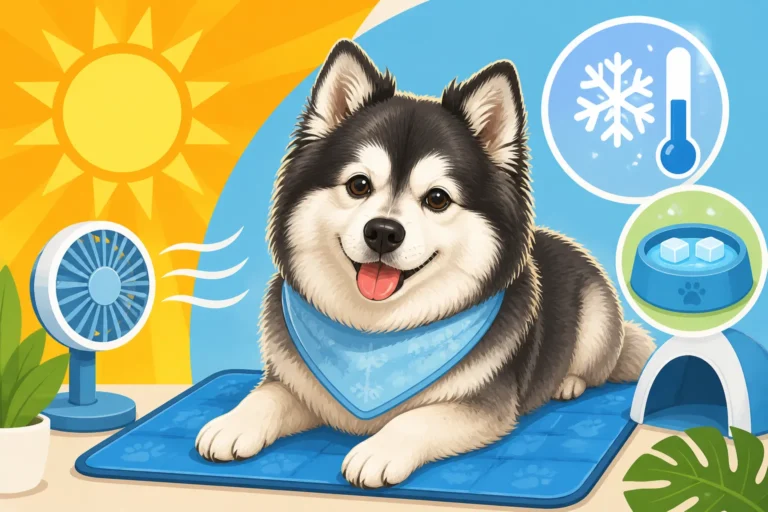
Where you place the cooling mat matters. Avoid direct sunlight, which will heat the mat up and render it useless. A shaded corner indoors, near a fan, or under a covered patio are ideal spots. If your Pomsky tends to follow you around the house, you might consider having more than one mat or moving it as needed.
Remember, a cooling mat is a spot cooler, not a whole-body cooler. It works by drawing heat from the parts of their body in contact with it. So, placing it where your Pomsky often lies down or where they seek respite from the heat is key.
Combining with Other Cooling Strategies
Never rely solely on a cooling mat to prevent heatstroke. It's a fantastic aid, but it's part of a bigger picture. Here are other crucial elements:
- Hydration: Always have fresh, cool water available. Consider adding ice cubes to their bowl or using a pet fountain to encourage drinking.
- Shade: Ensure your Pomsky always has access to shade when outdoors. This could be a tree, an umbrella, or a patio cover.
- Timing Exercise: Adjust your walk schedule. Instead of midday strolls, opt for early mornings or late evenings when The Temperature a Pomsky Starts Struggling At is lower. Pavement can get scorching hot and burn their paw pads, so always check the ground temperature with your hand before heading out. When to Walk a Pomsky in Summer is essential knowledge.
- Cool Treats: Frozen KONGs, dog-safe popsicles, or ice cubes can provide internal cooling and mental stimulation.
- Grooming: Regular brushing, especially during shedding season, helps remove loose undercoat that traps heat. This allows air to circulate closer to their skin. The Undercoat Rake a Pomsky Owner Lives With is a tool you'll quickly become familiar with.
- Indoor Environment: If possible, keep your home's temperature comfortable. Many Pomsky owners find Whether a Pomsky Needs Air Conditioning is not just a luxury, but a necessity in warmer climates.
Monitoring Your Pomsky's Comfort and Safety
Even with all these precautions, it's vital to stay vigilant. Watch your Pomsky for any Signs a Pomsky Is Overheating. If they're excessively panting, struggling to breathe, lethargic, or showing any signs of distress, remove them from the heat immediately and seek veterinary attention. A cooling mat should make them more comfortable, not allow them to endure conditions that are too hot.
Ultimately, a cooling mat can indeed be a valuable asset for a Pomsky owner. It provides a dedicated, accessible spot for your dog to find relief from the heat, making those warmer months a little more bearable for everyone. It shows them you care about their comfort, and that, my friend, is a wonderful thing for any pet parent to do. Keep them cool, keep them hydrated, and enjoy your time with your fluffy companion!
Disclaimer
This article is for general informational purposes only and does not constitute professional advice. Laws, prices and regulations vary by location and change over time. Consult a qualified professional for guidance on your specific situation.