Foods That Are Dangerous to a Pomsky
It’s a common scenario: you’re enjoying a snack, and your adorable Pomsky looks up at you with those big, soulful eyes, practically begging for a bite. It’s hard to resist, isn’t it? Many of us have been there, wanting to share our food with our furry family members, but the truth is, what’s perfectly safe—even healthy—for humans can be incredibly dangerous, even fatal, for our dogs. This guide is here to walk you through the everyday foods and household items that pose a serious threat to your Pomsky, explain why they’re dangerous, and help you keep your beloved companion safe from accidental poisoning.
The Hidden Dangers in Your Pantry
Our kitchens and pantries are full of delicious things, but many of them harbor hidden toxins for dogs. It’s not just about stopping them from getting into the trash; it’s about understanding which items are absolutely off-limits, even in tiny quantities, and why. The small size of many Pomskies, combined with their sometimes voracious appetites, can make even a small exposure incredibly potent.
Chocolate, Coffee, and Caffeine
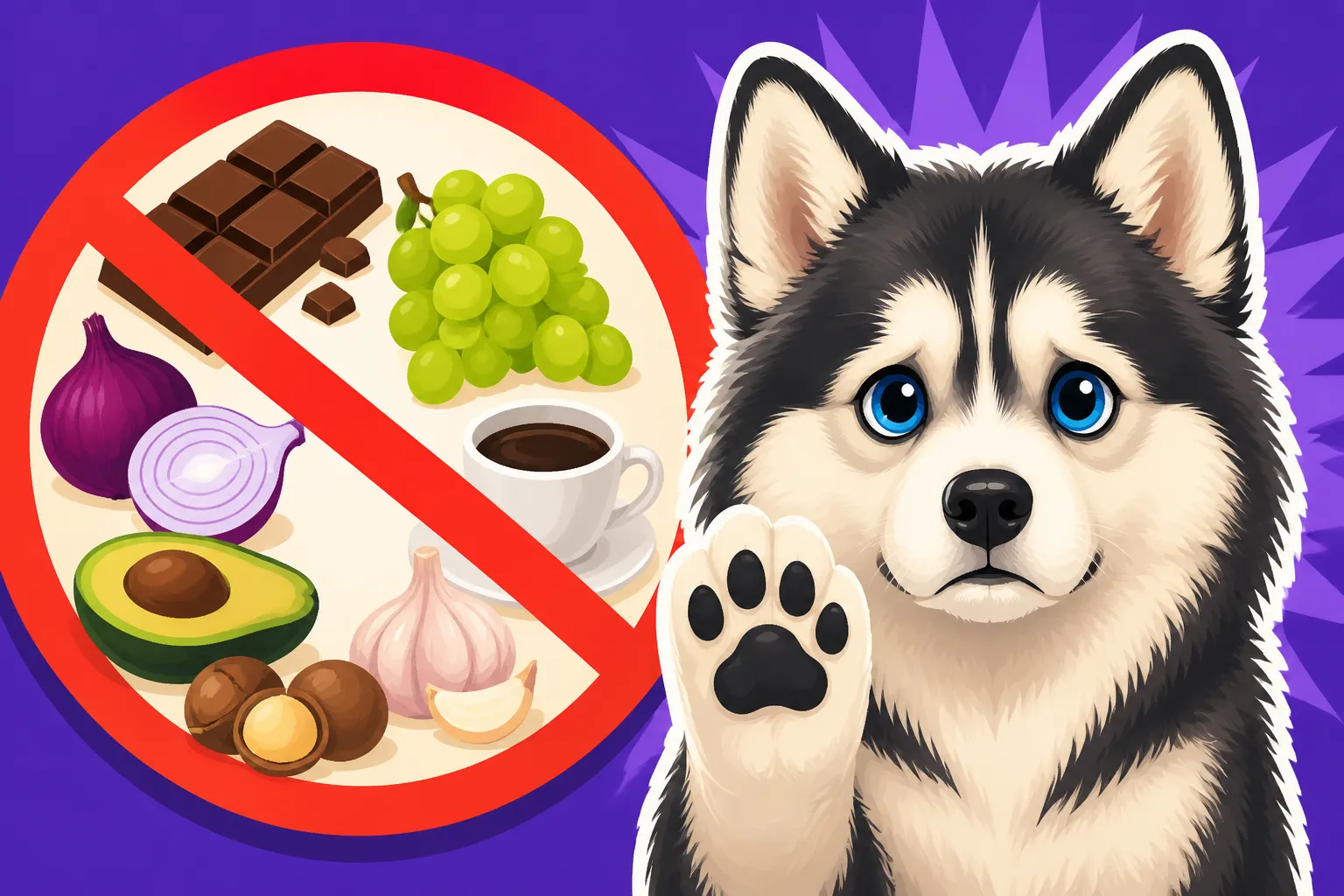
This is perhaps one of the most well-known dangers, and for good reason. Chocolate, coffee, and anything containing caffeine are highly toxic to dogs, and Pomskies are no exception. The culprit is a stimulant called theobromine, which dogs metabolize much more slowly than humans do. This means it stays in their system longer, building up to toxic levels.
The severity of the reaction depends on the type of chocolate and the amount consumed relative to your Pomsky’s weight. Dark chocolate, baking chocolate, and cocoa powder contain the highest concentrations of theobromine, making them the most dangerous. Even a small piece of dark chocolate can cause significant problems for a pint-sized Pomsky. Symptoms can range from mild digestive upset like vomiting and diarrhea to more severe issues such as increased thirst, restlessness, hyperactivity, tremors, seizures, an abnormal heart rhythm, and in dire cases, even death. It’s a terrifying thought, but it highlights why keeping these items strictly out of paw’s reach is paramount. Imagine leaving a forgotten candy bar on the coffee table, only to find your inquisitive Pomsky gnawing on it. The panic is immediate and real.
Xylitol (Birch Sugar)
Xylitol is a sugar substitute that's become incredibly common in human products, and it is profoundly toxic to dogs. You might know it as birch sugar, and it's found in a surprising number of items beyond just sugar-free gum and mints. Think about sugar-free candies, some peanut butters, certain toothpastes, baked goods, chewable vitamins, and even some medications. The list is constantly expanding, which makes it an increasing hazard.
When a dog, especially a smaller breed like a Pomsky, ingests xylitol, it causes a rapid and potent release of insulin from their pancreas. This leads to a sudden and severe drop in blood sugar (hypoglycemia), which can happen incredibly quickly—sometimes within 10-15 minutes of ingestion. Symptoms of hypoglycemia include lethargy, weakness, disorientation, stumbling, vomiting, and seizures. In higher doses, xylitol can also cause acute liver failure, which is often fatal. This is why vigilance is crucial. If you use peanut butter as a treat or to administer medication, always double-check the ingredient list. Many dog owners routinely buy dog-safe peanut butter from pet stores or online retailers like Chewy to avoid this exact risk. A quick glance at the label is all it takes to prevent a potential emergency.
Grapes and Raisins
The mystery of grape and raisin toxicity in dogs continues, as scientists haven't pinpointed the exact substance responsible, but their danger is undeniable. What we do know is that even small amounts can cause acute kidney failure in some dogs, while others might consume them with no apparent ill effects. This unpredictability makes them incredibly risky for all dogs, including your Pomsky. Because we don't know why or which dogs are susceptible, the safest approach is to assume all grapes and raisins are dangerous.
Symptoms can include vomiting, diarrhea, lethargy, dehydration, loss of appetite, and abdominal pain. As kidney function declines, your Pomsky might also show signs of increased thirst and urination, followed by a decrease as the kidneys fail. These symptoms can appear within a few hours to a few days after ingestion. It's not just whole grapes or raisins, either; anything containing them, such as raisin bread, grape juice, or even some fruit salads, should be kept away from your Pomsky. It's a prime example of why educating yourself on Foods That Are Dangerous to a Pomsky is so vital for their long-term health.
Produce and Pantry Staples to Avoid
Beyond the obvious sweet treats and processed foods, there are many common fruits, vegetables, and pantry items that you might not suspect are harmful. These are often things we use daily in our own cooking and might inadvertently leave within reach.
Onions, Garlic, and Chives
These aromatic members of the Allium family are staples in human cooking, but they are toxic to dogs. Whether raw, cooked, dried, or powdered, onions, garlic, and chives contain compounds that can damage a dog's red blood cells, leading to a condition called hemolytic anemia. This means their red blood cells are destroyed, reducing their ability to carry oxygen throughout the body. Garlic is generally considered more potent than onions, but both pose a threat.
Symptoms of onion or garlic poisoning often don't appear immediately. It can take a few days for the red blood cell damage to become noticeable, by which time the condition might be quite advanced. Look out for signs like lethargy, weakness, pale gums, rapid breathing, an elevated heart rate, and dark red or brown urine. Given a Pomsky’s often small size, even a relatively small amount—like a few onion rings dropped on the floor or a forgotten slice of pizza crust with garlic powder—could be enough to cause serious problems. If you're cooking with these ingredients, be extra cautious about crumbs, spills, or leaving raw produce accessible.
Avocado
Avocado is a superfood for humans, packed with healthy fats, but it contains a fungicidal toxin called persin. While larger dogs might tolerate small amounts of avocado flesh without significant issues, it's generally best to avoid it for smaller breeds like Pomskies. The leaves, bark, skin, and pit of the avocado contain higher concentrations of persin, making them particularly dangerous.
For dogs, ingestion of persin can cause gastrointestinal irritation, leading to vomiting and diarrhea. In more severe cases, particularly with smaller dogs or if a significant amount is consumed, it could lead to myocardial damage (heart muscle damage). A particular concern is the large pit, which poses a choking hazard or can cause an intestinal obstruction if swallowed, requiring emergency surgery. Even if the flesh seems benign, the risks associated with the pit alone are enough to warrant keeping avocados far away from your curious Pomsky.
Macadamia Nuts
Macadamia nuts are another food that, while delicious for us, can cause significant problems for dogs. While not typically fatal, they can cause a range of unpleasant symptoms. The exact toxic compound in macadamia nuts is still unknown, but its effects on dogs are well-documented.
Symptoms usually appear within 12 hours of ingestion and can include weakness, particularly in the hind limbs, leading to difficulty walking or even temporary paralysis. Other signs can include vomiting, tremors, fever, abdominal pain, and lethargy. The good news is that most dogs recover fully within 24 to 48 hours with supportive care, but it can be a distressing experience for both dog and owner. Given how easily a small Pomsky could consume a few dropped nuts, or even get into a container of them, it's safer to keep all macadamia nuts and products containing them completely out of reach.
Yeast Dough
Raw yeast dough is a double threat for your Pomsky. First, the warm, moist environment of a dog’s stomach provides an ideal place for the yeast to continue rising. As the dough expands, it can cause severe bloating, stomach pain, and potentially a life-threatening condition called gastric dilatation-volvulus (GDV), or bloat, where the stomach twists. This requires immediate veterinary intervention.
Secondly, as the yeast ferments the sugars in the dough, it produces alcohol. This can lead to alcohol poisoning, which is also very dangerous for dogs. Symptoms of alcohol poisoning include disorientation, lethargy, weakness, uncoordinated movements, excessive drooling, vomiting, diarrhea, tremors, difficulty breathing, and a drop in body temperature. In severe cases, it can cause seizures, coma, and even death. If you're baking, be incredibly careful to ensure any rising dough is completely inaccessible. It's one of those unexpected dangers that can sneak up on even the most diligent owner.
Other Risky Foods and Items
Sometimes, the dangers aren't just about toxic compounds but about the physical properties or general unsuitability of certain human foods for canine digestion.
Bones (Cooked or Raw)
This might surprise some, as bones seem like a natural fit for dogs. However, feeding bones, especially cooked ones, can be incredibly hazardous for your Pomsky. Cooked bones become brittle and can splinter easily, posing a significant risk of choking, internal lacerations to the esophagus, stomach, or intestines, or even internal blockages. These can lead to severe pain, perforation of organs, and emergency surgery.
Raw bones, while generally less prone to splintering, still carry risks. They can be a choking hazard, especially if your Pomsky tries to swallow a piece too large. Furthermore, raw bones can transmit harmful bacteria like Salmonella or E. coli, potentially making your Pomsky and even human family members sick. The dense Dental Crowding in a Pomsky's Small Mouth also makes them more prone to chipping or breaking teeth on hard bones, leading to painful dental issues and costly veterinary procedures. It's far safer to provide vet-approved dental chews or sturdy, non-digestible chew toys specifically designed for dogs.
Fatty Foods and Dairy
While not acutely toxic, overly fatty foods can wreak havoc on a Pomsky’s digestive system. Foods high in fat, such as bacon grease, fried chicken skin, trimmings from meat, or rich gravies, can trigger pancreatitis. This is an inflammation of the pancreas, which is incredibly painful and can be very serious, sometimes life-threatening. Symptoms of pancreatitis include severe vomiting, diarrhea, loss of appetite, lethargy, and abdominal pain. Smaller breeds like Pomskies can be particularly susceptible to Whether a Pomsky Gets Pancreatitis.
Many dogs, including Pomskies, are also lactose intolerant. Giving them dairy products like milk, cheese, or ice cream can lead to digestive upset, including diarrhea, gas, and stomach cramps, as their systems lack the enzyme to properly break down lactose. While a tiny bit of plain yogurt might be tolerated by some, it's generally best to avoid significant dairy intake. When considering Feeding a Twenty Pound Pomsky, remember that their digestive systems are optimized for dog food, not human leftovers.
Alcohol and Hops
It might seem obvious, but any amount of alcohol is toxic to dogs, and your Pomsky's small size makes them particularly vulnerable. Alcohol is rapidly absorbed into a dog's bloodstream and can cause a rapid drop in blood sugar, body temperature, and blood pressure. Symptoms include vomiting, diarrhea, disorientation, coordination problems, central nervous system depression, tremors, difficulty breathing, and even coma or death. This includes not just alcoholic beverages but also food items that contain alcohol, like some desserts or fermented fruit.
Hops, a key ingredient in brewing beer, are also extremely dangerous for dogs. Even small quantities can cause a potentially fatal condition called malignant hyperthermia, characterized by a rapid and dangerous increase in body temperature. This can lead to organ failure and death. So, if you're a home brewer or simply enjoy a cold one, keep any beer or brewing ingredients far away from your furry friend.
What to Do If Your Pomsky Eats Something Dangerous
Despite our best efforts, accidents happen. A dropped pill, a forgotten snack, or a moment of canine mischief can lead to your Pomsky ingesting something harmful. Knowing what steps to take can make all the difference.
Immediate Steps and Veterinary Care
If you suspect or know your Pomsky has eaten something dangerous, the very first step is to contact your veterinarian immediately. Don't wait for symptoms to appear, as some toxins work quickly, and early intervention can be crucial. Have as much information as possible ready: what your Pomsky ate, how much they ate, and approximately when they ate it. If you have the packaging, keep it handy, as it might contain ingredient lists or specific instructions for ingestion.
Your vet will advise you on whether to induce vomiting, and never attempt this at home without veterinary guidance. Some toxins cause more harm coming back up, and improper induction of vomiting can be dangerous. Depending on the substance and amount, your vet might recommend bringing your Pomsky in for examination, supportive care, or activated charcoal to help absorb toxins. The speed of your response can directly impact the outcome. Being proactive can save you immense heartache and potentially prevent thousands in What a Pomsky's Vet Bills Look Like for emergency treatments. This is why regular The Screening a Pomsky Should Have Yearly appointments and open communication with your vet are so important, building that trust before an emergency hits.
Prevention is Key
The best cure is always prevention. Make it a habit to scan your home from a Pomsky's perspective. Are there low-hanging bags of groceries? Accessible trash cans? Open pantry doors? A dog-proof home is a safe home.
Consider these preventative measures:
- Secure Trash Cans: Invest in trash cans with secure lids or place them inside a locked cabinet.
- Keep Food Off Counters: A Pomsky, even a smaller one, can be surprisingly resourceful at reaching high places. Don't leave food unattended on countertops.
- Read Labels Carefully: Always check the ingredient list of any human food you consider sharing, especially for xylitol in peanut butter.
- Educate Family and Guests: Make sure everyone in your household and any visitors know the rules about feeding your Pomsky human food.
- Dog-Proofing Supplies: Consider secure storage for medications, cleaning supplies, and toxic plants. Online retailers like Amazon offer a wide range of pet-proofing solutions.
- Healthy Alternatives: Provide your Pomsky with safe, appropriate treats. Companies like Ollie offer fresh, human-grade dog food that ensures your Pomsky gets proper nutrition without the hidden dangers of human snacks. For insights into their dietary needs, consult How Much an Adult Pomsky Eats Daily or Whether a Pomsky's Diet Needs More Zinc Than Most.
Here’s a quick reference guide to common dangerous foods:
| Category | Food Item | Primary Danger / Symptoms |
|---|---|---|
| Sweets & Sweeteners | Chocolate, Caffeine | Theobromine toxicity: vomiting, diarrhea, restlessness, hyperactivity, tremors, seizures, heart problems. |
| Xylitol (Birch Sugar) | Rapid, severe drop in blood sugar (hypoglycemia): weakness, disorientation, seizures, liver failure. | |
| Produce | Grapes, Raisins | Kidney failure (unpredictable but severe): vomiting, diarrhea, lethargy, dehydration, increased thirst/urination. |
| Onions, Garlic, Chives | Red blood cell damage (hemolytic anemia): lethargy, weakness, pale gums, rapid breathing, dark urine. | |
| Avocado | Persin toxin (skin, pit, leaves): gastrointestinal upset; pit is a choking/obstruction hazard. | |
| Nuts | Macadamia Nuts | Weakness (especially hind limbs), vomiting, tremors, fever, abdominal pain. |
| Other | Yeast Dough | Bloating (GDV risk) and alcohol poisoning: distended abdomen, pain, disorientation, lethargy, tremors, difficulty breathing. |
| Cooked Bones | Splintering leading to choking, internal lacerations, or obstructions. | |
| Fatty Foods | Pancreatitis: severe vomiting, diarrhea, abdominal pain, lethargy. | |
| Alcohol, Hops | Alcohol poisoning: vomiting, disorientation, tremors, coma; Hops cause malignant hyperthermia (dangerous body temperature rise). |
Disclaimer
This article is for general informational purposes only and does not constitute professional advice. Laws, prices and regulations vary by location and change over time. Consult a qualified professional for guidance on your specific situation.