Whether a Neutered Pomsky Gains Weight
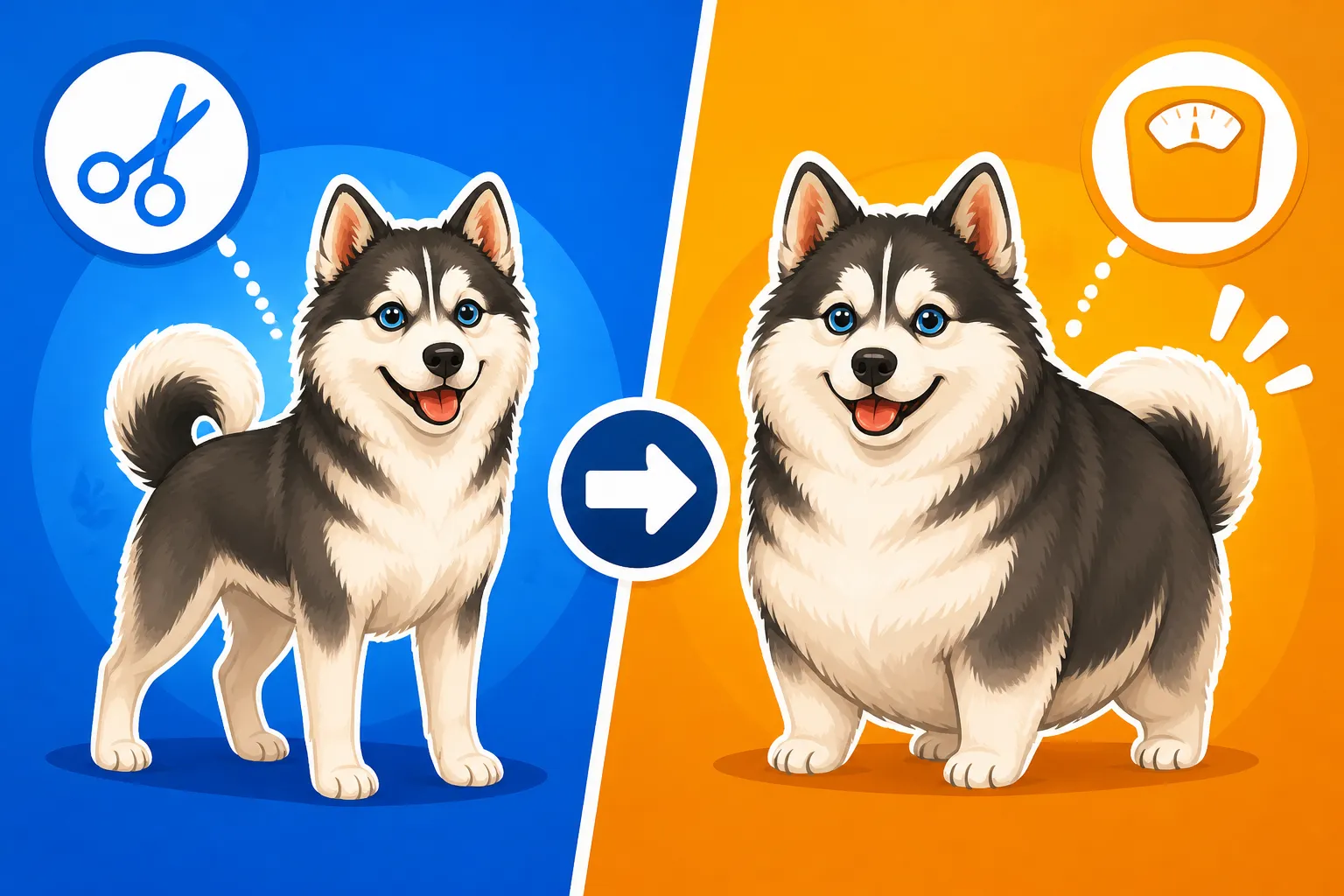
Many Pomsky parents fret about their beloved furry friends packing on extra pounds after being neutered, and it’s a valid concern. You're not imagining things – a change in hormones can absolutely affect your Pomsky's metabolism and lead to weight gain if not managed properly. This guide will walk you through why this happens, what signs to look for, and most importantly, how to keep your neutered Pomsky at a healthy weight, full of energy, and thriving for years to come. We’ll dive deep into the hormonal shifts, dietary adjustments, and exercise strategies needed to ensure your Pomsky remains as vibrant and healthy as possible throughout their life.
The Hormonal Shift After Neutering and Its Impact on Metabolism
It’s a common scenario: you bring your lively Pomsky puppy in for their neuter surgery, and a few months later, you start noticing a subtle change. They might seem a little less enthusiastic about their zoomies, or perhaps their waistline isn't quite as tucked as it once was. This isn't just anecdotal; there's a real physiological reason behind it, rooted deeply in the significant hormonal changes that occur after the procedure. Understanding these shifts is the first step toward proactive weight management.
The Role of Reproductive Hormones in Metabolism
Before neutering, your male Pomsky's body is producing testosterone, and your female Pomsky's body is producing estrogen and progesterone. These reproductive hormones play a crucial role beyond just fertility; they also have a hand in regulating metabolism, muscle mass, and even energy levels. Testosterone, in particular, contributes to higher muscle mass and a more active metabolism in males, helping them burn calories more efficiently. Estrogen also influences metabolism in females, albeit in different ways, often contributing to a leaner body composition when balanced.
When these hormone levels drop significantly after neutering, your Pomsky's internal chemistry effectively changes. It’s like turning down a furnace that was previously running hot. Their body no longer has the same hormonal signals to maintain the pre-surgery metabolic rate. This means they naturally require fewer calories to maintain the same body weight, even if their activity level hasn't visibly changed yet. This metabolic slowdown is the primary biological reason why many neutered dogs, including Pomskies, are prone to weight gain.
How Neutering Changes a Pomsky's Energy Requirements
Beyond the metabolic slowdown, neutering can also subtly influence a Pomsky’s overall energy and activity levels. While some dogs remain just as bouncy and energetic, many tend to become a little calmer and less driven by certain instinctual behaviors. For example, a male Pomsky might be less inclined to roam in search of mates, and a female Pomsky won't experience the hormonal fluctuations associated with heat cycles, which can sometimes lead to periods of restlessness or increased activity. This isn't a bad thing; many owners appreciate a slightly more settled demeanor!
However, this reduction in certain hormone-driven behaviors can translate to a slight decrease in spontaneous activity. Those quick bursts of energy or the urge to explore might become less frequent or intense. Combine this with the aforementioned metabolic shift, and you have a recipe for calorie surplus if their food intake isn't adjusted. It’s a double-whammy: their body needs fewer calories, and they might naturally burn fewer through daily activities. Owners need to be extra vigilant in monitoring their Pomsky's activity levels and adjusting their diet accordingly to prevent weight creeping on. You might find that the energy your young adult Pomsky displayed, which helped them burn off extra calories, starts to wane, making them more susceptible to weight gain, especially if they were already a light eater like a Husky.
Dietary Adjustments for a Neutered Pomsky
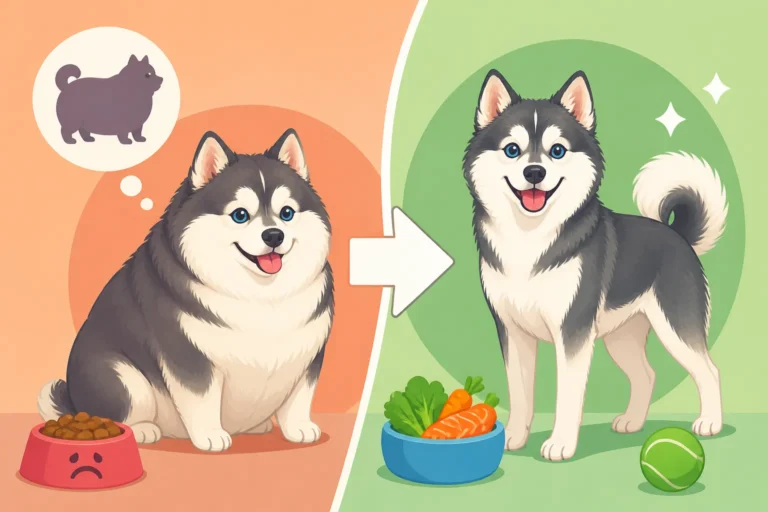
Once your Pomsky has been neutered, it's really time to reassess their dinner bowl. You can't just keep feeding them the same amount of the same food they ate as an intact, perhaps more rambunctious, dog. Their body's needs have shifted, and if you don't adjust their diet, those extra calories will quickly turn into extra pounds. This section will guide you through making the necessary changes to their nutrition.
Re-evaluating Calorie Needs Post-Surgery
The most crucial step after neutering is to understand that your Pomsky's caloric requirements have likely decreased by about 20-30%. This is a significant drop! While it might seem small on a bag of kibble, over days, weeks, and months, it adds up. If you continue feeding the same amount of food, you're essentially overfeeding your dog every single day. Many brands of dog food provide feeding guidelines based on weight and activity level, but these are often for intact dogs or can be overly generous.
It's vital to consult with your veterinarian to get a more precise estimate for your individual Pomsky, considering their current weight, ideal weight, age, and activity level. They can help you calculate a starting point for their daily calorie intake. Don't be surprised if the amount seems noticeably smaller than what you were previously feeding. This isn't about depriving your Pomsky; it's about providing the right fuel for their altered metabolism. Ignoring this crucial recalculation is one of the fastest ways to see your Pomsky start to get pudgy.
Choosing the Right Food for Weight Management
Once you've got a handle on the calorie count, the type of food also matters. Many pet food companies offer specific "weight management," "light," or "senior" formulas. These foods are typically lower in calories, fat, and often higher in fiber to help your Pomsky feel full without consuming excess energy. The increased fiber can be a real game-changer for satiety, preventing your Pomsky from feeling constantly hungry after reducing their portion size.
When looking at options on platforms like Chewy or Amazon, read the labels carefully. Look for foods that list protein as the first ingredient and have a balanced blend of nutrients. Some fresh food options, like those from Ollie, can also be beneficial as they are often easier to portion accurately and can be formulated with lower calorie densities specifically for weight management. Always transition your Pomsky to a new food gradually over 7-10 days to avoid digestive upset. Remember, it's not just about reducing quantity, but sometimes about optimizing quality and composition for their changed needs. For more details on portioning, check out Feeding a Twenty Pound Pomsky.
The Importance of Portion Control
Even with the right food, portion control is paramount. Free-feeding, where food is left out all day, is a major culprit in weight gain for any dog, but especially a neutered Pomsky with a slower metabolism. Instead, measure out your Pomsky's food precisely for each meal. Use a proper measuring cup, not just an eyeball estimate, and stick to a consistent feeding schedule, typically two meals a day.
Factor in treats as part of their daily caloric intake. Those little training treats or bedtime biscuits can add up quickly. Opt for low-calorie treats or use pieces of their regular kibble as rewards. If your Pomsky is particularly food-motivated, consider using puzzle feeders or slow-feeder bowls, which can make mealtime last longer and provide mental stimulation without adding more calories. This also helps with keeping a Pomsky's weight in range. Establishing strict portion control and monitoring intake is arguably the most impactful change you can make to prevent weight gain after neutering.
| Factor | Before Neutering | After Neutering |
|---|---|---|
| Metabolic Rate | Higher, supported by reproductive hormones | Lower, due to decreased hormone levels |
| Calorie Needs | Higher, to fuel growth, activity, and hormones | Lower, estimated 20-30% reduction |
| Muscle Mass | Often greater, supported by hormones | May decrease slightly without consistent exercise |
| Appetite | Can be variable, influenced by hormones | May increase in some dogs due to hormonal shifts |
| Activity Level | Potentially higher, especially for intact males | May become calmer, with reduced spontaneous activity |
| Weight Gain Risk | Lower, if fed appropriately for growth/activity | Higher, if diet and exercise aren't adjusted |
Maintaining Activity Levels in a Neutered Pomsky
While diet plays a huge role in preventing weight gain after neutering, exercise is its inseparable partner. You can't just cut calories and expect your Pomsky to remain lean if they're lounging on the couch all day. A Pomsky, with its Husky heritage, has an inherent need for physical and mental stimulation, which becomes even more critical once their metabolism shifts.
Why Exercise Remains Crucial
Even if your neutered Pomsky seems a little less hyper than before, consistent exercise is non-negotiable for their physical and mental well-being. Regular physical activity burns calories, helps maintain lean muscle mass, and keeps their joints healthy. A strong, active Pomsky is less likely to suffer from issues like Slipping Kneecaps in a Pomsky or Arthritis in a Pomsky at Ten later in life, and maintaining a healthy weight significantly reduces the strain on their joints. Furthermore, exercise provides an essential outlet for their energy, preventing boredom-related behaviors like destructive chewing or excessive barking.
It's not just about physical exertion; mental stimulation is equally important. Pomskies are intelligent dogs, and engaging their minds through training, puzzle toys, or new experiences can be just as tiring as a long walk. A mentally stimulated Pomsky is generally a happier, more well-behaved dog, and this overall contentment can reduce stress-related eating or inactive behaviors. Even if your Pomsky has settled down, that sharp mind is still very much there and needs to be challenged.
Creative Ways to Keep Your Pomsky Active
Sometimes, getting your Pomsky to move isn't as simple as just opening the door. Their breed mix often means they inherit the "selective hearing" and independent streak of the Husky, making traditional leash walks sometimes feel like a tug-of-war. To keep them engaged and active, you might need to get creative. Structured walks are great, but also incorporate play sessions that tap into their natural instincts. Think about games of fetch with a favorite toy in a securely fenced yard, or even setting up an agility course with household items. Many Pomskies love to "talk" and play, making interactive games a blast.
Consider dog sports like obedience, rally, or even beginner agility classes. These not only provide physical exercise but also tremendous mental stimulation and strengthen your bond. For those independent Pomskies, scent work or trick training can be incredibly rewarding. If your Pomsky enjoys water, a supervised swim session can be a fantastic low-impact exercise. Even regular "brain games" with interactive toys, some of which you can find on Amazon, can burn surprising amounts of energy. The key is variety and consistency; find what your Pomsky truly enjoys and make it a regular part of their routine. You can find more comprehensive ideas in The Exercise a Pomsky Needs Every Day.
Monitoring for Changes in Stamina
After neutering, and as your Pomsky ages, it's a good idea to pay close attention to their stamina and enthusiasm for exercise. You might notice they tire more quickly, or that they’re not as eager to embark on their usual long hikes. This can be a subtle sign that their overall energy levels have indeed changed, and it might indicate they’re already gaining a little weight or that their body simply isn’t as efficient as it once was.
Don't push them too hard. Instead, adjust the duration or intensity of your walks and play sessions to match their current capabilities. It's better to have several shorter, energetic playtimes throughout the day than one long, exhausting one that leaves them sore or uninterested. If you notice a significant drop in stamina or an unwillingness to exercise, it’s always wise to check with your vet. It could be a simple matter of weight gain, but it could also be an early sign of an underlying health issue. Regular monitoring helps ensure you're providing appropriate activity for your Pomsky throughout their lifespan.
Recognizing and Addressing Weight Gain in Your Pomsky
It can be really tough to admit your fur baby is getting a little chunky. We love to spoil them with treats and extra cuddles, and sometimes that love translates to too many calories. But being able to objectively assess your Pomsky’s body condition is vital, as even a few extra pounds can have significant health implications. Catching weight gain early makes it much easier to reverse.
How to Assess Your Pomsky's Body Condition Score
One of the best tools you have is the Body Condition Score (BCS). This isn't about the number on a scale; it's about how your Pomsky's body feels and looks. Most vets use a 9-point scale, where 1 is emaciated and 9 is morbidly obese, with 4-5 being ideal. You can do a quick check at home.
First, feel for their ribs. You should be able to easily feel them under a thin layer of fat without pressing hard. If you have to dig to find them, your Pomsky is likely overweight. Second, look at their waistline. From above, your Pomsky should have a noticeable tuck behind their ribs. From the side, their abdomen should tuck up, not sag down. If they have a straight "tube" shape or a bulging belly, they're likely carrying too much weight. This visual and tactile assessment is far more accurate than just comparing them to breed standards, as Pomskies vary greatly in What a Pomsky Actually Weighs Full Grown. Get used to regularly checking these key areas, perhaps once a month, to catch any changes early.
Here's a simplified guide to assessing your Pomsky's Body Condition Score:
| BCS Score | Appearance | Ribs (Palpation) | Waistline (Lateral View) | Overall Impression |
|---|---|---|---|---|
| 1-3 | Ribs, spine, pelvic bones visible from a distance | Easily felt, no fat covering | Severe abdominal tuck, prominent bony structures | Underweight, possibly malnourished |
| 4-5 (Ideal) | Ribs easily palpable with slight fat cover, waist visible | Easily felt with minimal fat cover | Clearly visible abdominal tuck | Healthy, lean, and proportionate |
| 6-7 | Ribs palpable but with difficulty, waist less apparent | Moderate fat cover, requires slight pressure | Waistline discernible but not prominent, slight belly sag | Overweight, starting to accumulate excess fat |
| 8-9 | Ribs not palpable, no waistline, heavy fat deposits | Cannot feel ribs or spine due to heavy fat cover | No waistline, distended abdomen, obvious fat pads | Obese, significant health risks |
The Health Risks Associated with Obesity
The health risks associated with obesity in dogs are incredibly serious and should not be underestimated. Just like in humans, excess weight puts enormous strain on almost every system in a Pomsky's body. It can lead to a host of chronic conditions that significantly reduce their quality of life and shorten their lifespan. For instance, overweight dogs are far more prone to developing joint problems, exacerbating existing conditions like Hip Dysplasia in a Pomsky or causing new ones. The extra weight wears down cartilage and puts stress on ligaments.
Beyond joint issues, obesity is a major risk factor for diabetes, heart disease, and certain types of cancer. It can also worsen respiratory problems, especially in breeds that might already be prone to conditions like The Collapsing Trachea a Pomsky Gets From the Pomeranian, making them less tolerant to exercise and heat. Furthermore, overweight dogs often suffer from reduced stamina, heat intolerance, skin problems, and a weakened immune system. It truly affects The Twelve to Fifteen Years a Pomsky Lives, potentially shaving off precious years. Understanding these severe consequences can be a powerful motivator to keep your Pomsky at a healthy weight. If you've noticed Signs a Pomsky Is Carrying Too Much Weight, it's time to act.
Working with Your Vet to Create a Weight Management Plan
If you suspect your neutered Pomsky is gaining weight or is already overweight, the absolute best course of action is to partner with your veterinarian. They are your most valuable resource in developing a safe and effective weight management plan. Your vet will perform a thorough examination to rule out any underlying medical conditions that could be contributing to weight gain, such as hypothyroidism, which can sometimes mimic simple obesity.
They can help you establish an ideal target weight for your Pomsky, calculate a precise daily calorie target, and recommend appropriate food choices. They might suggest a prescription weight-loss diet, which is specifically formulated to be lower in calories but still provide complete nutrition, or they might advise on specific portion sizes for your current food. Furthermore, your vet can help you create a realistic exercise regimen that considers your Pomsky's current fitness level and any existing health concerns. They'll also schedule regular follow-up appointments to monitor your Pomsky's progress and make adjustments as needed, helping you stay accountable and on track for Getting Weight Off an Overweight Pomsky. This collaborative approach ensures that your Pomsky loses weight safely and sustainably.
Disclaimer
This article is for general informational purposes only and does not constitute professional advice. Laws, prices and regulations vary by location and change over time. Consult a qualified professional for guidance on your specific situation.