Dental Crowding in a Pomsky’s Small Mouth
It’s a heart-sinking moment for many Pomsky parents: you’re admiring your adorable furry companion, maybe even giving them a sweet treat, and you notice something’s just not quite right with their teeth. Perhaps they look a little crammed, or you’re seeing some extra little teeth lingering where they shouldn’t be. This common frustration points directly to dental crowding, a prevalent issue in Pomskies that can lead to a host of other health problems if left unaddressed. This comprehensive guide will illuminate the ins and outs of dental crowding in your Pomsky, offering practical advice on prevention, care, and what to do if your pup is already experiencing discomfort.
The Genetic Predisposition to Dental Crowding in Pomskies
Pomskies are a fascinating blend of two distinct breeds: the Siberian Husky and the Pomeranian. While this mix often results in an incredibly charming and intelligent companion, it also means they inherit a unique combination of physical traits, sometimes with unintended consequences. When it comes to their mouths, Pomskies often end up with a dental conundrum – the jaw size of the smaller Pomeranian combined with the number and size of teeth more typical of the larger Husky.
Blending Husky and Pomeranian Oral Anatomy
Imagine trying to fit all the furniture from a spacious living room into a cozy studio apartment – that's often what's happening inside a Pomsky's mouth. The Siberian Husky has a larger, broader muzzle and jaw structure, designed to accommodate a full set of robust adult teeth with ample spacing. In contrast, the Pomeranian, being a toy breed, has a much smaller, more compact jaw. When these two are crossed, the Pomsky can inherit a jaw that's smaller than a Husky's, but the teeth themselves often retain a size closer to their larger Husky ancestors, or at least a full complement of teeth designed for a bigger mouth. This genetic lottery is the primary reason behind the tight squeeze.
This anatomical mismatch is a key contributor to dental crowding. Teeth might erupt out of alignment, rotate, or push against each other because there simply isn't enough bone structure to hold them all neatly in place. It's not a fault of the dog or the owner; it's a structural reality stemming from their mixed heritage, and it's something breeders should be transparent about. Understanding this blend is the first step in being proactive about your Pomsky's oral health, ensuring they can enjoy their The Twelve to Fifteen Years a Pomsky Lives without unnecessary pain.
Why Smaller Breeds Face This Challenge More Often
While dental crowding can happen in any breed, it's disproportionately common in smaller breeds and brachycephalic (short-nosed) breeds. Pomskies, with their varying sizes and often more compact muzzles inherited from the Pomeranian side, fit right into this category of increased risk. Smaller jaws simply have less real estate for a full set of 42 adult teeth. This isn't just about aesthetics; crowded teeth create tiny crevices and overlapping surfaces where food particles and bacteria can easily get trapped.
These hidden nooks and crannies become perfect breeding grounds for plaque, which quickly hardens into tartar. Even with diligent home care, it can be incredibly difficult to reach and clean these areas effectively. This constant accumulation sets the stage for more serious problems down the line, making small breeds, including many Pomskies, particularly vulnerable to early-onset dental disease.
Recognizing the Telltale Signs in Your Pomsky Puppy
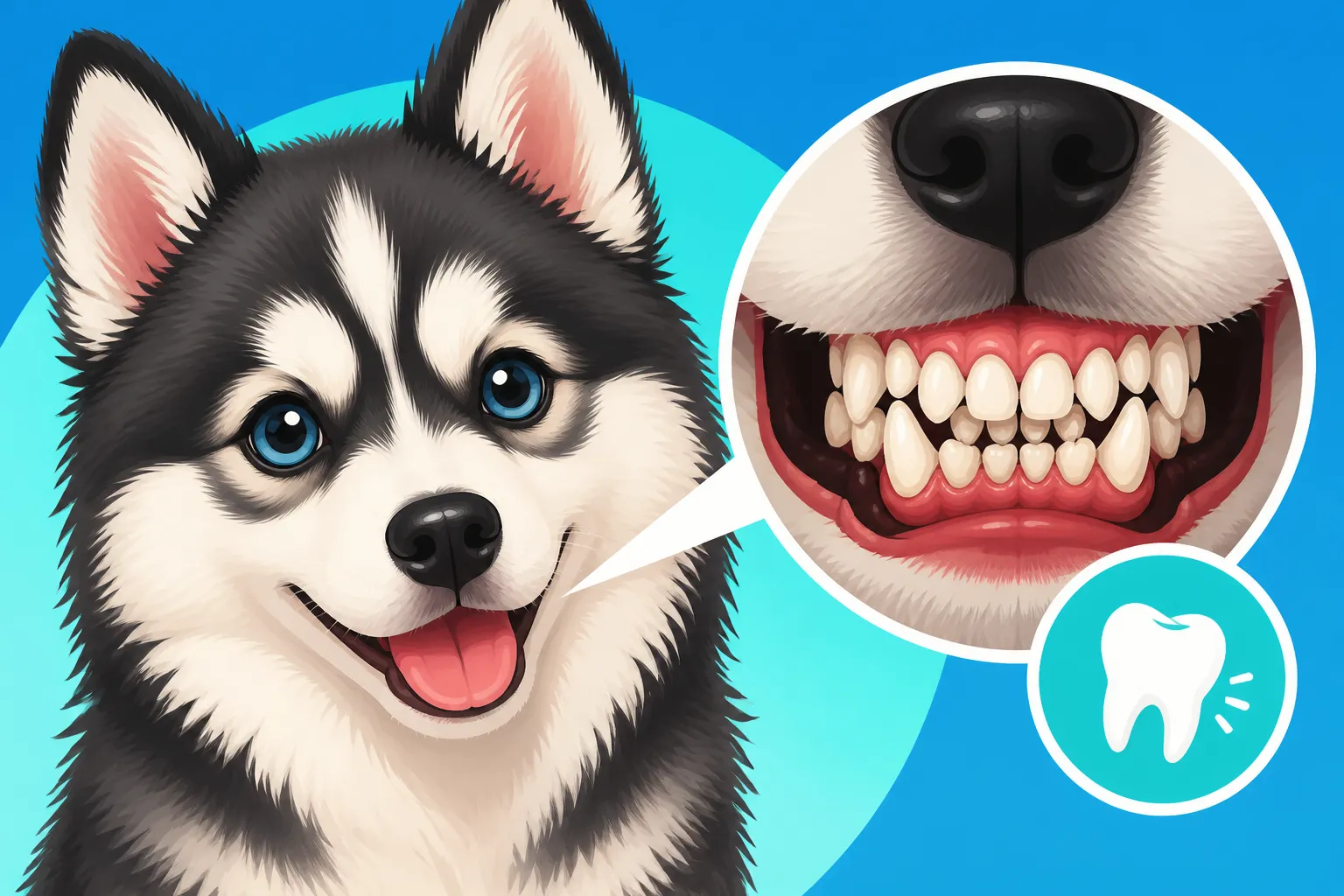
As a Pomsky owner, being vigilant from puppyhood is crucial. The signs of dental crowding often begin to show as your puppy's adult teeth start to emerge, usually between three and six months of age. You might notice teeth that are noticeably crooked, rotated, or overlapping. Sometimes, a common and significant sign is the presence of "double teeth," which occurs when a permanent tooth erupts before the corresponding baby tooth has fallen out.
Beyond visual cues, keep an eye out for changes in your Pomsky's behavior. Are they reluctant to chew on their favorite toys? Do they seem to favor one side of their mouth when eating? Is there an unusual amount of bad breath, or even a visible redness along the gum line? These subtle indicators, especially in a young pup, should prompt an immediate visit to your veterinarian. Early detection and intervention can make a world of difference, potentially preventing a lifetime of discomfort and costly treatments.
Common Dental Problems Exacerbated by Crowding
Dental crowding isn't just a condition in itself; it's often the gateway to a cascade of other, more serious oral health issues. The very nature of tightly packed teeth creates an environment ripe for bacterial growth and inflammation, which can quickly spiral into significant pain and long-term complications for your beloved Pomsky.
Accelerated Plaque and Tartar Accumulation
One of the most immediate and troublesome consequences of dental crowding is the rapid buildup of plaque and tartar. When teeth are crowded, they don't sit cleanly side-by-side; they overlap, rotate, and create tight spaces that are impossible for normal chewing or even a toothbrush to reach. These protected areas become magnets for food debris and bacteria. Within hours, a sticky film of plaque forms. If not removed, this plaque hardens into tartar (calculus) within a matter of days.
Tartar is abrasive and irritating to the gums, and its rough surface provides even more places for new plaque to adhere, accelerating the cycle. Unlike plaque, tartar cannot be removed by brushing; it requires professional scaling by a veterinarian. For a Pomsky with crowded teeth, this process of accumulation is often much faster and more severe than in dogs with well-spaced teeth, leading to a much higher incidence of dental disease at an earlier age.
The Dangers of Persistent Deciduous Teeth
This is a huge one for Pomskies and other small breeds! Often, a puppy's baby teeth (deciduous teeth) are designed to fall out as the permanent adult teeth push through. However, in dogs with genetic dental crowding, or simply smaller jaws, the baby teeth sometimes don't have enough room to properly "root out" and fall away naturally. This results in what veterinarians call "persistent deciduous teeth" or "retained puppy teeth." You might see two teeth – the baby tooth and the adult tooth – occupying the same space.
The presence of these extra teeth is incredibly problematic. Not only does it worsen existing crowding, but it also creates an unnatural double layer where food and bacteria can get trapped between the baby and adult tooth. This accelerates plaque and tartar formation dramatically, leading to inflammation and infection. Furthermore, retained baby teeth can force the permanent teeth to erupt in abnormal positions, leading to lifelong malocclusion (improper bite) and continued dental issues. It’s why discussing Whether a Pomsky's Baby Teeth Need Pulling with your vet early on is so vital.
Progression to Periodontal Disease and Beyond
If plaque and tartar are left unchecked, the next inevitable step is periodontal disease. This isn't just a mild inconvenience; it's a progressive, painful inflammatory condition affecting all the structures supporting the teeth: the gums, ligaments, and bone. Initially, you might notice gingivitis – red, swollen, bleeding gums. As the disease progresses, bacteria migrate below the gum line, forming pockets of infection. The body's immune response to this ongoing bacterial assault begins to destroy the very tissues and bone that hold the teeth in place.
Without intervention, teeth can become loose, painful, and eventually fall out. This process is often silent, with dogs instinctively hiding their pain until the disease is very advanced. For a Pomsky, whose teeth are already predisposed to issues from crowding, periodontal disease can strike quickly and severely. Addressing Dental Disease in a Pomsky's Crowded Mouth early is paramount to preventing irreversible damage and maintaining your Pomsky's overall health and comfort.
The Systemic Impact of Poor Oral Health
It's easy to view dental problems as isolated issues affecting only the mouth, but nothing could be further from the truth. Your Pomsky's oral health is intrinsically linked to their overall well-being. A mouth riddled with infection and inflammation isn't just uncomfortable; it can become a gateway for bacteria to wreak havoc throughout the entire body.
How Oral Bacteria Affect Major Organs
Think of your Pomsky's mouth as a busy highway. When periodontal disease is present, billions of bacteria are constantly being absorbed into the bloodstream from infected gums. These bacteria don't just stay in the mouth; they travel through the circulatory system to major organs, including the heart, kidneys, and liver. Once there, they can colonize, causing inflammation and damage, leading to more serious, often silent, systemic illnesses.
For example, bacteria from severe dental disease are a known cause of endocarditis, a dangerous infection of the heart valves. They can also contribute to chronic kidney disease or liver dysfunction, silently eroding your Pomsky's health over time. What starts as a simple case of crowded teeth can ultimately shorten their life or significantly diminish their quality of life. This interconnectedness is why dental care isn't just about fresh breath; it's about protecting your Pomsky's vital organs and ensuring they stay healthy for as long as possible.
Chronic Pain and Its Effect on Quality of Life
Imagine living with a constant toothache, sore gums, or loose teeth. That's the reality for many Pomskies suffering from advanced dental disease. Unlike humans, dogs are experts at hiding pain, a survival instinct that makes it difficult for owners to recognize their discomfort. They may still eat, play, and interact, but their joy and zest for life are undoubtedly diminished by chronic pain.
Signs of pain might be subtle: a reluctance to chew on hard toys, eating more slowly, dropping food, bad breath, drooling, or a change in temperament, such as becoming more irritable or withdrawn. Over time, this chronic pain can impact their energy levels, their desire to play, and even their personality. It prevents them from fully enjoying their food, their treats, and their interactions with you. Ensuring your Pomsky lives a pain-free life by addressing dental issues promptly is a fundamental aspect of responsible pet ownership.
The Financial Burden of Neglected Dental Issues
While initial dental care might seem like an expense, neglecting your Pomsky's oral health almost always leads to far greater costs down the line. A simple prophylactic dental cleaning and addressing minor issues when they first appear is significantly less expensive than treating advanced periodontal disease, which can require multiple extractions, root canals, or even jaw surgery. The deeper the infection, the more complex and costly the treatment becomes.
Consider the potential for systemic disease as well. If your Pomsky develops heart, kidney, or liver issues secondary to dental infection, the ongoing veterinary care for those conditions will add substantially to your What a Pomsky's Vet Bills Look Like. Proactive care, including regular vet visits for dental checks and consistent home care, is an investment in your Pomsky's health that pays dividends in both their well-being and your wallet. Investing in a good pet insurance plan from a provider like Healthy Paws can also help offset these significant costs, especially for unexpected or advanced dental care.
Proactive Dental Care: Starting Young and Staying Consistent
The best offense is a good defense, and nowhere is this more true than with your Pomsky's dental health. Establishing a routine of proactive care from a young age can significantly mitigate the challenges posed by dental crowding, helping to prevent the accumulation of plaque and tartar and ward off more serious conditions. Consistency is truly the secret ingredient here!
Establishing a Daily Brushing Routine
Yes, brushing your dog's teeth is important, and for a Pomsky with crowded teeth, it's absolutely essential. Starting early, even when they're just puppies, will make it a much easier and less stressful experience for both of you. Begin by simply letting them lick a small amount of dog-specific toothpaste off your finger. Gradually introduce a finger brush or a soft canine toothbrush, focusing on short, positive sessions. The goal is to make it a routine, not a battle.
Focus on the outside surfaces of the teeth, particularly the molars and canines, as these tend to accumulate the most plaque. Even if you can't reach every single crowded spot, regular brushing significantly reduces the overall bacterial load in their mouth. It's a key part of preventing early-onset Dental Disease in a Pomsky's Crowded Mouth. Remember, human toothpaste is toxic to dogs, so always use a pet-safe enzymatic toothpaste specifically formulated for canines.
Utilizing Dental Chews, Toys, and Water Additives
While brushing is the gold standard, it's not the only tool in your arsenal. Dental chews and toys can play a supportive role, helping to scrape away plaque through mechanical action. Look for products that are veterinary-approved (often indicated by a VOHC seal – Veterinary Oral Health Council) and appropriate for your Pomsky's size and chewing style. Remember, some chews can be too hard for small dogs and potentially cause tooth fractures, so choose wisely.
Water additives can also be beneficial as an adjunct to other dental hygiene practices. These solutions typically contain ingredients that help reduce bacteria in the mouth and prevent plaque formation. They are usually flavorless and easily mixed into your Pomsky's drinking water. However, it's crucial to understand that these are supplemental aids and do not replace brushing or professional dental cleanings. They simply offer an extra layer of protection against the relentless march of plaque and tartar.
Nutritional Strategies for Oral Health
The food your Pomsky eats can also impact their dental health. While kibble alone often isn't enough to prevent dental disease, some specialized dental diets are designed with unique kibble shapes and textures that help mechanically scrub teeth as your dog chews. These diets often contain ingredients that can also reduce plaque buildup. Discussing these options with your veterinarian can help determine if a specific dental formula would be beneficial for your Pomsky.
Beyond specialized diets, ensuring your Pomsky receives a balanced and high-quality diet supports their overall health, including strong teeth and healthy gums. A diet rich in essential nutrients can boost their immune system, making them more resilient against oral infections. While no food can substitute for physical cleaning, integrating dental-friendly nutrition is another piece of the puzzle in comprehensive oral care.
Professional Veterinary Dental Care and Treatment Options
Despite your best efforts with home care, professional veterinary intervention is almost always necessary for Pomskies with dental crowding. These procedures address issues that are impossible to resolve at home and are critical for preventing pain and systemic health problems down the road.
The Importance of Regular Veterinary Dental Exams
Just like humans need regular dental check-ups, your Pomsky does too! Many vets recommend annual dental exams as part of your pet's overall health screening. During these exams, your veterinarian will thoroughly inspect your Pomsky's teeth and gums, looking for signs of plaque, tartar, gingivitis, loose teeth, fractured teeth, or retained baby teeth. They can identify early signs of Dental Disease in a Pomsky's Crowded Mouth that you might miss at home.
These exams are also the perfect opportunity to discuss your home care routine, get advice on dental products, and determine if your Pomsky needs a professional dental cleaning. For a Pomsky with dental crowding, your vet might even recommend more frequent check-ups to monitor the situation closely, especially in their younger years. Regular screenings are vital to ensure your Pomsky lives a healthy and comfortable life.
Addressing Overcrowding Through Extractions or Orthodontics
When dental crowding becomes severe, simply cleaning the teeth isn't enough. Teeth that are too close together or severely rotated create deep pockets that cannot be properly cleaned, even with professional scaling. In these cases, extractions become a necessary intervention to create space, eliminate problematic teeth that are causing pain or accelerating disease, and improve the overall oral health environment. Your vet will carefully evaluate which teeth are causing the most issues and discuss the best course of action.
While less common and often more expensive, some severe cases of malocclusion or significant crowding might be candidates for veterinary orthodontics. This isn't about making your Pomsky's smile perfect for the camera, but rather correcting structural issues that cause pain, wear, or ongoing health problems. This often involves specialized appliances or careful monitoring. If your Pomsky's crowding is causing significant functional issues, your vet might refer you to a veterinary dental specialist to explore these advanced options.
Understanding Dental Scaling and Polishing Procedures
A professional dental cleaning, often referred to as a COHAT (Comprehensive Oral Health Assessment and Treatment), is a vital procedure for Pomskies with crowded teeth. This is done under general anesthesia to allow for a thorough examination and cleaning. The process typically involves several key steps:
- Oral Examination: While under anesthesia, the vet performs a detailed oral exam, charting any issues like missing teeth, periodontal pockets, or lesions.
- Dental X-rays: This is crucial. X-rays reveal the health of the tooth roots and surrounding bone, identifying problems hidden beneath the gum line, which are often the most severe.
- Scaling: Using ultrasonic and hand scalers, the vet meticulously removes plaque and tartar from both above and below the gum line. This is where How Often a Pomsky's Teeth Need Scaling becomes a crucial part of preventative care.
- Polishing: After scaling, the teeth are polished to smooth out any microscopic etches left by the scaling tools. This makes the tooth surface less hospitable for new plaque to adhere to.
- Extractions or Other Treatments: If necessary, retained baby teeth are extracted, or severely diseased teeth are removed.
This comprehensive approach ensures that not only are the visible teeth clean, but underlying issues contributing to pain and infection are also addressed, setting your Pomsky up for better oral health moving forward.
Navigating Anesthesia for Pomsky Dental Procedures
The thought of your small Pomsky going under general anesthesia for a dental procedure can be incredibly daunting for any pet parent. It's a legitimate concern, especially given their size and unique breed characteristics. However, with modern veterinary medicine, the risks are minimized through stringent protocols and careful monitoring.
Comprehensive Pre-Anesthetic Workups
Before any dental procedure requiring anesthesia, a thorough pre-anesthetic workup is absolutely essential. This typically includes a complete physical examination, blood tests (to evaluate organ function, red and white blood cell counts), and sometimes urine analysis or even chest X-rays, especially for older Pomskies or those with suspected underlying health issues. These diagnostics help your veterinarian identify any potential risks or underlying conditions that could complicate anesthesia.
Understanding your Pomsky's internal health allows the vet to tailor the anesthetic protocol specifically to their needs, choosing the safest medications and dosages. For smaller breeds like Pomskies, who might be more susceptible to issues like Whether a Pomsky Puppy Crashes on Blood Sugar, these checks are even more critical. Transparency and open communication with your vet about these tests will alleviate many of your fears and ensure your pup is as safe as possible.
Advanced Anesthetic Monitoring and Support
During the entire dental procedure, your Pomsky will be under the watchful eye of a dedicated veterinary technician who continuously monitors vital signs. This includes heart rate, respiratory rate, blood pressure, oxygen saturation, and body temperature. Modern anesthetic machines and monitoring equipment provide real-time data, allowing the veterinary team to make immediate adjustments if needed.
Your Pomsky will also be kept warm with circulating water blankets or other warming devices, as smaller breeds can lose body heat more quickly under anesthesia. Intravenous fluids are typically administered throughout the procedure to maintain blood pressure and hydration. This comprehensive level of care ensures that while your Pomsky is unconscious and their dental work is being performed, their body is supported and stable, directly addressing the concerns many owners have about Whether Anesthesia Is Riskier on a Small Pomsky.
Ensuring a Smooth Recovery at Home
The recovery period immediately after anesthesia is just as important as the procedure itself. Your Pomsky will be closely monitored as they wake up, ensuring they remain warm and comfortable. Once they are fully awake and stable, your vet will provide detailed discharge instructions. This will include information on pain management (often with prescribed medications), dietary recommendations (soft food might be advised for a few days, especially if extractions were performed), and activity restrictions.
It's common for Pomskies to be a little groggy or disoriented for the first 24 hours post-anesthesia. Create a quiet, comfortable space for them to rest, and follow all medication schedules precisely. Watch for any signs of discomfort, difficulty eating, or unusual behavior, and don't hesitate to contact your vet with any questions or concerns. A smooth recovery at home is vital for their overall healing and return to their normal, happy selves.
Long-Term Management and Support for Your Pomsky's Oral Health
Caring for a Pomsky with a predisposition to dental crowding isn't a one-time fix; it's a lifelong commitment. Just like any chronic health concern, it requires ongoing vigilance, consistent care, and a proactive approach to prevent recurrence and maintain their well-being throughout their The Twelve to Fifteen Years a Pomsky Lives.
Lifelong Maintenance and Monitoring
After a professional dental cleaning or any necessary extractions, the real work of maintaining oral health begins. You'll need to double down on your home care routine, including daily brushing, appropriate dental chews, and possibly water additives. Regular visual checks of your Pomsky's mouth should become a habit – look for any redness, swelling, unusual growths, or new tartar buildup. Be sure to note any changes in their eating habits or breath.
Your veterinarian will likely recommend a schedule for future dental check-ups and cleanings, which might be more frequent than for other breeds. Sticking to this schedule is paramount for intercepting problems before they become severe again. Remember that dental disease is progressive, and with crowded teeth, it can advance quickly if not consistently managed. This diligent, lifelong approach is key to ensuring your Pomsky remains comfortable and healthy.
When to Consider Pet Insurance for Dental Coverage
The reality of managing dental issues, especially severe crowding or the need for multiple extractions, can be financially overwhelming. This is where pet insurance can be a true lifesaver. Many pet insurance providers, such as Healthy Paws, offer policies that cover dental illness, including periodontal disease, extractions, and sometimes even the costs associated with anesthesia for dental cleanings (though routine cleanings might be considered preventative and require a wellness rider).
When choosing a policy, it's critical to understand what is covered regarding dental care. Look for plans that specifically include dental disease treatment rather than just accidental tooth fractures. Enrolling your Pomsky when they are young and healthy is usually the best strategy, as most policies have waiting periods and won't cover pre-existing conditions. Pet insurance can provide invaluable peace of mind, allowing you to make the best health decisions for your Pomsky without the added stress of exorbitant veterinary bills, especially when anticipating complex procedures.
Advocating for Your Pomsky with Your Vet
As a Pomsky parent, you are your dog's primary advocate. Don't be afraid to ask questions, seek clarification, and express any concerns you have about their dental health. If you're unsure about a diagnosis or treatment plan, it's perfectly acceptable to ask for a second opinion or to be referred to a veterinary dental specialist. Specialists have advanced training and equipment to handle the most complex oral health cases, offering options that might not be available at a general practice.
Understanding The Screening a Pomsky Should Have Yearly will empower you to discuss these important health checks with your vet, including a thorough dental assessment. Your veterinarian is your partner in your Pomsky's health journey. An open, communicative relationship ensures that you are both working towards the best possible outcome for your furry friend, particularly in managing a common and impactful condition like dental crowding.
Common Dental Issues and Interventions for Pomskies
To help you visualize and understand the typical dental challenges a Pomsky faces due to crowding and the corresponding veterinary interventions, here's a helpful table. This can guide your discussions with your veterinarian.
| Dental Issue | Description | Common Signs | Recommended Intervention |
|---|---|---|---|
| Dental Crowding | Teeth packed too closely, overlapping, or rotated due to jaw-tooth size mismatch. | Crooked or overlapping teeth, food trapped between teeth, early tartar. | Regular professional cleanings, potential extractions for severe cases to create space. |
| Persistent Baby Teeth | Deciduous (puppy) teeth fail to fall out, while permanent adult teeth erupt. | "Double teeth" in the same socket, especially canines. | Surgical extraction of retained baby teeth to prevent crowding and malocclusion. |
| Plaque & Tartar Buildup | Sticky bacterial film (plaque) hardens into mineralized deposits (tartar) on tooth surfaces. | Bad breath, visible yellow/brown deposits on teeth, red gums. | Daily brushing, dental chews, professional dental scaling and polishing under anesthesia. |
| Gingivitis | Inflammation of the gums, often the first stage of periodontal disease. | Red, swollen, bleeding gums, bad breath. | Improved home care, professional dental cleaning, possibly antibiotics. |
| Periodontal Disease | Progressive infection and inflammation affecting gums, bone, and ligaments supporting teeth. | Loose teeth, painful eating, gum recession, pus, significant bad breath. | Professional dental cleaning, deep scaling, extractions of diseased teeth, antibiotics. |
| Tooth Fractures | Cracked or broken teeth, often due to chewing on hard objects or trauma. | Pain, sensitivity, visible crack or missing piece of tooth. | Depending on severity: bonding, root canal, or extraction. |
| Malocclusion | Improper alignment of teeth when the mouth is closed (e.g., underbite, overbite, crooked bite). | Teeth hitting opposing gums or teeth, wear on specific teeth, discomfort. | Orthodontic treatment (braces/aligners) or selective extractions. |
Disclaimer
The information provided in this article is for general informational purposes only and is not intended as a substitute for professional veterinary advice, diagnosis, or treatment. Always seek the advice of your veterinarian or other qualified health provider with any questions you may have regarding a medical condition or treatment plan for your Pomsky.