Where the First American Pomsky Litter Was Whelped
It's incredibly fascinating, isn't it, to think about the origins of a breed? So many times, when we fall in love with a dog like the Pomsky, we get caught up in their adorable looks and playful personalities, but we don't always stop to consider the pioneering efforts that brought them into existence. This guide is going to take you back to a specific moment in time, shedding light on the very first American Pomsky litter and the place where these captivating pups officially made their debut, unraveling a bit of that early history often overlooked.
The Myth and the Spark: Why the First Pomsky Litter Was So Anticipated
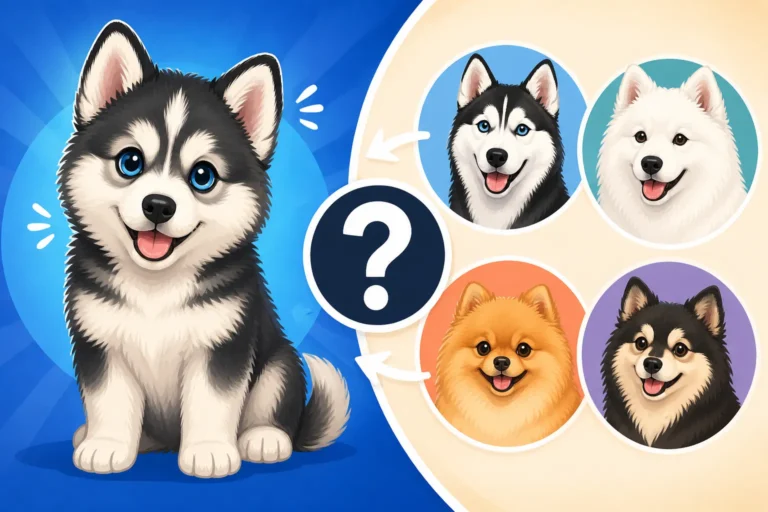
Before the first actual Pomsky litter arrived, there was already a swirling current of desire and speculation online. People had seen images circulating, often mislabeled, of what looked like miniature Huskies. These photos, sometimes featuring Alaskan Klee Kais or even clever digital manipulations, ignited a dream in countless dog lovers: a small, fluffy dog with the striking looks of a Siberian Husky. It created an enormous buzz, a true viral phenomenon that, in retrospect, pretty much invented the demand for a breed that didn't technically exist yet.
The frustration for many aspiring owners was palpable. They would scour the internet, eager to find where they could get one of these "mini Huskies," only to hit dead ends. Breeders of established small breeds like Pomeranians, or even actual Huskies, would shake their heads. "That's not a real thing," they'd say. But the public wanted it, badly. This immense, unfulfilled demand was the spark that ultimately led to serious breeders considering how such a cross could actually be achieved. It wasn't just a casual idea; it was a response to a booming, internet-driven market. You can read more about how this craze began in The Viral Post That Invented Pomsky Demand and how some of those initial images weren't quite what they seemed in The 2011 Photos That Were Not Pomskies.
This period was a wild west of sorts in the online dog community. Everyone was sharing pictures, speculating, and dreaming. The concept of a "designer dog" was still gaining traction, and the Pomsky quickly became the poster child for what people thought was possible. It wasn't about the practicalities; it was about the allure of a truly unique companion that combined the best features of two beloved breeds. This collective yearning really laid the groundwork for anyone brave enough to try and bring the Pomsky from fantasy to reality.
The Landmark Location: Where the Dream Became Reality
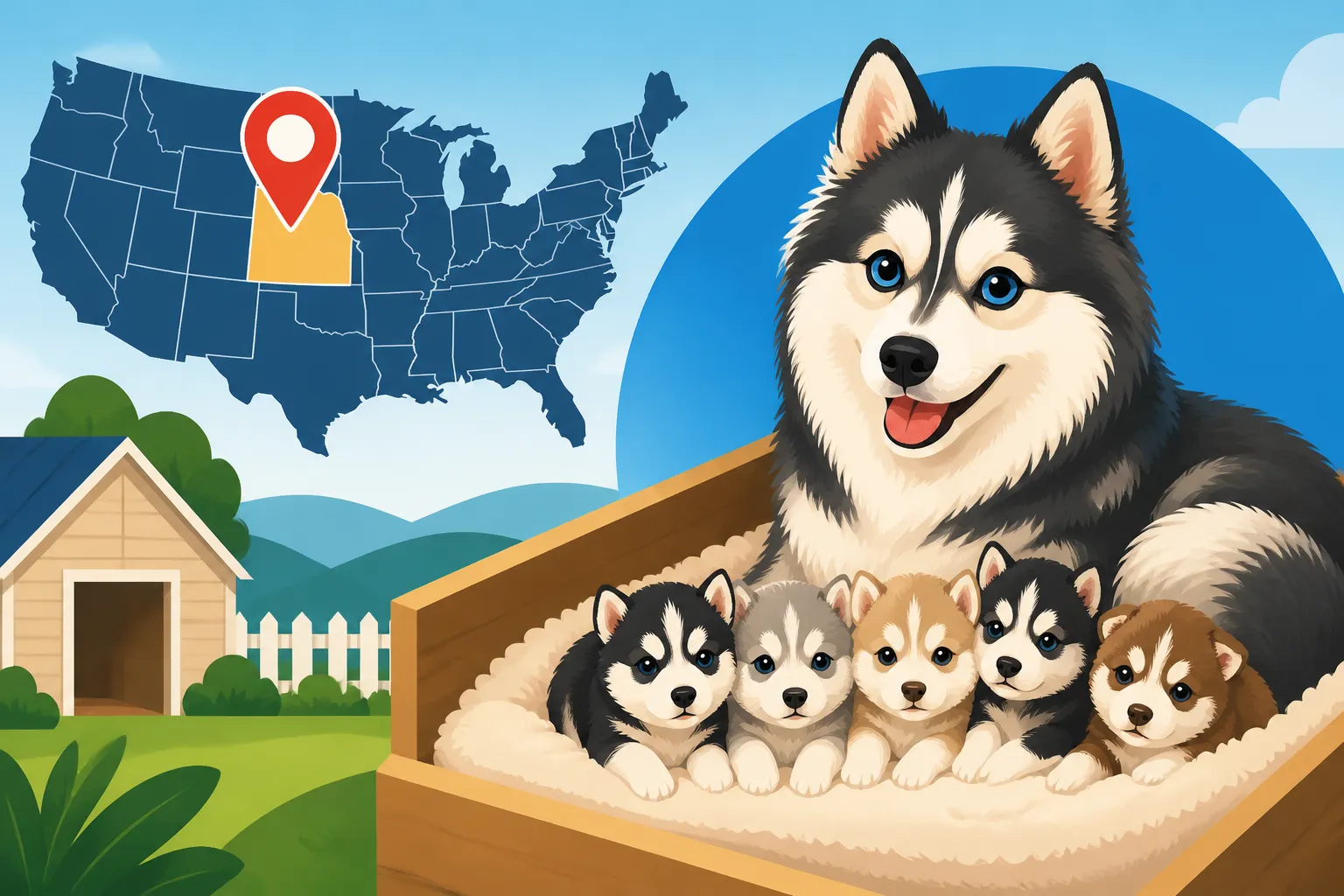
So, where did this highly anticipated canine crossover finally come to fruition in the United States? The distinction of producing the first documented American Pomsky litter generally goes to Arctic Design Pomskies, a kennel operated by Tressa Peterson, and this groundbreaking event took place in Arizona.
Imagine the scene: the scorching sun of Arizona might seem an unlikely backdrop for a breed that traces its lineage to the snow-loving Husky, but it was there, in a planned and meticulous effort, that the first true American Pomsky puppies were born. Tressa Peterson is widely recognized within the Pomsky community as a pioneer, one of the first to deliberately and carefully breed a Siberian Husky to a Pomeranian using artificial insemination. This wasn't a casual backyard breeding; it was a dedicated, thoughtful process undertaken by someone who understood the genetic implications and the very real challenges involved in such a cross.
The reason for the specific location, Arizona, isn't as critical as the deliberate approach of the breeder. What mattered was the commitment to ethical breeding practices from the outset, even in the absence of established breed clubs for Pomskies. Due to the significant size difference between a male Pomeranian and a female Husky (the required pairing for safety reasons), natural breeding is either impossible or incredibly dangerous for the Pomeranian. Therefore, artificial insemination was, and remains, the standard. This method allows for careful selection of parents and bypasses the physical risks. If you're curious about why this breeding method is essential, take a look at Why a Pomsky Cannot Be Bred Naturally. The foresight to use such methods from the very beginning set a standard, albeit an informal one, for responsible Pomsky breeding.
Being at the forefront meant navigating unknown territory. There were no manuals, no established wisdom on what to expect. Every step, from genetic screening of the parent breeds to the intricacies of raising the puppies, was a learning experience. This pioneering effort in Arizona paved the way, demonstrating that a Pomsky could indeed be a real, living, breathing companion, not just a viral image. These first puppies were the true The First American Pomsky Litter, marking a turning point for the breed.
| Aspect of First Litter | Anticipation/Goal | Reality/Outcome |
|---|---|---|
| Origin State | Often unspecified in early hype | Arizona (Arctic Design Pomskies) |
| Breeding Method | Unknown to public, sometimes assumed natural | Artificial Insemination (due to size difference) |
| Breeder Intent | Fulfill market demand for "mini Husky" | Meticulous, ethical cross-breeding |
| Puppy Appearance | Exact miniature Husky replica | Highly variable (F1 generation) |
| Predictability | Assume consistent size/temperament | Wide range of sizes, temperaments, and coats |
| Health Considerations | Hybrid vigor assumed | New cross, need for careful health screening |
The Ripple Effect: How That First Litter Shaped the Pomsky World
The birth of that first litter in Arizona was far more than just a local event; it sent ripples throughout the dog breeding world and the aspiring Pomsky owner community. Suddenly, the "mini Husky" wasn't just a fantasy – it was tangible, adorable, and generating even more excitement. This proof of concept inspired other breeders, both ethical and less so, to try their hand at the Pomsky cross, and the breed began to multiply.
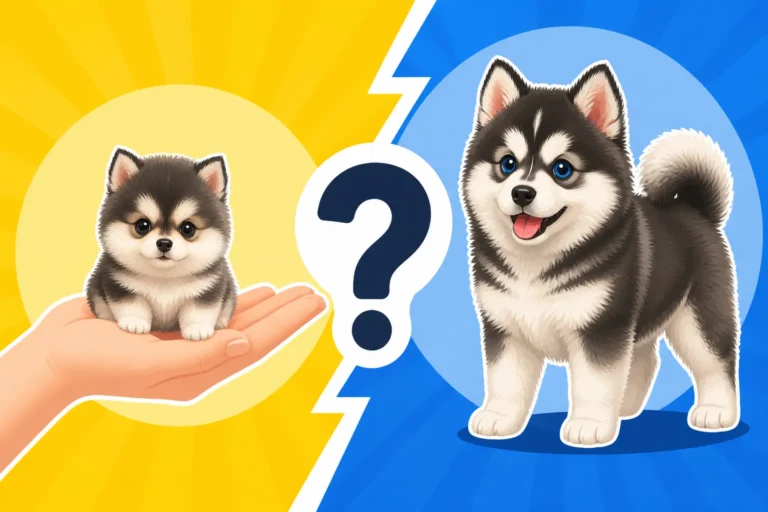
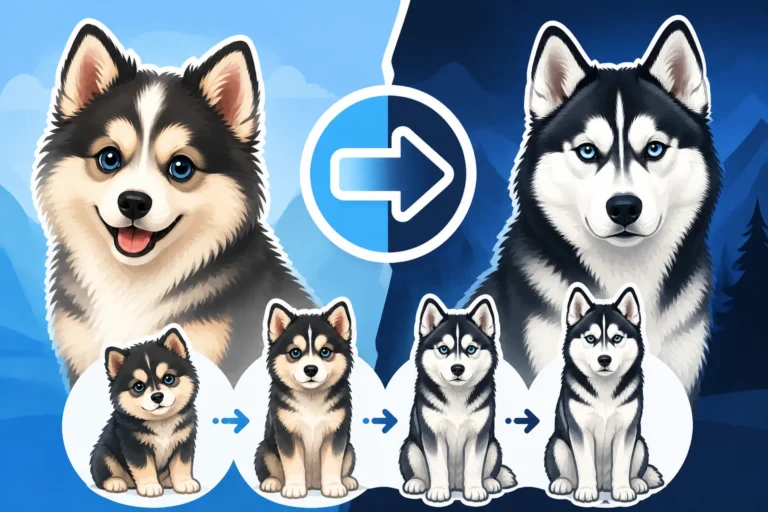
However, with the excitement came challenges. The initial Pomsky litters, being F1 crosses (first generation offspring of a purebred Husky and a purebred Pomeranian), exhibited a wide range of characteristics. Some puppies leaned heavily towards the Husky in appearance and temperament, others favored the Pomeranian, and many were a truly unpredictable mix. This unpredictability could be a source of both delight and frustration for new owners. They might have envisioned a specific look based on those viral photos, only to find their Pomsky grew to a different size or had a different coat type. This is why understanding What an F1 Pomsky Is is so crucial.
To bring some order and ethical guidelines to this rapidly expanding breed, organizations like the International Pomsky Association (IPA) were formed. These groups aimed to establish standards for breeding, health testing, and registration, moving the Pomsky from a mere "designer dog" experiment towards a more recognized and responsibly bred animal. An IPA registration, for example, aims to offer some assurance regarding the puppy's lineage and the breeder's commitment to certain practices, as discussed in What an IPA Registered Pomsky Guarantees. This effort to standardize and professionalize the breeding process directly stemmed from the explosion of interest ignited by those early pioneering litters.
The demand for these puppies skyrocketed, leading to long waiting lists and, unfortunately, some less scrupulous breeders looking to capitalize on the trend. This is where the importance of finding a reputable breeder who prioritizes health and temperament over quick profits truly comes into play. Owners had to learn quickly about the unique needs of a Pomsky, from their dense double coats requiring dedicated grooming tools (which you can easily find on Chewy) to their potential for high energy and intelligence.
Beyond the Birthplace: What Early Owners Experienced
While the genesis of the Pomsky in Arizona was a story of careful planning and anticipation, the experience of bringing one of those early puppies home was often a mixed bag of delightful surprises and unforeseen challenges. These were dogs without a long history, without generations of predictable traits, and that made them incredibly unique companions.
Many early owners discovered that their Pomsky was a delightful blend of independent Husky spirit and affectionate Pomeranian charm. They might have a dog that howled rather than barked, loved to "talk back" with expressive vocalizations, and possessed an astonishing amount of energy packed into a smaller frame. However, they also learned that the strong prey drive inherited from the Husky parent was very real, and the intelligence that made them so trainable also meant they could be quite clever escape artists. Keeping them entertained with puzzle toys or long-lasting chews from places like Chewy became a necessity.
The aesthetic variety in these first-generation dogs was immense. You'd see a Pomsky that looked almost identical to a miniature Husky, complete with striking blue eyes and a thick coat. Then, a littermate might resemble a slightly larger, fluffier Pomeranian. This unpredictability led to some disappointment if expectations were set solely on idealized images, but for those who embraced the individuality, it was part of the charm. Early owners were effectively part of a grand experiment, helping to understand the potential range of this new crossbreed. This experience taught many that when looking for a Pomsky, it's vital to focus on the individual puppy's characteristics and the parents' known temperaments, rather than just a perceived ideal.
Ensuring the health of these pioneering Pomskies was another key learning curve. With no established breed club history, breeders and owners had to be diligent about screening for potential hereditary conditions that could come from either the Husky or Pomeranian lines. Things like patellar luxation, common in smaller breeds, or certain eye conditions inherited from Huskies, needed careful monitoring. This proactive approach to health from early owners and responsible breeders laid the groundwork for the health testing recommendations that are common today. The journey of those first Pomsky owners was about embracing the unknown and learning alongside their truly one-of-a-kind companions.
Disclaimer
This article is for general informational purposes only and does not constitute professional advice. Laws, prices and regulations vary by location and change over time. Consult a qualified professional for guidance on your specific situation.