Whether a Pomsky Inherits Alopecia X
It can be heartbreaking to watch your beautiful Pomsky's luxurious double coat start to thin, revealing patches of darkened skin underneath. Many Pomsky owners find themselves wrestling with the confusing and often frustrating condition known as Alopecia X, or "Black Skin Disease." The big question on everyone's mind is whether this is something their beloved furball was simply born to inherit. This comprehensive guide will delve deep into the genetic underpinnings of Alopecia X, explore how it manifests in Pomskies, and equip you with the knowledge to understand and manage this challenging condition.
Unpacking Alopecia X: What Pomsky Owners Need to Know
Alopecia X is a dermatological condition primarily known for causing symmetrical hair loss and hyperpigmentation (darkening) of the skin in affected dogs. While it goes by many names – Black Skin Disease, BSH (for Black Skin Hyperpigmentation), coat funk, or even just 'alopecia of unknown origin' – the core issue remains the same: a mysterious form of non-inflammatory hair loss. It's often classified as a cosmetic condition, meaning it doesn't typically cause physical pain or discomfort beyond the visual changes, but it can certainly lead to secondary issues if the skin isn't protected.
For Pomskies, whose stunning Husky-like coats are a huge part of their appeal, the onset of Alopecia X can be particularly distressing for owners. Imagine the fluffy, dense fur you adore slowly giving way to bare patches that feel rough and look almost leathery. This isn't just a simple shed; it's a profound change to their physical appearance. The condition is most strongly associated with Nordic breeds and their crosses, particularly the Pomeranian, which is one of the Pomsky's parent breeds. This connection is why Pomsky owners need to be acutely aware of its potential presence in their furry family members. While many dogs will experience a typical shedding cycle as detailed in Whether a Pomsky Blows Its Coat Twice a Year, Alopecia X presents a different, more persistent challenge.
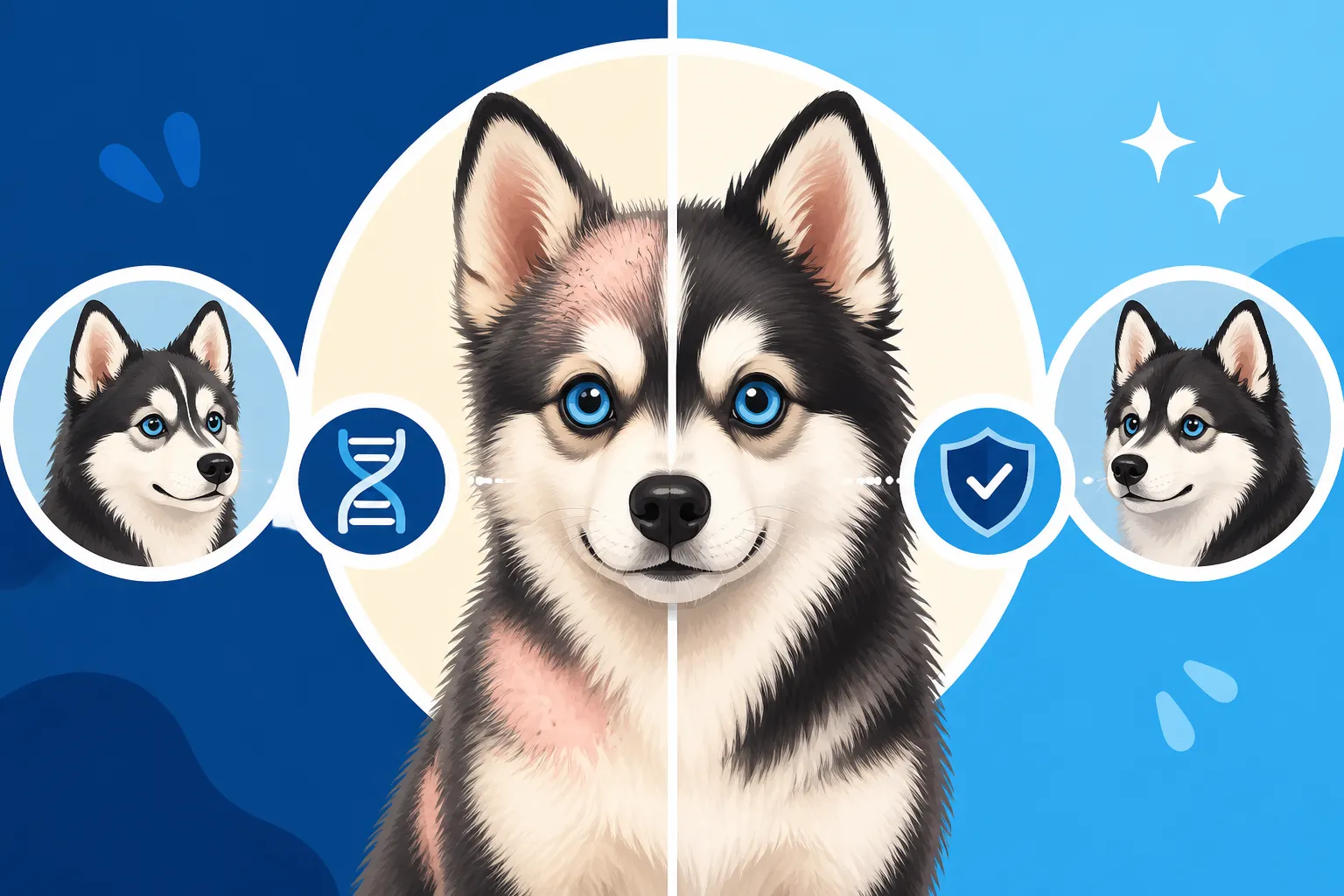
When Alopecia X takes hold, you might first notice the fur thinning, often in areas like the hind legs, flanks, neck, and tail. The guard hairs, those longer, coarser outer hairs, often fall out first, leaving behind a sparse, dull undercoat, or sometimes no hair at all. The underlying skin then starts to darken, sometimes turning completely black, hence the name "Black Skin Disease." It's a progressive condition, meaning it often gets worse over time, though the rate of progression varies greatly from one dog to another.
The Inherited Connection: Unraveling Alopecia X in Pomskies
This is where the inheritance question truly comes into play: can a Pomsky inherit Alopecia X? The answer, unequivocally, is yes. Alopecia X is widely believed to have a genetic component, and given that the Pomeranian breed is highly predisposed to it, it makes sense that their Pomsky offspring can also inherit the propensity for this condition. It's not usually seen in purebred Huskies, which means the genetic link almost certainly comes from the Pomeranian side of the family tree.
The exact mode of inheritance is still under investigation, but it's thought to be complex, possibly involving multiple genes (polygenic) or an autosomal recessive trait. What does that mean for you? If it's recessive, a Pomsky could be a carrier without ever showing symptoms, but if bred with another carrier, their puppies could be affected. This complexity makes breeding decisions challenging and highlights why responsible breeders are so vital. Even seemingly healthy parents can produce puppies with Alopecia X if they both carry the genetic predisposition. This unpredictable inheritance is one reason why questions like Whether an F1 Pomsky Is Healthier Than an F2 are so frequently asked when considering mixed breeds.
The challenge with a condition like Alopecia X is that there isn't a definitive genetic test to pinpoint its presence, unlike some other inherited diseases. This means breeders often rely on observing lineage and monitoring puppies for symptoms, which can be heartbreakingly late in the game for both the dog and the owner. Understanding that this is a genetic predisposition inherited from the Pomeranian side helps explain why some Pomskies develop it and others don't, even within the same litter or bloodline. It's a roll of the genetic dice, and unfortunately, some Pomskies draw the short straw. It's a real worry that Whether Alopecia X Runs in Specific Pomsky Lines is a question many devoted owners have to consider.
Spotting the Early Warning Signs and Getting a Diagnosis
Catching Alopecia X early can help you manage it, but it's often a sneaky condition that creeps up on you. One day your Pomsky has a gorgeous, fluffy tail, and the next, you notice it looks a bit sparse, like a bottle brush. Then, you might see small bald patches appearing on their flanks or hind legs. The First Bald Patch on a Pomsky is often a subtle hint, not a dramatic revelation.
The symptoms typically begin between one and ten years of age, though it’s most commonly observed in young to middle-aged adult dogs. For some Pomskies, it might start with what looks like a prolonged "puppy coat" that never fully matures into the dense adult double coat. The hair loss is almost always symmetrical, meaning if a patch appears on one side, a similar patch will likely appear on the same spot on the other side of their body. The skin in these areas will eventually start to darken, becoming hyperpigmented and often dry or scaly. This isn't just a seasonal shed; it's a persistent, non-itchy hair loss that continues to progress. Sometimes, pet parents might mistake it for something benign, only to realize later that it's a more serious underlying issue. This is why vigilance and knowing what to look for are so important.
Getting a definitive diagnosis for Alopecia X is a process of exclusion. There's no single blood test that says "Aha! It's Alopecia X!" Instead, your vet will need to rule out other, more common causes of hair loss. This often involves a series of tests:
- Thyroid Testing: Your vet will likely check your Pomsky's thyroid function to rule out hypothyroidism, which can cause similar symmetrical hair loss. It's a common initial step, as discussed in Whether a Thyroid Test Rules Out Alopecia X in a Pomsky.
- Adrenal Function Tests: Conditions like Cushing's disease (hyperadrenocorticism) can also present with hair loss and skin changes. Ruling this out is another crucial step, as exploring Whether Cushing's Looks Like Alopecia X in a Pomsky can confirm.
- Skin Scrapes and Fungal Cultures: These are done to check for parasites like mites or fungal infections like ringworm, which can mimic Alopecia X symptoms.
- Biopsy: A skin biopsy is often the most definitive diagnostic tool. While it doesn't show a specific "Alopecia X pathogen," it reveals characteristic microscopic changes in the skin and hair follicles that are consistent with the condition, and, importantly, rules out other causes.
It's a process that can be frustrating for owners, involving multiple vet visits and tests, but it's essential to ensure your Pomsky receives the correct diagnosis and management plan. Remember, while the condition itself isn't painful, the exposed skin can become prone to sunburn or secondary bacterial infections if not properly cared for. Whether a Pomsky With Alopecia X Sunburns is a valid concern that must be addressed with protective measures.
Common Hair Loss Causes in Pomskies: A Comparison
To help you understand the diagnostic journey, here's a quick look at how Alopecia X compares to other common causes of hair loss in Pomskies:
| Symptom / Condition | Alopecia X (Black Skin Disease) | Hypothyroidism | Cushing's Disease | Mites (e.g., Demodex) | Fungal Infection (Ringworm) |
|---|---|---|---|---|---|
| Hair Loss Pattern | Symmetrical, often on flanks, tail, hind legs; guard hairs go first. | Symmetrical, often on flanks, chest, tail; dull coat. | Symmetrical on trunk, thin skin, pot-bellied appearance. | Patchy, localized, often around eyes, mouth, elbows. | Circular, itchy, red patches with broken hairs. |
| Skin Appearance | Darkened (hyperpigmented), sometimes dry or scaly. | Dry, flaky, thickened, sometimes greasy. | Thin, fragile, often pigmented, sometimes bruises easily. | Red, inflamed, sometimes scaly, pustules. | Red, scaly, crusty, can be itchy. |
| Itchiness | Usually non-itchy (unless secondary infection). | Generally non-itchy. | Generally non-itchy. | Often itchy (especially Sarcoptes), but Demodex might not be. | Often very itchy. |
| Other Symptoms | None, dog generally healthy. | Lethargy, weight gain, cold intolerance. | Increased thirst/urination, pot-bellied, panting, muscle weakness. | Redness, localized infection, can spread. | Localized lesions, can spread to other pets/humans. |
| Diagnosis | Exclusion via biopsy, rule out others. | Blood test (thyroid panel). | Blood tests (ACTH stim, low-dose dex suppression). | Skin scrape, microscopic exam. | Fungal culture, UV light (Wood's lamp). |
Navigating Life with an Alopecia X Pomsky: Management and Care
Once your Pomsky has been diagnosed with Alopecia X, the focus shifts from diagnosis to management. It's important to set realistic expectations: there isn't a magical cure that works for every dog. What works for one Pomsky might have no effect on another. The goal is often to manage the symptoms and ensure your dog is comfortable and healthy, even if the coat doesn't fully return to its former glory. This journey can be emotionally taxing, but remember your Pomsky is still the same loving companion.
Treatment Options and Strategies
Several approaches can be taken to manage Alopecia X, and often a combination of these is most effective:
- Neutering/Spaying: This is often the first recommendation, especially for male dogs, as there appears to be a hormonal link for some individuals. For some Pomskies, particularly unneutered males, the change in hormone levels post-surgery can trigger hair regrowth. It’s not a guaranteed fix, but for many, it can be remarkably effective. It's a significant consideration that is explored further in Whether Neutering Triggers a Pomsky's Coat Loss.
- Melatonin Supplementation: Melatonin, a hormone involved in sleep-wake cycles, is a common empirical treatment for Alopecia X. It's thought to influence hair follicle cycles. Some owners report significant hair regrowth with melatonin, while others see no change at all. It's generally considered safe and worth trying, typically given orally. Your vet can advise on appropriate dosages. You can read more about its potential in What Melatonin Does for a Pomsky With Alopecia X.
- Other Supplements: Omega-3 fatty acids, zinc, and other skin-supporting supplements can help maintain skin health and potentially support hair growth, though their direct impact on Alopecia X hair regrowth is often anecdotal. They contribute to overall dermatological health, which is always a good thing.
- Specialized Shampoos and Conditioners: While they won't regrow hair, medicated shampoos can help address secondary skin issues, such as bacterial or yeast infections that might arise on the exposed, hyperpigmented skin. Look for products designed for sensitive or dry skin.
- Addressing Secondary Infections: The darkened, exposed skin can be more susceptible to bacterial or yeast infections. It's crucial to regularly check your Pomsky's skin for redness, itching, or odor and treat any infections promptly with antibiotics or antifungals as prescribed by your vet.
Living with an Alopecia X Pomsky
Beyond medical treatments, daily care and attention are paramount:
- Skin Protection: With less fur, your Pomsky's skin is vulnerable. In sunny climates, apply pet-safe sunscreen to exposed areas or dress them in light, breathable dog clothing. In colder weather, sweaters or coats are essential to keep them warm. Whether Alopecia X Hurts a Pomsky is usually answered no, but sunburn and cold can cause discomfort.
- Grooming with Care: Avoid harsh brushing that can irritate sensitive skin. Use soft brushes and be gentle. And critically, never shave a Pomsky with Alopecia X. Shaving a double-coated breed can disrupt the hair follicles and may even worsen the condition or prevent future regrowth. This is a vital point highlighted in Whether Shaving Triggers Coat Loss in a Pomsky.
- Patience and Persistence: Hair regrowth, if it happens, can be a slow process, sometimes taking months or even a year. Many dogs will have partial regrowth, and some will remain largely bald. Celebrate any progress, no matter how small. It’s a marathon, not a sprint. The question of Whether a Pomsky's Coat Grows Back often depends on the individual dog and the treatment applied.
- Financial Planning: Managing a chronic condition like Alopecia X, with its ongoing vet visits, medications, and special care products, can add up financially. Having pet insurance can offer peace of mind, especially if you enroll early before any symptoms appear. Providers like Healthy Paws are popular choices for comprehensive coverage, helping to cushion the financial blow of chronic conditions. Even for conditions not covered if pre-existing, Healthy Paws can still cover new, unrelated issues.
- Emotional Support: It's okay to feel sad or frustrated about your Pomsky's coat changes. Talk to your vet, connect with other Pomsky owners, or join online communities. Remember, your Pomsky still has the same loving personality and needs your affection and care.
Alopecia X is a challenging condition, but with informed care and a lot of love, your Pomsky can still live a full, happy, and comfortable life. Understanding its inherited nature is the first step toward managing it effectively for your unique furry friend.
Disclaimer
The information provided in this guide is for general educational purposes only and should not be considered a substitute for professional veterinary advice. Always consult with a qualified veterinarian regarding any health concerns or before making any decisions about your pet's medical care.