Whether a Pomsky Needs a Zinc Supplement
It’s natural to worry about your Pomsky's health, especially when you start hearing about specific nutritional needs or potential deficiencies. You might be wondering if your furry friend, with their stunning coat and energetic personality, might benefit from extra zinc, or if adding a supplement could even do more harm than good. This comprehensive guide will walk you through everything you need to know about zinc and your Pomsky, helping you understand when and if supplementation is truly necessary.
Understanding Zinc's Vital Role in Your Pomsky's Health
Zinc isn't just another mineral; it's a powerhouse nutrient involved in countless bodily functions for dogs, just as it is for us. Without adequate zinc, a Pomsky’s immune system wouldn't function optimally, their skin and coat wouldn't look their best, and even their overall growth and development could be impacted. It's a critical component for enzymes that facilitate metabolism, ensuring everything from protein synthesis to carbohydrate breakdown runs smoothly.
Why Zinc is So Important for Dogs
Think of zinc as a quiet, unsung hero in your dog's body. It plays a pivotal role in maintaining a healthy immune system, which is your Pomsky's first line of defense against illness and infection. When zinc levels are adequate, immune cells can perform their jobs efficiently, helping your pup fight off common ailments and recover more quickly. Without it, your Pomsky might seem to catch every little bug going around.
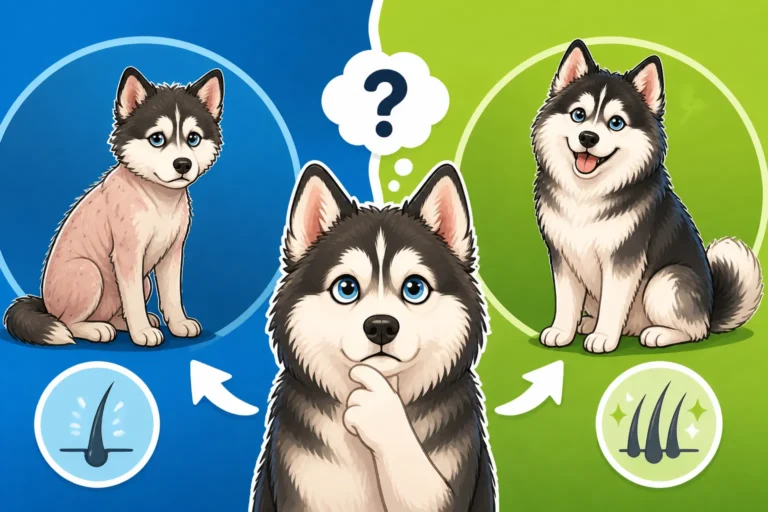
Beyond immunity, zinc is fundamental for healthy skin and a luxurious coat, which is something many Pomsky owners pride themselves on. It contributes to cell growth and division, which is crucial for skin repair and hair follicle health. This means zinc helps keep your Pomsky's skin supple, reduces flakiness, and supports the strong, vibrant double coat they inherit from their Husky and Pomeranian parents. It’s also involved in wound healing, so if your adventurous Pomsky gets a scrape, proper zinc levels can aid in faster recovery.
How Pomskies Might Be More Susceptible to Zinc Issues
This is where the unique genetics of the Pomsky come into play, particularly their Husky heritage. Certain dog breeds, primarily Nordic breeds like the Siberian Husky and Alaskan Malamute, are genetically predisposed to a condition called Zinc Responsive Dermatosis (ZRD). This isn't just a minor issue; it's a serious skin condition where the dog either can't properly absorb zinc from their diet or their body can't utilize it effectively, even if they're consuming enough. Because Pomskies are a mix of Pomeranian and Husky, they can inherit this predisposition.
If your Pomsky carries the genes for ZRD, they might struggle with zinc absorption even on a high-quality diet that would be perfectly adequate for other breeds. This means that while many dogs rarely need a zinc supplement, a Pomsky with this genetic tendency could be an exception. It's not about the diet being poor; it's about the dog's unique metabolic pathway. It’s a frustrating situation for owners because you’re doing everything right, but your pup still isn’t thriving. Understanding this genetic link is crucial before rushing to supplement, as other skin issues can mimic zinc deficiency, and only a vet can truly differentiate. If you're concerned about this, you can learn more about Zinc Responsive Dermatosis in a Pomsky.
Recognizing the Signs of Zinc Deficiency in Pomskies
It can be really distressing to see your Pomsky develop skin issues or general ill health, and it's easy to jump to conclusions or try quick fixes. However, identifying zinc deficiency isn't always straightforward because its symptoms can overlap with other common canine ailments like allergies or other nutritional imbalances. Being observant and working closely with your veterinarian is key to accurate diagnosis.
Common Dermatological Symptoms
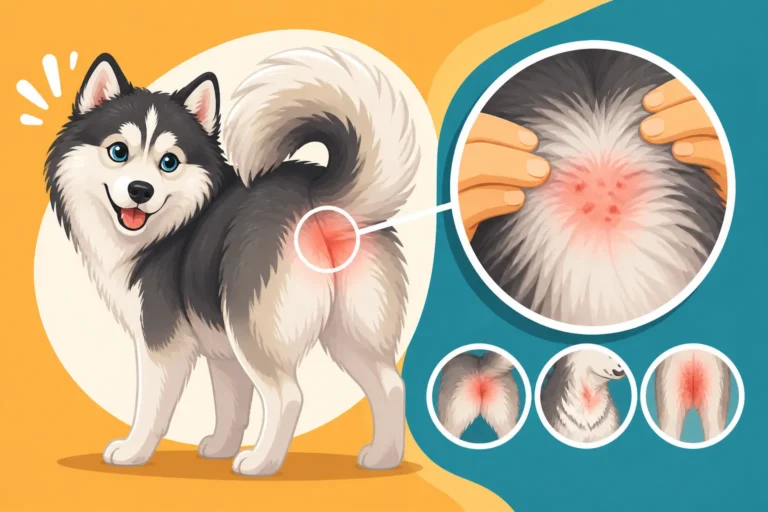
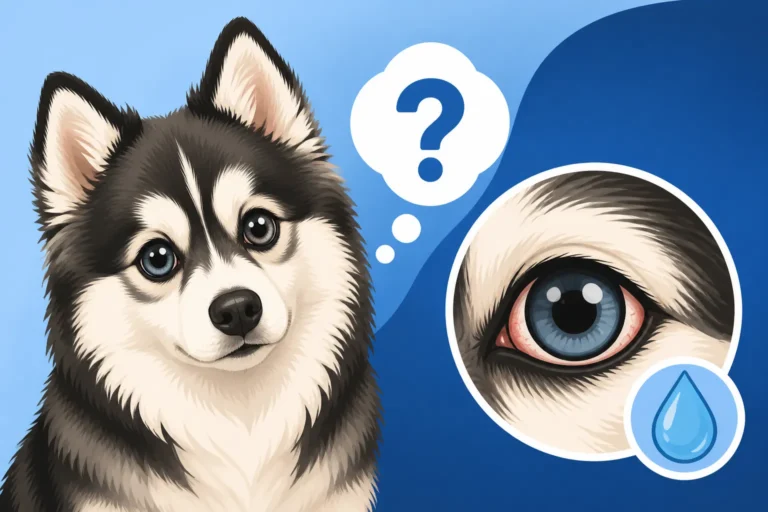
The most noticeable signs of zinc deficiency often manifest on your Pomsky's skin and coat. You might start seeing patches of hair loss, particularly around the eyes, mouth, ears, and pressure points like elbows and hocks. These areas can become scaly, crusty, and thickened, almost leathery to the touch. It's a hallmark symptom that can be quite uncomfortable for your dog. For instance, you might notice Whether a Pomsky's Skin Cracks Around the Mouth, or Whether a Pomsky's Skin Crusts Around the Eyes, leading to irritation and potential secondary infections if not addressed.
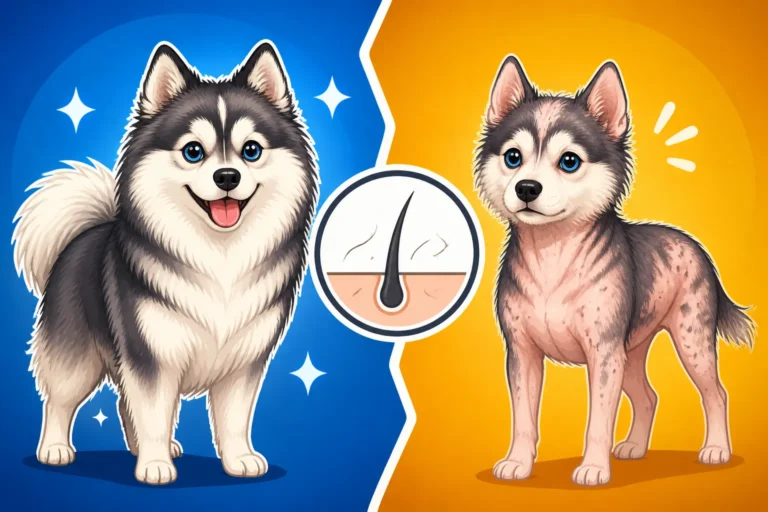
The skin might also appear reddened or inflamed, and your Pomsky could become incredibly itchy, constantly scratching or licking the affected areas. This incessant scratching can further damage the skin, creating hot spots and making the problem worse. The coat itself might lose its luster, becoming dull, brittle, and sparse. While many things can cause skin issues, when these specific symptoms appear in a pattern, especially in a Pomsky, it raises a significant red flag for potential zinc deficiency. This is also why understanding What Alopecia X Does to a Pomsky's Coat is important, as it too presents with skin changes, though different in nature.
Other Health Indicators
While dermatological issues are often the most visible, zinc deficiency can affect your Pomsky in other, less obvious ways. You might notice a decrease in their appetite or even some weight loss, as zinc plays a role in taste perception and digestion. A Pomsky with low zinc might also seem more lethargic than usual, lacking their typical playful energy. They might be slower to heal from minor cuts or scrapes, or generally seem more susceptible to infections. This is due to zinc's crucial role in immune function.
In some cases, especially in young, growing Pomsky puppies, severe zinc deficiency can even impact their growth and development, leading to stunted growth or bone abnormalities. Reproductive issues can also arise in adult dogs, though these are less commonly observed by pet owners directly. It's a systemic problem, not just a skin deep one, which is why a holistic approach to diagnosis is so important. If you observe any of these symptoms, it’s always best to consult your vet to rule out other conditions such as Whether a Pomsky Gets Allergies or hypothyroidism.
Diagnosing and Addressing Zinc Deficiency
If you suspect your Pomsky might be struggling with a zinc deficiency, don't try to self-diagnose or start supplementing on your own. Zinc, like many minerals, can be harmful in excess, so it's vital to get a professional diagnosis. Your veterinarian is your best partner in navigating this, ensuring your Pomsky gets the right treatment without risking over-supplementation.
The Vet's Role: Testing and Confirmation
When you bring your Pomsky to the vet with concerns about skin issues or other symptoms, they will first perform a thorough physical examination and discuss your dog's history, diet, and any medications. To confirm a suspected zinc deficiency, your vet might recommend several diagnostic tests. Blood tests can measure zinc levels, although these can sometimes be misleading as circulating zinc doesn't always reflect tissue levels.
More definitively, your vet might suggest a skin biopsy. This involves taking a small sample of affected skin under local anesthesia to be examined under a microscope. The characteristic cellular changes seen in ZRD are usually conclusive. In some cases, your vet might even recommend a therapeutic trial, where they prescribe a carefully controlled dose of zinc supplement and observe if your Pomsky's symptoms improve. This diagnostic process is crucial because, as mentioned, other conditions can look similar. Your vet needs to understand the full picture, including Whether a Pomsky's Zinc Problem Comes From the Husky or if it's another issue entirely. It's good to know that reputable pet insurance providers like Healthy Paws can often help cover these diagnostic costs, making it easier to pursue the necessary tests.
Dietary Adjustments and Supplementation Strategies
Once a zinc deficiency is confirmed, your vet will work with you on a treatment plan. The first step often involves looking at your Pomsky's diet. Even if it's a high-quality food, certain ingredients can sometimes hinder zinc absorption. For example, diets very high in calcium or phytates (found in some plant-based ingredients) can bind to zinc, making it unavailable to your dog's body. Your vet might suggest switching to a different dog food formulation or reducing certain treats that are high in calcium. This answers the question of Whether a Pomsky Needs Extra Zinc – sometimes it's about better absorption rather than just more intake.
However, for Pomskies with true Zinc Responsive Dermatosis, dietary changes alone are often not enough. This is where supplementation comes in. Your vet will prescribe a specific form of zinc, usually zinc sulfate or zinc methionine, at a precise dosage. It's vital to follow these instructions exactly. This isn't a situation where more is better. Initially, a higher "loading dose" might be given to quickly replenish zinc stores, followed by a lower maintenance dose for long-term management. Many Pomskies with ZRD require lifelong supplementation to keep their symptoms under control.
When and How to Administer a Zinc Supplement
Administering a zinc supplement correctly is just as important as the diagnosis and prescription. Your vet will give you detailed instructions, but generally, zinc supplements are given with food to minimize stomach upset, which can sometimes occur. Consistency is key; aim to give the supplement at the same time each day. If your Pomsky is particularly picky, you might need to hide the pill in a treat, like a small piece of cheese or peanut butter (ensure it's xylitol-free!).
It's important to understand that you likely won't see immediate results. It can take several weeks, sometimes even months, for your Pomsky's skin and coat to show significant improvement. Patience and consistent adherence to the treatment plan are essential. During this period, your vet will likely schedule follow-up appointments to monitor your Pomsky's progress and adjust the dosage if necessary. They might also recommend repeat blood tests or skin assessments to ensure the treatment is effective and that zinc levels are stabilizing without becoming too high. These ongoing veterinary visits are critical, and having robust pet insurance like Healthy Paws can provide peace of mind regarding the costs involved in managing chronic conditions.
Navigating Supplementation Safely and Effectively
Supplementation, even for a necessary nutrient like zinc, is a delicate balance. It's not something to undertake lightly or without veterinary guidance. While we want to ensure our Pomskies are getting all the nutrients they need, giving too much of a good thing can quickly turn it into a bad thing.
The Dangers of Over-Supplementation
Symptoms of zinc toxicity can include vomiting, diarrhea (which might be bloody), loss of appetite, lethargy, and in more severe cases, damage to red blood cells (leading to anemia), kidney damage, and liver failure. It can also cause gastrointestinal upset, impacting your Pomsky's comfort and digestion. This is why buying over-the-counter zinc supplements without a vet's specific recommendation and dosage is incredibly risky. You don't want to trade one problem for a far more dangerous one. Always rely on your veterinarian's expertise to determine if your Pomsky needs a supplement and at what precise dose. They can help you understand What a Zinc Supplement Costs a Pomsky Owner and guide you to safe, effective options.
Choosing the Right Zinc Supplement for Your Pomsky
If your vet has determined that your Pomsky does indeed require a zinc supplement, they will typically prescribe a specific formulation and brand. However, it's still good for you as an owner to understand the options. Generally, zinc sulfate and zinc methionine are the most common and absorbable forms used in veterinary medicine. Zinc picolinate is another option but may not be as readily available in veterinary formulations. Avoid zinc oxide, as it has very poor bioavailability for dogs.
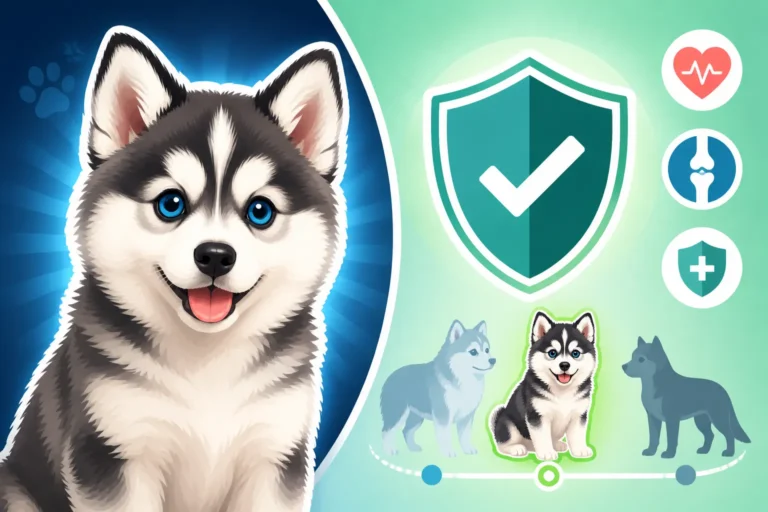
Your vet will consider your Pomsky's specific needs, the severity of the deficiency, and any other medications or health conditions they might have when recommending a product. They’ll also ensure you select a supplement specifically formulated for dogs, as human supplements often contain different dosages or inactive ingredients that might not be suitable or safe for your Pomsky. For information on the specifics, your vet can advise on Which Zinc Supplement Suits a Pomsky. It’s also wise to check with your pet insurance, like Healthy Paws, to see if prescription supplements are covered under your plan, as this can help manage ongoing costs for chronic conditions. Remember, annual health screenings, which might include blood work, can help catch potential issues before they become severe, reinforcing the importance of The Screening a Pomsky Should Have Yearly.
Zinc Deficiency Symptoms in Pomskies
To help you quickly identify potential signs of zinc deficiency, here's a summary of common symptoms. However, remember this information is for awareness and not a substitute for professional veterinary diagnosis.
| Symptom Category | Specific Signs to Watch For | Severity/Notes |
|---|---|---|
| Skin & Coat | Dry, flaky, or crusty skin | Often seen around eyes, mouth, ears, and pressure points. |
| Hair loss (alopecia) | Symmetrical patches, especially on the face and extremities. | |
| Redness or inflammation of the skin | Can be itchy and lead to scratching, licking. | |
| Thickened, "leathery" skin (hyperkeratosis) | Primarily on elbows, hocks, and paw pads. | |
| Dull, brittle, or sparse coat | Lack of shine, poor coat quality. | |
| General Health | Decreased appetite or pickiness | May lead to weight loss over time. |
| Lethargy or reduced energy levels | Your Pomsky seems less active or playful than usual. | |
| Slower wound healing | Minor cuts or scrapes take longer to recover. | |
| Increased susceptibility to infections | Due to impaired immune function. | |
| Growth/Reproduction | Stunted growth in puppies | Less common, indicates severe, chronic deficiency. |
| Reproductive issues in adult dogs | Rare, typically seen in severe, prolonged cases. |
This table highlights the areas where you should pay close attention. If you observe several of these signs, especially the dermatological ones, it’s definitely time to schedule a visit with your veterinarian. They can help differentiate between zinc deficiency and other conditions that might present with similar symptoms.
Disclaimer
This article is intended for informational purposes only and does not constitute veterinary advice. Always consult with a qualified veterinarian for any health concerns or before making any decisions about your Pomsky's diet or supplementation.