Whether a Pomsky Gets Kidney Disease
It’s a real heart-sink moment, isn't it? You’re trying to give your precious Pomsky the best life possible, but with so many potential health concerns in mixed breeds, it's easy to get caught up worrying about what might be lurking around the corner. Kidney disease is one of those big, scary phrases that can send any dog owner into a tailspin, and you want to know if your Pomsky is particularly susceptible. This guide is here to walk you through everything you need to understand about kidney disease in Pomskies, offering clear, empathetic, and detailed information to help you feel more prepared and informed.
Understanding Kidney Disease in Dogs
When we talk about kidney disease, it often feels like a vague, frightening concept. But really, it’s about a vital organ that, over time or suddenly, can struggle to do its job. For us, and especially for our beloved canine companions like our Pomskies, understanding the basics can make a world of difference in catching potential problems early.
What the Kidneys Do for Your Pomsky
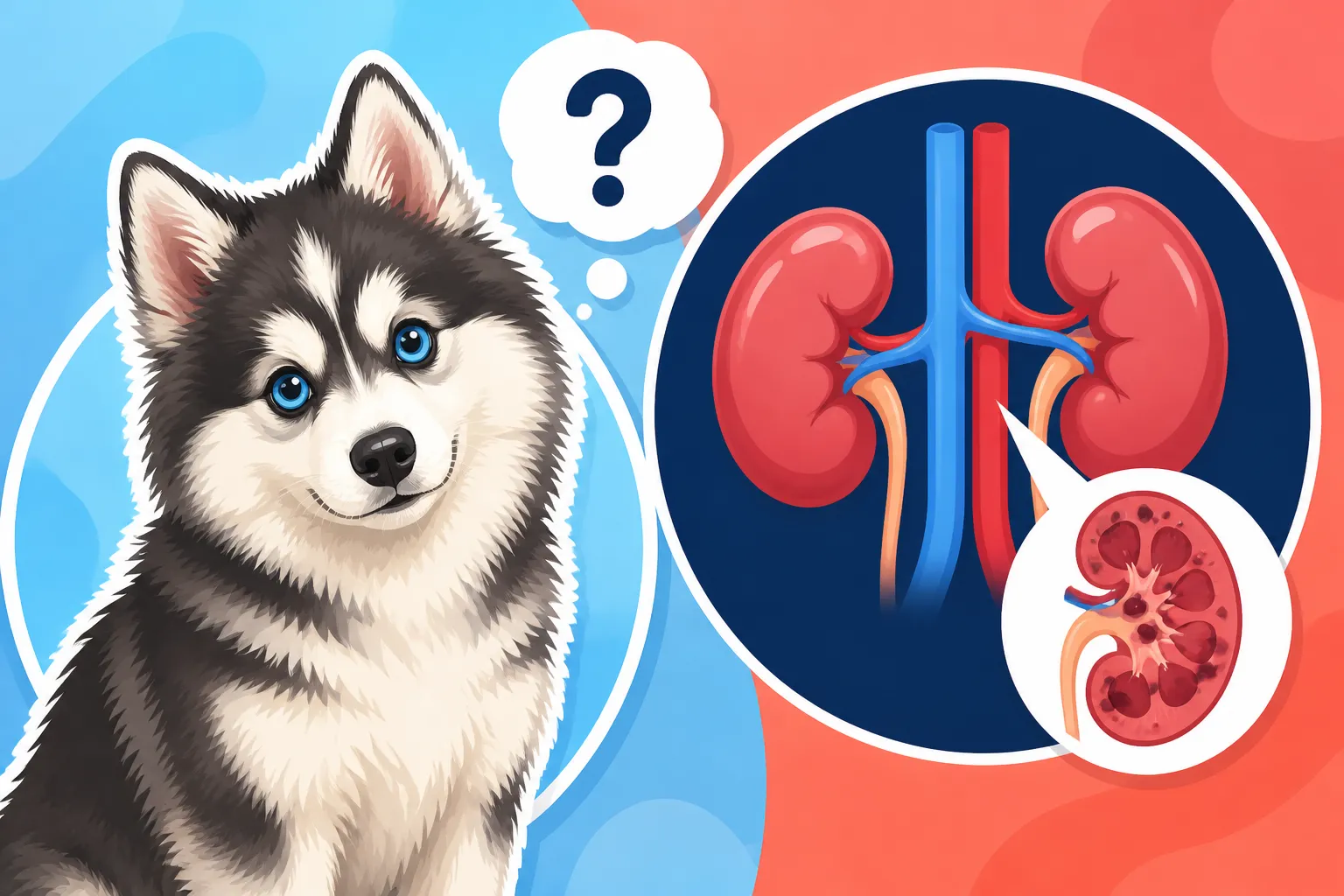
Think of your Pomsky's kidneys as the ultimate filtration system. They're two small, bean-shaped organs tucked away in the abdominal cavity, and their role in maintaining your dog's health is absolutely massive. Primarily, their job is to filter waste products and toxins out of the blood. Every minute, a significant portion of your Pomsky's blood passes through these incredible organs, where metabolic waste, like urea and creatinine, gets separated from the good stuff the body needs to keep.
But it’s not just about waste removal. Kidneys also play a crucial role in maintaining a healthy balance of water, salts, and minerals in the body. They help regulate blood pressure, produce hormones vital for red blood cell production (think energy and oxygen transport!), and even help in maintaining proper calcium and phosphorus levels, which are essential for strong bones and overall cell function. When kidneys start to falter, this delicate balance goes awry, and the waste products build up, leading to a cascade of health issues throughout the body. It’s like a backed-up drain in your house – one problem quickly impacts everything else.
Types of Kidney Disease
Kidney disease in dogs generally falls into two main categories: acute and chronic. Knowing the difference is important because it often dictates the urgency of treatment and the long-term prognosis.
Acute Kidney Injury (AKI) is the sudden onset of kidney dysfunction. This is often caused by a specific, identifiable event or exposure. Imagine your Pomsky accidentally ingesting something toxic, like antifreeze, certain medications, or even some common household plants. A severe infection, a sudden drop in blood pressure, or even an obstruction in the urinary tract can also trigger AKI. The good news is that if caught early and treated aggressively, some dogs can make a full or partial recovery from AKI. It's a critical emergency, and immediate veterinary intervention is paramount. This is where pet insurance, like a plan from Healthy Paws, can be an absolute lifesaver, covering unexpected emergency costs without you having to worry about the financial burden during a stressful time.
Chronic Kidney Disease (CKD), on the other hand, is a much more insidious condition. It develops slowly over months or even years, often with very subtle signs in the early stages. This makes it particularly challenging for owners to detect. CKD is usually progressive, meaning the kidney function gradually declines over time. Common causes include aging, genetic predispositions, dental disease that leads to chronic infections, and long-term inflammation. Because the kidneys have a remarkable ability to compensate, often by working harder, your Pomsky might not show any obvious symptoms until a significant portion of kidney function (sometimes as much as 75%!) has already been lost. This is why regular check-ups and understanding the signs, no matter how subtle, are so incredibly important.
Early Warning Signs to Watch For
The frustrating thing about kidney disease, especially CKD, is how sneaky it can be in the beginning. Our Pomskies are often so stoic, and sometimes the earliest signs are so vague, we might attribute them to normal aging or just a "bad day." But knowing what to look for can literally save their lives.
One of the most common early indicators is a change in thirst and urination. You might notice your Pomsky drinking more water than usual, and consequently, needing to go outside to urinate more frequently, or even having accidents in the house. This increased urination is the kidneys struggling to concentrate urine properly, so more water is needed to flush out the same amount of waste. The urine might appear very dilute, almost like water. You might also notice your Pomsky just not being themselves – a subtle decrease in energy, maybe not as enthusiastic about walks or playtime as they once were. They might start skipping meals or just pick at their food. If you've ever read about things like The Screening a Pomsky Should Have Yearly, you know that a veterinarian will always include a thorough physical exam and blood work that can pick up these changes long before they become outwardly obvious.
As kidney disease progresses, other symptoms can become more pronounced. You might see weight loss, a duller coat, and even bad breath with a distinct ammonia-like odor – a sign of waste products building up in the bloodstream. Vomiting, diarrhea, and a general malaise can also occur. Some dogs with advanced kidney disease may even develop mouth ulcers, particularly on the tongue and gums, due to the toxins circulating in their system. If you notice any of these signs, don't hesitate. A visit to the vet is crucial. Early diagnosis, even of a serious condition like kidney disease, can lead to much more effective management and a better quality of life for your furry friend.
Is Your Pomsky Genetically Prone to Kidney Issues?
When you bring a Pomsky into your life, you're embracing a wonderful mix of two distinct breeds, the Siberian Husky and the Pomeranian. This unique genetic blend often gives them incredible traits, but it also means inheriting a diverse set of predispositions, which is often discussed in resources like The Two Opposite Disease Lists a Pomsky Inherits. When it comes to kidney disease, it’s natural to wonder if either of their parent breeds carries a particular risk.
The Husky and Pomeranian Connection
Let's start with the Siberian Husky side of your Pomsky's family tree. Generally speaking, Siberian Huskies are considered a relatively healthy breed with a good lifespan, often living The Twelve to Fifteen Years a Pomsky Lives. They aren't specifically known for a high incidence of primary kidney disease compared to some other breeds. However, certain conditions that can secondarily impact kidney health, like some autoimmune issues or specific infections, could potentially be passed down.
Now, looking at the Pomeranian influence, these delightful little dogs also boast a respectable lifespan and are generally robust. However, Pomeranians, like many small breeds, can be prone to certain conditions that, while not directly kidney disease, can put stress on the kidneys over time. For example, Dental Disease in a Pomsky's Crowded Mouth is a common issue in small breeds. Chronic dental infections can lead to bacteria entering the bloodstream and impacting various organs, including the kidneys. Additionally, some Pomeranians might be more susceptible to conditions like Whether a Pomsky Develops Diabetes, which, if poorly managed, can eventually lead to kidney complications.
So, while there isn't a direct, overwhelming genetic predisposition to primary kidney disease specifically noted as common in both parent breeds, the mixed genetics of a Pomsky mean they could theoretically inherit lesser-known predispositions from either side. More importantly, the general health of a Pomsky, influenced by diet, environment, and overall care, plays a huge role.
Genetic Testing and Breeder Responsibility
For any responsible breeder, the health of their breeding stock is paramount. While there aren't widespread, specific genetic tests for kidney disease predisposition that are routinely performed for Pomskies or their parent breeds in the same way there are for hip or eye conditions, ethical breeders will take comprehensive steps to ensure the overall health of their dogs. This includes thorough general health screenings, checking bloodwork, and ensuring good health for both the Husky mother and Pomeranian father.
A good breeder will be transparent about the health history of their breeding dogs and their lines, including any known conditions that have appeared. They'll also be actively involved with their vet to ensure their dogs are in peak condition before breeding. While specific kidney disease genetic markers might not be standard, a breeder committed to health will monitor their dogs for any signs of illness, ensuring that only healthy individuals are part of their program. This reduces the likelihood of passing on any underlying weaknesses that might contribute to organ issues down the line. It's crucial to choose a breeder who prioritizes health clearances and openly discusses potential breed-specific concerns, rather than just focusing on appearance or "designer" traits.
Other Factors Influencing Kidney Health
Beyond genetics, many other factors contribute to a Pomsky's kidney health throughout their life. It's a complex interplay, and as owners, we have a significant role to play.
Diet and Hydration: This is huge. A high-quality diet that is appropriate for your Pomsky's age and activity level is foundational. Avoid diets high in phosphorus, especially as they get older, as excess phosphorus can stress the kidneys. Adequate hydration is even more critical. Always ensure your Pomsky has access to fresh, clean water. If your Pomsky isn't a big drinker, consider adding some low-sodium broth to their water, using a pet fountain, or incorporating wet food into their diet to increase water intake. Dehydration, even mild, can put a strain on those hardworking kidneys over time.
Medications and Toxins: Be incredibly careful with medications. Never give your Pomsky human medications without specific veterinary advice, as many are highly toxic to dogs. Non-steroidal anti-inflammatory drugs (NSAIDs), while helpful for pain relief, can impact kidney function if used improperly or in dogs with existing kidney issues. Environmental toxins are another silent threat. Antifreeze, certain pest control products (rodenticides are a big one!), some household cleaners, and even certain plants can cause acute kidney injury. Always keep hazardous materials locked away and be vigilant about what your Pomsky might encounter during walks or in the yard.
Age and Other Illnesses: As our Pomskies reach The Birthday a Pomsky Counts as Senior, their kidneys, like all organs, naturally start to show signs of wear and tear. Regular senior check-ups become even more vital to catch subtle declines early. Furthermore, other health conditions can indirectly impact kidney health. For instance, chronic infections, high blood pressure (hypertension), and even severe pancreatitis can all place stress on the kidneys. This emphasizes the importance of holistic care and addressing any health issue promptly to prevent a domino effect on other organ systems.
Diagnosing and Managing Kidney Disease in Pomskies
Receiving a diagnosis of kidney disease in your Pomsky can be utterly devastating. It’s a moment filled with fear and uncertainty, but it's crucial to remember that a diagnosis is the first step toward effective management. Modern veterinary medicine offers many ways to support dogs with kidney disease, often extending their quality of life significantly.
The Diagnostic Process
When your vet suspects kidney disease, they'll embark on a thorough diagnostic journey. It’s not just one test but a combination that paints a full picture of your Pomsky’s kidney health.
It usually starts with a detailed physical exam and a discussion about any changes you've noticed in your Pomsky's behavior, appetite, or urination habits. From there, your vet will likely recommend blood tests. The key indicators in blood work are:
- Blood Urea Nitrogen (BUN) and Creatinine: These are waste products that healthy kidneys filter out of the blood. If these levels are elevated, it's a strong sign that the kidneys aren't doing their job efficiently.
- Phosphorus: Kidneys also help regulate phosphorus levels. Elevated phosphorus can be a sign of kidney dysfunction and can have detrimental effects on your Pomsky's health.
- SDMA (Symmetric Dimethylarginine): This is a newer, more sensitive marker that can detect kidney disease much earlier than BUN and creatinine, sometimes even when only 25% of kidney function has been lost. It’s a fantastic tool for early detection.
Urine tests are equally vital. A urinalysis will check the specific gravity of the urine (how concentrated it is), which indicates the kidneys' ability to conserve water. Protein in the urine (proteinuria), measured by a urine protein-creatinine ratio, can also signal kidney damage.
Sometimes, additional diagnostics like blood pressure measurement (high blood pressure can both cause and result from kidney disease) and imaging such as an ultrasound or X-rays might be recommended. An ultrasound allows the vet to visualize the kidneys, check their size, shape, and look for any abnormalities like stones or tumors. All of these tests together help your vet understand the extent of the disease and stage it, which guides the treatment plan. If your Pomsky needs sedation or anesthesia for any of these procedures, it's worth discussing whether anesthesia is riskier on a small Pomsky with your vet to ensure all precautions are taken.
Treatment and Management Options
Once diagnosed, the focus shifts to managing the disease and slowing its progression. There’s no cure for chronic kidney disease, but there’s a lot we can do to help our Pomskies live comfortably.
Dietary Management: This is often the cornerstone of treatment. Your vet will likely prescribe a special therapeutic kidney diet. These diets are carefully formulated to be lower in protein (but with high-quality protein to prevent muscle wasting), phosphorus, and sodium, while often being enriched with B vitamins, omega-3 fatty acids, and antioxidants. These changes reduce the workload on the kidneys and help prevent the buildup of harmful waste products. Brands like Hill's Prescription Diet k/d, Royal Canin Renal Support, and Purina Pro Plan Veterinary Diets NF Kidney Function are commonly recommended.
Fluid Therapy: Dehydration is a major concern with kidney disease. Many dogs benefit from increased fluid intake, often through subcutaneous (under the skin) fluid administration at home. Your vet can teach you how to give these fluids, which helps flush toxins and keep your Pomsky hydrated. This might sound daunting, but many owners become absolute pros at it, and it makes a huge difference.
Medications and Supplements: Various medications can help manage symptoms and slow progression. These might include:
- Phosphorus Binders: To reduce phosphorus absorption from the gut.
- Blood Pressure Medications: If hypertension is present.
- Anti-Nausea Medications/Appetite Stimulants: To encourage eating and prevent weight loss.
- Potassium Supplements: If potassium levels are too low.
- Omega-3 Fatty Acids: For their anti-inflammatory effects.
The specific treatment plan will be tailored to your Pomsky’s individual needs and the stage of their kidney disease. The goal is always to improve their comfort and extend their healthy years.
Living with a Pomsky with Kidney Disease
Adjusting to life with a Pomsky diagnosed with kidney disease is a journey, and it’s okay to feel overwhelmed. It requires dedication, vigilance, and often, a significant emotional investment. But the bond you share with your Pomsky is worth every effort.
One of the biggest challenges is maintaining appetite. Dogs with kidney disease can often feel nauseous, and their food might not taste appealing anymore. Trying different kidney-friendly foods (always with vet approval!), warming food, or adding low-sodium broths can sometimes help. Consistency is key, but so is flexibility. Some days might be better than others, and learning to read your Pomsky's cues is essential.
Regular vet visits will become a more frequent part of your routine to monitor blood work and adjust medications as needed. This ongoing care, while absolutely necessary, can be costly. This is where having pet insurance, such as through Healthy Paws, can significantly ease the financial burden, allowing you to focus on your Pomsky's well-being without stressing about vet bills. They understand that long-term conditions require continuous support.
Beyond the medical aspects, focusing on your Pomsky’s quality of life is paramount. Continue to offer them gentle exercise, mental stimulation, and plenty of love and comfort. Understand that there will be good days and bad days. It’s a marathon, not a sprint, and your patience and love are the most powerful tools in your arsenal. Many Pomskies with kidney disease can live fulfilling, happy lives for months or even years with proper management and dedicated care. While difficult to contemplate, knowing What Pomskies Are Most Often Put to Sleep For can help you recognize when the time comes to make difficult decisions, but with careful management, that time can often be delayed considerably.
Proactive Steps for Kidney Health
As Pomsky owners, we want to do everything in our power to keep our furry friends happy and healthy for as long as possible. When it comes to something as crucial as kidney health, proactive measures are key. It’s about building a strong foundation and staying vigilant.
Optimal Nutrition and Hydration
A balanced, high-quality diet is the cornerstone of overall health, including kidney function. For younger, healthy Pomskies, this means a commercial dog food that meets AAFCO standards and is appropriate for their age and size. Look for reputable brands that use quality ingredients. Avoid overly processed foods, or those with excessive amounts of questionable fillers.
More importantly, hydration is absolutely paramount. Always ensure your Pomsky has access to fresh, clean water, 24/7. This might seem obvious, but it’s easy to overlook.
- Multiple Water Bowls: Place water bowls in various locations around your home.
- Water Fountain: Some dogs are enticed to drink more from a circulating pet fountain.
- Wet Food: Incorporating wet food into their diet (or adding water to kibble) can significantly increase their daily water intake.
- Ice Cubes: Many Pomskies love to chew on ice cubes, which is a fun way to get more water into them.
Adequate water intake helps the kidneys function efficiently, flushing waste products and reducing their workload. This simple step can have a profound long-term impact on kidney longevity.
Regular Veterinary Check-ups
You can't overstate the importance of routine veterinary care. For young Pomskies, this means ensuring they're up-to-date on vaccinations and deworming. For adults, an annual wellness exam is crucial. These visits are not just about shots; they are an opportunity for your vet to perform a thorough physical exam, listen to your concerns, and potentially catch subtle changes that you might miss.
As your Pomsky matures, especially once they reach The Birthday a Pomsky Counts as Senior, twice-yearly check-ups are highly recommended. During these senior wellness exams, your vet will likely suggest routine blood work and urinalysis. As mentioned earlier, the SDMA test can detect kidney changes very early, often before any symptoms appear. Catching kidney disease in its earliest stages allows for interventions that can significantly slow its progression and improve your Pomsky's quality of life for a longer period. These regular screenings are your best defense against insidious diseases.
Avoiding Kidney Toxins
We often bring potential toxins into our homes without even realizing the danger they pose to our curious canine companions. Being aware and proactive about removing or securing these items is vital for kidney health.
Common Household Toxins:
- Antifreeze (Ethylene Glycol): This is highly toxic, even in small amounts, and has a sweet taste that can attract dogs. Store it securely.
- Human Medications: Many common over-the-counter and prescription drugs, such as NSAIDs (ibuprofen, naproxen), acetaminophen, and certain heart medications, can cause severe kidney damage in dogs. Never self-medicate your Pomsky.
- Cleaning Products: Bleach, detergents, drain cleaners, and other harsh chemicals can be lethal. Keep them locked away.
- Heavy Metals: Lead, found in old paint or certain plumbing, can accumulate and cause kidney damage.
- Certain Foods: Grapes, raisins, and foods containing xylitol (a sugar substitute found in many sugar-free products) are highly toxic to dogs and can cause acute kidney failure.
- Pest Control Products: Rodenticides (rat/mouse poison) are particularly dangerous as they often contain compounds that cause severe internal bleeding and kidney damage.
Environmental Vigilance:
When you're out and about with your Pomsky, be mindful of their surroundings. Avoid areas that might have been sprayed with herbicides or pesticides, and always supervise them to prevent them from ingesting unknown substances. A Pomsky's natural curiosity and tendency to explore with their mouth can sometimes lead them into dangerous situations, so constant vigilance is your best friend.
By taking these proactive steps—prioritizing excellent nutrition and hydration, scheduling regular vet visits, and diligently safeguarding your home and environment from toxins—you are giving your Pomsky the absolute best chance at maintaining healthy kidneys and enjoying a long, vibrant life by your side.
Disclaimer
The information provided in this guide is intended for educational and informational purposes only and does not constitute veterinary medical advice. Always consult with a qualified veterinarian for any health concerns or before making any decisions related to your Pomsky's health and treatment.