Knowing When an Old Pomsky Has Had Enough
There comes a moment in every pet parent's journey that absolutely guts you: facing the reality that your beloved companion, your senior Pomsky, might be suffering more than they're enjoying life. It’s a decision fraught with guilt, love, and immense sorrow, and often, it feels impossible to know if you're making the right choice, or if you're giving up too soon. This guide is here to walk you through the subtle and not-so-subtle signs your old Pomsky might be telling you they've had enough, helping you assess their quality of life with compassion and clarity, and providing resources for navigating this incredibly difficult time.
Understanding Quality of Life for a Senior Pomsky
When we talk about a dog's "quality of life," it's more than just whether they're still breathing. It encompasses their physical comfort, mental engagement, emotional well-being, and their ability to participate in daily activities that once brought them joy. For a Pomsky, a breed known for its spirited nature and deep connection with its family, a decline in these areas can be particularly heartbreaking to witness. Their energetic, sometimes mischievous personalities shift, and what you see is a shadow of the vibrant companion you've cherished for years.
Many owners struggle with defining "enough." Is it when they stop eating entirely? When they can no longer walk? Or is it something more subtle, a persistent look of discomfort in their eyes, or a profound withdrawal from interaction? There’s no single right answer, and it’s a deeply personal assessment. What one family considers an acceptable decline, another might see as too much suffering. However, arming yourself with objective observations and realistic expectations can make this agonizing process a little clearer. We're looking for a sustained pattern of decline, not just a single bad day.
Think about what your Pomsky truly loves. Is it chasing squirrels in the yard, snuggling on the couch for a long petting session, greeting you at the door with a happy wiggle, or enjoying their meals? When these fundamental joys are consistently gone, or replaced by pain, confusion, or fear, that's when you know it's time to start asking the tough questions. It's about ensuring their remaining time is filled with as much comfort and happiness as possible, rather than prolonging discomfort. This often means carefully observing "The Signs a Pomsky Is Getting Old" and differentiating normal aging from true suffering.
Key Indicators of Declining Health and Well-being
Recognizing the subtle shifts in your senior Pomsky's health and behavior is crucial. These aren't just minor inconveniences; they can be profound indicators of their internal experience. It’s a delicate balance between accepting natural aging and identifying suffering that can no longer be managed.
Physical Discomfort and Mobility Issues
One of the most common and visible signs of declining quality of life in senior dogs, including Pomskies, is chronic pain and difficulty with movement. This can manifest in several ways:
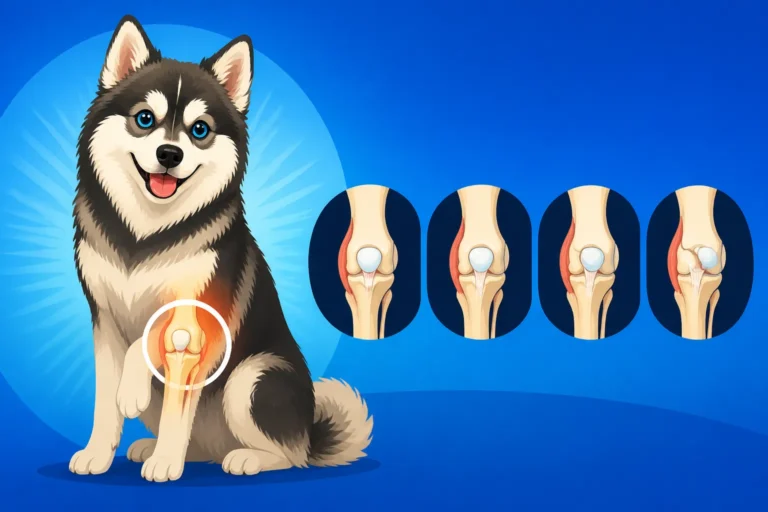
- Difficulty with Stairs or Jumping: Your Pomsky, who once bounded effortlessly onto the couch or bed, now struggles, hesitates, or refuses entirely. This is often a sign of underlying joint pain, which can be caused by conditions like Arthritis in a Pomsky at Ten or even Slipping Kneecaps in a Pomsky that have worsened with age. They might try to jump but cry out, or simply give up, choosing to lie on the floor instead of their favorite cozy spot. Observing these struggles in daily movements is important.
- Stiffness or Limping: After resting, especially in the mornings, your Pomsky might be noticeably stiff. They may limp on one or more legs, or walk with a hesitant, ginger gait. This stiffness often lessens slightly as they "warm up," but it's a clear signal of discomfort. The desire to go for "Exercise for an Old Pomsky" might still be there, but the body simply can't keep up.
- Incontinence: Losing control of bladder or bowel movements, especially indoors, is not just an inconvenience for you; it's distressing for your dog. They might wake up in a puddle, dribble urine as they walk, or have accidents that they can't seem to prevent. This can be due to weakening muscles, cognitive decline, or underlying medical conditions, and it significantly impacts their dignity and comfort, leading to increased anxiety or shame.
- Appetite and Thirst Changes: A once enthusiastic eater suddenly becomes picky, or refuses meals altogether. Conversely, some senior dogs might develop an insatiable thirst, which can be a sign of kidney disease or diabetes. While a fussy day here and there is normal, a consistent lack of interest in food, or noticeable weight loss despite eating, is a red flag. It impacts their energy levels and overall strength. It's important to consider "Feeding an Old Pomsky" and if their current diet is palatable and easy to digest.
- Extreme Lethargy and Weakness: Beyond just slowing down, a Pomsky who is experiencing profound lethargy might sleep excessively, show no interest in walks or playtime, and struggle to stand or stay upright for long. Their muscles might visibly atrophy, and they may seem weak or wobbly. This isn't just "being tired"; it's a persistent lack of vital energy that prevents them from engaging with life.
Behavioral and Emotional Shifts
Pain and physical decline often manifest as changes in behavior and emotional responses. Your Pomsky’s personality can shift dramatically, indicating internal struggle.
- Loss of Interest in Favorite Activities: Does your Pomsky ignore their favorite squeaky toy? Do they no longer greet you excitedly at the door? Have they stopped begging for walks or car rides? When the things that once brought them immense joy no longer hold appeal, it signals a significant decline in their emotional well-being and engagement with life.
- Withdrawal or Increased Irritability: Some senior Pomskies might start to isolate themselves, seeking quiet corners away from family activity. Others might become unusually irritable or even aggressive when touched, especially in painful areas, or when startled. This isn't naughtiness; it's often a desperate plea for space or a reaction to chronic discomfort or confusion. They might snap at children or other pets, which is a stark change from their previous temperament.
- Restlessness, Pacing, or Disorientation: Cognitive dysfunction syndrome (CDS), akin to Alzheimer's in humans, can cause disorientation, anxiety, and changes in sleep-wake cycles. Your Pomsky might pace aimlessly, stare at walls, get "stuck" in corners, or become restless and vocal at night. They might seem confused about where they are or who you are, which is deeply unsettling for both them and you.
- Changes in Vocalization: An increase in whining, howling, or incessant barking, especially without an apparent cause, can indicate pain, anxiety, or cognitive confusion. Similarly, a once vocal Pomsky might become eerily silent, losing their characteristic "talkative" nature, which can also be a sign of withdrawal or severe lethargy. Some owners notice their older Pomsky becomes quite loud at night, struggling to settle, which is a common sign of disorientation.
- Lack of Grooming or Self-Care: Pomskies are generally fastidious, but an older dog in pain or with cognitive decline might stop grooming themselves, leading to a matted or dirty coat, particularly around the rear. This lack of self-care can also lead to skin issues, unpleasant odors, or even Hot Spots Under a Pomsky's Undercoat because they can't reach to scratch or clean themselves properly.
Hygiene and Environmental Awareness
Beyond the more obvious physical and behavioral signs, a deteriorating quality of life can also be observed in a senior Pomsky’s interaction with their environment and their ability to maintain basic hygiene.
- Poor Coat Condition and Body Odor: If your Pomsky can no longer adequately groom themselves, their luxurious double coat can become matted, greasy, or develop an unpleasant odor. This is often exacerbated by urinary or fecal incontinence. A consistently dirty or unkempt coat isn't just aesthetic; it signals a decline in their ability or willingness to perform natural behaviors, which contributes to their discomfort.
- Development of Sores: When a senior Pomsky spends extended periods lying down due to weakness or pain, they can develop pressure sores, particularly on bony prominences like hips, elbows, or hocks. These sores are not only painful but also prone to infection, further compromising their health and comfort. Even with comfortable "Beds That Suit an Arthritic Pomsky," if they aren't changing position frequently, sores can develop.
- Lack of Awareness of Surroundings: A Pomsky who no longer seems to notice you enter the room, who bumps into furniture, or who doesn't react to familiar sounds or sights might be experiencing significant sensory decline, such as Whether an Old Pomsky Goes Deaf or severe vision impairment. While some adjustments can be made, a complete detachment from their environment indicates a profound loss of engagement and enjoyment.
- Loss of Spark or "Joy": This is perhaps the hardest to quantify but often the most telling sign for an owner. You know your Pomsky best. When that sparkle in their eyes is gone, when they no longer seem to find happiness in simple pleasures, and when their overall demeanor is one of resignation or sadness, it's a critical indicator. This isn't just a single bad day; it's a consistent absence of their inherent vitality.
To help you keep track of these observations, here's a simple quality of life checklist that many vets recommend:
| Category | Score 0 (Poor) | Score 1 (Fair) | Score 2 (Good) | Score 3 (Excellent) | Notes |
|---|---|---|---|---|---|
| Pain | Constant, severe | Often in pain | Mild discomfort | None | Is your Pomsky vocalizing pain, guarding areas, reluctant to move, or breathing shallowly? Can pain be managed with medication? |
| Appetite | Refuses food | Picky, infrequent | Eats some meals | Eats eagerly | Is your Pomsky eating enough to maintain energy and weight? Is interest in food gone or diminished? |
| Hydration | Refuses water | Drinks little | Drinks regularly | Drinks eagerly | Is your Pomsky drinking adequate amounts? Check for dehydration (skin tent test). |
| Hygiene | Soiled, sores | Occasional accidents | Clean, few accidents | Self-grooming | Is your Pomsky consistently soiled with urine/feces? Are there pressure sores? Can they clean themselves? |
| Happiness/Joy | Depressed, withdrawn | Seldom shows joy | Some happy moments | Engaged, joyful | Does your Pomsky still interact with family, play (even gently), or show interest in surroundings? Is their "spark" gone? |
| Mobility | Cannot stand | Struggles to stand/walk | Walks with effort | Moves freely | Can your Pomsky get up, walk to potty, move to comfortable spots? How much assistance do they need? |
| Good Days vs. Bad Days | Mostly bad | More bad than good | Even balance | Mostly good | This is subjective but crucial. Over the last week or two, which days outweigh the others? If bad days are more than good days, it's a significant indicator. |
| Overall Score | A score of 0-7 might indicate poor quality of life. 8-14 is fair to good, but monitoring is key. 15-21 is generally good. This is a guide, not a definitive rule. Discuss results with your vet. |
The Role of Your Veterinarian and Professional Support
You are your Pomsky's best advocate, but you don't have to face this journey alone. Your veterinarian is an invaluable partner in assessing your senior Pomsky's quality of life and guiding you through the difficult decisions ahead.
Comprehensive Assessments and Palliative Care Options
Regular veterinary check-ups, even for seemingly healthy seniors, are critical. For a Pomsky who is showing signs of decline, your vet can perform a thorough physical examination, run diagnostic tests (blood work, urinalysis, X-rays), and help pinpoint the exact causes of their discomfort. This is part of "The Screening a Pomsky Should Have Yearly" for all older dogs. Sometimes, what seems like an irreversible decline might be a treatable condition.
Your vet can also discuss palliative care options, which focus on providing comfort and managing symptoms rather than curing a disease. This might include:
- Pain Management: This is often the cornerstone of improving a senior dog's quality of life. Medications like NSAIDs (non-steroidal anti-inflammatory drugs), gabapentin, or other pain relievers can significantly reduce discomfort from arthritis or other chronic conditions. Your vet might also suggest joint supplements, physical therapy, or even acupuncture.
- Mobility Aids: Ramps, slings, supportive harnesses, or even doggy wheelchairs can help a Pomsky with limited mobility still get around and enjoy short walks or time outside. These interventions can buy precious time and maintain some independence.
- Dietary Adjustments: Special senior diets or prescription foods can address specific health issues like kidney disease, liver disease, or dental problems. Softened food, elevated bowls, or appetite stimulants might also be recommended to ensure they get adequate nutrition.
- Environmental Modifications: Discussing how to make your home more accessible and comfortable for your aging Pomsky – non-slip rugs, easily accessible beds, and a consistent routine – can go a long way.
It’s about working together to ensure "What a Pomsky Needs Daily" is met with compassion and medical expertise, aiming to minimize suffering and maximize comfort for as long as possible. If you have pet insurance, like a policy from Healthy Paws, understanding what aspects of palliative care are covered can also help you make decisions without added financial stress.
Discussing Quality of Life Scales and the "Bad Day" Ratio
Many veterinarians use formal or informal quality of life scales, much like the table above, to help owners objectively evaluate their pet's condition. These discussions are incredibly important because they help you step back from the emotional attachment and look at the bigger picture. Your vet can guide you in understanding what constitutes a "good day" versus a "bad day" for your specific Pomsky.
A common rule of thumb is the "more bad days than good days" principle. If your Pomsky is consistently experiencing more days filled with pain, nausea, disorientation, or extreme lethargy than days where they show genuine enjoyment, eat willingly, and interact, it might be time to consider the ultimate act of kindness. This is a conversation you should have openly and honestly with your vet. They can help you interpret your observations and give you an unbiased medical perspective on their prognosis and current comfort levels.
When Euthanasia Becomes the Most Loving Choice
Eventually, despite all efforts, there may come a point when palliative care is no longer sufficient, and your Pomsky's suffering cannot be alleviated. This is when euthanasia becomes the most compassionate choice you can make. It's not about giving up; it's about preventing further pain and distress.
Your veterinarian will explain the process in detail. Many clinics offer options for in-home euthanasia, which allows your Pomsky to pass peacefully in the familiar comfort of their own home, surrounded by their loved ones. This can be a profound gift, reducing stress for both your dog and your family during their final moments. It's a testament to your love and commitment to their well-being throughout "The Twelve to Fifteen Years a Pomsky Lives." Insurance providers such as Healthy Paws sometimes offer coverage or resources for end-of-life care discussions, including euthanasia, so it's worth checking your policy details if you have one.
Making the Heartbreaking Decision and Coping Afterwards
The decision to say goodbye is arguably the hardest part of pet ownership. It’s a profound act of love, borne from the desire to spare your beloved Pomsky further suffering.
Navigating the Final Farewell
Once you, in consultation with your vet, determine that it's time, focus on making your Pomsky's last days as comfortable and loving as possible. Shower them with their favorite treats, gentle petting, and spend quality time together. Consider a special meal, a slow sniffy walk if they're able, or simply quiet cuddles.
When the time for the appointment arrives, whether at the clinic or at home, try to remain calm. Dogs are incredibly attuned to our emotions, and your composure can help ease their anxiety. Be present, speak to them softly, and let them feel your touch. Your vet will administer a sedative first to ensure they are completely relaxed and unconscious, and then a final injection that will gently stop their heart. It’s a peaceful process, and they will feel no pain. This is the ultimate, selfless act of compassion, ensuring that "What Actually Kills Most Pomskies" isn't prolonged suffering.
Grieving and Seeking Support
The grief that follows the loss of a pet is real and can be incredibly intense. It's important to allow yourself to feel that pain and not to dismiss it as "just a pet." Your Pomsky was a beloved family member, and their absence leaves a huge void.
- Allow Yourself to Grieve: Don't suppress your emotions. Cry, talk about your Pomsky, look at photos. There's no right or wrong way to grieve, and there's no set timeline.
- Lean on Your Support System: Talk to friends, family members, or other pet owners who understand. Many communities have pet bereavement support groups, and some veterinary clinics offer resources or counseling.
- Remember Your Pomsky: Create a memorial. This could be a photo album, a framed paw print, a special spot in your garden, or a donation to a rescue in their name. Cherish the memories you made together. "Caring for a Pomsky Past Ten" is a journey filled with love and dedication, and those memories will always be a part of you.
This painful decision is a reflection of the deep love you have for your Pomsky. You gave them a wonderful life, and in their final moments, you chose to protect them from pain. That is the greatest gift of all.
Disclaimer
The information provided in this article is for educational purposes only and is not intended to be a substitute for professional veterinary advice. Always consult with a qualified veterinarian for any health concerns or before making any decisions about your Pomsky's care.