Whether an Untested Pomsky Litter Is Worth Buying
It's an utterly heartbreaking situation that far too many hopeful Pomsky owners find themselves in: you fall in love with a fluffy face online, the price seems a little too good to be true, and the breeder can't (or won't) provide health clearances for the parents. The allure of bringing home a new puppy can be incredibly powerful, making it easy to overlook crucial details. This comprehensive guide is here to walk you through the very real pitfalls of buying an untested Pomsky litter, helping you understand the immense risks involved, what responsible breeders should be doing, and how to protect yourself and your future furry family member from potential heartbreak and massive veterinary bills down the line.
The Allure of a "Good Deal" and the Hidden Costs of Untested Pomskies
Let's be honest, everyone loves a deal. When you're searching for your dream Pomsky puppy, seeing one advertised for significantly less than the typical price range can feel like hitting the jackpot. You might tell yourself that health testing is just an "extra" that reputable breeders charge for, or that a mixed breed is inherently healthier and doesn't need all that fuss. It's a tempting narrative, especially when you're faced with the high cost of a well-bred Pomsky. However, this initial saving often evaporates, replaced by a much larger, more painful expense later on, not just in dollars but in emotional toll.
Understanding the Appeal of Lower Prices
The internet is awash with adorable Pomsky pictures, and unfortunately, many backyard breeders or puppy mills exploit the popularity of this designer breed by offering puppies at seemingly unbeatable prices. They know that the visual appeal is strong, and many buyers are unaware of the hidden complexities behind responsible breeding. These breeders cut corners, and one of the biggest corners they cut is health testing their breeding stock. They save thousands of dollars by skipping comprehensive health screenings for both the Siberian Husky and Pomeranian parents, which directly translates to a lower asking price for you, the unsuspecting buyer. This can feel like a win, but it's often an illusion. You're not just buying a puppy; you're inheriting a genetic lottery ticket that might be rigged against you.
The frustration is understandable. You want a Pomsky, you see a puppy within your budget, and the breeder might even seem friendly enough. They might offer vague assurances like "the parents are healthy" or "they've never had a problem." But without documented proof, these are just words. This lack of transparency means you're flying blind, relying purely on trust without any verifiable evidence to back it up. When it comes to the long-term health of your beloved companion, that's a gamble no one should have to take.
The Silent Language of Breeder Ethics and Transparency
A responsible Pomsky breeder invests heavily in their breeding program. This isn't just about feeding and caring for puppies; it includes extensive health screenings, quality nutrition for the parent dogs, appropriate facilities, early socialization for the puppies, and often, even artificial insemination costs because of the size difference between the parent breeds. These expenses are reflected in the purchase price of a puppy, and for good reason. They are preventative measures designed to give you the best chance at a healthy companion.
When a breeder can't provide health clearances, it's a huge red flag waving silently in the wind. It speaks volumes about their priorities. Are they genuinely committed to improving the breed and ensuring the well-being of their puppies, or are they simply in it for a quick profit? Without documented testing for conditions like hip dysplasia, patellar luxation, eye diseases, and thyroid issues, you have no way of knowing what genetic predispositions your puppy might have. A reputable breeder will not only conduct these tests but will be proud to share the results with you, explaining what each certification means. They understand that transparency builds trust, and trust is foundational to responsible pet ownership.
Specific Health Risks You're Inheriting with an Untested Pomsky
The truth is, while mixed breeds can sometimes be healthier due to hybrid vigor, this advantage is completely negated if the parents carry known genetic diseases. The Pomsky is a cross between two distinct breeds, each with its own set of inherited health concerns. An untested Pomsky litter means you're essentially playing Russian roulette with your puppy's health, unaware of the genetic landmines lurking in their lineage. It's not about being alarmist; it's about being realistic about the very real potential for devastating outcomes.
Common Genetic Conditions in Pomsky Parent Breeds
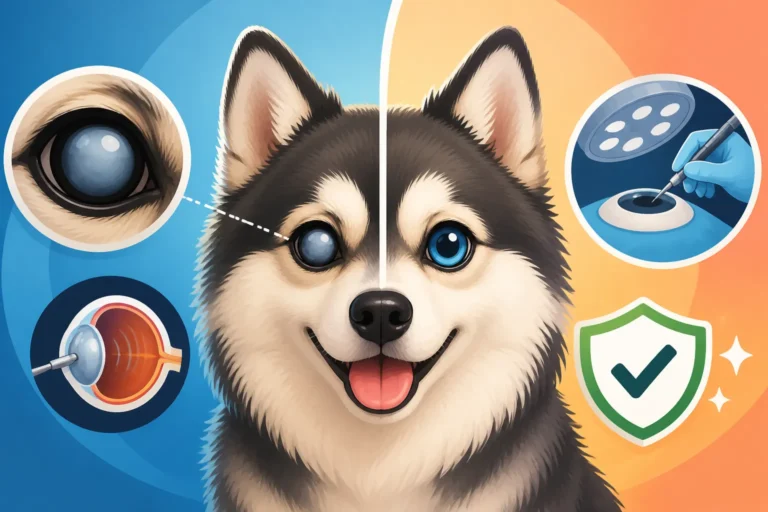
Both Siberian Huskies and Pomeranians bring specific health considerations to the Pomsky genetic pool. For instance, Huskies are prone to certain eye diseases such as progressive retinal atrophy and juvenile cataracts. Imagine the heartbreak of watching your vibrant puppy slowly lose their sight. Pomeranians, on the other hand, are infamous for conditions like collapsing trachea and patellar luxation, which can lead to significant pain and mobility issues.
Here's a quick look at some key concerns:
| Condition | Parent Breed Primary Association | Potential Impact on Pomsky | Relevance of Testing |
|---|---|---|---|
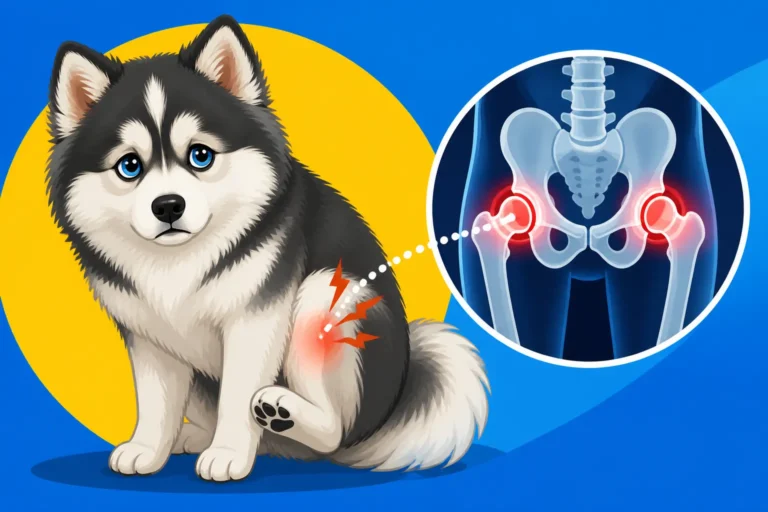
| Hip Dysplasia | Siberian Husky | Painful arthritis, lameness, costly surgeries. | OFA/PennHIP screenings of parents are crucial. |
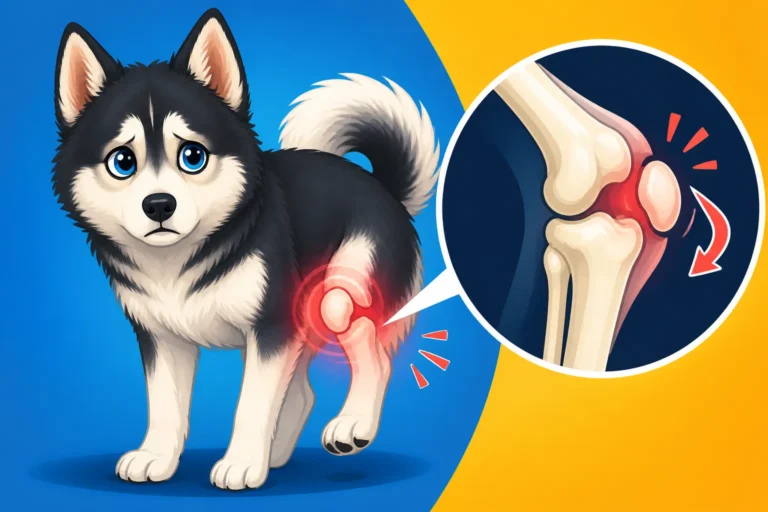
| Patellar Luxation | Pomeranian | "Slipping kneecaps" causing pain, limping, and potential surgery. | OFA patella evaluation of parents is vital. |
| Eye Diseases | Siberian Husky | Cataracts, progressive retinal atrophy (PRA), leading to blindness. | CERF/OFA eye exams (CAER) of parents are essential. |
| Collapsing Trachea | Pomeranian | Chronic cough, breathing difficulties, severe respiratory distress. | Though harder to screen for, healthy lines reduce risk. |
| Dental Crowding | Pomeranian (small mouth) | Overcrowding leading to early dental disease, infections. | Not a direct genetic test, but observation of parents' dental health. |
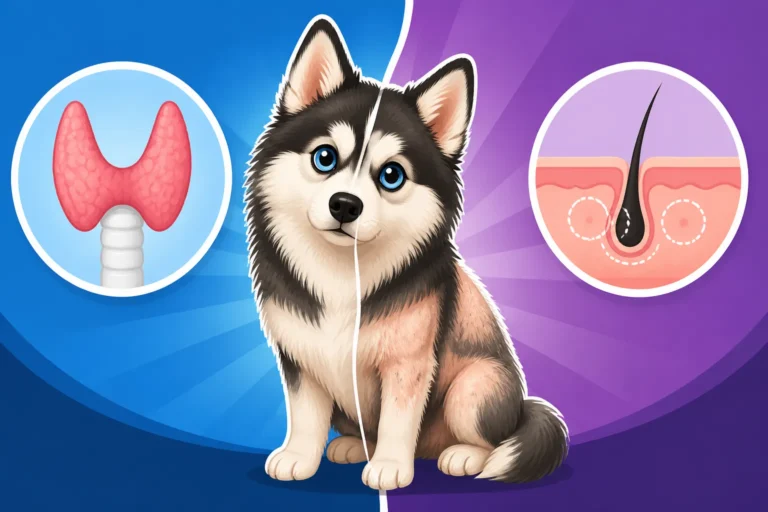
| Hypothyroidism | Both | Weight gain, coat issues, lethargy, requires lifelong medication. | OFA thyroid evaluation of parents. |
Without health testing on the parents, you simply don't know if these conditions are lurking in the genetic background, waiting to emerge in your puppy. It's not about whether your puppy will get these diseases, but about drastically increasing the risk that they could. This isn't just an abstract idea; it's a very real scenario that plays out in countless veterinary clinics every day, often leaving owners with thousands of dollars in medical bills and a pet enduring chronic pain.
The Importance of Breed-Specific Health Screenings
Responsible breeders don't just guess; they perform specific health screenings recommended by veterinary geneticists and breed clubs for both parent breeds. For example, a good breeder will have certifications from the Orthopedic Foundation for Animals (OFA) for their Husky's hips and elbows to check for conditions like Hip Dysplasia in a Twenty Pound Pomsky. They'll also have OFA patella evaluations for the Pomeranian parent to rule out Slipping Kneecaps in a Pomsky. Eye exams, often certified by the Canine Eye Registry Foundation (CERF) or OFA Eye Certification Registry (CAER), are critical for both parent breeds to screen for hereditary eye conditions like those listed in The Eyes a Pomsky Gets From the Husky.
These aren't just arbitrary tests; they are scientifically backed methods to assess the genetic health of breeding dogs and significantly reduce the likelihood of passing on painful and costly diseases to their offspring. Without these screenings, you're not getting a "deal"; you're buying a heightened risk. Think of it this way: would you buy a car without an inspection, especially if the seller refused to let you look under the hood? Your puppy's health and future well-being are far more important than a car. If a breeder avoids these basic steps, it's a clear indication that they are not prioritizing the health of their puppies, and neither should you compromise on such a vital aspect.
What a Responsible Pomsky Breeder Does Differently
Choosing a reputable breeder is paramount to ensuring you bring home a healthy, well-adjusted Pomsky. It's about more than just finding someone who sells puppies; it's about partnering with someone who cares deeply about the welfare of their dogs and the future of the breed. These breeders are transparent, educated, and go above and beyond to minimize risks. They understand that the true value of a puppy isn't just its immediate cuteness, but its long-term health and temperament.
The Non-Negotiables of Health Testing in Breeding Dogs
When you talk to a truly responsible Pomsky breeder, health testing won't be an afterthought; it will be a cornerstone of their breeding program. They will be eager to discuss the specific health tests they perform on their breeding pair, and crucially, they will provide verifiable documentation. This isn't about simply saying "my dogs are healthy" – it's about proving it with certifications and results from veterinary specialists.
Here’s what you should expect to see documentation for:
- OFA/PennHIP for Hips: Especially for the Husky parent. This assesses the dog's hips for signs of hip dysplasia. A "good" or "excellent" rating is what you want to see.
- OFA Patella Evaluation: Crucial for the Pomeranian parent, this screens for patellar luxation. Look for a "normal" rating. You can learn more about specific concerns in Slipping Kneecaps in a Pomsky.
- OFA Eye Certification (CAER/CERF): Annual eye exams by a veterinary ophthalmologist to check for hereditary eye conditions common in both Huskies and Pomeranians. This helps prevent issues like The Juvenile Cataracts a Pomsky Gets From the Husky.
- OFA Thyroid Evaluation: To check for hypothyroidism, a common issue in many breeds that can affect overall health and coat quality.
- Genetic Panels: Many breeders also conduct DNA tests for various genetic diseases specific to the parent breeds, such as von Willebrand's Disease or certain neurological conditions, even if less common in Pomskies specifically.
A breeder who provides these certifications isn't just asking for more money; they're investing in your future peace of mind and the well-being of the puppy. They are actively working to breed out inheritable diseases, not perpetuate them. Don't be afraid to ask for these documents; a good breeder expects it and will have them ready.
Beyond Health Tests: Other Markers of a Reputable Breeder
While health testing is non-negotiable, a reputable breeder demonstrates their commitment in many other ways. It’s a holistic approach to breeding that prioritizes the welfare of every dog involved.
- Transparency and Communication: They will be open about their breeding practices, answer all your questions thoroughly, and even ask you plenty of questions to ensure their puppy is going to a good home. They won't rush you or pressure you into a sale.
- Puppy Environment: They will raise puppies in a clean, stimulating home environment, not in outdoor kennels or isolated facilities. Puppies should be well-socialized, exposed to household sights and sounds, and interact positively with people.
- Parent Dog Access: You should be able to meet the mother (dam) of the litter, and ideally, learn about the father (sire). Observe their temperament and health. If a breeder is hesitant to let you see the dam or the living conditions, consider it a major red flag.
- Age-Appropriate Placement: Puppies should not be sent home before 8 weeks of age, giving them crucial time with their mother and littermates for proper development and socialization.
- Health Guarantees and Contracts: A responsible breeder will offer a health guarantee, typically for a certain period, against life-threatening genetic defects. This should be clearly outlined in a written contract. It's good to understand What a Pomsky Health Guarantee Covers before committing.
- Lifetime Support: They will offer ongoing support and advice for the lifetime of your dog, often asking for updates and being available for questions. Many will require that the dog be returned to them if you can no longer care for it.
- Registration and Pedigree: While the Pomsky is a hybrid, many reputable breeders register their parent dogs with their respective breed clubs (AKC for Huskies and Pomeranians) and their Pomskies with associations like the International Pomsky Association (IPA) to track lineage and enforce ethical breeding standards. This helps inform future breeding decisions and gives you a better sense of your puppy's heritage.
If a breeder ticks all these boxes, they are genuinely putting the dogs first. This careful approach also means their puppies will generally cost more, but it’s an investment in a potentially healthier, happier companion. Sometimes, people wonder Whether an F1 Pomsky Is Healthier Than an F2; a good breeder will be able to discuss the nuances of generations and the efforts they make to ensure health regardless of the F-generation.
Navigating the Aftermath: What to Do If You've Already Purchased an Untested Puppy
It's a tough pill to swallow, but if you've already brought home a Pomsky puppy from an untested litter, the past is the past. Dwelling on regrets won't help your new furry friend. What will help is being proactive, informed, and prepared for potential challenges. Your focus now shifts to managing your puppy's health to the best of your ability and ensuring they have a wonderful life, no matter what genetic cards they were dealt.
Proactive Veterinary Care and Early Detection
The first and most important step is to establish a strong relationship with a veterinarian you trust. Be completely transparent with them about your puppy's background, including the lack of parental health testing. This information is crucial for them to tailor a proactive health plan.
Here's what proactive care might look like:
- Comprehensive Initial Exam: Beyond the standard puppy checks, discuss with your vet any breed-specific concerns they recommend monitoring. Given the parent breeds, they might suggest keeping a close eye on joint development, listening for heart murmurs, or examining the patellas.
- Regular Check-ups: Don't skip annual wellness exams, especially as your Pomsky enters their senior years. Early detection of issues like Dental Crowding in a Pomsky's Small Mouth or potential thyroid problems can make a huge difference in treatment success.
- Diet and Exercise: Provide a high-quality diet appropriate for their age and activity level. Ensure they get adequate, but not excessive, exercise to support healthy joint development. Avoid strenuous, high-impact activities for young puppies that could stress developing bones and joints, especially if there's a predisposition to issues like patellar luxation or hip dysplasia.
- Awareness of Symptoms: Familiarize yourself with the signs of common Pomsky health issues. For example, a sudden honking cough could be a sign of The Collapsing Trachea a Pomsky Gets From the Pomeranian, or a subtle limp might indicate developing joint problems. The earlier you notice something, the sooner your vet can intervene.
- Diagnostic Screenings: As your Pomsky grows, your vet might recommend certain screenings that a responsible breeder would have done on the parents. This could include X-rays to assess hip and elbow health at an appropriate age, or follow-up eye exams by a specialist. While these won't change genetics, they can help you detect problems early and plan for management.
By being vigilant and working closely with your vet, you can often mitigate the impact of potential genetic predispositions or catch problems before they become severe.
Financial Preparedness for Unexpected Health Issues
This is where the initial "savings" on an untested puppy often lead to the greatest financial strain. Without health clearances, the likelihood of facing significant veterinary expenses for inherited conditions increases dramatically. It's not a matter of if, but often when. Preparing for this reality is crucial.
- Pet Insurance: This is a non-negotiable for many owners of untested puppies. Look into reputable pet insurance providers like Healthy Paws. Understand what their policies cover and what they exclude. Some policies might have waiting periods or exclude pre-existing conditions, so enrolling your puppy as early as possible is key. While some policies might have exclusions for certain breed-specific issues depending on the insurer's terms, a comprehensive plan from Healthy Paws could be a lifeline.
- Savings Account: Even with pet insurance, you'll likely have deductibles and co-pays. Consider setting up a dedicated savings account specifically for your dog's veterinary needs. Even putting away a small amount each month can quickly accumulate and provide a cushion for unexpected emergencies or chronic care. It’s wise advice to be diligently Setting Money Aside for a Pomsky's Vet Bills.
- Budgeting for Ongoing Care: Remember that managing chronic conditions like severe arthritis from hip dysplasia or lifelong medication for hypothyroidism can be very costly. Factor these potential ongoing expenses into your monthly budget. Pet insurance from providers like Healthy Paws can help manage these long-term costs, but it's important to understand your policy's limits and coverage. You'll want to investigate What Insuring a Pomsky Runs Monthly and if specific conditions like Whether Patella Trouble Is Excluded on a Pomsky Policy are covered.
While the emotional cost of dealing with a sick pet is immeasurable, being financially prepared can alleviate a significant portion of the stress. Taking these proactive steps will ensure you can provide the best possible care for your Pomsky, regardless of their genetic lottery, and give them the happy, comfortable life they deserve.
Disclaimer
This guide is intended for informational purposes only and does not constitute veterinary advice. Always consult with a qualified veterinarian for any health concerns or before making any decisions about your pet's care.