What Happens When a Pomsky Grows Bigger Than Sold
One of the biggest anxieties for prospective Pomsky owners is the unpredictable nature of their adult size, often leading to a dog much larger than anticipated. This can throw a wrench into everything from living arrangements to financial planning. This comprehensive guide will delve into why Pomskies can grow larger than expected, the practical and emotional fallout, and how to best prepare and adapt.
The Unpredictable Nature of Pomsky Size
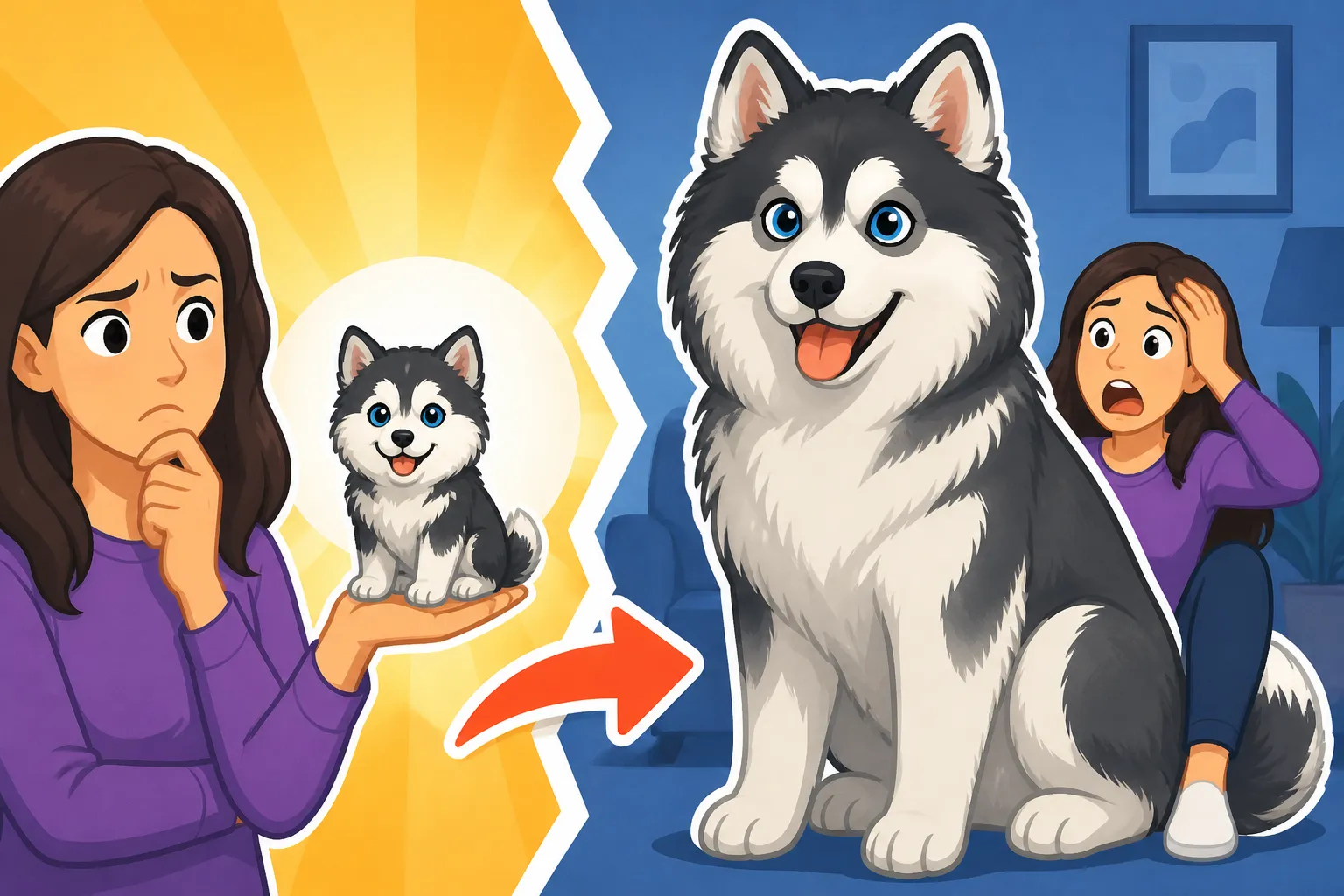
When you first fall in love with the idea of a Pomsky, you likely picture that adorable, fluffy "miniature husky" that’s small enough to cuddle on the couch but still embodies the spirited look of its larger Siberian parent. The reality, however, can sometimes diverge quite significantly from this initial dream. Pomskies are a hybrid breed, and with hybrids comes an inherent level of unpredictability in traits like size, temperament, and coat type. It's a roll of the genetic dice, even with the best breeding practices.
Genetics at Play: The Blend of Husky and Pomeranian
At the heart of Pomsky size unpredictability is the stark difference between its parent breeds: the Siberian Husky and the Pomeranian. Siberian Huskies are medium to large dogs, typically weighing between 35 and 60 pounds, while Pomeranians are small, usually weighing 3 to 7 pounds. When you cross these two, the genetic possibilities for size are vast. A Pomsky puppy inherits a mix of genes from both parents, and there’s no guarantee which genes will be dominant for traits like skeletal structure, muscle mass, and growth rate. This genetic lottery means one puppy in a litter could lean heavily towards the Pomeranian’s smaller stature, while a sibling could take after the Husky, growing much larger than expected.
It's not uncommon to see a wide range of sizes even within the same litter, making it incredibly difficult to accurately predict a puppy's adult weight and height. Some breeders might try to predict adult size based on puppy paw size or current weight, but these are often educated guesses at best. The growth plates in a puppy's bones don't fully close until they're often over a year old, meaning they can continue to fill out and grow even after their initial rapid puppy growth phase. This extended growth period adds another layer of uncertainty for owners hoping for a truly compact companion.
Breeder Guarantees and Their Limitations
Many reputable Pomsky breeders strive to give prospective owners the most accurate size estimates possible. They might base these predictions on the size of the parent dogs, the genetic lines, and the previous litter averages. However, it’s crucial to understand that even the most experienced breeder cannot offer an iron-clad guarantee. Genetics are simply too complex. A breeder might project a 20-pound adult Pomsky based on the parents, only for the puppy to surprise everyone and reach 30 or even 40 pounds.
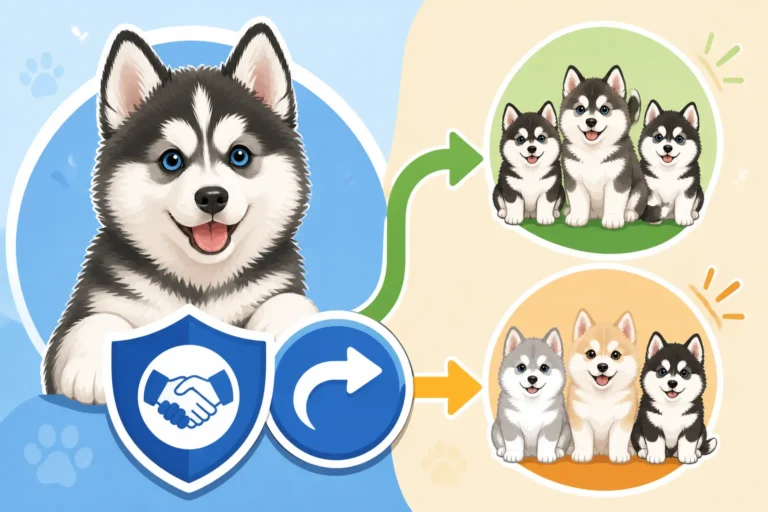
It's important for buyers to read their contracts carefully. While a good breeder will often offer a health guarantee, a "size guarantee" is far less common or precise. If a breeder does offer one, it's typically framed with a range (e.g., "expected to be between 15-25 pounds") rather than an exact number. Buyers should discuss with their breeder what a size guarantee actually entails, and what remedies, if any, are available if the dog exceeds the agreed-upon range. Remember, a good breeder prioritizes health and temperament above all, and while size is a factor, it’s still highly variable in these crosses. If you're wondering Whether a Pomsky Breeder Can Guarantee Adult Size, the answer is usually with a significant margin of error.
F1, F2, and Beyond: Understanding Generations
The generation of your Pomsky (F1, F2, F1b, etc.) also plays a significant role in predicting size and other traits. An F1 Pomsky is a first-generation cross, meaning it has one purebred Siberian Husky parent and one purebred Pomeranian parent. These F1 crosses tend to have the most variability in size and appearance, as the genetic expression is a fresh mix. You might get a pup that looks exactly like a mini Husky, or one that’s a dead ringer for a large Pomeranian, or anything in between.
As you move into F2 (Pomsky bred to Pomsky) or even F1b (F1 Pomsky bred back to one of the parent breeds, often a Pomeranian to reduce size), breeders are trying to create more consistency. However, even in later generations, complete predictability is elusive. While F2 and F3 generations might show slightly more uniformity, the inherent genetic diversity still means that a seemingly small puppy can still grow larger than anticipated. Understanding these generational differences is key to managing expectations when considering a Pomsky, as each generation comes with its own set of probabilities for size, coat, and temperament.
Immediate Reactions: Disappointment and Practical Concerns
Bringing a new puppy home is an exciting time, filled with dreams of future adventures and cuddles. When that puppy starts to grow unexpectedly large, the initial joy can quickly give way to a mix of emotions, from surprise and confusion to outright disappointment. This isn't about loving your dog any less, but about the clash between your carefully laid plans and the reality unfolding before you. It's a valid feeling, and many Pomsky owners have been right where you are.
The Initial Shock and Emotional Impact
Imagine you've prepared for a dog that fits neatly into a travel carrier, can be easily picked up, and will be comfortable in a medium-sized dog bed. Then, your beloved Pomsky puppy keeps growing past the promised 15-20 pounds, pushing 30, 40, or even more. The emotional impact can be significant. There's a sense of bewilderment, perhaps even betrayal, if you felt misled. You might feel a pang of guilt for even having these thoughts, but it's a natural reaction when expectations are not met. You chose a Pomsky for specific reasons, often related to their "compact Husky" appeal, and seeing those expectations unmet can be genuinely upsetting.
Beyond disappointment, there can be a real sense of worry. Will your larger dog still be able to come on all the adventures you planned? Will they fit in your apartment? This emotional rollercoaster is part of the experience for many Pomsky owners who find their "mini" Husky growing into something closer to a regular-sized one. It's okay to feel these emotions, but the next step is figuring out how to navigate the practicalities.
Fitting into the Home and Lifestyle You Planned
One of the most immediate practical concerns for an unexpectedly large Pomsky is how they will fit into your living situation. If you live in a small apartment in a bustling city like New York or San Francisco, a 40-pound dog is a very different proposition than a 15-pound one. A larger dog requires more space to move around, a bigger crate, and potentially more robust furniture to withstand their playful antics. The dog bed you carefully selected from Chewy for a small breed might suddenly be comically undersized.
Your lifestyle might also need re-evaluation. Were you planning on carrying your Pomsky in a bag on public transport? That might become impossible. Did you envision quick walks around the block? A larger dog often has greater exercise requirements, meaning longer, more vigorous walks or additional playtime. This shift in needs can impact your daily schedule, travel plans, and even your ability to continue with certain hobbies or social activities. It’s a genuine challenge that often requires significant adjustments, and it's one of the reasons Why Pomskies Are Surrendered when owners aren't prepared for the reality.
Addressing the Breeder: What to Expect
Once you realize your Pomsky is outgrowing its estimated size, your first instinct might be to contact the breeder. It's important to approach this conversation calmly and with an understanding of the genetic realities. Share your concerns and the dog's current weight. A responsible breeder will likely express empathy and may offer advice, but as discussed, a firm "size guarantee" is rare. Some contracts might have clauses regarding unexpected size, often offering a partial refund or credit towards a future puppy, but these are not universal.
Before reaching out, review your purchase contract carefully. See what, if anything, it says about size discrepancies. Understand that the breeder also can't magically shrink your dog. The goal of this conversation is typically not to "return" the dog you've already bonded with, but to understand if there are any contractual obligations from the breeder's side or if they can offer support or advice in managing an unexpectedly larger dog. It's a chance to open a dialogue, not to place blame, as this unpredictability is a known characteristic of the breed. For a deeper dive, check out Whether a Contract Covers an Oversized Pomsky.
Financial Implications of an Unexpectedly Large Pomsky
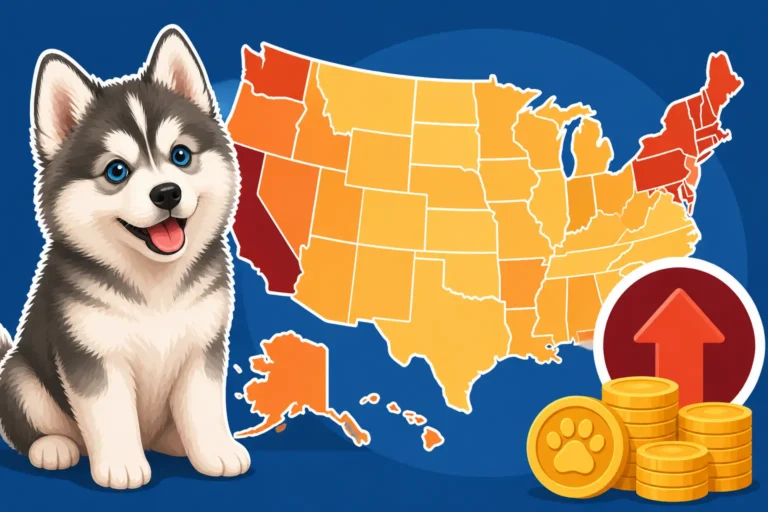
The financial aspect of owning a dog can be substantial, and when your Pomsky grows bigger than anticipated, those costs can escalate significantly. Every expense, from daily essentials to unexpected health issues, tends to be scaled up with a larger dog. It's a reality many owners don't fully grasp until they're facing heftier bills.
Increased Food and Supply Costs
One of the most immediate and noticeable increases in cost comes from food. A 30-40 pound Pomsky eats considerably more than a 15-20 pound one. This isn't just about volume; it's also about caloric needs for a larger body and higher energy levels. If you were planning on buying small bags of premium kibble or fresh dog food, you’ll suddenly find yourself needing larger bags more frequently. For example, a dog eating a fresh food diet like Ollie might cost significantly more per month if they are 40 pounds compared to 15 pounds, simply due to the increased portion sizes. This difference can easily add up to hundreds of dollars a year.
Beyond food, other supplies also scale up. A larger dog requires larger toys, which often cost more and need to be more durable. Collars, harnesses, and leashes need to be stronger and bigger. Crates and dog beds are significantly more expensive at larger sizes. Even everyday items like poop bags might see an increase in usage due to larger output. These seemingly small differences accumulate, turning your initial budget for a small dog into a budget more suitable for a medium-sized companion. For a broader perspective on monthly food expenses, consider What Feeding a Pomsky Costs Monthly.
Higher Vet Bills and Insurance Premiums
Larger dogs generally come with higher veterinary costs. Medication dosages are often based on weight, meaning a bigger Pomsky will require more medication, whether it's for flea and tick prevention, antibiotics, or pain relief. Anesthesia for procedures like neutering or dental cleanings is also typically more expensive for larger animals due to increased drug requirements and monitoring. Furthermore, larger breeds can be predisposed to certain orthopedic issues, like hip or elbow dysplasia, which might not have been as significant a concern for a truly miniature version of the breed.
Pet insurance premiums are also influenced by breed size and expected vet costs. If your Pomsky matures into a 40-pound dog, its insurance premiums might be closer to that of a medium-sized purebred rather than a small dog. Companies like Healthy Paws calculate their premiums based on actuarial data, and larger dogs generally incur more expensive claims over their lifetime. It’s wise to investigate What Insuring a Pomsky Runs Monthly with various providers as your dog grows to understand how their size impacts your ongoing costs.
Grooming and Training Expenses
While all Pomskies have a double coat that requires significant grooming, a larger Pomsky means more hair to manage, more time spent brushing, and potentially higher professional grooming fees. Groomers often charge based on size and coat condition, so a 40-pound Pomsky with a dense double coat will undoubtedly cost more for a professional deshedding session than a 15-pound one. If you're doing it yourself, you might need more specialized tools or spend more on shampoos and conditioners.
Training might also present higher costs. While fundamental obedience training is essential for all dogs, a larger, stronger Pomsky might require more intensive or frequent sessions, especially if they also inherit a stronger-willed temperament from their Husky lineage. Group classes might be suitable, but if specific behavioral challenges arise due to their size or energy levels, one-on-one training with a professional can quickly become a significant expense. For context on coat care, see The Grooming Bill on a Double Coated Pomsky.
Behavioral Considerations and Training Challenges
The size of your Pomsky isn't just about how much space they take up; it often correlates with their energy levels, exercise needs, and potential behavioral traits. An unexpectedly large Pomsky can mean you’re managing a dog with a much more pronounced Husky temperament and drive than you originally bargained for, leading to a different set of training and management challenges.
More Husky, Less Pomeranian: Exercise and Mental Stimulation Needs
When a Pomsky leans towards the Husky side in size, it often means they've also inherited a more significant portion of the Husky's famously high energy and need for mental stimulation. Huskies are working dogs, bred to run long distances and engage their minds. A larger Pomsky, therefore, typically requires far more exercise than a small apartment-dwelling companion. We're talking about daily long walks, runs, hikes, or vigorous playtime in a secure yard. Simply letting them out in the backyard isn't enough; they need structured activity that truly tires them out physically and mentally.
Without adequate outlets for their energy, a larger Pomsky can quickly become bored, leading to destructive behaviors like excessive chewing, digging, or even escaping. They might also develop problematic vocalizations, such as howling, which can be challenging in close-quarter living. Understanding The Exercise a Pomsky Needs Every Day is crucial, and if your Pomsky is larger, prepare to dial up that activity level significantly. This isn't just a suggestion; it's a necessity for their well-being and your sanity.
Living in a Smaller Space: Managing Energy
If you live in a smaller home or apartment, an unexpectedly large Pomsky with high energy can be a significant challenge. While some larger dogs can adapt to apartment living with sufficient outdoor exercise, a Pomsky’s double coat and tendency to "talk" (howl, vocalize) can make it difficult. A high-energy dog in a confined space, especially if left alone for extended periods, can quickly develop separation anxiety or become destructive. The sheer physicality of a larger dog can also be more impactful in a smaller space – bumping into furniture, knocking things over, and generally requiring more room to stretch and move without feeling cramped.
Creative solutions become essential: doggy daycare, hiring a professional dog walker, or investing in puzzle toys and enrichment activities can help manage their energy. However, these solutions add to the ongoing cost and require commitment. It's a delicate balance to ensure your larger Pomsky is happy and well-behaved without overwhelming your living environment. This often leads to careful consideration of How Many Hours a Pomsky Can Be Left alone, as boredom can amplify destructive tendencies.
Socialization and Interaction with Other Pets
A larger Pomsky may also present different socialization requirements and dynamics with existing pets. A confident, well-socialized 15-pound Pomsky might fit seamlessly into a multi-pet household. However, a 40-pound Pomsky, especially one that retains the Husky's strong prey drive or dominant tendencies, requires careful introduction and ongoing management with smaller pets like cats or toy breeds. Their sheer size and strength can be intimidating or even dangerous to smaller animals if proper boundaries and training aren't in place.
Furthermore, a larger Pomsky might be perceived differently by other dogs at the park or in social settings. Owners of smaller dogs might be warier, and an ill-mannered larger dog can cause more significant disruptions or accidental injuries. Therefore, robust and continuous socialization from a young age is paramount, ensuring your Pomsky learns appropriate manners and interactions with dogs of all sizes, as well as with people.
Rehoming and Resale: When Plans Go Awry
Sometimes, despite best intentions and efforts, the reality of an unexpectedly large Pomsky simply doesn't align with an owner's capabilities or living situation. The decision to rehome a beloved pet is incredibly difficult and emotionally draining, but it can sometimes be the most responsible choice for the dog's welfare.
The Difficult Decision to Rehome
The choice to rehome a Pomsky that has grown significantly larger than anticipated is rarely made lightly. It often comes after months of trying to adjust, grappling with increased expenses, managing behavioral challenges, or realizing that the dog's physical needs for space and exercise cannot be adequately met. Owners might feel immense guilt, sadness, and even shame, but it's important to recognize that sometimes, placing a dog in a home better suited to its actual size and needs is an act of love.
This decision is often exacerbated by the financial commitments already made, the emotional bond formed, and the social stigma around "giving up" a pet. However, if the dog is consistently under-exercised, stressed by its living conditions, or causing undue hardship that impacts the family's quality of life, finding a new, more suitable environment can be the best path forward for everyone involved. The key is to approach rehoming responsibly, ensuring the dog transitions to a loving and capable new family.
Understanding the Resale Market for Oversized Pomskies
If rehoming through personal networks or rescue organizations isn't an immediate option, some owners consider reselling their Pomsky. However, the resale market for an oversized Pomsky can be challenging. Many people seeking Pomskies are specifically looking for that "miniature Husky" aesthetic and size. An adult Pomsky that is 35+ pounds often doesn't fit that idealized image. Consequently, the demand might be lower, and the price point significantly reduced compared to what was originally paid.
Breeders might have clauses in their contracts about rehoming or reselling, often requiring the dog to be returned to them or for them to assist in placement. This is generally the best route, as a reputable breeder cares about the welfare of their dogs throughout their lives. Selling independently often means navigating a market where buyers might be looking for a bargain, or worse, may not be equipped to handle a larger, potentially high-energy dog. It’s important to acknowledge that Whether an Oversized Pomsky Is Worth Less is a harsh reality in the market.
Finding a Responsible New Home
Finding a responsible new home for an oversized Pomsky requires diligence and patience. The ideal new family should be fully aware of the dog's actual size, energy levels, and any specific behavioral quirks. It’s crucial to be transparent about why the dog is being rehomed, allowing prospective owners to make an informed decision. Look for families with previous experience with Husky-type breeds, a securely fenced yard, and a lifestyle that can accommodate a larger, active dog.
Working with Pomsky-specific rescues, Husky rescues, or even Pomeranian rescues (though less likely for an oversized dog) can be incredibly helpful. These organizations have networks of approved adopters who are often experienced with the unique needs of these breeds or crosses. They can provide screening, support, and ensure a safe and loving transition for your Pomsky, offering peace of mind during a difficult time.
Adapting and Embracing Your Larger Pomsky
While the initial surprise of an unexpectedly large Pomsky can be daunting, many owners find ways to adapt, adjust their expectations, and ultimately embrace the wonderful, unique dog they have. It’s a journey of shifting perspectives and finding creative solutions to make it work.
Adjusting Expectations and Lifestyle
The first step in embracing a larger Pomsky is a mental shift: letting go of the "miniature Husky" image you may have initially held onto and appreciating the dog in front of you. This involves adjusting your expectations about what life with your Pomsky will look like. Perhaps daily long-distance running replaces short walks, or agility training becomes a new hobby to channel their energy. Maybe you invest in a larger car or rethink vacation plans to accommodate a bigger dog.
Lifestyle adjustments might include dedicating more time to exercise, enrolling in advanced training classes, or reconfiguring your home to better suit a larger animal. This could mean purchasing robust, dog-friendly furniture, installing baby gates strategically, or even reinforcing your fencing. It's about recognizing that your Pomsky’s needs have evolved with their size and being proactive in meeting those needs. Remember, a happy, well-exercised large dog is far easier to live with than a frustrated, bored one, regardless of size.
Practical Solutions for a Bigger Dog
Living with a larger Pomsky effectively often means investing in practical solutions tailored to their size and energy. For sleeping arrangements, a sturdy, appropriately sized crate or a large, orthopedic dog bed is essential. Look for brands that offer robust options for medium to large dogs. For feeding, consider slow-feeder bowls to prevent gulping, especially for a larger dog who might eat quickly. Ensuring a consistent supply of quality food, perhaps from a brand like Ollie, in larger quantities will be a regular part of your shopping.
Exercise equipment also becomes more important. A high-quality harness that prevents pulling and is escape-proof (like a Ruffwear Front Range harness) is crucial for walks with a stronger dog. Long lines can provide safe, extended exercise in open spaces, allowing them to run and explore without being off-leash. For home enrichment, invest in durable chew toys and puzzle feeders designed for larger, stronger jaws to keep them mentally stimulated and prevent destructive chewing. And as your Pomsky gets older, consider Beds That Suit an Arthritic Pomsky to ensure their comfort.
Celebrating the Unique Dog You Have
Ultimately, the most fulfilling way to deal with an unexpectedly large Pomsky is to celebrate them for who they are. Every dog, regardless of breed or size, is an individual with a unique personality. Your larger Pomsky might be a fantastic hiking companion, an enthusiastic participant in dog sports, or a wonderful, goofy family member who gives giant cuddles. Focus on their positive attributes, their loyalty, intelligence, and charm.
They might not be the "mini" you initially envisioned, but they are your dog. The bond you build through shared experiences, training, and overcoming challenges will be incredibly strong. Embrace their Husky vocalizations, their playful energy, and their loving nature. Their size doesn't diminish their capacity for love or their ability to be an incredible companion. Many owners find that while the journey took an unexpected turn, the destination—a happy, healthy, well-adjusted Pomsky—is what truly matters.
Legal and Ethical Considerations
When a Pomsky grows bigger than anticipated, it brings up not only personal challenges but also potential legal and ethical points to consider, especially concerning the breeder's role and broader breeding practices.
Reading Your Purchase Contract Carefully
The purchase contract you signed with your breeder is the primary legal document governing your transaction. It will outline everything from health guarantees to return policies and often, what happens if the dog's adult size deviates significantly from expectations. It's critical to review this document thoroughly. As mentioned earlier, a precise size guarantee is rare, but some contracts might offer a partial refund or credit if the dog exceeds a certain weight or height range.
Understanding the specific language in your contract can inform your communication with the breeder and any potential recourse you might have. If there are no explicit clauses regarding size, then legally, it might be more challenging to seek compensation or other remedies. This is why thorough due diligence before purchasing, including asking very specific questions about size expectations and what happens if they are not met, is paramount. Revisit Whether a Contract Covers an Oversized Pomsky to ensure you understand your rights and the breeder’s obligations.
The Breeder's Responsibility and Support
Ethically, a responsible breeder should be transparent about the potential for size variability in Pomskies. They should educate prospective owners about the genetic realities of crossing a Husky and a Pomeranian, managing expectations from the outset. While they can't control genetics, they can control how they communicate the probabilities. A good breeder will typically stand by their dogs and be a resource for owners throughout the dog's life, offering advice and support, even if the dog grows larger than predicted.
If a breeder consistently produces significantly oversized Pomskies, and they are not transparent about this, it raises questions about their breeding practices. A truly ethical breeder aims for predictability and health, and will adjust their breeding pairs if a specific pairing consistently produces unexpected results that negatively impact owners. Their responsibility extends beyond the sale to the long-term well-being of the puppies they produce.
Ethical Breeding Practices for Predictable Size
For the Pomsky breed to gain more recognition and predictability, breeders must adhere to rigorous ethical standards. This includes carefully selecting parent dogs, performing all recommended health screenings (for both Huskies and Pomeranians), and being meticulous in their record-keeping. While size can never be 100% guaranteed in a hybrid, responsible breeders can work towards greater consistency by:
- Understanding Genetic Lines: Researching the full genetic background of both parent breeds, not just the immediate parents, for trends in size and other traits.
- Selective Breeding: Choosing parent dogs that consistently produce offspring within a desired size range, even across multiple litters.
- Transparency: Openly discussing the range of potential sizes with prospective buyers, showing previous litter outcomes, and being honest about the inherent variability.
- Education: Ensuring buyers fully understand the commitment involved with a potentially larger, high-energy dog, rather than just selling the "mini Husky" dream.
Ultimately, while an oversized Pomsky can be a surprise, the breed’s overall welfare and owner satisfaction depend heavily on ethical breeding practices that prioritize health, temperament, and realistic expectations over fleeting trends.
| Category | Expected Cost (Small Pomsky 15-20 lbs) | Actual Cost (Large Pomsky 30-40 lbs) | Difference (Per Month/Year) |
|---|---|---|---|
| Food (Monthly) | $40 – $70 | $70 – $120+ | $30 – $50+ |
| Treats (Monthly) | $15 – $25 | $25 – $40 | $10 – $15 |
| Pet Insurance (Monthly) | $30 – $50 | $50 – $80+ | $20 – $30+ |
| Annual Vet Check-up | $100 – $200 | $150 – $300 | $50 – $100 |
| Medications (e.g., Flea/Tick, Monthly) | $15 – $25 | $25 – $40 | $10 – $15 |
| Professional Grooming (Quarterly) | $60 – $100 | $90 – $150 | $30 – $50 per session |
| Crate/Bed (Initial) | $50 – $100 | $100 – $250 | $50 – $150 |
| Toys (Monthly) | $10 – $20 | $20 – $40 | $10 – $20 |
| Harness/Collar (Annual) | $20 – $40 | $40 – $80 | $20 – $40 |
| Dog Walker/Daycare (if needed, monthly) | $0 – $200 | $100 – $400+ | $100 – $200+ |
Note: These are estimated ranges and actual costs can vary significantly based on location, brand choices (e.g., premium kibble vs. fresh food like Ollie), specific vet fees, and individual dog needs. The "Difference" column highlights how the increase in size can impact your budget.
Disclaimer
This article is for general informational purposes only and does not constitute professional advice. Laws, prices and regulations vary by location and change over time. Consult a qualified professional for guidance on your specific situation.