Whether an Apartment Building Tolerates a Pomsky
The dream of a fluffy, energetic Pomsky curled up on your apartment couch is a powerful one, often painting a picture of a perfect compact companion. But the reality of housing these dynamic little dogs in an apartment building comes with its own set of very real challenges, from their vocal tendencies to their surprising energy levels. This guide is here to walk you through everything you need to consider to ensure both you and your Pomsky can thrive in apartment living without driving your neighbors (or yourselves) mad.
Understanding the Pomsky's Core Needs in an Apartment Context
Bringing a Pomsky into an apartment isn't just about finding enough floor space. It's about recognizing that these aren't your typical lap dogs, despite their smaller size compared to a full-sized Husky. They inherit traits from both the Siberian Husky and the Pomeranian, and those traits have significant implications for apartment life. You're signing up for a dog that needs thoughtful management in a multi-unit dwelling.
Exercise Requirements Versus Apartment Space
Many people see a smaller dog and automatically assume they need less exercise, or that a few laps around the living room will suffice. With a Pomsky, this couldn't be further from the truth. They often carry the high energy of their Husky lineage in a more compact body. While a massive yard isn't strictly necessary, consistent and substantial outdoor exercise is. Your apartment itself might be cozy, but your Pomsky's outdoor life needs to be anything but. Without proper outlets, that pent-up energy can quickly manifest as destructive behaviors, frantic pacing, or excessive barking – none of which make for a happy apartment dweller or neighbor. The Exercise a Pomsky Needs Every Day delves deeper into how much activity they genuinely require.
Vocalization Tendencies and Neighbor Tolerance
This is often where the rubber meets the road for apartment living with a Pomsky. Both parent breeds are known for being vocal, though in different ways. Huskies are famous for their "talking," howling, and expressive yips, while Pomeranians can be quite prone to alert barking. Combine these, and you have a dog with a robust vocal repertoire. That adorable howl might be charming to you, but at 3 AM, your downstairs neighbor might feel differently. Living with shared walls means understanding that your dog's sounds are everyone's sounds, and proactive management is key to maintaining peace with those around you.
Shedding and Apartment Cleanliness
Another critical factor that often surprises new Pomsky owners in apartments is the sheer volume of hair these dogs produce. They have a dense double coat, much like a Husky, designed for insulation. This means they shed, and they shed a lot, especially during their bi-annual "blowouts." The Pomsky That Carries a Husky Coat at Twenty Pounds explains this phenomenon in detail. In a smaller apartment, this hair can feel overwhelming, coating furniture, floors, and clothes quickly. You'll need a serious grooming routine and a reliable cleaning strategy to keep your living space from looking like a fur factory.
Noise Concerns: The Pomsky's Voice in an Apartment Setting
Let's face it, one of the biggest anxieties for any apartment-dwelling dog owner is noise complaints. With a Pomsky, this concern is amplified because they are inherently quite vocal animals. It's not just a matter of "bad behavior"; it's often an ingrained breed characteristic.
The Husky Howl Influence
Many Pomskies inherit the distinctive "woo-woo" or howl from their Husky parent. This isn't usually an aggressive sound; it's often a form of communication, expressing excitement, boredom, loneliness, or even just acknowledging an interesting sound in the environment like a siren. While utterly endearing when it's just you and your pup, these vocalizations can carry through walls and floors. Imagine your Pomsky striking up a conversation with a distant ambulance siren while your neighbor is trying to work from home or put a baby to sleep. It’s a reality many apartment dwellers face. Whether a Pomsky Is Loud is a crucial read for potential owners.
Pomeranian Barking Tendencies
On the flip side, the Pomeranian side of the family brings a propensity for alert barking. Poms are often quick to announce every perceived new presence or sound, whether it's the mail carrier, a squirrel outside the window, or a neighbor walking down the hall. This incessant, high-pitched barking can be particularly grating for those living in close proximity. A Pomsky might combine both, offering a symphony of howls, yips, and barks. Understanding these tendencies allows you to anticipate and address them with appropriate training and management from day one.
Dealing with Separation Anxiety Noises
Perhaps the most challenging noise issue in an apartment is separation anxiety. Pomskies, being intelligent and often deeply bonded dogs, can sometimes struggle when left alone. This can manifest as relentless barking, howling, or even destructive chewing as they try to cope with their distress. Whether a Pomsky Howls When Left is a key topic for apartment dwellers. For your neighbors, this isn't just a momentary annoyance; it can be a constant disruption that damages relationships and even leads to complaints to building management. Early training focused on independence and gradual desensitization to being alone is absolutely vital. You might find resources like BAXTER & Bella's online puppy training program incredibly helpful for addressing these foundational behavioral challenges from a young age, offering strategies you can implement right in your apartment.
Exercise and Energy Management in Confined Spaces
You might think that because a Pomsky isn't the size of a full Husky, their exercise needs are drastically reduced. While they won't need to pull a sled across Alaska, they still possess a surprising amount of stamina and a deep need for physical and mental engagement. Neglecting this is a recipe for disaster in an apartment.
Daily Activity Needs
A Pomsky generally requires at least 60-90 minutes of dedicated, vigorous exercise daily. This isn't just a leisurely stroll to the corner; we're talking brisk walks, jogs, fetch sessions at a dog park, or even canine sports like agility. If you live on the fifth floor, this means multiple trips up and down for potty breaks and then additional outings specifically for exercise. Relying solely on a small patch of grass outside your building, if you're lucky enough to have one, won't cut it. You need to be committed to getting out there, rain or shine, hot or cold, to burn off that energy responsibly.
Creative Indoor Exercise Solutions
Sometimes, outdoor conditions just aren't cooperating, or your schedule gets unexpectedly tight. This is where you need to get creative with indoor exercise. Think beyond just tossing a toy in the hallway. Engage in active games of hide-and-seek, teach them to fetch specific items (like "get your rope toy!"), or use a flirt pole to simulate prey drive safely indoors. Stair climbing, if your apartment building allows and your dog's joints are healthy, can also be a surprisingly good workout. However, remember that these are supplementary activities, not replacements for outdoor excursions.
The Importance of Mental Stimulation
Physical exercise alone is often not enough for a smart breed like the Pomsky. They need their brains worked just as much as their bodies. Mental stimulation is incredibly important for preventing boredom and its associated destructive behaviors. Puzzle toys, snuffle mats, and engaging in short, frequent training sessions can make a huge difference. For apartment living, where physical space might be limited, investing in a variety of these brain games is essential. You can rotate them to keep things fresh and exciting, making even a small apartment feel like an adventure playground. This intellectual outlet helps keep their minds sharp and their energy channeled constructively, which is a blessing when you're trying to keep the peace with neighbors.
Grooming and Cleanliness: Managing a Double-Coated Dog Indoors
Living in an apartment means keeping your space tidy is often more challenging, especially with a dog. When that dog is a Pomsky with a dense double coat, your cleaning routine is about to get a serious upgrade.
Shedding Intensity and Routines
As mentioned, Pomskies are champion shredders. They have a thick undercoat that sheds continuously and then completely "blows out" twice a year, usually in spring and fall. During these periods, you'll find tumbleweeds of fur everywhere. In an apartment, this fur has nowhere to go but everywhere in your living space. You'll need to establish a rigorous grooming routine, including daily brushing with specialized tools like an undercoat rake. The Undercoat Rake a Pomsky Owner Lives With provides excellent advice on this essential tool. Investing in a high-quality vacuum cleaner, maybe even a robotic one for daily maintenance, is not a luxury but a necessity. Whether a Robot Vacuum Keeps Up With a Pomsky can give you an idea of what to expect.
Bathing and Drying in an Apartment
Bathing a double-coated dog in an apartment can be a logistical challenge. Their thick coats hold a lot of water and take a long time to dry thoroughly. A damp undercoat can lead to skin issues like hot spots, so proper drying is crucial. You'll likely need a high-velocity force dryer (which, yes, can be quite loud) to get them truly dry, or frequent trips to a professional groomer. Doing this in a small apartment bathroom can quickly turn into a messy, steamy endeavor. Plan your bathing schedule carefully and consider the noise implications of a force dryer for your neighbors.
Dealing with Dirt and Outdoor Debris
Apartment living often means more walks on pavement, but also more exposure to urban dirt, mud, and street grime. A Pomsky's coat can pick up a surprising amount of debris. You'll need a routine for wiping paws, bellies, and even faces after every outing, especially on rainy or snowy days. Muddy paw prints on shared hallways or in elevators can quickly annoy neighbors or building management. Keep a designated "dog towel station" by the door, along with paw wipes, to minimize the mess tracking into your clean apartment. This also includes brushing out burrs or leaves they might pick up from grassy areas.
| Challenge | Apartment Solution | Key Considerations |
|---|---|---|
| Excessive Noise | Consistent quiet training, soundproofing, adequate exercise | Neighbor tolerance, potential complaints, trainer costs |
| High Energy | Daily intense walks/jogs, dog parks, puzzle toys | Time commitment, access to safe outdoor spaces, weather |
| Heavy Shedding | Daily brushing, powerful vacuum, force dryer | Cleaning frequency, cost of tools, allergy concerns |
| Small Living Space | Crate training, vertical storage, designated dog zone | Dog comfort, visual clutter, space for dog supplies |
| Potty Training | Frequent outdoor trips, consistent schedule | Accessibility of potty areas, weather challenges |
| Separation Anxiety | Gradual desensitization, mental stimulation, dog walker | Training consistency, neighbor impact, cost of services |
| Building Restrictions | Check breed/size limits, pet deposits, rules | Lease terms, potential for rehoming, financial burden |
Training and Socialization for Apartment Living
A well-trained Pomsky is a joy anywhere, but an absolute necessity in an apartment. Good manners aren't just polite; they're critical for coexistence with your neighbors and building rules.
House-Training Without a Yard
For many apartment dwellers, the biggest hurdle with a puppy is house-training without direct yard access. This means frequent trips outside, often requiring a leash, an elevator, and navigating common areas, especially in the early weeks. Consistency is key, taking your puppy out every hour or two, immediately after waking, eating, and playing. Learning How Long a Pomsky Puppy Takes to House Train will give you realistic expectations. Accidents will happen, so having a good enzyme cleaner on hand is essential, and always cleaning up thoroughly to avoid lingering odors that could upset neighbors or attract pests.
Managing Greetings with Neighbors and Other Dogs
A Pomsky needs to be well-socialized to calmly encounter strangers and other dogs in shared spaces like hallways, lobbies, and elevators. Leash reactivity or jumping on people can quickly become problematic. Enroll in puppy classes early and practice polite greetings. Treat your building's common areas as training grounds, rewarding calm behavior. Teaching a "four on the floor" command for greetings and a strong "leave it" for distractions will make daily interactions much smoother for everyone involved.
Crate Training for Independence
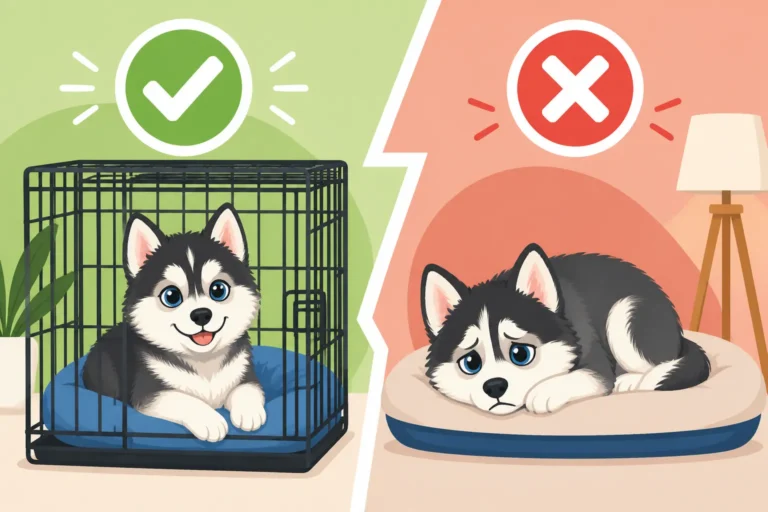
Crate training is an invaluable tool for apartment living. A properly introduced crate becomes a safe den for your Pomsky, a place where they can feel secure when you're not home, and a critical component in managing separation anxiety. It also aids in house-training, as dogs are less likely to soil their sleeping area. Furthermore, it gives your dog a designated "off-duty" space, which is especially important in a smaller apartment where personal space can be limited. The structured independence fostered by crate training can significantly reduce stress for both you and your Pomsky in an apartment environment.
Addressing Common Apartment Living Challenges with a Pomsky
Even with the best intentions, specific challenges tend to pop up more frequently when housing a Pomsky in an apartment. Being prepared for these can make all the difference.
The Escape Artist Potential
Pomskies often inherit a high prey drive and an adventurous spirit from their Husky lineage, combined with the Pomeranian's cleverness. This can make them excellent escape artists. A moment's inattention with an open door, a gap in a balcony railing, or even a loose leash can lead to them bolting. The Pomsky Escape Artist in a Twenty Pound Body highlights how serious this trait can be. In an apartment building, this risk is amplified; they can slip out of common doors, stairwells, or elevators. Microchipping and using a reliable harness (rather than just a collar) are non-negotiable. Some owners even invest in GPS trackers for peace of mind, available from retailers like Amazon, to quickly locate their adventurous pup should they manage to slip away.
Building Management Rules and Breed Restrictions
Before you even consider bringing a Pomsky home, you must thoroughly review your apartment building's pet policy. Many buildings have weight limits, breed restrictions (often targeting breeds perceived as "aggressive," which can sometimes unfairly include Husky mixes), or limits on the number of pets. Some might require a significant pet deposit or additional monthly "pet rent." Ignoring these rules can lead to severe consequences, including eviction for you and the devastating need to rehome your beloved Pomsky. Always get the pet policy in writing and confirm that your Pomsky, given their potential size and breed mix, will be welcomed.
Financial Implications of Apartment Living with a Pomsky
Beyond the initial purchase price, the ongoing costs of a Pomsky in an apartment can add up. Consider the potential for higher pet deposits or monthly fees. The need for professional grooming during shedding season might be more frequent if you can't manage thorough drying at home. If you work long hours, a dog walker or doggy daycare might become a necessity to ensure adequate exercise and mental stimulation, especially to prevent destructive boredom and excessive noise. Whether a Pomsky Suffers Separation Anxiety also points to potential costs for specialized training or behavioral modification if issues arise. These are not optional expenses; they are critical investments in your Pomsky's well-being and your ability to maintain a harmonious relationship with your neighbors and landlord.
Ultimately, housing a Pomsky in an apartment is entirely feasible, but it requires a very intentional and committed owner. It’s a lifestyle choice that demands consistency in exercise, training, and grooming, and a proactive approach to managing their inherent tendencies. If you’re prepared for the dedication and adjustments required, your Pomsky can be a wonderful apartment companion, bringing joy and lively energy into your home.
Disclaimer
This article is for general informational purposes only and does not constitute professional advice. Laws, prices and regulations vary by location and change over time. Consult a qualified professional for guidance on your specific situation.