Whether a Pomsky Is Safe at a Dog Park
The thought of taking your adorable, energetic Pomsky to a bustling dog park can bring up a mix of excitement and apprehension. On one hand, you picture your fluffy friend happily romping with other dogs, burning off energy, and making new buddies. On the other hand, the reality of a dog park can be chaotic, unpredictable, and sometimes downright dangerous, leaving many owners worried about their smaller, yet spirited, Pomsky. This guide is here to help you navigate those concerns, offering an honest look at the potential risks and rewards, and helping you decide if a dog park is truly a safe and positive environment for your unique canine companion.
Understanding Your Pomsky's Instincts and the Dog Park Environment
Before you even consider stepping paw into a dog park, it's crucial to understand the genetic makeup of your Pomsky and how those inherent traits might interact with the often-unstructured environment of an off-leash park. Remember, your Pomsky isn't just a cute face; they're a carefully blended mix of two very distinct breeds.
The Husky Influence: Prey Drive and Pack Mentality
From their Husky lineage, Pomskies often inherit a robust prey drive. This isn't just about chasing squirrels in your backyard; it can extend to smaller, fast-moving objects or even smaller dogs that might inadvertently trigger that instinct. In a dog park where chaos can erupt quickly, a smaller, yappy dog or even a child running can suddenly become a target in your Pomsky's eyes, not out of malice, but pure, unadulterated instinct. While your Pomsky might be the sweetest dog at home, that prey drive is hardwired and can be incredibly difficult to switch off once activated. It's why achieving a reliable Recall on a Pomsky Bred From a Dog That Runs is such a significant undertaking.
Beyond prey drive, Huskies are known for their strong pack mentality. This can manifest in a desire to play hard and fast, sometimes with a rougher style than smaller breeds. While this is normal for a Husky-type dog, it can be misconstrued or even genuinely overwhelming for other dogs at the park, especially those who prefer a more sedate play style. When several dogs are interacting, your Pomsky might feel compelled to join a "pack" or assert themselves, which could lead to misunderstandings or escalating tension if not managed carefully. The sheer exuberance of a Husky often means they don't always understand their own strength relative to smaller playmates, and this can be a real concern when you have a twenty-pound Pomsky.
The Pomeranian Traits: Alertness and Self-Preservation
Then we have the Pomeranian side, which often contributes to a Pomsky's keen alertness and, let's be honest, a dash of feistiness. Pomeranians are small dogs with big personalities, often unaware of their diminutive size. This can lead to a Pomsky having The Suspicion a Pomsky Gets From the Pomeranian of strangers or other dogs, manifesting as barking, snapping, or a general standoffishness, especially if they feel threatened. A dog park is a melting pot of personalities, and a Pomsky with strong Pomeranian protective instincts might react defensively to an overly boisterous greeting from a large, clumsy dog.
This self-preservation instinct is a double-edged sword. It can help your Pomsky stand up for themselves, which is great, but it can also lead to them initiating confrontations or reacting disproportionately when feeling cornered or overwhelmed. A little Pomsky might decide to challenge a much larger dog, resulting in a dangerous situation for them. It's a tough balance to strike, as you want them to feel safe, but not to instigate trouble. Understanding that defensive barking or growling might be their way of saying "back off" is crucial, and you need to be ready to intervene before it escalates.
The Unpredictable Nature of Dog Parks
Let's face it: dog parks are a wild card. You're bringing your beloved Pomsky into an uncontrolled environment with an ever-changing cast of characters, both canine and human. You can't vet every dog that enters, nor can you control the behavior of every owner. This unpredictability is perhaps the biggest safety concern. You might have a perfectly socialized Pomsky, but one unsocialized, reactive, or aggressive dog can turn a fun outing into a nightmare in seconds.
Factors like overcrowding, owners not paying attention, unfixed dogs, or even dogs recovering from injuries can all contribute to a volatile atmosphere. A well-meaning but over-exuberant dog might accidentally knock your Pomsky over, or a dog with poor impulse control might play too roughly. Even if an incident isn't intentional, the size disparity between a Pomsky and larger breeds means that accidental injuries are a very real possibility. It's not just about aggression; it's about the sheer dynamics of a group of dogs with varying temperaments, sizes, and play styles.
Assessing Your Pomsky's Temperament for Off-Leash Play
Knowing your Pomsky is paramount when considering dog park visits. It's not a one-size-fits-all answer, and what works for one Pomsky might be a disaster for another. Take an honest inventory of your dog's personality and past interactions.
Socialization is Key, But Not a Guarantee
You've probably heard it a thousand times: socialization is vital for a well-adjusted dog. Early, positive experiences with a variety of dogs, people, and environments are foundational. If your Pomsky puppy met many different friendly dogs from a young age, in safe, controlled settings like puppy classes or carefully managed playdates, they might have a better foundation for handling diverse interactions. Resources like the BAXTER & Bella online puppy school often emphasize positive exposure, which is excellent. However, even the most well-socialized Pomsky can still have limits or encounter a dog that triggers an unexpected reaction.
Crucially, socialization isn't a one-time thing. It's an ongoing process. A dog that was great with other dogs as a puppy might develop anxieties or reactivity as they mature. Furthermore, "socialized" doesn't mean "loves every dog." It means they can tolerate and appropriately interact with a variety of dogs without fear or aggression. If your Pomsky tends to be reserved, fearful, or overly excitable around new dogs, a dog park is probably not the right place for them. For some Pomskies, a busy dog park is just too much sensory input, causing stress rather than enjoyment.
Reading Your Pomsky's Body Language
Your Pomsky communicates constantly through their body language, and it's your job to understand what they're saying. Before and during a dog park visit, observe them closely. Are they:
- Relaxed and loose? A wagging tail, loose gait, and relaxed mouth indicate happiness.
- Stiff or tense? A rigid body, tail tucked or held high, dilated pupils, or excessive lip licking could signal stress or fear.
- Attempting to hide or escape? This is a clear sign they're overwhelmed and need to leave.
- Engaging in appropriate play? Bowing, taking turns chasing, and self-handicapping (a larger dog lowering themselves to a smaller dog's level) are good signs.
- Showing signs of resource guarding? Are they getting possessive over toys, water, or even you? This is a huge red flag in a communal setting.
Knowing these cues means you can intervene before a situation escalates. If you see your Pomsky becoming stressed, or if their play becomes too intense or defensive, it's time for a break or to simply go home. Never force your Pomsky to endure a situation they find uncomfortable or scary. Whether a Pomsky Is Stubborn or Independent might feel like a cute trait at home, but at a dog park, it could manifest as a refusal to back down from a confrontational dog, which is dangerous.
Recognizing Red Flags in Other Dogs and Owners
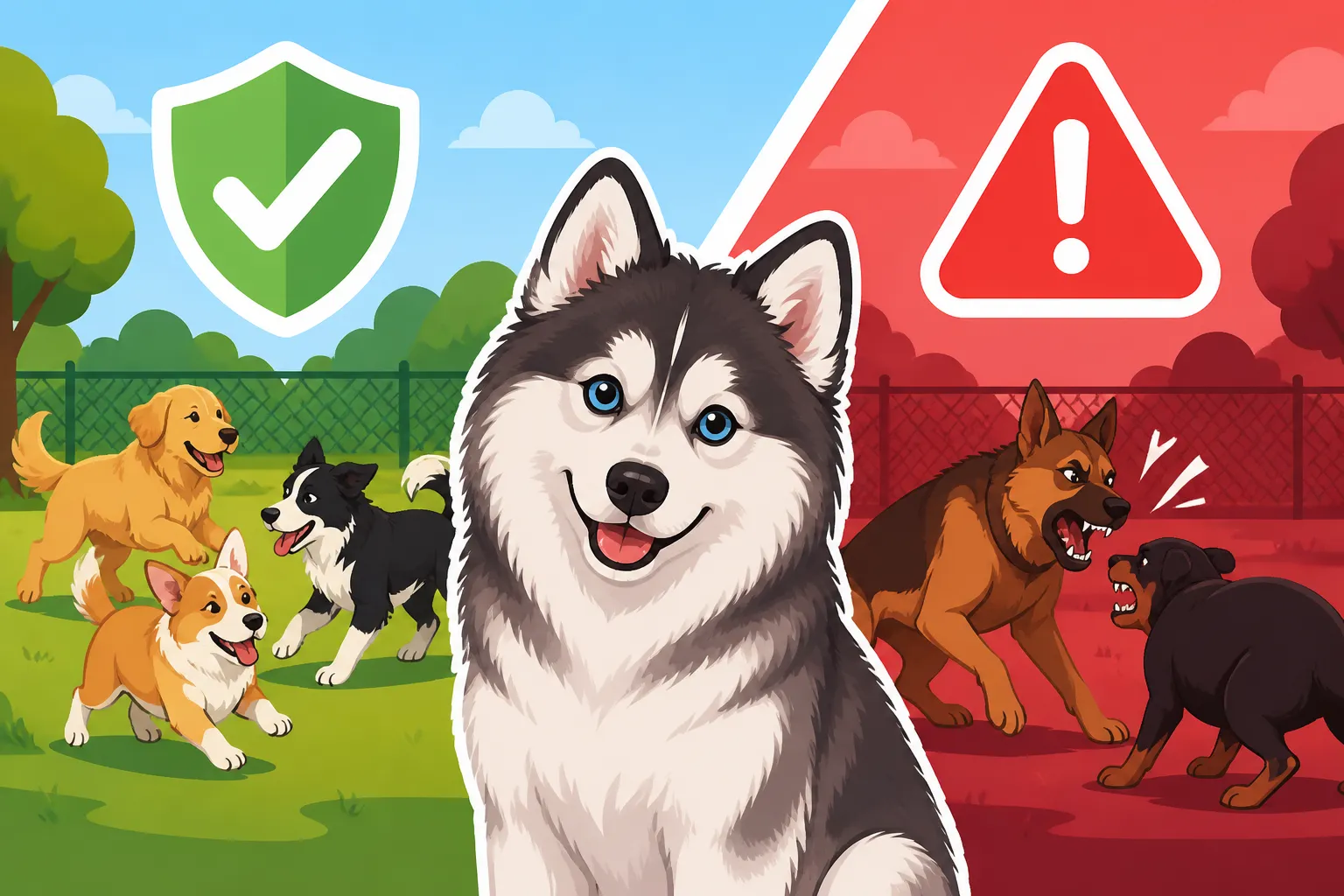
A huge part of dog park safety involves evaluating the other dogs and, just as importantly, their owners. You are your Pomsky's advocate, and that means being vigilant. Before letting your Pomsky off-leash, take a few minutes to observe the existing dynamics.
- Are there any dogs exhibiting aggressive behavior? Constant barking, growling, lunging, or mounting are all warning signs.
- Are the owners attentive? Owners glued to their phones, chatting endlessly, or simply ignoring their dogs' behavior are a major hazard. Responsible ownership is key to a safe dog park.
- Are there too many dogs for the space? Overcrowding can quickly lead to tension and fights.
- Are there any intact (unneutered/unspayed) dogs? While not always an issue, intact dogs, especially males, can sometimes trigger dominance disputes.
- Are there dogs that are clearly not enjoying themselves? A dog that is constantly being chased, cowering, or trying to hide is having a bad time and might lash out.
If you spot any of these red flags, it's perfectly okay to decide the park isn't safe that day. Your Pomsky's safety and well-being should always take precedence over a desire for them to "socialize." Sometimes the best decision is to turn around and find an alternative.
Strategies for Safe Dog Park Visits (or Alternatives)
If, after careful consideration, you decide to try the dog park, there are strategies to maximize safety. And if not, there are plenty of other ways to provide your Pomsky with the exercise and social interaction they crave.
Preparation and Observation Before Entering
Preparation starts before you even leave home. Ensure your Pomsky is up-to-date on all vaccinations and parasite prevention. A healthy dog is less susceptible to illness and less likely to spread it. When you arrive at the park, don't just open the gate and let your Pomsky loose.
- Observe from a distance: Spend 5-10 minutes watching the dogs already in the park. Look for the red flags mentioned above.
- Choose off-peak hours: Overcrowding is a major stressor. Going early in the morning, late in the evening, or on weekdays can mean fewer dogs and a calmer environment.
- Know the rules: Read any posted park rules and abide by them. This often includes things like age limits for puppies, leash requirements in certain areas, and waste disposal.
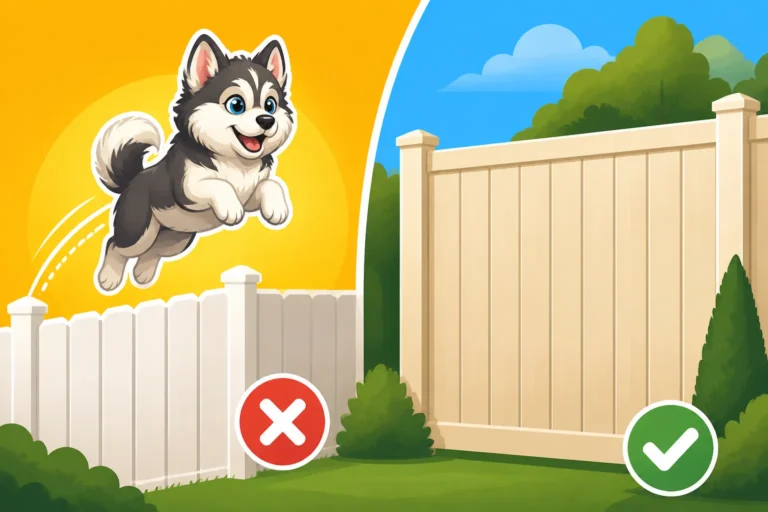
- Keep your leash handy: Even in an off-leash park, you should always have your leash on you for quick retrieval or to exit if needed. This is especially true for The Pomsky Escape Artist in a Twenty Pound Body; they can be surprisingly fast.
When you do enter, start slow. Don't rush into the thick of things. Allow your Pomsky to explore the perimeter, sniff around, and get a feel for the environment before engaging in active play. This helps them decompress and assess the situation at their own pace.
Equipment and Management While Inside
Once inside, responsible management is critical.
- Stay engaged: Put your phone away. Your full attention should be on your Pomsky and the surrounding dogs. Anticipate potential problems and be ready to intervene.
- Avoid bringing toys or treats: These can easily lead to resource guarding and fights between dogs. If you do bring water, ensure it's in a communal bowl or you're diligently sharing yours to prevent possessiveness.
- Intervene proactively: If play gets too rough, or if your Pomsky is being targeted or doing the targeting, call them away for a short break. Practice their recall frequently, even if you don't fully trust it in an off-leash environment. If your dog gets bored or frustrated in an interaction, their patience wears thin.
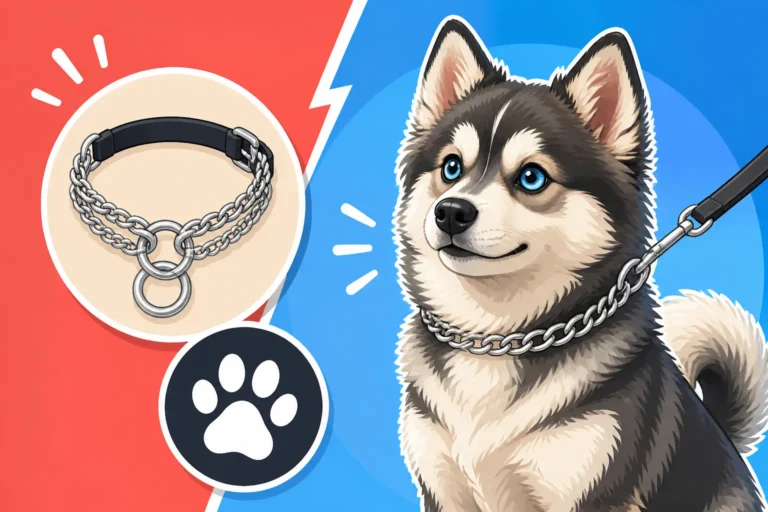
- Use appropriate gear: A well-fitting harness is always recommended over a collar for off-leash situations, as it reduces the risk of neck injury if you need to grab them quickly. Brands like Ruffwear or Kurgo available on Amazon offer durable and secure harnesses. Avoid retractable leashes, as they offer little control and can be dangerous in a busy park.
- Know when to leave: If your Pomsky seems overwhelmed, stressed, or if the park environment becomes unsafe, don't hesitate to leave. It's better to end a visit early than to risk injury or a negative experience.
Remember that you are your dog's guardian. If another dog is being overly aggressive or harassing your Pomsky, politely ask the owner to intervene. If they don't, or if the situation feels truly dangerous, leave immediately.
Alternative Exercise and Socialization Options
If the dog park isn't a good fit for your Pomsky, or if you're still on the fence, don't despair! There are many fantastic alternatives for exercise and socialization.
- Structured playdates: Arrange one-on-one play sessions with known, friendly dogs. This allows for controlled introductions and ensures both dogs have compatible play styles. This is often a much safer and more beneficial form of socialization.
- Group training classes: Obedience, agility, or scent work classes provide mental and physical stimulation in a structured, supervised environment. Your Pomsky gets to be around other dogs, but the focus is on training, reducing the likelihood of conflicts. You might be surprised at how much The Exercise a Pomsky Needs to Stay Sane can be provided through these activities.
- Leashed walks on trails or in less crowded areas: Explore dog-friendly hiking trails or quiet neighborhood parks where you can enjoy a leashed walk. This offers physical exercise and mental stimulation through sniffing new scents without the pressure of off-leash interactions.
- Doggy daycare: A reputable doggy daycare facility will screen dogs for temperament and supervise play. This can be an excellent way for your Pomsky to socialize and burn energy in a safe, controlled setting.
- Sniffing games and puzzle toys: Engage your Pomsky's mind at home with puzzle toys or by hiding treats for them to find. What a Pomsky Needs Daily includes mental enrichment, not just physical exercise.
- Long lines: If you have access to a large, secure, unfenced area, a long line (a 30-50 foot leash) can allow your Pomsky to explore and run while still under your control. This is a great way to practice recall in a safer context before considering a truly off-leash scenario, and allows them to enjoy more freedom than a standard leash.
| Aspect | Dog Park Pros | Dog Park Cons | Alternative Pros | Alternative Cons |
|---|---|---|---|---|
| Socialization | Exposure to many dogs, diverse play styles | Unpredictable interactions, potential for negative experiences | Controlled, positive interactions with known dogs | Fewer dogs, might require more scheduling |
| Exercise | Off-leash running and play | Risk of injury, over-exertion in hot weather | Targeted activities, mental stimulation | Might require more owner involvement |
| Safety | Can be stimulating for well-adjusted dogs | High risk of fights, disease, or accidental injury | Significantly reduced risk of injury or conflict | Requires more planning and effort |
| Convenience | Easy access for quick energy release | Can be stressful for both dog and owner | Tailored to your dog's specific needs and temperament | Less spontaneous, might involve more cost/time |
| Behavioral Impact | Can build confidence in social dogs | Can create fear, reactivity, or reinforce bad habits | Fosters positive associations, builds confidence | Less exposure to novel situations |
Ultimately, the decision of whether a dog park is safe for your Pomsky is a deeply personal one, based on your dog's individual personality, your ability to read their cues, and your comfort level with the inherent risks of an uncontrolled environment. Prioritizing their safety and well-being should always be your guiding principle. Whether a Pomsky Can Ever Be Off Leash is a question many owners ponder, and for many, the answer in a busy public park remains no.
Disclaimer
This article is for general informational purposes only and does not constitute professional advice. Laws, prices and regulations vary by location and change over time. Consult a qualified professional for guidance on your specific situation.