Whether a Pomsky Should Be Muzzled to Be Brushed
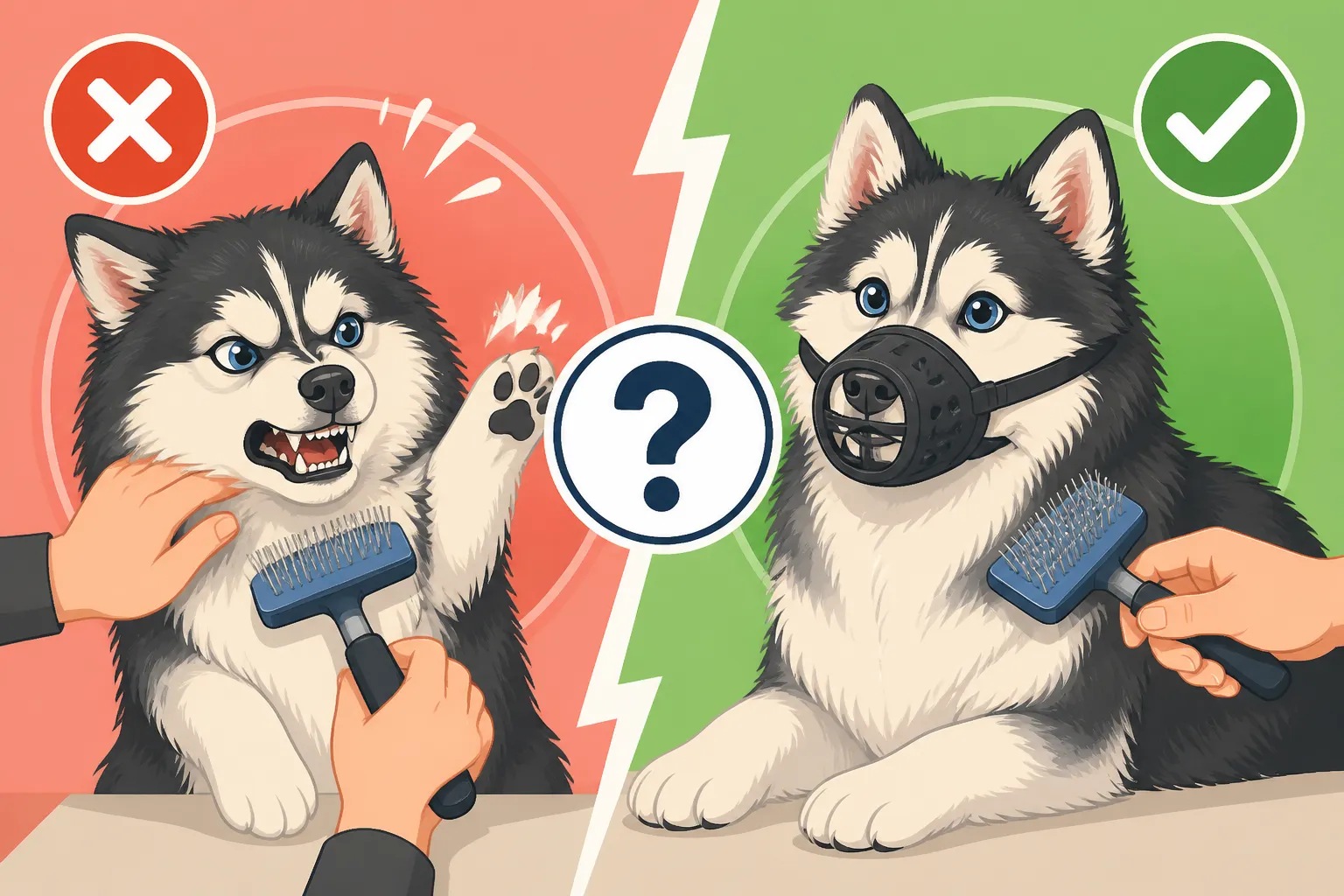
It’s a scenario many Pomsky owners can relate to: you’re trying to give your beloved furry friend a much-needed brush, maybe tackle a stubborn mat, and suddenly you’re met with growls, snips, or even outright bites. It’s frustrating, heartbreaking, and can leave you wondering if a muzzle is the only way to get through grooming without injury. This guide aims to explore why your Pomsky might be resisting brushing so fiercely and offer a comprehensive look at how to create a positive grooming experience, including when and how a muzzle might fit into that plan safely and ethically.
Understanding Why Your Pomsky Resists Brushing
When your Pomsky reacts aggressively to a brush, it’s rarely out of pure malice. Dogs communicate through their body language, and often, their resistance is a plea for help or an expression of discomfort. Understanding the root cause of their behavior is the first step toward a lasting solution that doesn't rely on force.
Early Experiences and Socialization Gaps
Sometimes, a Pomsky’s aversion to brushing stems from negative experiences or a lack of proper socialization during their formative puppy months. Perhaps they had a rough grooming session as a youngster, or they simply weren't introduced to the tools and sensations of brushing in a positive way. Imagine being suddenly held down and poked with an unfamiliar object; it can be quite alarming! If a puppy’s early encounters with grooming involved restraint, pain, or fear, those memories can hardwire an intense dislike that surfaces as aggression in adulthood. This is why it's so important to think about How Early a Pomsky Should Meet a Groomer and start positive associations from a young age.
Beyond specific grooming experiences, a general lack of early handling or exposure to various textures and sounds can contribute. A Pomsky puppy needs to learn that being touched all over – paws, ears, tail, belly – is a normal and often pleasant part of life. If they didn’t get enough of this kind of gentle handling, or if their breeder didn't prioritize it, then something as intrusive as brushing can trigger a defensive response. It's not just about the brush itself, but the act of being held or manipulated that can feel threatening.
Pain or Discomfort
Another very common reason for a Pomsky to fight brushing is physical discomfort or pain. Those thick double coats, a beautiful characteristic inherited from their Husky and Pomeranian parents, are prone to mats, especially if not brushed regularly. A mat isn't just tangled hair; it can pull on the skin, causing irritation, bruising, and even skin infections. Attempting to brush out a severe mat without proper technique or detangling spray can be incredibly painful, leading your dog to associate the brush with agony.
Beyond mats, underlying skin conditions like hot spots, allergies, or even something more serious like Zinc Responsive Dermatosis in a Pomsky can make their skin sensitive to touch. Even a seemingly benign condition, if located under their thick coat, could be excruciating when the brush makes contact. Sometimes, it’s not even skin-related – a painful joint, a dental issue, or an ear infection could make them protective of certain areas, and the act of being handled during grooming aggravates it. Always rule out medical reasons with your vet if your Pomsky suddenly develops a strong aversion to being brushed.
Fear and Anxiety
Fear and anxiety are powerful motivators for canine behavior, and they can certainly manifest as aggression during grooming. A Pomsky’s inherent temperament, which can be a mix of the bold Husky and the sometimes more wary Pomeranian, plays a role. Some Pomskies are naturally more anxious or prone to being sensitive about touch. If they've had a scary experience, even if it wasn't directly grooming-related, that generalized anxiety can spill over into situations where they feel vulnerable, like being held for brushing.
The handler’s technique can also inadvertently contribute to fear. Are you rushing? Are you gripping too tightly? Is your dog sensing your own frustration or tension? Dogs are incredibly attuned to our emotions. If you’re nervous about brushing, your Pomsky will pick up on that, reinforcing their own anxiety. A busy, noisy environment, or even unfamiliar people being around during grooming, can heighten their fear and make them feel cornered, leading to a defensive snap. Understanding that this isn't defiance, but a genuine feeling of being overwhelmed, is crucial for changing the dynamic.
Beyond Force: Training for a Positive Brushing Experience
Instead of battling your Pomsky with a brush, the goal is to transform grooming into something they not only tolerate but perhaps even enjoy. This involves a commitment to positive reinforcement, patience, and understanding that you’re rebuilding trust.
Desensitization and Counter-Conditioning
The cornerstone of turning a negative brushing experience into a positive one is through desensitization and counter-conditioning. This means gradually exposing your Pomsky to the brush and the act of being brushed, while simultaneously creating positive associations. Start incredibly small. Perhaps just show them the brush from a distance and immediately give them a high-value treat. Repeat this. Then, move to touching the brush to their back for a split second, followed by a treat. The key is to keep the sessions super short – literally 5-10 seconds at first – and always end on a positive note before they show any signs of stress.
You want to build up slowly to actual brushing strokes. Instead of diving into mats, simply glide the brush gently over a "safe" area (like their shoulder or back) for one stroke, then reward. Gradually increase the number of strokes or move to slightly more sensitive areas. Always pair the sensation of the brush with something wonderful, like a favorite treat, a gentle scratch behind the ears, or a toy they love. This process teaches them that the brush isn't scary; it actually predicts good things. Teaching a Pomsky to Be Brushed effectively uses these techniques.
Choosing the Right Tools and Environment
The right tools and environment can make a world of difference. For a Pomsky's thick double coat, you’ll definitely need an undercoat rake, a slicker brush, and a comb. If you're tackling tangles, a detangling spray designed for dogs is a must to prevent painful pulling. Avoid brushes that pull or scratch the skin, which can instantly ruin progress. Many owners find a high-velocity dryer invaluable for blowing out loose undercoat, especially during seasonal shedding, and getting them used to it calmly can prevent matting. Consider reading The Undercoat Rake a Pomsky Owner Lives With for more details on essential tools.
The environment should be calm, quiet, and free from distractions. A slippery floor can make a dog feel insecure, so a non-slip mat or even a bath mat might help. Choose a time when your Pomsky is already relaxed, perhaps after a good walk when they're a bit tired. Some dogs do better on a grooming table (if introduced positively) because it signals a specific activity, while others prefer being on your lap or on the floor. Experiment to find what makes your individual Pomsky feel most at ease. Think of it as creating a spa-like experience for them, not an interrogation.
Building Trust and Consistency
Consistency and trust are paramount. If you only bring out the brush when your Pomsky is matted or when you're frustrated, you’re reinforcing negative associations. Instead, incorporate very short, positive brushing sessions into your daily routine, even if it's just a few strokes followed by a reward. This makes grooming a normal, expected, and pleasant part of their day. Your Pomsky needs to learn that you are a reliable, gentle handler who won't hurt them.
This also means respecting their signals. If your Pomsky tenses up, tries to move away, or shows other subtle signs of discomfort (lip licking, yawning, looking away), stop before they escalate to growling or biting. Push too far, and you undo all your hard work. Retreat, regroup, and try again later, or try an even smaller step. Consistency also applies to everyone in the household. Everyone who interacts with your Pomsky during grooming needs to be on the same page with the positive reinforcement techniques. Companies like BAXTER & Bella offer online training programs that can guide you through these trust-building exercises, offering structured approaches to common behavioral challenges, including grooming.
When a Muzzle Might Be a Temporary Tool
While the ultimate goal is always to achieve a fear-free grooming experience, there are times when a muzzle might be a necessary, temporary tool. It’s important to see it as a safety device, not a punishment, and to use it thoughtfully.
Immediate Safety for Handler and Dog
Sometimes, there's an urgent need for grooming or veterinary care, and your Pomsky’s reactivity is simply too high to proceed safely without a muzzle. This isn't ideal, but if your dog has a severe mat causing pain, a wound that needs cleaning, or a nail that's grown into their paw, the immediate need to address the issue outweighs the ability to do extensive positive training in that moment. In these situations, a muzzle protects you, your vet, or your groomer from bites, and it prevents your Pomsky from hurting themselves further by thrashing in response to pain.
Consider a scenario where your Pomsky has rolled in something truly disgusting or developed a serious hot spot that requires immediate attention and even a trip to the vet. If they are in pain and reactive, a quick, properly fitted muzzle can allow a necessary intervention to happen without incident. This is a purely practical decision, made to ensure the safety and well-being of all involved during a stressful, time-sensitive situation. It's not a solution for long-term grooming resistance but a critical safety measure when immediate action is required. This might be especially true if your Pomsky is known to bite the groomer.
Facilitating Behavior Modification
A muzzle can also play a strategic role in behavior modification, particularly when working with a qualified professional. If your Pomsky’s fear of brushing is so profound that they immediately go into defensive biting, a muzzle can create a safety net that allows you to begin desensitization and counter-conditioning without the constant risk of injury. This safety allows you to focus purely on rewarding calm behavior, rather than constantly worrying about getting bitten.
For instance, a trainer might advise using a basket muzzle (which allows for panting and treat-taking) during very early desensitization sessions. With the muzzle on, you can gently touch the brush to your dog’s coat, knowing that even if they try to snap, no one will be harmed. This reduces your own tension, which your Pomsky will pick up on, and allows them to gradually learn that the brush isn't a threat. The muzzle isn't intended to force compliance but to enable training by removing the immediate danger, thereby creating a calmer learning environment. Remember, this is about teaching your Pomsky to tolerate and eventually accept grooming, not just endure it.
Types of Muzzles and Their Purpose
Not all muzzles are created equal, and choosing the right type is crucial for safety and effectiveness.
- Basket Muzzles: These are generally preferred for training and extended wear. They are made of plastic, wire, or silicone and fit over the dog's snout, allowing them to pant, drink water, and even take treats. This is vital because panting is how dogs cool themselves, and being able to reward them with treats during training reinforces positive associations. They prevent bites effectively while minimizing stress. You can find a good selection of basket muzzles on platforms like Amazon, offering different materials and fits for various breeds.
- Fabric Muzzles (Grooming Muzzles): These typically wrap tightly around the dog's snout, preventing them from opening their mouth wide. They are usually intended for very short-term, emergency use, like during a quick vet procedure or for a groomer dealing with a suddenly reactive dog. The main drawback is that they prevent panting, which can quickly lead to overheating and increased stress, especially in double-coated breeds like Pomskies. They also prevent dogs from taking treats, making them unsuitable for positive reinforcement training.
Here's a quick comparison of the two main types:
| Feature | Basket Muzzle | Fabric Muzzle |
|---|---|---|
| Material | Plastic, wire, silicone, sometimes leather | Nylon, fabric |
| Panting | Allows free panting (essential for cooling) | Restricts panting (risk of overheating) |
| Drinking | Allows drinking | Prevents drinking |
| Treats | Allows treat-giving (good for training) | Prevents treat-giving (not suitable for training) |
| Bite Prevention | Highly effective | Effective for short periods |
| Comfort | Generally more comfortable for longer durations | Can be restrictive and stressful |
| Recommended Use | Training, vet visits, temporary safety, emergencies | Very short-term emergencies, extreme situations |
For any sustained use, or if you plan to incorporate a muzzle into behavior modification, a well-fitting basket muzzle is the safer and more humane choice.
Implementing Muzzle Training Safely and Ethically
If you decide that a muzzle is necessary, either as an interim safety measure or as part of a structured training plan, introducing it correctly is paramount. The goal is to make the muzzle a neutral or even positive experience, not a source of further trauma.
Introducing the Muzzle Positively
Muzzle training should be a gradual, positive process, similar to desensitization for brushing. Never just strap it on your Pomsky and expect them to be okay. Start by simply letting them see and sniff the muzzle, then immediately offer a high-value treat through it or next to it. You want them to associate the muzzle with delicious things. Next, put a blob of peanut butter or cream cheese inside the muzzle basket and let them lick it out. This encourages them to voluntarily put their snout into the muzzle. Repeat this several times a day for a few days.
Once they're happily sticking their nose in to get the treat, you can begin to gently fasten the straps for a split second, then immediately remove it and give another treat. Gradually increase the duration the muzzle is fastened, always pairing it with treats and praise. Keep sessions short and fun. If your Pomsky shows any signs of stress, you've gone too fast; go back a step. The idea is that they learn that the muzzle means "treats are coming!" or "this is a good thing!" BAXTER & Bella, for example, often incorporates positive equipment introductions into their general training philosophies.
Making the Muzzle a "Good Thing"
To truly make the muzzle a positive experience, it shouldn't just be associated with getting treats while it's on, but also with positive activities. Once your Pomsky tolerates wearing the muzzle for short periods, put it on just before you go for a fun walk, before a play session, or before they get their favorite chew toy. This teaches them that the muzzle is a predictor of good things, not just a precursor to something unpleasant.
You want the muzzle to become as unremarkable as their collar or harness. If the only time your Pomsky sees the muzzle is when they're about to undergo a stressful grooming session, they will naturally form negative associations. Integrate it into enjoyable, low-stress parts of their routine. This way, when you do need to use it for grooming, their anxiety about the muzzle itself will be significantly reduced, allowing them to focus more on the desensitization to brushing.
Ensuring Proper Fit and Comfort
A poorly fitting muzzle is not only uncomfortable but can also be ineffective and dangerous. A muzzle that's too tight will pinch and rub, causing pain and irritation, while one that's too loose can easily be slipped off, defeating its purpose. For a basket muzzle, your Pomsky should be able to fully open their mouth to pant, drink, and take treats. There should be enough room around their snout for this without rubbing. The straps should be snug enough to prevent removal but not so tight that they restrict breathing or cause discomfort.
Measure your Pomsky’s snout length and circumference carefully before purchasing. Many brands, particularly those available on Amazon, offer sizing guides. Once you have the muzzle, observe your Pomsky closely when they wear it. Are there any rub marks? Are they trying desperately to paw it off? Is their breathing labored? These are all signs of a poor fit or discomfort that need to be addressed immediately. Remember, the goal is safety and eventual comfort, not just containment. A properly fitted muzzle makes the experience as stress-free as possible, allowing your Pomsky to breathe easy, literally and figuratively, as you work towards a more positive grooming routine.
Disclaimer
This article is for general informational purposes only and does not constitute professional advice. Laws, prices and regulations vary by location and change over time. Consult a qualified professional for guidance on your specific situation.