Settling a Rehomed Pomsky
Bringing a rehomed Pomsky into your life is a truly wonderful, compassionate act, but let's be realistic: it's rarely a fairytale beginning. These little bundles of fluff and sass, often rehomed through no fault of their own, arrive with a past, and that past can manifest as confusion, anxiety, and even some challenging behaviors as they try to navigate their new world. This guide is here to walk you through the essential steps and empathetic approaches needed to help your rehomed Pomsky not just adapt, but truly thrive in your loving home, turning their uncertainty into a sense of belonging.
Understanding the Emotional Baggage of a Rehomed Pomsky
When you bring home a rehomed Pomsky, you're not just getting a cute dog; you're inheriting a history. This history is often filled with upheaval, stress, and the profound loss of everything familiar to them. It's crucial to approach this period with immense patience and understanding, recognizing that their past experiences will heavily influence their initial behavior in your home.
Why Rehoming is Stressful for Dogs
Imagine your entire world being turned upside down. Your bed, your favorite comfy chair, the smells of your home, the sound of familiar voices, your routine – all suddenly gone. That's precisely what a rehomed dog experiences. Dogs are creatures of habit and deeply connected to their environment and the people within it. They don't understand why they've been moved. They don't grasp that you are their benevolent rescuer. To them, they've simply lost everything. This profound sense of loss and confusion is incredibly stressful. They might feel abandoned, anxious, or even afraid.
Furthermore, a dog's sense of security is heavily tied to predictability. The sudden shift in surroundings means a complete lack of predictability. New sounds, new sights, new smells, new people, new rules – it's an overwhelming sensory overload. This constant state of uncertainty can keep them on edge, making it difficult for them to relax and settle in. They are essentially in survival mode, trying to figure out where they fit and if they are safe.
Common Behavioral Manifestations of Stress
This underlying stress and anxiety can show up in a myriad of ways. Don't be surprised if your usually energetic Pomsky seems subdued, hides a lot, or trembles when you approach. Fear and anxiety are common, especially in the first few days or weeks. They might retreat to a quiet corner, refuse food, or seem hesitant to engage with you. This isn't a reflection of you; it's a coping mechanism.
Conversely, stress can also manifest as undesirable behaviors. You might find your new Pomsky having "accidents" indoors, even if they were reportedly house-trained. This can be due to anxiety or simply not understanding the new potty routine. Destructive chewing, digging, or excessive barking and howling are also common stress releases. Remember, Pomskies have a natural inclination to communicate vocally, often with The Husky Howl in a Pomsky rather than a bark, and stress can amplify this. They might chew on inappropriate items because they're anxious, bored, or trying to self-soothe. Changes in appetite – either refusing to eat or eating ravenously – and disrupted sleep patterns are also red flags that your Pomsky is struggling to cope. Patience is absolutely key here; these behaviors are symptoms of distress, not defiance.
Creating a Safe and Predictable New Environment
The most important thing you can do for a rehomed Pomsky is to create a haven of safety and predictability. Their previous world was likely chaotic or, at best, simply different. Your job is to introduce stability and calm, helping them understand that this new place is permanent and secure.
Setting Up Their Personal Space
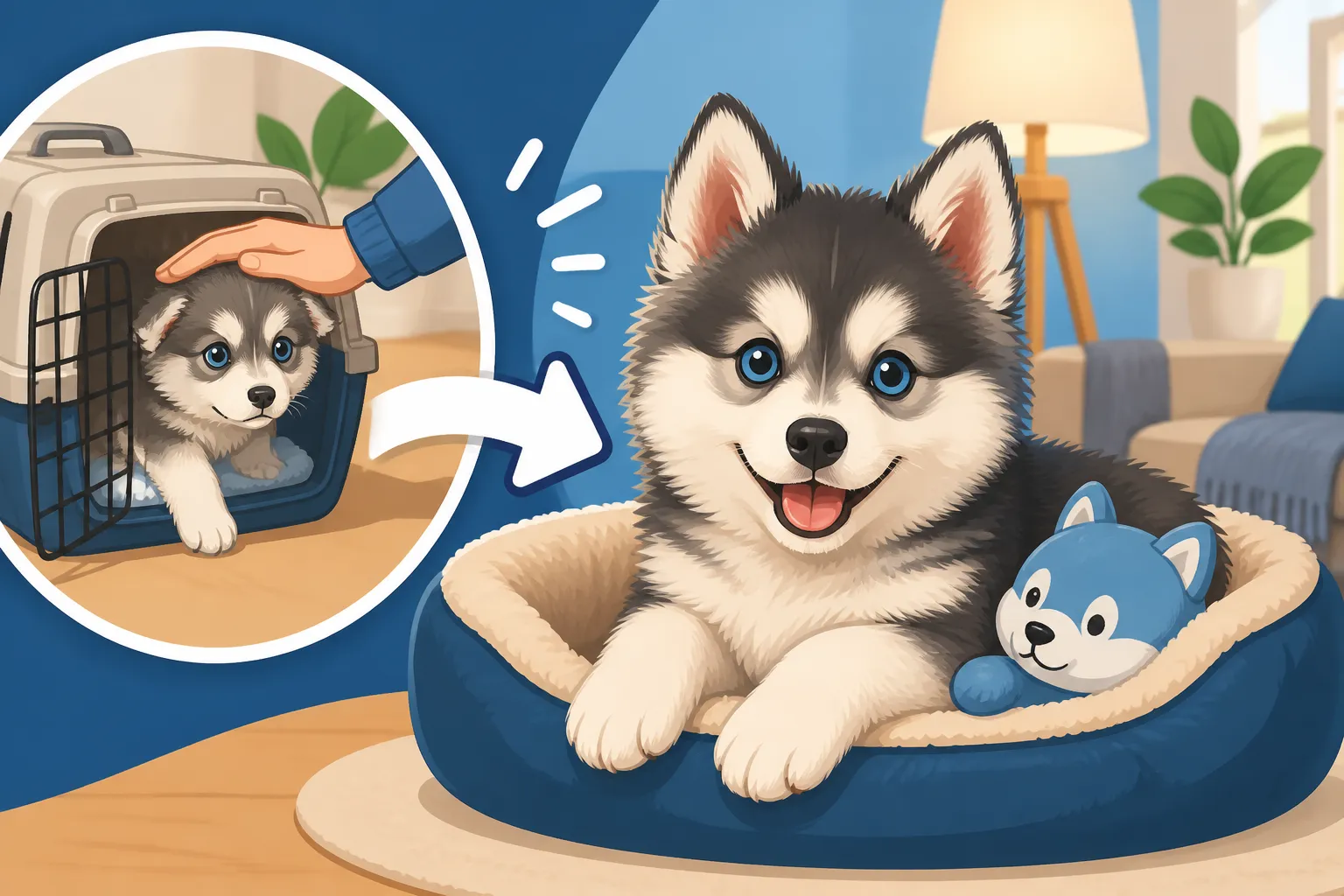
Every dog needs a retreat, a place where they can feel entirely safe and undisturbed. For a rehomed Pomsky, this is non-negotiable. A crate, properly introduced as a positive space, can be invaluable. It should be large enough for them to stand, turn around, and lie down comfortably, and placed in a quiet, low-traffic area of your home. Line it with a soft blanket or bed. If possible, ask the previous owner for a blanket or toy that smells of their old home; familiar scents can be incredibly comforting. If not, a new, soft bed and a durable chew toy (you can find a wide variety of excellent options on platforms like Amazon) can provide comfort.
Beyond a crate, designate a specific area for their food and water bowls, away from busy doorways or loud noises. Ensure these bowls are always accessible and kept clean. Their potty area, whether indoors on pee pads or a specific spot in the yard, should also be consistent from day one. This consistency helps them understand the rules of the house faster and reduces anxiety associated with not knowing where to relieve themselves.
Establishing a Consistent Routine
Dogs thrive on routine. It builds confidence and reduces anxiety because they learn what to expect. From the moment your rehomed Pomsky arrives, try to establish a consistent daily schedule. This includes:
- Waking up time: Keep it consistent.
- Potty breaks: Frequent and at the same times each day. Take them out after waking up, after eating, after playing, and before bed.
- Meal times: Serve food at the same hours daily. How Much a Twenty Pound Pomsky Eats varies, but consistency in when they eat is important.
- Walks and exercise: Regular walks, ideally at similar times each day, provide not just physical exercise but also mental stimulation and predictability. For a breed with energy, this is vital for The Exercise a Pomsky Needs Every Day.
- Playtime: Dedicated time for interactive play helps build your bond.
- Bedtime: A consistent wind-down routine and lights-out time signals that the day is ending.
This structured approach contrasts sharply with the uncertainty they may have experienced before and provides a framework for them to feel secure. Even if they don't immediately conform, stick to the routine. They will eventually learn and begin to relax into it.
Initial Interactions and Boundaries
The first few days, and even weeks, should be about slow, gentle introductions and clear, calm boundaries. Avoid overwhelming your new Pomsky with too much excitement, too many new people, or too many new experiences all at once. If you have other pets or children, manage these introductions carefully. Keep initial meetings with other dogs short, supervised, and positive, ideally on neutral territory. Children should be taught how to interact respectfully, understanding that the Pomsky needs space and quiet time.
From day one, establish simple, non-negotiable rules. For example, where they are allowed to sleep, where they eat, and where they go potty. Use positive reinforcement to reward desired behaviors. Avoid harsh corrections or punishment, as this will only increase their anxiety and erode trust. You want to be a source of comfort and security, not fear. If you're looking for structured guidance on positive, fear-free training from the start, programs like BAXTER & Bella offer fantastic online resources and community support that can be invaluable for new owners, especially with a rehomed dog. They focus on building a strong foundation of trust and good manners without intimidation.
The First Few Weeks: The 3-3-3 Rule and Beyond
The journey of settling a rehomed Pomsky is not a sprint; it's a marathon. One of the most helpful frameworks for understanding this process is the "3-3-3 Rule." It's a generalization, of course, but it provides realistic expectations for how a dog might adapt over time.
Decoding the 3-3-3 Rule for Rehomed Dogs
The 3-3-3 Rule describes the typical emotional and behavioral stages a rehomed dog goes through:
-
First 3 Days: Overwhelmed and Observing
During these initial days, your Pomsky will likely be in a state of shock and confusion. They might be withdrawn, hide, refuse to eat, or seem overly shy. Some might even try to test boundaries, acting out due to anxiety or past lack of structure. They are absorbing everything: every sound, smell, sight. They are trying to figure out if they are safe, who you are, and what the rules are. Don't expect their true personality to shine through yet. Focus on quiet comfort, consistent routine, and positive, low-key interactions. This is when their personal, safe space is most critical. -
First 3 Weeks: Settling In and Showing Personality
As the initial shock wears off, your Pomsky will start to feel a bit more comfortable. They might begin to show more of their personality – for better or worse! You might see them start to play, investigate their surroundings, or interact more freely with you. This is also when some behavioral issues, previously masked by fear, might surface. House-soiling, destructive chewing, or separation anxiety can become more apparent as they drop their guard but haven't fully cemented their place. Continue with your consistent routine, reinforce good behaviors, and gently address any emerging challenges with patience and positive training methods. -
First 3 Months: Feeling at Home and Fully Integrated
By this point, your Pomsky should be feeling truly settled and secure in your home. They will understand the routine, know what's expected of them, and their personality will be fully on display. They will consider your home their home and you their family. This is when the deep bond really forms, and you can truly enjoy their unique quirks and companionship. While challenges might still arise, they will be much more manageable as trust has been established. This is also a good time to consider more advanced training or activities to keep their intelligent minds engaged.
Building Trust Through Positive Reinforcement
Building trust is the cornerstone of a successful rehoming. This is achieved almost entirely through positive reinforcement. Every time your Pomsky chooses a desired behavior, reward them! This means using high-value treats – small, soft, irresistible morsels – along with enthusiastic verbal praise ("Good dog!") and gentle physical affection if they are comfortable with it. Want them to sit? Reward. Come when called? Reward. Go potty outside? Reward!
Keep training sessions short (5-10 minutes), fun, and frequent. This is especially important for Pomskies, who can be incredibly smart but also prone to boredom or stubbornness, a trait they often get from their Husky parentage. If you're working on something like recall, starting in a quiet, distraction-free environment and gradually adding distractions is key. For more in-depth guidance on recall, especially for a dog with a strong drive to explore, you might find valuable insights in Recall on a Pomsky Bred From a Dog That Runs.
Never use punishment, yelling, or physical force. These methods breed fear and destroy trust, especially in a dog that has already experienced disruption. You want your Pomsky to associate you with positive experiences, safety, and rewards, not fear or uncertainty.
Managing Common Challenges
Even with the best intentions, you'll likely encounter some bumps in the road. Here are a few common challenges and how to approach them:
- House-Soiling: Go back to basics. Treat your rehomed Pomsky like a puppy that's learning. Take them out frequently – every hour or two, after waking, eating, and playing. Lavishly praise and reward them when they go outside. Clean up indoor accidents thoroughly with an enzymatic cleaner to eliminate odors that might encourage repeat offenses.
- Separation Anxiety: Many rehomed dogs develop separation anxiety due to past abandonment. Start by leaving them alone for very short periods (a few minutes), gradually increasing the time. Make departures and arrivals low-key, without excessive fanfare. Provide engaging enrichment toys, like a puzzle toy stuffed with peanut butter or a durable chew bone (easily found on Amazon), to keep them occupied. A securely crated dog is often safer and less prone to destructive behaviors when left alone, as it provides a den-like sense of security.
- Leash Reactivity or Fear on Walks: If your Pomsky barks, lunges, or cowers on walks, they might be overwhelmed or fearful. Keep walks short and in quiet areas initially. Use high-value treats to create positive associations with sights and sounds they find challenging. The goal is to make the outside world less scary. Using a comfortable, secure harness (rather than a collar that can put pressure on their delicate trachea, as discussed in Why a Pomsky Should Wear a Harness) can also improve comfort and control.
- Excessive Vocalization: If your Pomsky is howling or whining excessively, especially when left alone, it's often a sign of stress or loneliness. Ensure they're getting enough physical and mental exercise. Address separation anxiety. Some Pomskies just love to "talk," but excessive or distressed vocalizations are usually a plea for attention or a sign of discomfort. Refer to Whether a Pomsky Is Loud for more on their vocal tendencies.
Remember, every challenge is an opportunity to teach and build trust.
| Settling Phase | Timeframe | Key Behaviors to Expect | Your Focus |
|---|---|---|---|
| Stage 1 | First 3 Days | Overwhelmed, withdrawn, shy, testing boundaries, quiet. | Provide safe space, consistent routine, quiet comfort. |
| Stage 2 | First 3 Weeks | Showing more personality, some behavioral issues may emerge, exploring. | Continue routine, positive reinforcement, gentle correction for issues. |
| Stage 3 | First 3 Months | Fully integrated, confident, personality shines, deep bond formed. | Continue training, socialization, enjoy companionship. |
Long-Term Integration and Nurturing a Lasting Bond
The initial settling period is just the beginning. Nurturing a lasting bond with your rehomed Pomsky involves ongoing commitment to their well-being, both physically and emotionally. This journey is incredibly rewarding as you watch them transform from a nervous newcomer into a cherished family member.
Continued Training and Socialization
Training isn't just for puppies; it's a lifelong endeavor, especially for intelligent breeds like the Pomsky. Consistency is paramount. Continue practicing basic commands, and consider enrolling in advanced obedience classes or even exploring dog sports. Activities like agility can be fantastic for a Pomsky's energetic body and sharp mind, as touched upon in Whether a Pomsky Can Do Agility. Scent work is another excellent option that taps into their natural instincts and builds confidence, as described in Whether a Pomsky Takes to Scent Work. These activities provide mental stimulation, strengthen your bond, and help them channel their energy productively.
Continued, positive socialization is also crucial. This doesn't mean forcing them into situations they find scary, but rather gradually exposing them to new sights, sounds, people, and well-behaved dogs in a controlled, positive manner. Every new positive experience helps build their confidence and makes them a more well-adjusted companion.
Health and Nutrition Considerations
A comprehensive veterinary check-up is always recommended shortly after bringing home any rehomed dog. This allows you to establish a baseline for their health and address any underlying medical issues that might be contributing to behavioral problems. Stress can sometimes exacerbate existing conditions or even suppress symptoms that might appear once they relax.
Maintaining a stable, high-quality diet is fundamental to their overall health. Consistency in feeding, as outlined in Feeding a Twenty Pound Pomsky, also contributes to their sense of routine and well-being. Ensure they have access to fresh water at all times. Discuss with your vet whether any supplements might be beneficial, especially if they show signs of skin or coat issues, which can sometimes plague Pomskies. Addressing their physical needs directly impacts their emotional state.
Understanding Your Pomsky's Unique Personality
Even if they are a mixed breed, Pomskies have a fascinating blend of characteristics from their Husky and Pomeranian parents. You might have a "talking" Pomsky who loves to howl and communicate vocally, or one with a strong prey drive who is endlessly fascinated by squirrels. They can be incredibly intelligent and cheeky, capable of learning quickly but also prone to testing boundaries. Your rehomed Pomsky will have their own distinct personality, quirks, and needs.
Take the time to truly observe and understand your Pomsky. Do they prefer quiet evenings on the couch, or are they begging for another hike? Do they thrive on vigorous play, or are they more content with puzzle toys? Some might be more reserved, needing more personal space, while others might crave constant attention. Recognize that while the internet paints a picture of a miniature Husky, many Pomskies end up weighing significantly more than anticipated or leaning more towards their Pomeranian side in appearance and temperament, sometimes giving them The Pomsky That Carries a Husky Coat at Twenty Pounds but at a smaller scale. Understanding their unique blend of traits, their size (see What a Pomsky Actually Weighs), and adapting your lifestyle to their comfort will solidify your bond and allow them to truly flourish as a beloved member of your family. The joy of witnessing a once-nervous, rehomed dog finally relax, trust, and reveal their true, happy self is one of the most fulfilling experiences a pet owner can have.
Disclaimer
This article is for general informational purposes only and does not constitute professional advice. Laws, prices and regulations vary by location and change over time. Consult a qualified professional for guidance on your specific situation.