The Wooly Pomsky Coat and Its Upkeep
That gorgeous, cloud-like floof that first captured your heart when you saw a wooly Pomsky? It's utterly irresistible, isn't it? But let's be real: behind that adorable, plush exterior lies a significant commitment to grooming that can feel overwhelming if you're not prepared. This guide is all about navigating the unique demands of caring for a wooly Pomsky coat, from understanding its distinct characteristics to mastering the specialized tools and techniques needed to keep it healthy, mat-free, and as beautiful as the day you first laid eyes on your furry friend.
Understanding the Wooly Wonderland of Your Pomsky's Coat
When we talk about a "wooly" Pomsky coat, we're not just throwing around a cute descriptor. It's a specific coat type that comes with its own set of characteristics and, yes, challenges. Unlike some other variations, the wooly coat is known for its extreme density and length, often resembling a soft, thick cloud. It’s what many people envision when they think of a fluffy Pomsky, but it's much more than just extra fluff.
Defining the Wooly Texture
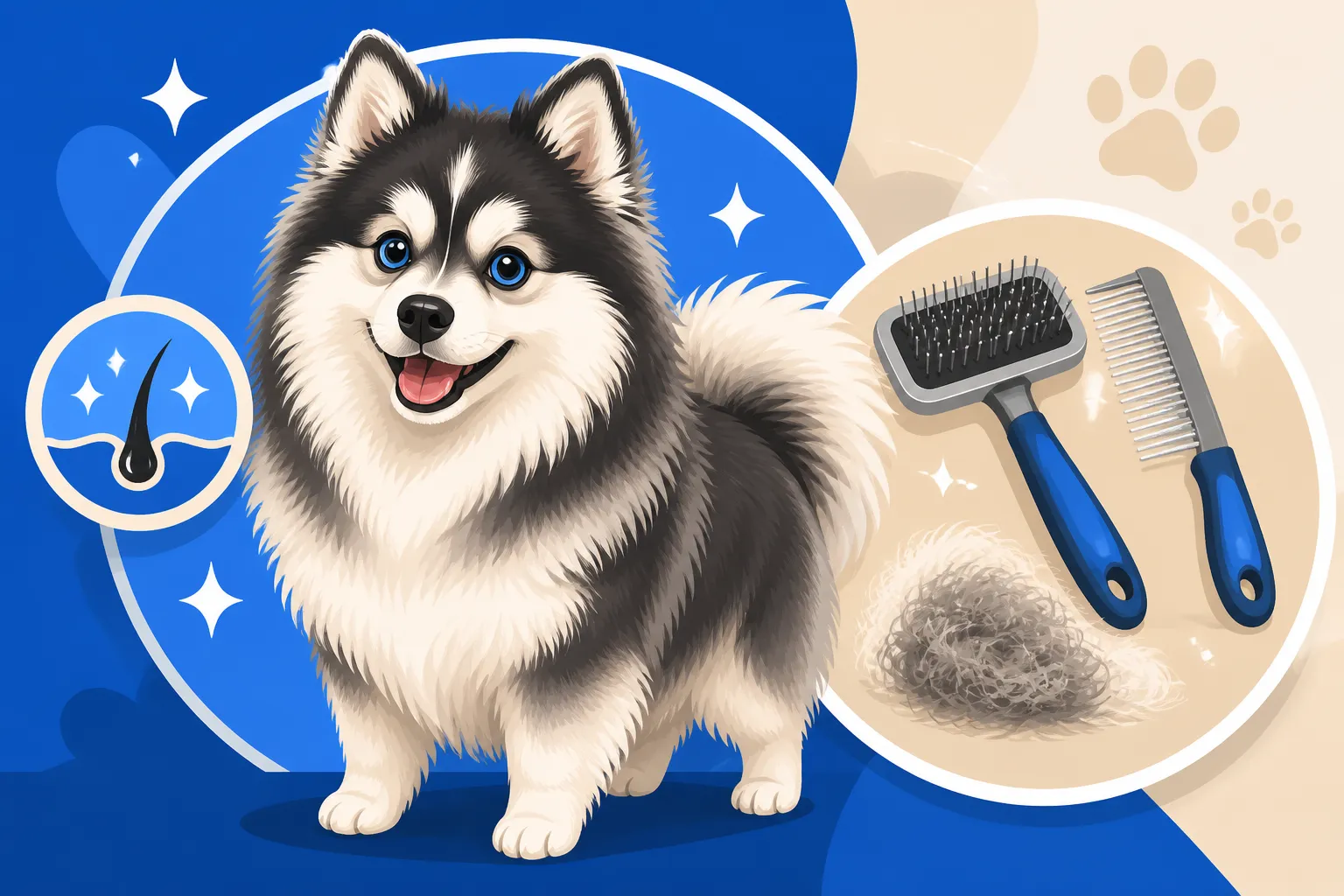
Imagine the softest sheep's wool, but on a dog – that's often the texture we're talking about with a wooly Pomsky coat. It's incredibly plush, deep, and often feels thicker to the touch than a standard Pomsky coat. This texture comes from an exceptionally dense undercoat and longer, softer guard hairs that aren't quite as coarse or straight as those found on a typical husky. The combination creates a coat that stands off the body, giving that characteristic rounded, fluffy silhouette. It's beautiful, no doubt, but that density is also what makes it a magnet for mats and debris.
Often, owners are drawn to this look, imagining a perpetual puppy fluffball. While they do retain a lot of that softness, the reality is that this luxurious texture needs constant attention to prevent it from becoming a tangled mess. The softness means individual hairs are prone to wrapping around each other and forming tight knots, especially in areas of friction.
Distinguishing from Standard and Short Coats
To truly appreciate the wooly coat, it helps to understand how it differs from its counterparts. The "standard" Pomsky coat, often seen as the ideal by breeders aiming for a more balanced Husky-Pomeranian look, typically has a dense undercoat but longer, smoother, and slightly coarser guard hairs that lie flatter against the body. This gives it a sleek yet substantial appearance. Then there's the "short-coated" Pomsky, which is quite rare and has a much shorter, less dense coat, almost like a very plush velvet.
The wooly coat, however, takes the cake for sheer volume and softness. It lacks the defining coarse guard hairs of a standard coat, or they are significantly softer and longer, blurring the lines between guard hair and undercoat. This means less protection against environmental elements and more susceptibility to matting. Think of it like comparing a sleek, waterproof parka (standard coat) to a super cozy, but easily felted, wool sweater (wooly coat). Each has its appeal, but their care requirements are vastly different.
How Early Can You Spot a Wooly Coat?
Many new Pomsky owners wonder if they can tell what kind of coat their puppy will have from a young age. With wooly coats, sometimes you can get a pretty good indication as early as 8-12 weeks, but it's not always a guarantee. Puppies with developing wooly coats often have noticeably longer, softer, and more profuse "fluff" compared to their littermates, especially around their ears, legs, and tail. Their fur might appear to stand out more from their body, rather than lying flat.
However, a puppy's coat can change quite a bit during their first year, especially during the "puppy uglies" phase where they shed their soft puppy fur and grow in their adult coat. What looks like a super fluffy puppy might mature into a standard coat, and vice versa. The most accurate prediction comes from knowing the parent's coat types, but even then, genetics can throw a curveball. The key is to be prepared for the possibility and embrace whatever beautiful coat your Pomsky ends up with, understanding that each type has its specific needs.
The Daily Battle: Why Wooly Coats Demand Extra Attention
Owning a wooly Pomsky isn't just about admiring their fluff; it's about actively managing it every single day. The very qualities that make these coats so appealing also make them incredibly high-maintenance. Neglecting a wooly coat for even a few days can lead to a grooming nightmare that requires professional intervention.
The Matting Menace
If you have a wooly Pomsky, you know the dread of finding a new mat. These aren't just minor tangles; they can quickly become dense, painful clumps of fur that pull at the skin. The wooly coat's fine, soft, and dense texture is a perfect storm for matting. Think about how quickly a wool sweater can pill or felt if not cared for properly. Your Pomsky's coat is similar, but it's constantly moving, rubbing, and picking up debris.
Mats often form in high-friction areas: behind the ears, under the armpits, around the collar area, on the flanks where legs rub, and in the "feathering" on the legs and tail. These areas are constantly agitated, causing the soft hairs to intertwine and tighten. A small tangle can escalate into a large, skin-pulling mat in a matter of hours, especially after a romp in the park or a damp day. Once a mat forms, it acts like a magnet, drawing in more loose hair and becoming denser and closer to the skin, which can lead to skin irritation, infections, and even restrict movement.
Epic Shedding Seasons
Like all double-coated breeds, Pomskies "blow their coat" twice a year, typically in spring and fall. For a wooly Pomsky, this isn't just a shedding season; it's an event. The sheer volume of undercoat they carry means that during a blowout, you will experience what feels like a blizzard of fur inside your home. It’s not an exaggeration to say you could practically knit another Pomsky with the amount of hair they shed. How Much Undercoat Comes Off a Pomsky during these periods can be truly astonishing.
This heavy shedding isn't just about keeping your vacuum cleaner busy; it's a critical time for coat health. If the shedding undercoat isn't properly removed, it gets trapped within the longer, softer guard hairs, creating a dense, felted layer next to the skin. This trapped undercoat quickly leads to painful matting, prevents proper air circulation to the skin, and can cause overheating in warmer weather. It’s a messy, but essential, process to manage.
The Struggle of Drying a Wooly Coat
Bathing a wooly Pomsky is an endeavor. Getting that dense coat thoroughly wet down to the skin is the first challenge, but drying it completely is where the real struggle begins. Because the coat is so thick and absorbent, air-drying is simply not an option. It can take many, many hours for a wooly coat to air dry, and during that time, the dampness creates a perfect breeding ground for bacteria and yeast. This can lead to unpleasant odors, skin irritations, and hot spots. Drying a Pomsky to the Skin is absolutely crucial for their health and comfort.
Even towel drying, no matter how vigorous, barely scratches the surface. The undercoat acts like a sponge, holding onto moisture deep within. If the undercoat isn't fully dried, it can felt and mat even worse than dry fur, leading to severe skin problems and requiring extensive (and potentially painful) dematting or shaving by a professional groomer. This means that a proper bathing routine must include a highly efficient drying method.
Your Essential Arsenal: Tools for Taming a Wooly Pomsky
You simply cannot adequately care for a wooly Pomsky coat with just a basic slicker brush. Think of it like trying to paint a masterpiece with just one color and a flimsy brush. To keep that beautiful fluff healthy and mat-free, you need a specialized set of tools. Investing in quality grooming equipment is not a luxury; it's a necessity for these dogs.
The Right Brushes Make All the Difference
You’ll need a few different types of brushes to tackle the different layers and needs of a wooly coat:
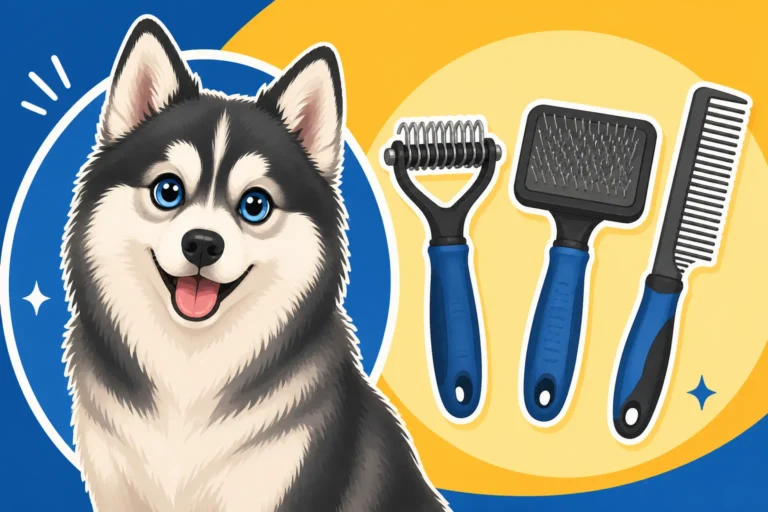
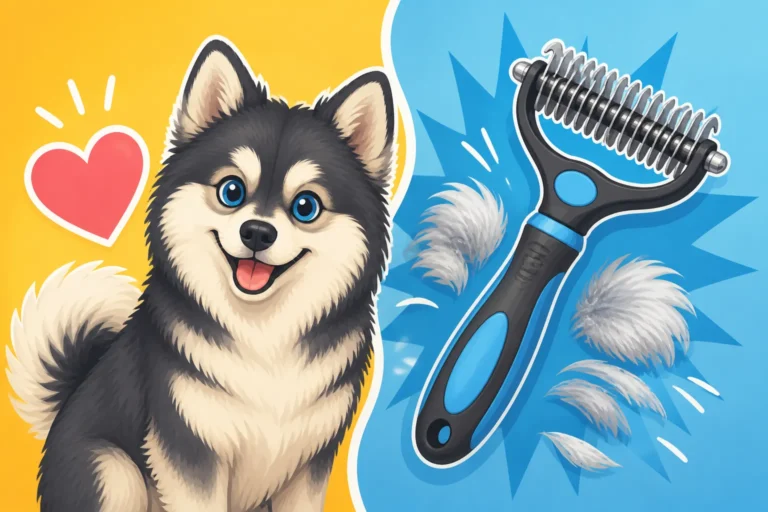
- Undercoat Rake: This is your absolute MVP for a wooly Pomsky. An undercoat rake has long, sturdy teeth designed to penetrate deep into the dense undercoat and pull out loose, dead hair without damaging the guard hairs. Look for one with rotating pins, as these are gentler on the skin and prevent pulling. Using this regularly, especially during shedding seasons, will prevent much of the matting before it even starts. The Undercoat Rake a Pomsky Owner Lives With is a tool you'll quickly become very familiar with.
- Slicker Brush: A good quality slicker brush with fine, wire bristles is essential for working through smaller tangles, smoothing the outer coat, and providing a thorough finish. Use it gently, focusing on line brushing (parting the hair and brushing in sections) to ensure you reach the skin without scratching it. This is also great for feathering on the legs and tail.
- Pin Brush: A pin brush with rounded metal pins can be useful for general brushing, detangling the topcoat, and distributing natural oils. It's often more comfortable for the dog for a quick daily run-through, but it won't tackle deep undercoat issues like a rake.
- Demating Comb/Tool: For those inevitable smaller mats, a demating comb or a specialized dematting tool (often with small, sharp blades designed to cut through mats) can be a lifesaver. Use these with extreme caution, always holding the mat closest to the skin to minimize pulling and discomfort for your dog. Never try to rip through a mat with any brush.
Many of these specialized tools can be found on online retailers like Amazon or pet supply stores such as Chewy.
High-Velocity Dryers: A Necessity, Not a Luxury
Forget your human hairdryer – it's just not powerful enough and can actually burn your Pomsky's skin due to its heat. For a wooly Pomsky, a high-velocity (HV) dryer, also known as a force dryer, is non-negotiable. These dryers use sheer force of air, not heat, to blast water out of the coat, drying it quickly and efficiently. Crucially, they also help "force out" loose undercoat, which is an invaluable benefit during shedding season.
After a bath, an HV dryer will cut your drying time dramatically, prevent matting from damp fur, and ensure your Pomsky's skin can breathe. If you don't have one, a professional groomer is your best friend after every bath. However, for regular home bathing, an HV dryer is a game changer. It might seem like a significant investment, but it saves countless hours and prevents far more expensive grooming emergencies down the line.
Shampoos and Conditioners for Dense Coats
Choosing the right shampoo and conditioner can also make a huge difference in managing a wooly coat. Look for products specifically formulated for double coats or for detangling and moisturizing.
- Shampoo: A good quality, concentrated shampoo that can be diluted is often best. It helps to ensure it penetrates the dense coat effectively. Look for ingredients that are gentle, sulfate-free, and designed to cleanse thoroughly without stripping natural oils. You might even consider a clarifying shampoo periodically to remove buildup. Shampoos That Suit a Pomsky's Double Coat are designed to work with their unique hair structure.
- Conditioner: This is crucial for wooly coats! A rich conditioner helps to soften the hair, reduce static, and make brushing and detangling much easier. It also helps to prevent future mats by smoothing the hair shaft. Make sure to rinse thoroughly to avoid residue, which can irritate the skin.
- Detangling Spray: A good leave-in detangling spray used on a dry coat before brushing can significantly reduce friction and make the grooming process more comfortable for your Pomsky. Spray a section, let it sit for a moment, then gently brush through.
Mastering the Grooming Ritual for a Wooly Pomsky
A wooly Pomsky's coat isn't something you can just groom once a week and be done with. It requires a consistent, proactive approach. Think of it as a daily ritual that keeps your Pomsky comfortable and looking their best. Skipping days can quickly lead to painful mats that are difficult to undo.
Daily Rituals: Quick Brushes and Checks
Even if your Pomsky isn't actively shedding, a daily quick brush is non-negotiable. This isn't a deep dive into the undercoat, but rather a surface-level sweep to catch any new tangles before they set in.
Start with a pin brush or a gentle slicker brush, paying extra attention to those high-friction areas: behind the ears, under the armpits, and around the collar. These are the mat magnets! A quick five-to-ten-minute session can prevent hours of painstaking dematting later. It also serves as a bonding experience and allows you to check for any skin issues, bumps, or parasites. Getting your Pomsky accustomed to daily handling from a young age will make these sessions much smoother. A simple run-through with a comb on the legs and tail can also prevent small knots from becoming big problems.
Weekly Deep Dives: Thorough Brushing and Dematting
Once a week, you need to dedicate a more substantial block of time – 30 minutes to an hour, sometimes more – to a thorough grooming session. This is where your undercoat rake truly shines.
The key technique here is called "line brushing." You essentially part the hair in small sections, starting from the bottom of the dog (e.g., the belly or legs) and working your way up. With one hand, hold the unbrushed hair out of the way, and with the other, use your undercoat rake to brush through the section you've exposed, working down to the skin. This ensures you're removing all the loose undercoat and detangling any knots. Work systematically across the entire body. If you encounter a mat, do not pull. Gently work it apart with your fingers, apply a detangling spray, and then carefully tease it out with a dematting comb, always holding the fur at the base of the mat to prevent pulling your dog's skin. This is the time to remove as much dead undercoat as possible, preventing that trapped fur from causing problems.
Monthly Spa Days: Bathing and Professional Touch-ups
Bathing frequency for a wooly Pomsky varies depending on their lifestyle and how dirty they get, but typically once every 4-8 weeks is a good baseline. More often during heavy shedding, less if they stay relatively clean. When it's bath time, it's a whole production.
First, always brush your Pomsky thoroughly before the bath. Water will tighten any existing mats, making them nearly impossible to remove. Use a dedicated dog shampoo, and lather it well, making sure it penetrates to the skin. Rinse, rinse, and rinse again – residue can cause skin irritation. Follow with a good conditioner, leaving it on for a few minutes before rinsing thoroughly. Then comes the critical drying process: use your high-velocity dryer to completely dry the coat, section by section, ensuring no dampness remains, especially in the undercoat. Finish with a slicker brush to smooth and fluff the coat.
For many owners, especially during intense shedding periods or if mats have become too challenging, a professional groomer is invaluable. They have industrial-strength equipment and expertise in handling dense coats. Don't feel guilty about taking your Pomsky to a professional – it’s often the kindest and most effective solution for both of you.
Preventing Common Wooly Coat Problems
Prevention is always better than cure, and this couldn't be truer for a wooly Pomsky's coat. A proactive approach to grooming and overall care will save you a lot of headache and your dog a lot of discomfort.
Strategies for Mat Prevention
The best way to deal with mats is to prevent them from forming in the first place. Consistent daily and weekly brushing, as outlined above, is your primary defense. However, there are other strategies you can employ:
- Regular Trimming of Sanitary Areas: While shaving the body is a big no-no for double-coated breeds like Pomskies, a small trim around the sanitary areas, paws, and hocks can prevent mats from accumulating where moisture and debris often get trapped. A professional groomer can do this safely.
- Collar and Harness Checks: Collars and harnesses are notorious for causing mats around the neck and chest. Ensure they fit properly – not too tight, not too loose – and remove them when your Pomsky is relaxing at home, especially overnight. Regularly check these areas for nascent tangles. Opt for rounded, smooth collars if possible. Why a Pomsky Should Wear a Harness is important, but ensure it's well-fitted.
- Avoid Wet Mats: Never let your Pomsky’s coat air-dry if it has any tangles or mats. As mentioned, water tightens them. Always brush thoroughly before a bath, and if you find a mat, dry it as much as possible with the HV dryer, then work it out before washing.
- Seasonal Management: During spring and fall blowouts, you might need to increase your brushing frequency even further. Consider professional de-shedding treatments during these times to help manage the massive amount of shedding undercoat.
Dealing with Hot Spots and Skin Irritation
The dense nature of a wooly coat, especially if not properly maintained, can predispose Pomskies to skin issues like hot spots. Hot spots are acute moist dermatitis – red, inflamed, often oozing patches of skin that appear suddenly and can spread rapidly. They are incredibly uncomfortable and itchy for dogs.
Trapped moisture, mats that prevent air circulation, allergies, insect bites, or even excessive licking due to stress can all trigger hot spots. If you notice your Pomsky constantly licking or chewing a particular area, or if you see a red, oozing patch, act quickly.
- First Aid: Gently clip the fur away from the affected area (use blunt-nosed scissors or electric clippers with extreme care) to allow air to reach the skin. Cleanse the area with a mild antiseptic solution, such as diluted chlorhexidine.
- Veterinary Care: Hot spots often require veterinary attention. Your vet may prescribe topical creams, antibiotics, or anti-inflammatory medications. Left untreated, hot spots can become deep infections. Regular grooming and keeping the coat free of mats helps prevent the ideal conditions for hot spots to form.
Avoiding Post-Clipping Alopecia (PCA)
This is a critical point for owners of wooly Pomskies: Why a Pomsky Must Never Be Shaved unless medically necessary. While it might seem like a tempting solution to reduce shedding or keep your dog cool, shaving a double-coated breed can lead to a condition called Post-Clipping Alopecia (PCA). With PCA, the fur either doesn't grow back at all, or it grows back patchy, discolored, and with a significantly altered texture, often losing its guard hairs and growing in only soft, cottony undercoat.
The double coat of a Pomsky is designed to insulate them both from cold and heat, regulating their body temperature. Shaving compromises this natural system, making them more susceptible to sunburn, insect bites, and difficulties regulating their temperature. Instead of shaving, focus on proper de-shedding and cooling techniques in warmer weather. If a wooly Pomsky becomes severely matted, sometimes shaving is the only humane option, but understand that there's a risk the coat may never return to its original glory. Always consult with a veterinarian or a professional groomer knowledgeable about double coats before making such a decision.
Nourishing the Coat from the Inside Out: Diet and Environment
Grooming is vital, but a healthy coat also starts from within. What your Pomsky eats and the environment they live in play a significant role in the luster, density, and overall health of their wooly coat. You can brush all you want, but if the internal conditions aren't right, you'll always be fighting an uphill battle.
Nutrition for a Healthy Coat
A high-quality, balanced diet is fundamental for skin and coat health. Just like with humans, good nutrition shows in their outward appearance. Look for dog foods where real meat is the first ingredient, and that contain essential fatty acids.
- Omega Fatty Acids: Omega-3 and Omega-6 fatty acids are particularly important for a healthy, shiny coat and supple skin. Many premium dog foods, like those from Ollie, include these. You can also supplement your Pomsky's diet with fish oil (salmon oil, cod liver oil) specifically formulated for dogs. These fatty acids help reduce inflammation, improve skin barrier function, and contribute to a lustrous coat.
- Protein and Vitamins: Hair is primarily protein, so ensuring adequate protein intake is crucial for strong, healthy hair growth. Vitamins like biotin and zinc also play a role in skin and coat integrity. If your Pomsky's coat seems dull, brittle, or they're experiencing excessive non-seasonal shedding, discuss their diet with your veterinarian. They can help you determine if a dietary adjustment or supplement, such as Whether a Pomsky Needs Extra Zinc, might be beneficial.
Remember, every dog is different, so what works for one might not work for another. Monitor your Pomsky's coat and skin and consult your vet for personalized dietary advice.
Humidity and Climate Considerations
The environment your Pomsky lives in can also impact their wooly coat. Extreme humidity or dryness can lead to different problems.
- High Humidity: In very humid climates, dense wooly coats can trap moisture, making them more prone to matting and fostering an environment for yeast and bacterial growth on the skin. Regular grooming is even more critical in these conditions to ensure the coat is clean and fully dry. If your Pomsky gets wet (from rain, swimming, or even just high humidity), ensure you use your high-velocity dryer to dry them completely, especially the undercoat, as soon as possible.
- Dry Climates: Conversely, very dry climates can lead to dry, flaky skin and brittle fur, which can break easily and contribute to static electricity. Using a humidifier in your home, especially during dry winter months, can help. Additionally, incorporating moisturizing shampoos and conditioners, and possibly a leave-in conditioner or topical oil, can help combat dryness.
Understanding how your local climate interacts with your Pomsky's coat will help you adjust your grooming routine and protective measures accordingly.
Hydration and Skin Health
Just like us, proper hydration is key for your Pomsky's overall health, including their skin and coat. Ensure your Pomsky always has access to fresh, clean water. Dehydration can lead to dull, dry skin and a less vibrant coat.
Consider adding a small amount of low-sodium bone broth to their water bowl occasionally, or if they're a bit picky about drinking. A well-hydrated dog will have healthier skin, which in turn supports a healthier, more resilient coat. It’s a simple factor often overlooked but makes a significant difference in maintaining that beautiful, wooly fluff.
Regular comprehensive care for a wooly Pomsky coat is a labor of love, but the reward is a happy, healthy companion with a stunning, comfortable coat. It’s a commitment, but one that strengthens your bond and showcases the true beauty of these wonderful dogs.
| Coat Type | Description | Grooming Effort | Common Issues | Key Tool(s) |
|---|---|---|---|---|
| Wooly | Extremely dense, long, soft, cloud-like coat. | High | Severe matting, lengthy drying, overheating | Undercoat rake, HV dryer, slicker brush |
| Standard | Dense undercoat with longer, coarser guard hairs. | Moderate-High | Shedding, matting (less severe than wooly) | Undercoat rake, slicker brush |
| Short-Coated | Shorter, less dense coat, often resembling plush velvet. | Low-Moderate | Shedding (less intense), minor tangles | Slicker brush, rubber curry brush |
Disclaimer
This article is for general informational purposes only and does not constitute professional advice. Laws, prices and regulations vary by location and change over time. Consult a qualified professional for guidance on your specific situation.