Arthritis in a Pomsky at Ten
Arthritis in aging ten-year-old Pomskies causes subtle movement changes, behavioral shifts, and joint pain requiring careful home monitoring.
Know what to watch for.
Breed-specific conditions, screening and DNA tests, what surgery actually costs, and the daily habits that stretch a healthy lifespan.
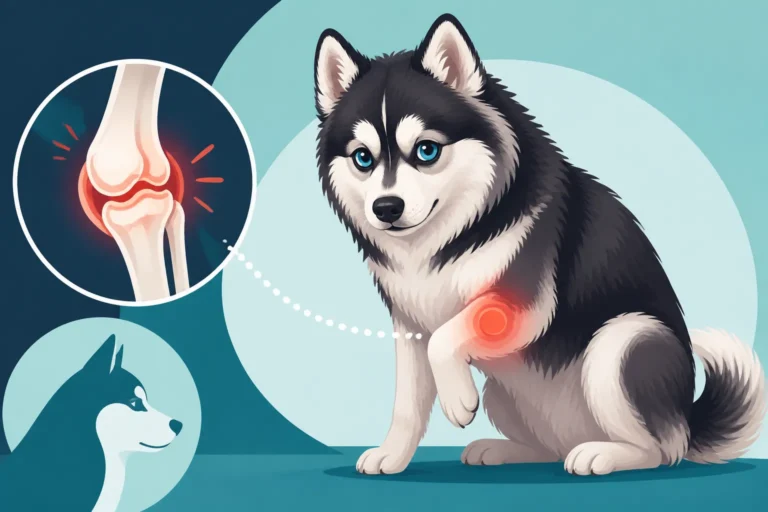
Arthritis in aging ten-year-old Pomskies causes subtle movement changes, behavioral shifts, and joint pain requiring careful home monitoring.

Joint supplements for Pomskies help owners understand genetic joint stiffness, patellar luxation, and arthritis relief options.

Pomsky bone structure and skeletal health depend on Siberian Husky and Pomeranian genetics influencing size and density.
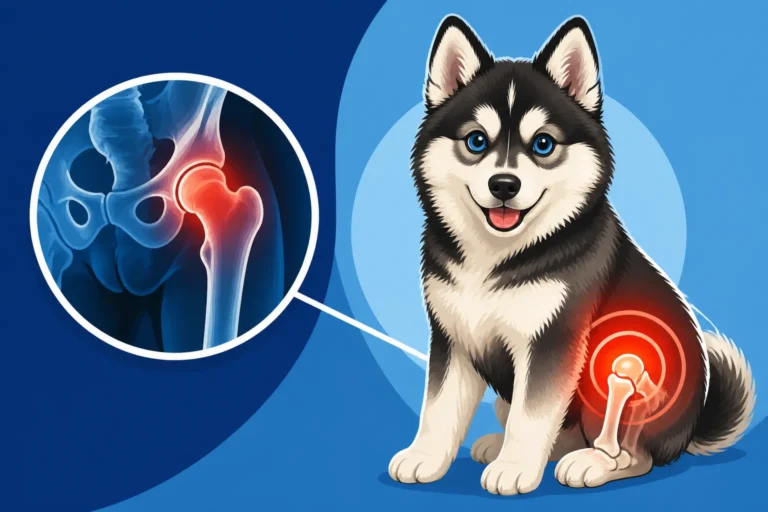
Legg-Calve-Perthes disease typically affects growing Pomsky puppies between four and twelve months of age through painful hip degeneration.
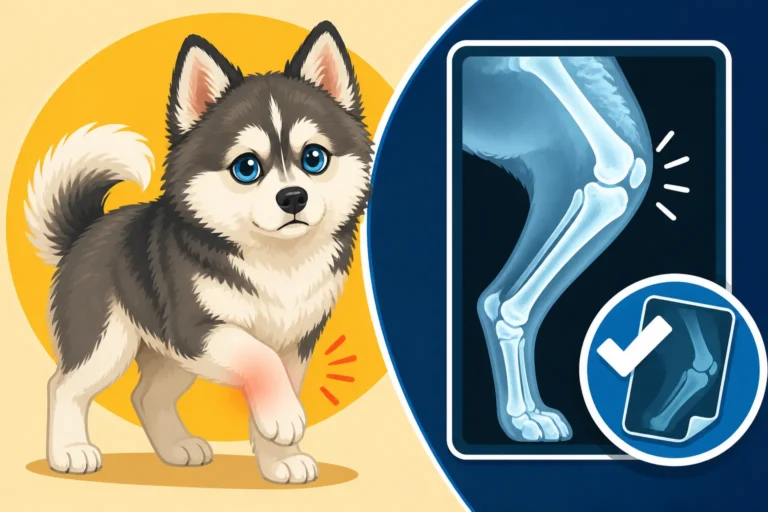
Pomsky limping causes and veterinary X-rays are explained to help owners identify minor injuries and serious orthopedic conditions.
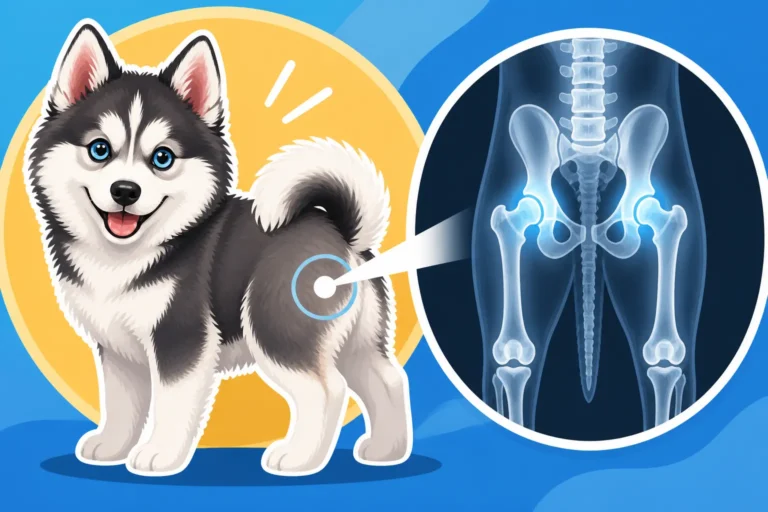
Pomsky hip X-rays detect joint dysplasia inherited from Siberian Husky and Pomeranian parent breeds to help manage canine arthritis early.
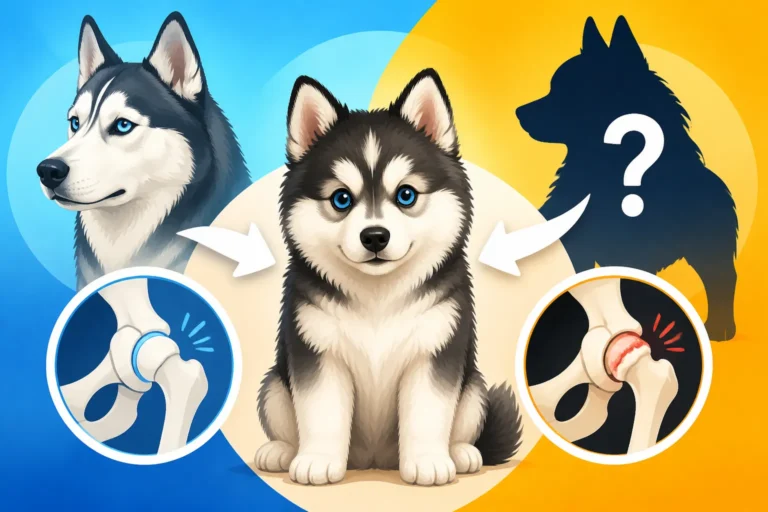
Pomsky hip dysplasia risks, inherited from the Husky lineage, depend on genetics, development, diet, and exercise factors.
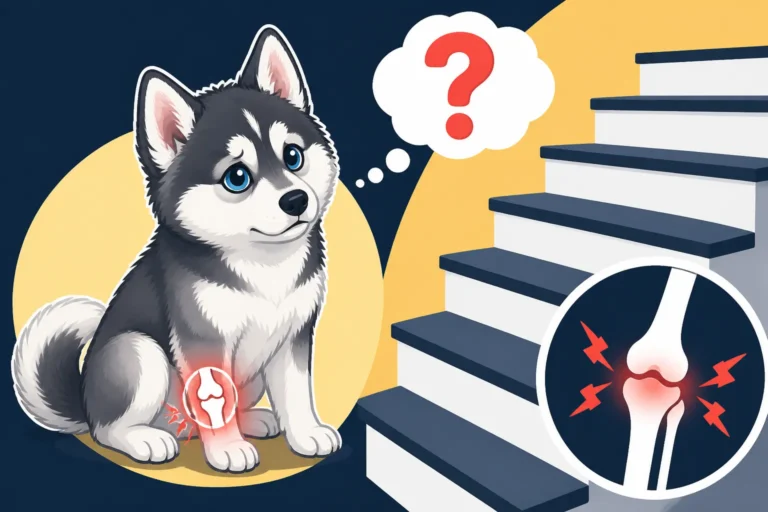
Stairs affect Pomsky knee joints and patellar luxation risks, detailing how age stages from puppyhood to seniors influence joint damage.

Repeated sofa jumping impacts a Pomsky dog’s joints and spine, causing injuries like patellar luxation and hip dysplasia.
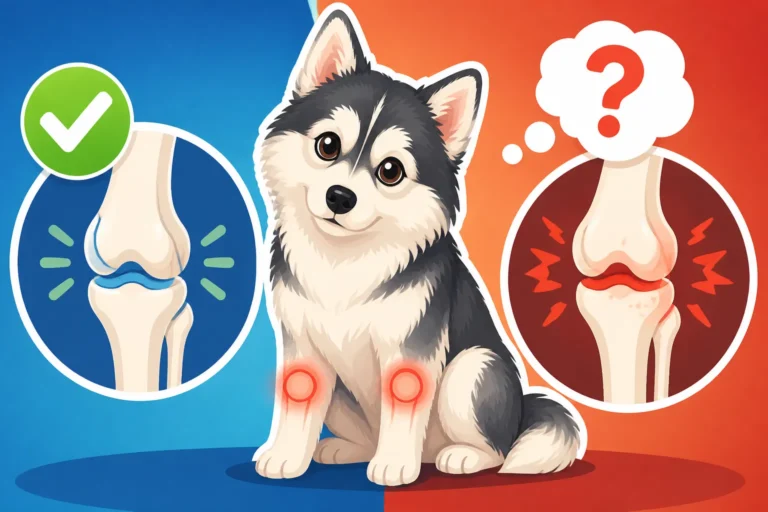
Patellar luxation in Pomskies explains if both knees are affected, detailing four severity grades and management strategies.