Whether a Lost Pomsky Is Usually Found
Lost Pomsky recovery rates, Husky escape instincts, Pomeranian wariness, and scent-driven wandering habits explain if missing dogs return home.
Work with the temperament you have.
House-training and crate work, recall, leash manners, separation anxiety, and the behaviors this breed is wired for.

Lost Pomsky recovery rates, Husky escape instincts, Pomeranian wariness, and scent-driven wandering habits explain if missing dogs return home.

Immediate steps for the first hour of a lost Pomsky include securing exits, checking hiding spots, and calling their name loudly.

Apple AirTag Bluetooth range limits, the Find My network, and twenty pound body sizes define Pomsky pet tracking realities.

Pomsky microchipping provides permanent identification for twenty pound escape artists, ensuring safe returns home when collars fail.
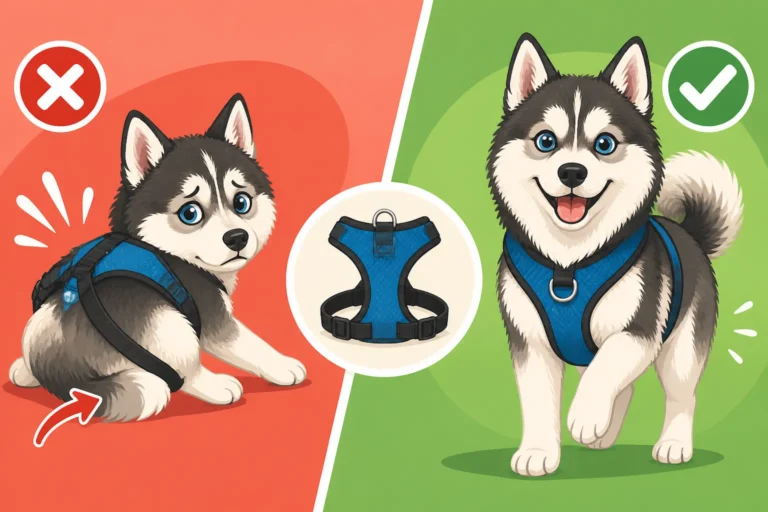
Pomsky harness escapes happen because of a deep chest, dense coat, and an ancestral drive to explore twenty pound bodies.

Martingale collar mechanics prevent a Pomsky from escaping because the secondary loop safely tightens when tension is applied.

Pomsky intelligence and Siberian Husky problem-solving explain why twenty-pound dogs open door handles and how to secure your home.

Pomsky dogs use Siberian Husky intelligence and Pomeranian agility to open baby gates, and owners can learn how to secure homes.

Pomsky crate escape behavior stems from husky genetics, pomeranian cleverness, and twenty pounds of high energy and boredom.

Pomsky tethering creates severe physical and behavioral risks due to high intelligence, prey drive, and escape instincts.